Vacuum Storage Bags vs Plastic Bins: Which Saves More Space at Home?
Struggling with overflowing cupboards? Vacuum storage bags and plastic bins both promise space-saving magic, but which truly works better for modern homes? A practical comparison to help choose the smarter storage solution.
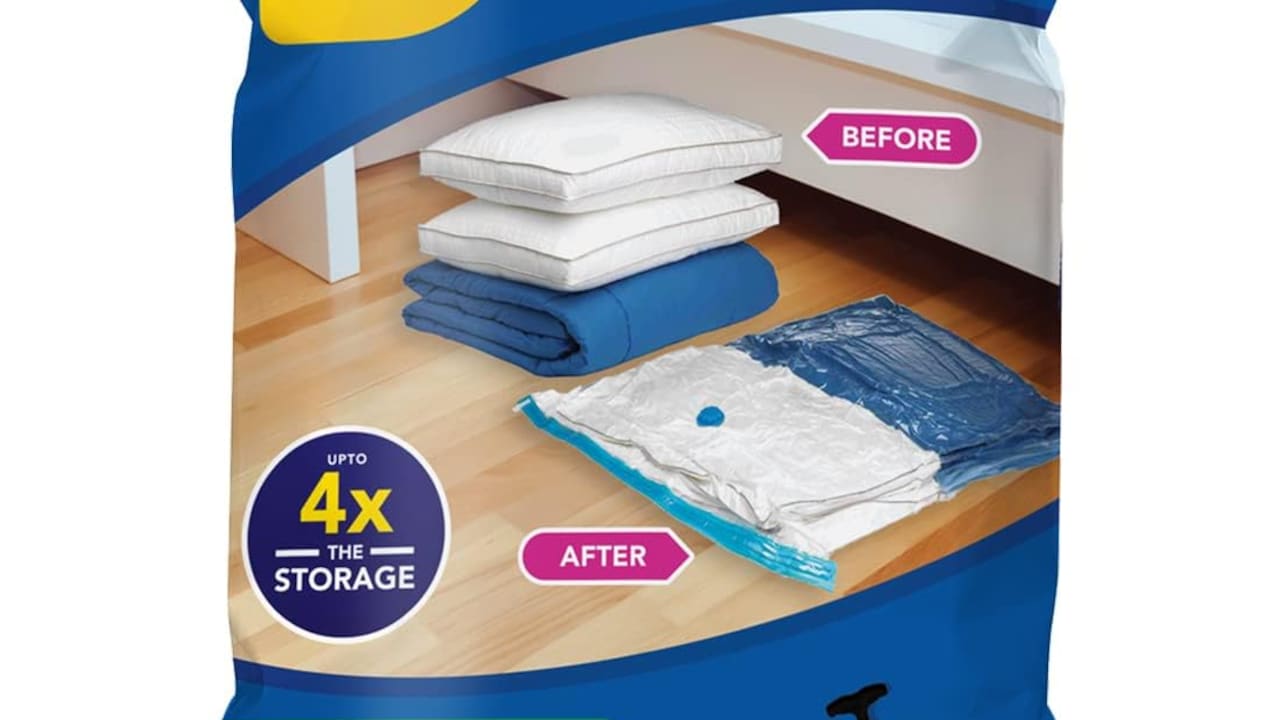
Are Vacuum Storage Bags or Plastic Bins the Best Choice for Saving Storage Space? Know The Answer.
Every home tells a story through its storage struggles. Winter blankets sit awkwardly beside summer cottons, wedding outfits occupy entire shelves, and festival decorations appear once a year yet demand permanent residence. Urban living has transformed storage into a puzzle where every inch counts. A two-bedroom flat often carries the responsibilities of a much larger home, making organisation less of a luxury and more of a survival skill.
Walk through any market or browse online listings, and two solutions appear repeatedly: vacuum storage bags and plastic bins. Both promise efficiency, protection, and neatness. Yet experiences vary widely. One neighbour swears by vacuum bags that shrink bulky quilts into slim parcels, while another complains about torn seams and trapped moisture. Plastic bins, meanwhile, evoke images of tidy stacks but also concerns about space consumption.
Choosing between them requires more than comparing price tags. Climate, lifestyle, frequency of use, and even emotional attachment to belongings shape the right decision. Storage does not merely organise objects; it shapes daily routines and mental calm. The debate between vacuum bags and plastic bins, therefore, deserves a closer, honest look.
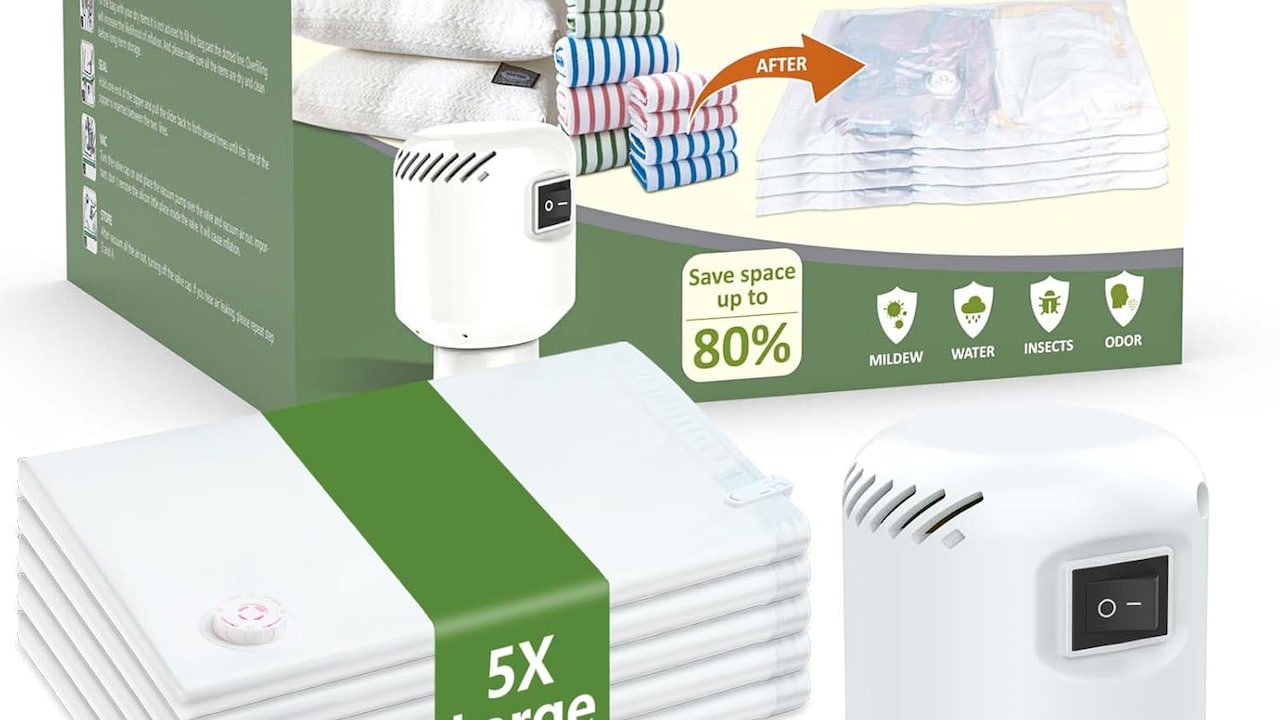
Are Vacuum Storage Bags or Plastic Bins the Best Choice for Saving Storage Space?
Photo Credit: Amazon
What Really Matters When Saving Space At Home
Understanding The Modern Storage Problem
Space has quietly become one of the most expensive commodities in contemporary cities. Property prices climb steadily, and every square foot carries value. A wardrobe no longer stores only clothes; it houses memories, seasonal necessities, and items saved “just in case”. Families often hesitate to discard belongings purchased for ₹5,000 or more, especially when sentimental value outweighs practicality.
Daily life adds layers to the challenge. Monsoon humidity threatens fabrics, dust sneaks into forgotten corners, and frequent shifting between rented homes encourages portable storage solutions. Traditional trunks once solved these issues, yet modern lifestyles demand flexibility and visibility.
Storage also connects deeply with emotional comfort. A cluttered room creates subtle stress, while organised spaces bring surprising calm after a long commute. People increasingly seek solutions that reduce visual chaos without demanding constant effort. Vacuum bags and plastic bins enter this scene as modern answers to an old dilemma: how to keep more while living with less space.
Understanding this broader context helps explain why the debate feels so personal. Storage choices influence convenience, cleanliness, and even mood. The right solution simplifies life; the wrong one turns into another household frustration.
How Vacuum Storage Bags Actually Work
Vacuum storage bags rely on a simple yet satisfying principle: remove air, reduce volume. Clothes, quilts, and soft furnishings go inside a sealed bag, and air exits through a valve using a vacuum cleaner or hand pump. Within minutes, bulky items shrink dramatically, often reducing size by up to three-quarters.
Watching a thick comforter compress into a flat rectangle feels oddly magical. Suddenly, an overflowing cupboard reveals unexpected space. For homes where wardrobes struggle to close properly, this transformation feels revolutionary.
However, the science behind compression carries consequences. Fabrics remain tightly pressed for long periods, which may affect delicate materials. Silk sarees, embroidered garments, or woollens sometimes lose shape if stored excessively long. Careful packing becomes essential.
Another factor involves sealing quality. A well-made bag protects contents effectively, but cheaper versions priced around ₹300 may leak air slowly, undoing the effort within weeks. Reliable brands cost closer to ₹900 or ₹1,200, which changes the value calculation.
Vacuum bags excel when used thoughtfully. They suit seasonal storage rather than daily access. Understanding this distinction prevents disappointment and helps households use them where they truly shine.
The Practical Appeal Of Plastic Storage Bins
Plastic bins represent familiarity and reliability. Transparent containers stacked neatly in corners create an immediate sense of order. Unlike vacuum bags, bins require no equipment, no pumping, and no careful sealing rituals. Open the lid, place items inside, close it, and the job finishes.
This simplicity explains their enduring popularity. Busy households appreciate solutions that demand minimal effort. Children's toys, festival decorations, books, and spare kitchenware fit comfortably inside bins without worrying about compression damage.
Durability stands as another advantage. A sturdy bin costing ₹700 to ₹1,500 often lasts years, surviving shifting homes, accidental drops, and curious pets. Many feature locking lids that protect against dust and insects, a major relief during humid seasons.
Yet bins consume physical space. They organise belongings but rarely reduce volume. A thick blanket occupies nearly the same amount of room whether folded neatly or casually placed inside. For homes already struggling with limited storage, this limitation matters.
Plastic bins, therefore, prioritise accessibility and protection rather than space reduction. They create structure rather than magic. For many households, that reliability outweighs the absence of dramatic transformation.
Space Saving Showdown: Compression Versus Structure
The central question revolves around space efficiency. Vacuum bags win dramatically in pure compression. Bulky bedding, winter jackets, and cushions shrink instantly, freeing shelves for everyday use. A bed box that once stored two quilts suddenly accommodates six.
Plastic bins approach the problem differently. They do not reduce volume but optimise arrangement. Stackable designs transform chaotic piles into vertical storage, making rooms appear cleaner even when total space usage remains unchanged.
The difference resembles packing for travel. Rolling clothes saves some room, but vacuum compression feels like upgrading luggage size without buying a new suitcase. However, compressed items often require unpacking and refluffing before use, which adds effort.
Structure versus compression becomes a lifestyle choice. Those who rotate belongings seasonally benefit more from vacuum bags. Those who access items frequently prefer bins for convenience.
Many households discover that expectations shape satisfaction. Buying vacuum bags, hoping for daily convenience, leads to frustration. Choosing bins expecting dramatic space savings causes disappointment. Matching the solution to the purpose ensures success rather than regret.
Climate Considerations And Long-Term Protection
Weather plays a surprisingly important role in storage decisions. Humidity poses constant challenges, especially during extended rainy seasons. Moisture trapped inside storage can lead to odours, mildew, or fabric damage.
Vacuum bags offer strong protection against external moisture when sealed correctly. Reduced air limits fungal growth, which helps preserve bedding and clothing. However, storing slightly damp items inside creates the opposite effect. Without airflow, trapped moisture worsens damage quickly.
Plastic bins allow a small amount of air circulation when opened regularly, which reduces the risk for frequently accessed belongings. Adding silica gel packets costing around ₹150 improves moisture control significantly.
Heat exposure also matters. Plastic bins placed near windows may warp slightly over time, while vacuum bags remain unaffected but vulnerable to punctures.
Choosing between the two often depends on storage location. Loft spaces, under-bed areas, or cupboards near kitchens require different strategies. Awareness of climate conditions ensures belongings survive not just months but years.
Ease Of Use In Everyday Life
Convenience often decides whether a storage solution succeeds or gathers dust. Vacuum bags demand preparation: folding items carefully, aligning seals, and using a vacuum cleaner. The process feels satisfying initially, yet may seem tedious during busy weeks.
Imagine needing an extra blanket for unexpected guests. Retrieving it from a vacuum bag involves reopening, waiting for air expansion, and repacking later. Plastic bins handle such moments effortlessly. Lift the lid, remove the item, and close it again.
Families with children often favour bins because accessibility encourages independence. A child searching for art supplies can manage a container more easily than a compressed bag tucked away tightly.
However, vacuum bags reduce visual clutter significantly. Wardrobes appear calmer, shelves breathe easier, and cleaning becomes simpler. The psychological benefit of open space sometimes outweighs minor inconvenience.
Daily habits ultimately shape preference. People who enjoy periodic organising sessions appreciate vacuum bags. Those who value quick access and flexibility lean naturally toward bins.
Cost Effectiveness Over Time
Price comparisons rarely remain straightforward. Vacuum bags appear economical at first glance, especially multi-pack deals priced around ₹800. Yet durability varies widely. Thin plastic tears easily, and faulty valves reduce lifespan.
High-quality vacuum bags cost more initially but offer better sealing and reuse potential. Even then, replacement every couple of years may become necessary depending on usage.
Plastic bins require higher upfront spending. A full storage setup might cost ₹4,000 or more. However, their longevity spreads the cost over many years, making them surprisingly economical in the long run.
Another hidden expense involves organisational habits. Vacuum bags encourage keeping more items because space suddenly expands. This psychological effect sometimes leads to unnecessary accumulation, quietly increasing spending on storage itself.
Bins, on the other hand, impose visible limits. When containers fill up, decluttering often follows naturally. This indirect benefit saves money and reduces clutter over time.
Financial value, therefore, depends not just on price but on behaviour. The best investment supports healthier storage habits rather than enabling endless accumulation.
Environmental Impact And Sustainability Concerns
Growing awareness of sustainability influences household decisions increasingly. Plastic storage solutions raise understandable concerns about environmental impact.
Vacuum bags use thin plastic films that eventually wear out. Frequent replacement contributes to waste if recycling options remain limited. Choosing thicker, reusable versions reduces environmental strain but increases cost.
Plastic bins also rely on synthetic materials, yet their durability offsets environmental impact somewhat. A sturdy bin used for ten years generates less waste than multiple disposable alternatives. Many manufacturers now produce recycled plastic versions, offering a slightly greener option.
Another sustainability factor involves consumption habits. Effective storage sometimes encourages keeping unused items indefinitely rather than donating or repurposing them. Thoughtful organisation should support mindful ownership, not endless accumulation.
Balancing practicality with responsibility matters. Reusing existing containers, repairing minor damage, and avoiding impulse purchases make a noticeable difference. Storage solutions should support sustainable living rather than contradict it.
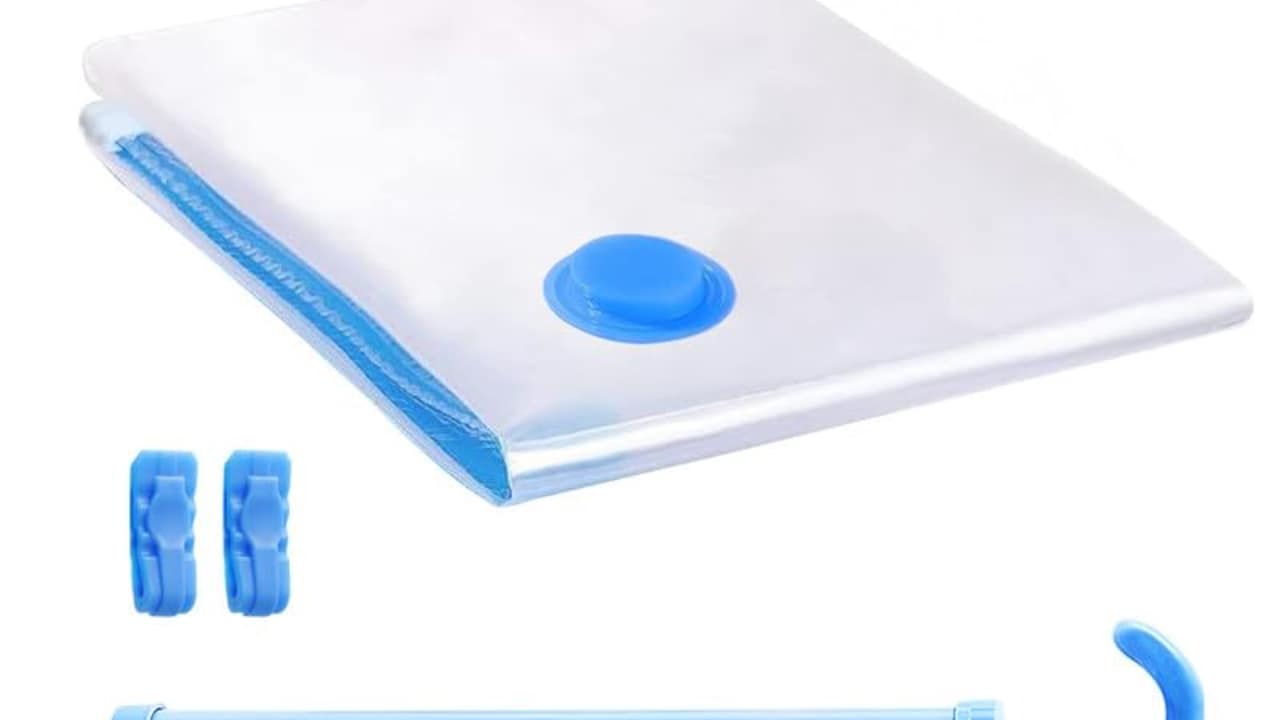
Are Vacuum Storage Bags or Plastic Bins the Best Choice for Saving Storage Space?
Photo Credit: Amazo
When A Combination Works Best
The debate often assumes a single winner, yet real homes rarely operate on absolutes. Combining vacuum bags and plastic bins frequently delivers the most effective solution.
Seasonal items such as heavy blankets compress neatly inside vacuum bags, which then fit perfectly into plastic bins for added protection. This layered approach shields belongings from moisture, dust, and accidental punctures while maximising space efficiency.
Wardrobes benefit from rotation systems. Off-season clothing stays compressed under beds, while everyday wear remains accessible inside bins or shelves. Festival décor, rarely used electronics, and sentimental keepsakes find secure homes in labelled containers.
This hybrid method mirrors practical problem-solving found in many households. Instead of choosing sides, adapting tools to specific needs creates harmony. Storage becomes flexible rather than restrictive.
Organisations rarely succeed through rigid rules. Experimentation reveals what works best for each lifestyle, room layout, and family routine. Sometimes the smartest solution lies not in choosing between options but in letting them complement one another.
Products Related To This Article
1. Homestrap Pack of 12 Vacuum Storage Bags with Pump
2. Storite 3 Pack Nylon 85 L Moisture Proof Multi-Purpose Storage Bag
3. Smart Saver 6 Pack Compression Storage Space Bags For Travel
4. NISUN 2 Pack Moisture Proof Big Nylon Transparent Underbed Storage Bag
5. amazon basics Vacuum Compression Storage Bags with Hand Pump
The question of whether vacuum storage bags or plastic bins provide the best space-saving solution does not produce a universal answer. Each option solves a different problem. Vacuum bags excel at reducing volume dramatically, offering relief for crowded wardrobes and seasonal storage challenges. Plastic bins deliver durability, accessibility, and dependable organisation that supports daily life.
Homes differ in layout, climate exposure, and lifestyle rhythms. A compact apartment filled with bulky bedding may benefit greatly from compression, while a busy family household may prioritise convenience and resilience. Budget considerations, environmental awareness, and storage habits further shape the decision.
Ultimately, effective storage reflects thoughtful living rather than clever products alone. Choosing solutions that align with routines, climate, and long-term needs transforms storage from a recurring headache into a quiet ally. Whether through neatly stacked bins, flattened vacuum packs, or a combination of both, the goal remains the same: create breathing room, reduce clutter, and make everyday spaces feel calmer and more welcoming.
A well-organised home does not require endless cupboards. Sometimes, it simply requires choosing the right way to store what already exists.
(Disclaimer: This article may include references to or features of products and services made available through affiliate marketing campaigns. NDTV Convergence Limited (“NDTV”) strives to maintain editorial independence while participating in such campaigns. NDTV does not assume responsibility for the performance or claims of any featured products or services.)







![Steam Iron Teflon Shoe Cover for ES-300,ST-96 [Only For ES-300 and ST-96 Model Electric Steam Irons]](https://m.media-amazon.com/images/I/51wwkttondL._SL160_.jpg)