What Are The Must-Have Kitchen Tools For Beginners?
Starting to cook at home? These kitchen tools cover everything a beginner needs to prepare, cook, and serve meals without any unnecessary expenditure.
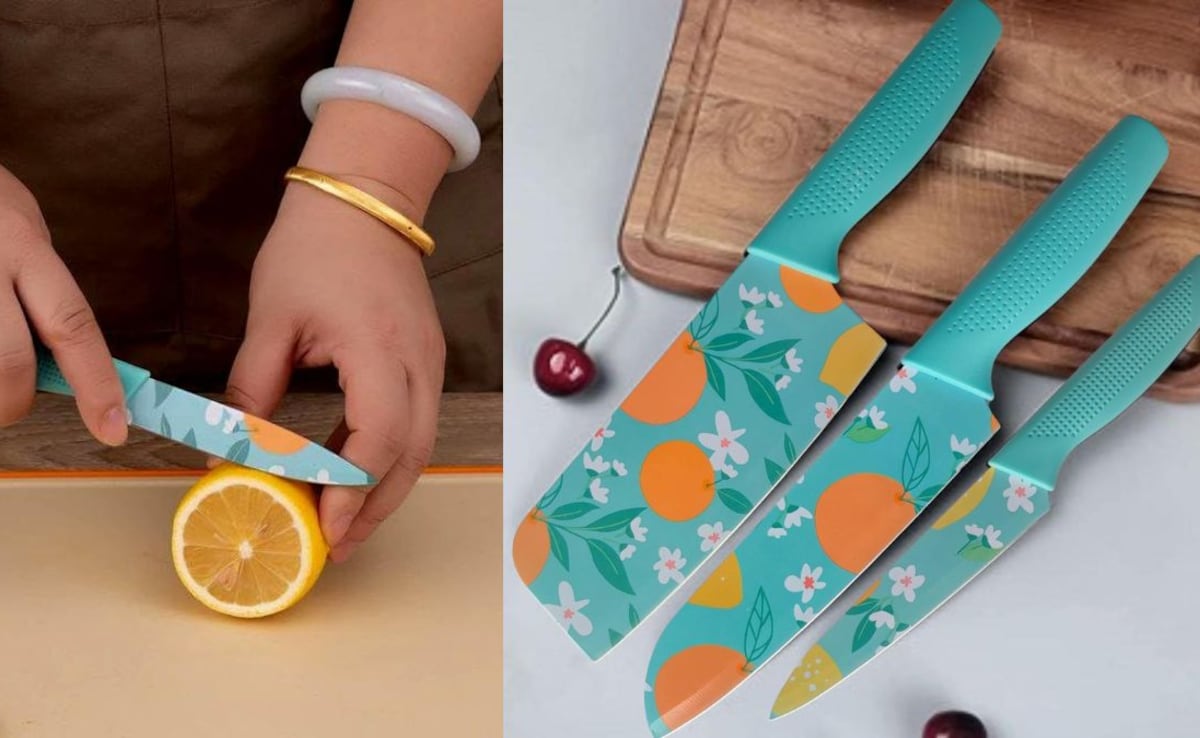
What Are The Must-Have Kitchen Tools For Beginners?
Beginning your culinary journey as a cook can be complex. However, whether you're alone in the city for work or simply experimenting with cooking, it's crucial not to overlook the essentials. There are rows of gadgets at every store and endless lists online that make it seem like you need a cabinet full of equipment to cook a basic meal. The truth is, you do not.
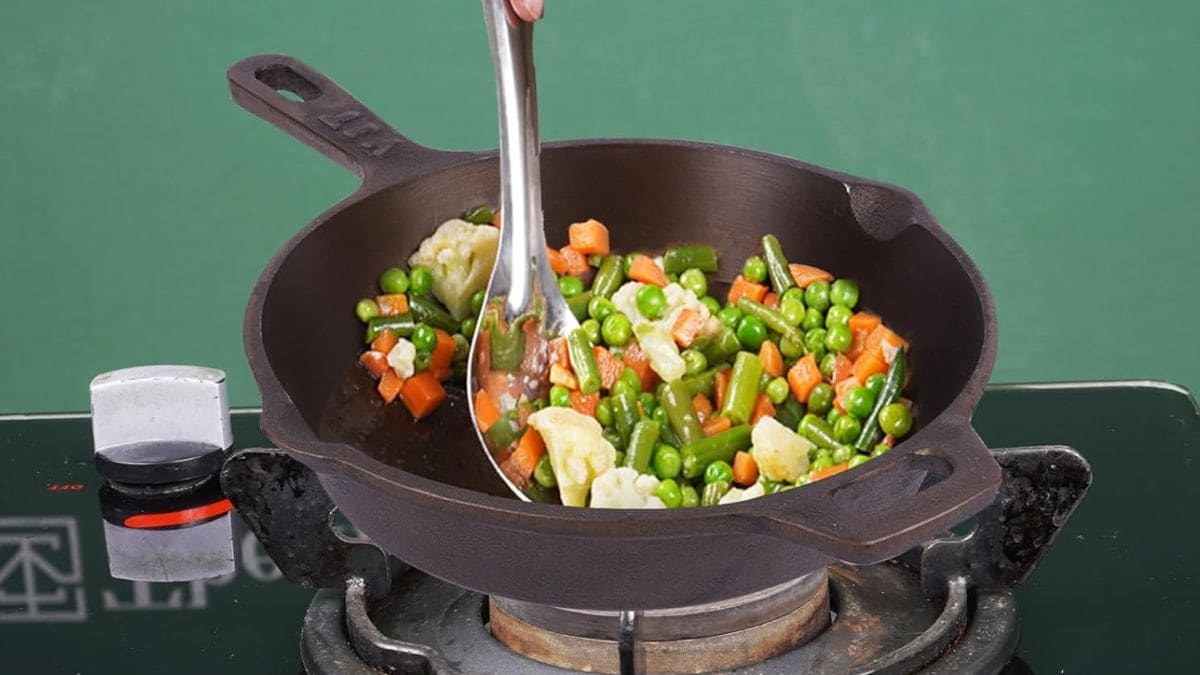
Start cooking at home with these must-have starter tools that avoid any unnecessary expenditure.
Photo Credit: Amazon
And someone who just started cooking needs a setup focused on versatility and safety rather than complex gadgets. A small set of kitchen tools for beginners gets you through most of what you will ever need to cook at home.
Know more about tools that help you with basic food preparation, cooking, and serving needs.
Also Read: Top 7 Smart Kitchen Tools In India You Actually Use Vs Those That Gather Dust
Why a Minimalist Kitchen Toolkit is Best for Beginners
When you walk into a kitchenware store for the first time, it is easy to come out with a spiraliser, an egg separator, an avocado slicer, and a gadget that does something you still cannot explain. None of that makes you a better cook. What it does is create clutter on your counter and confusion about where to begin. Single-use kitchen tools for beginners take up space and rarely earn it.
What actually builds cooking skill is repetition with reliable basics. A few high-quality multi-purpose tools let you practice real techniques without distraction.
What Should You Keep in Mind before Selecting Kitchen Tools?
Consider what core items cover when choosing kitchen tools for beginners online. For instance, you need items for chopping, slicing and even dicing across proteins, vegetables, and herbs.
You also need kitchen essentials for precise measuring for both dry and liquid ingredients. Frying, sautéing, and pan-cooking without sticking or burning is crucial. Thus, you need a decent pan for the purpose.
Next comes boiling, simmering, and reheating in one vessel. Lastly, flipping, mixing, tossing, and handling hot food should be carried forward safely. Get tools for this purpose as well.
What Food Preparation Tools Are Essential for Every Newbie Cook?
These seven items are the starting point for any new cook. Each of these items was selected for its versatility across various cooking styles, rather than being limited to a single dish or method.
1. An 8-Inch Chef's Knife
That's the single most-used tool in any kitchen. It handles slicing proteins, chopping onions, mincing garlic, and cutting through most vegetables without needing a second blade. A quality chef's knife replaces the need for three or four speciality knives when you are just starting.
A comfortable handle that is well in your grip, a full-tang blade that runs the full length of the handle for balance, and a stainless-steel edge holds sharpness through regular use.
2. A Solid Non-Slip Cutting Board
A stable cutting surface protects your countertops and keeps your knife from slipping mid-cut. Cooking with a board that slides around is both frustrating and genuinely unsafe.
Large plastic or wood composite boards that are easy to clean and gentle on blade edges. Glass boards look appealing, but dull knives should be avoided entirely.
3. Nesting Measuring Cups and Spoons
When you are still building cooking instincts, measuring takes the guesswork out of the process. Getting ingredient ratios right is what separates a well-balanced dish from one that falls flat.
Markings are easy to read and do not wear off quickly, and a stackable or nested design takes up minimal drawer space.
4, A 10-Inch Non-Stick Skillet
A non-stick skillet is the most-used pan in a beginner's kitchen. Eggs slide out cleanly, pancakes flip without tearing, and sautéed vegetables do not fuse to the surface. You also use far less oil, which makes cleanup much easier on days when you are exhausted after cooking.
A thick, heavy base holds and spreads heat evenly and a handle is securely riveted rather than screwed in, since screws loosen over time.
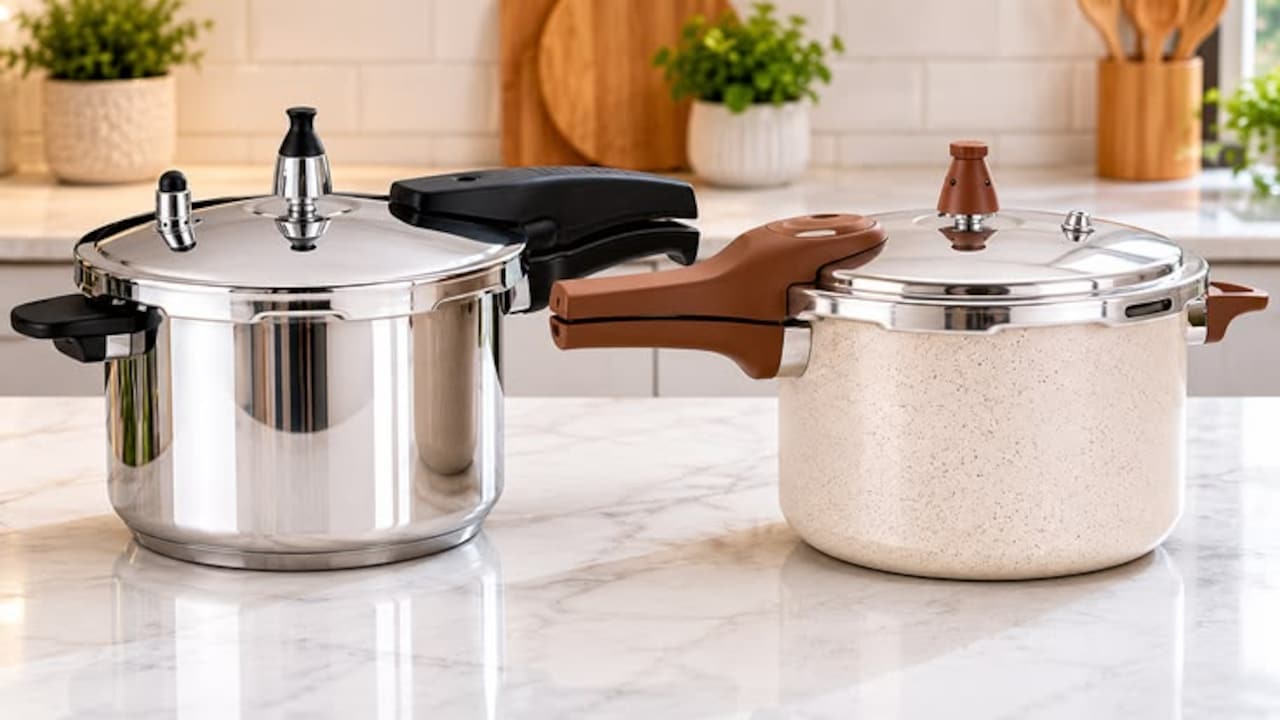
5. A 3-Quart Saucepan with a Tight-Fitting Lid
Pasta, rice, soups, sauces, and boiled vegetables all need a reliable saucepan. The 3-quart size is the most practical for everyday cooking. A tight-fitting lid is important because it speeds up boiling & retains heat while keeping moisture in during simmering.
Also, a glass lid lets you monitor what is happening inside without lifting it.
6. A Silicone or Wooden Spatula
Non-stick pans need non-scratch tools. A silicone spatula is flexible enough to slide under delicate foods and scrape down the sides of a pan without causing scratches. coating. Wooden spatulas work just as well for stirring and they are a solid & natural option.
One-piece silicone designs have no crevices where food can collect, or a smooth and sturdy bamboo spatula will not splinter with regular use.
7. Stainless Steel Locking Tongs
Tongs give you control and distance when working with hot surfaces. Flipping chicken in a skillet, lifting pasta out of boiling water, or tossing a salad all become significantly easier with a sturdy pair of tongs.
A locking mechanism is crucial for compact storage. Silicone-tipped ends grip food without scratching non-stick surfaces.
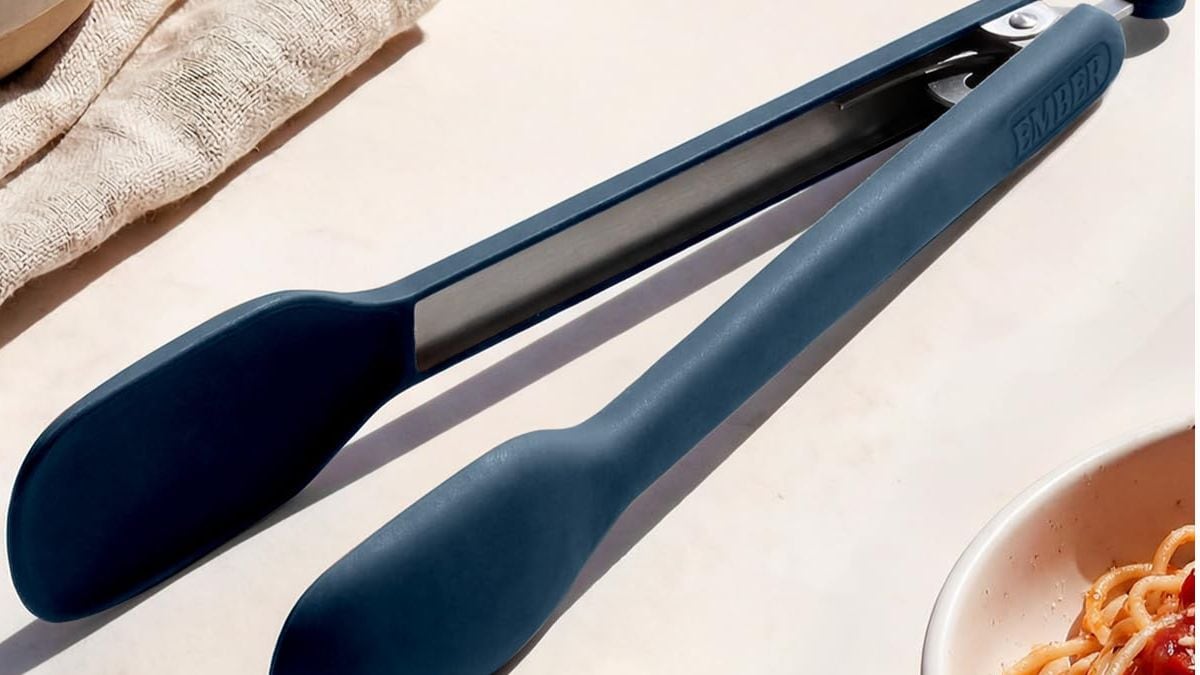
A beginner's guide to essential and budget-friendly kitchen tools for everyday home cooking prep.
Photo Credit: Amazon
What are Some Tips to Follow before Buying Kitchen Tools for Beginners?
Getting started in the kitchen does not require a large budget or a fully stocked pantry of gadgets. The above kitchen tools for beginners are genuinely enough to cook most meals well and build real confidence over time. Start with what you need, learn how each item works, and let your toolkit grow naturally as your cooking does. The skills you build with simple equipment will carry you much further than any appliance ever could.
A Few Kitchen Tools for Beginners
1. ECOBSY Colorful Floral Stainless Steel Kitchen Knife Set
2. Clazkit - YH547 Premium Silicone Non-Stick Heat Resistant Spatula
3. Cookware Silicone Kitchen Tongs
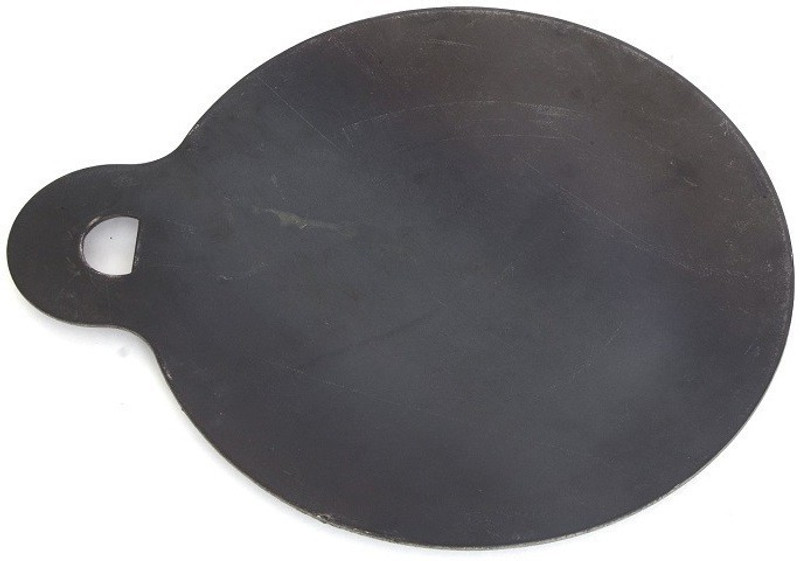
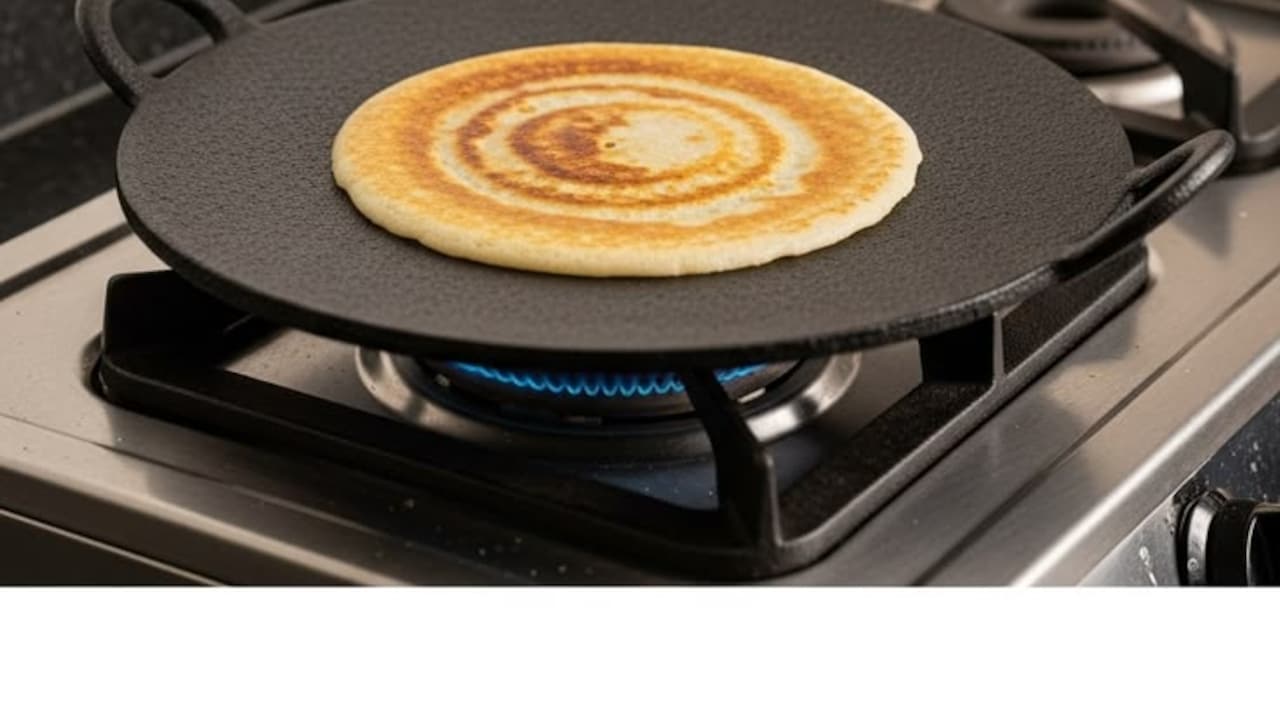
4. Indus Valley Super Smooth Cast Iron Skillet Fry Pan
5. Ceramic Non-Stick Kadai With Lid for Cooking
6. Hian Multi-Color Measuring Spoon Set for Kitchen
7. Stainless Steel Chopping Board for Kitchen
8. Knife Sharpener Tool
Frequently Asked Questions FAQs
1. Is it better to buy a complete kitchen set or individual pieces?
Buying individual pieces is almost always the better move for beginners. Complete sets often include kitchen tools you will rarely use and trade quality for quantity. Picking out seven specific items means you get things that actually perform well rather than a drawer full of filler.
2. Do beginners need electric appliances like food processors or blenders right away?
Not at all. Blenders and food processors are useful eventually, but they are not needed to cook everyday meals. A chef's knife handles most of what a food processor does for basic cooking. Starting without them keeps your setup simple and your skill-building focused.
3. How do I know when it is time to add more tools to my kitchen?
The best signal is repetition. If you find yourself cooking a particular dish regularly and running into a specific limitation, that is the time to add the right tool. Buy in response to a real need rather than in anticipation of one.
4. Can I use the same tools for all types of cooking?
These seven items cover a wide range of cuisines and techniques. Whether you are making Indian dal, stir-fried noodles, or a simple pasta, the same knife, skillet, and saucepan apply. As your cooking expands, you can gradually add category-specific kitchen tools for beginners.
5. What should I look for in terms of budget when buying these tools?
You do not need the most expensive options to get started. Focus on the chef's knife and skillet as the two items worth a modest investment since they affect results the most. The rest can be mid-range picks that hold up well with regular care.
(Disclaimer: This article may include references to or features of products and services made available through affiliate marketing campaigns. NDTV Convergence Limited (“NDTV”) strives to maintain editorial independence while participating in such campaigns. NDTV does not assume responsibility for the performance or claims of any featured products or services.)











![Steam Iron Teflon Shoe Cover for ES-300,ST-96 [Only For ES-300 and ST-96 Model Electric Steam Irons]](https://m.media-amazon.com/images/I/51wwkttondL._SL160_.jpg)