Why Does My Baby Get More Rashes In The Monsoon Season?
Wondering why your baby gets more rashes during monsoon? Learn how humidity, sweat and moisture trigger rashes and how to protect delicate baby skin safely.
What causes rashes in baby's skin during monsoon season
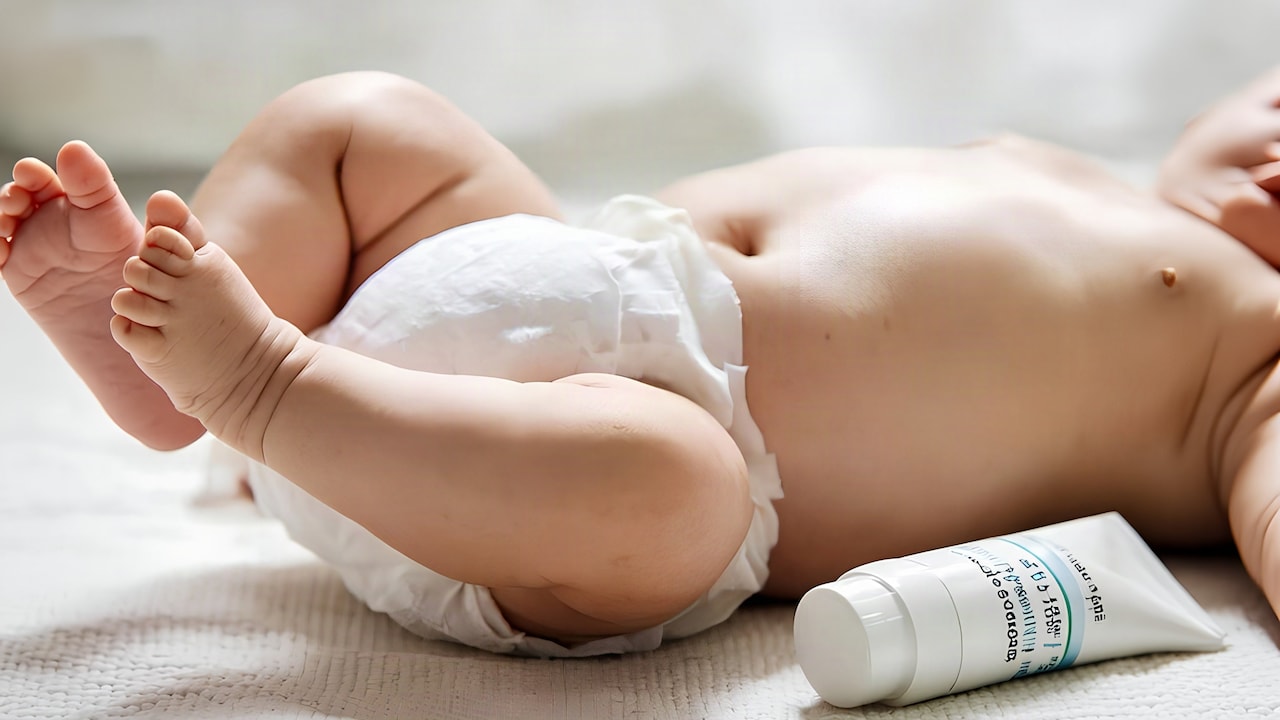
The monsoon brings cooler mornings, cloudy skies, and, honestly, a little breather from the summer heat. Still, for parents of babies, this season can also bring more redness, tiny bumps and skin that looks bothered, particularly around the neck, in the little folds and in the diaper area.
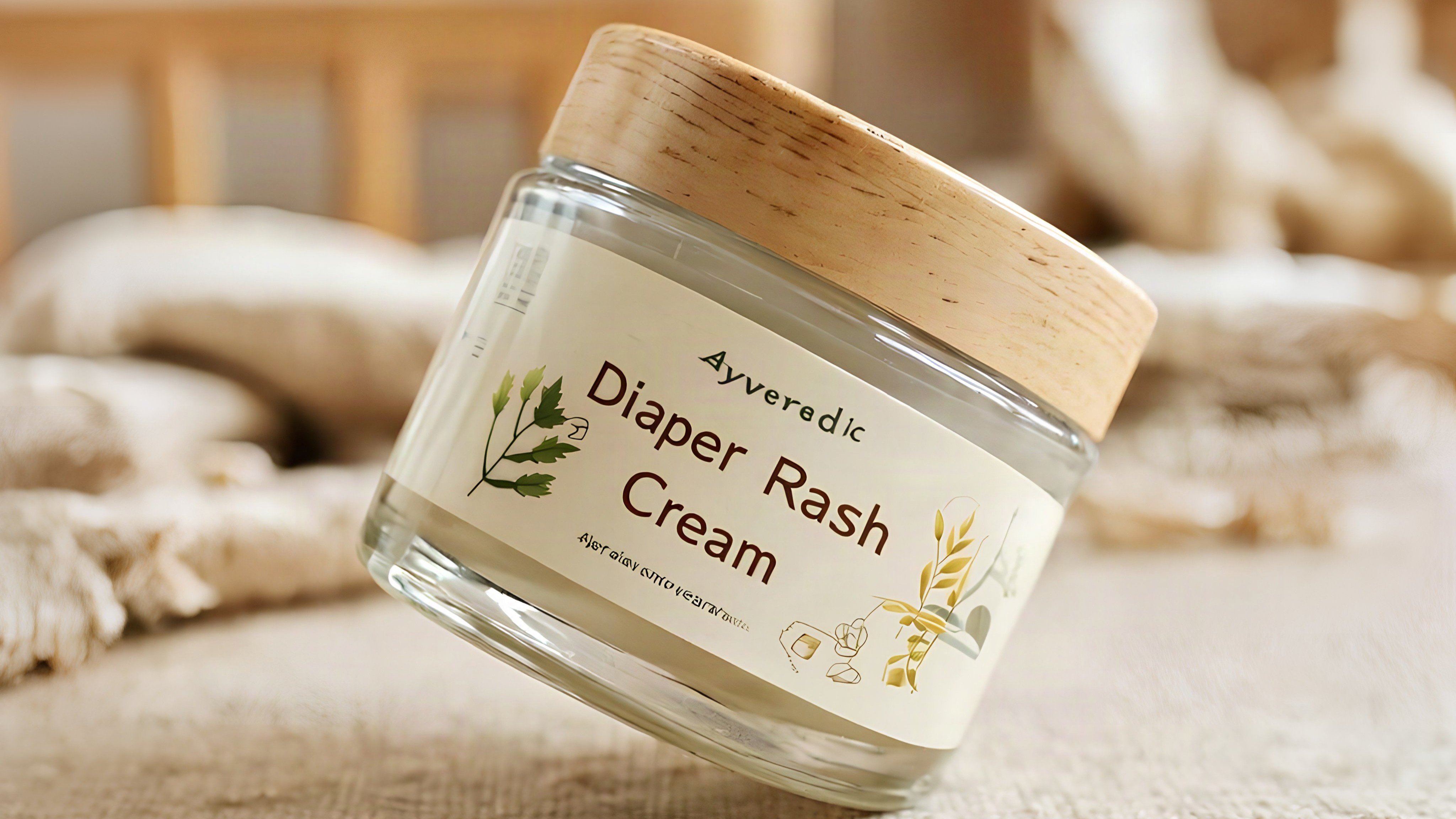
Why Does Monsoon Weather Trigger More Baby Rashes?
Photo Credit: iStock
So, why does your baby seem to get more rashes as the rains arrive? Humidity, trapped sweat, damp clothing and prolonged moisture can all make delicate skin more vulnerable. Here's what parents should know about monsoon rashes and the simple ways to care for a baby's skin.
Also Read: Top 5 Baby Skincare Products Every New Parents Must Keep Handy During Summers
Why Does Monsoon Weather Trigger More Baby Rashes?
The mix of warmth and humidity is one of the main reasons, really. Babies can get heat rash easier because their sweat glands are still sort of under construction and sweat can get stuck when the skin stays warm and kind of wrapped up. Then you might notice tiny red bumps or even small blisters, especially where skin folds together.
The diaper area can turn into a problem too. Moisture from sweat, urine and stools, plus the fact that there's limited airflow, can make the skin irritated, and that irritation may help bring on diaper rash.
Which Types Of Rashes Are Common During Monsoon?
Heat Rash
Heat rash, also called prickly heat or miliaria, often appears as tiny red bumps or small blisters. It commonly develops on the neck, chest, back, hairline and areas where skin rubs against skin or clothing.
Diaper Rash
The warm, moist environment inside a diaper can encourage irritation. A typical irritant diaper rash appears as red or inflamed skin in the diaper area, while a yeast-related rash may look bright red and can involve the skin folds.
Eczema Flare-Ups
Some babies have skin that's kind of sensitive or eczema-prone, so it reacts when temperature shifts, when they sweat, when fabrics rub, or even when skincare products get switched around. With eczema, it can show up as dry-looking, red, scaly or itchy patches and it might need a different sort of approach compared to heat rash.
What Makes Baby Skin More Vulnerable In Humid Weather?
A baby's skin is delicate and can react more easily to heat, sweat and irritants. During monsoon, clothes may stay damp for longer, sweat can collect in folds and diapers can remain moist against the skin.
Over-bundling can make things worse too. Tight clothing and a few extra layers can really slow down airflow, so it ends up feeling warmer, like heat gets trapped, and sweat stays right against the skin. In paediatric dermatology guidance they basically say to keep babies cool and to use lightweight, loose-fitting outfits when it's warm outside.
How Can You Reduce Monsoon Rashes?
Step 1: Keep Skin Folds Clean and Dry
Pay extra attention to the neck, armpits, thighs and other folds where sweat or drool can collect. Clean these areas gently and pat them dry instead of rubbing. Keeping moisture from sitting on the skin can help reduce irritation.
Step 2: Dress Your Baby In Lightweight Clothes
Pick clothes that feel soft and can breathe, and when it's warm, try not to stack up on extra layers, or at least keep them to a minimum. Loose cotton clothing tends to let more airflow move through, and that can reduce the chance that sweat gets stuck, against your skin, for too long.
Step 3: Change Damp Clothes Quickly
Monsoon humidity can make clothes take longer to dry, and damp fabric against delicate skin can contribute to irritation. Change your baby's clothes if they become sweaty or wet, and make sure freshly washed clothes are completely dry before use.
Step 4: Change Diapers Frequently
Try not to wait too long before you change a wet or soiled diaper. Frequent swaps cut down on how long urine and stool stay pressed against the skin, and if you let that diaper area dry properly, it can help reduce irritation even more.
Step 5: Give The Diaper Area Some Air
When practical and safe, allow your baby's skin to remain without a diaper for short periods. A little airflow can help keep the area dry. Also make sure the diaper isn't too tight, as friction can add to irritation.
Step 6: Choose Gentle Skincare Products
If your baby's skin is already irritated, it's best to skip unnecessary fragrances and those harsher cleansers, because they can make things worse. For little ones with sensitive or even eczema-prone skin, gentle products that are fragrance-free are usually the better option. Also, moisturising, like a soft, skin-soothing layer, can help the skin barrier keep up its job and stay stronger.
Step 7: Avoid Heavy Products On Heat Rash
A thick, greasy layer isn't always better during humid weather. In particular, heavy ointments can potentially block sweat glands further when a baby has heat rash. Keep the affected area cool and allow it to breathe instead.
Step 8: Know When To See A Doctor
A lot of mild irritation can potentially get better with simple skin care steps, though if the rash keeps coming back or gets worse, don't brush it off. Seek medical advice if the rash becomes painful, develops blisters, pus, crusting or open sores, or if your baby has a fever or seems less active or is feeding less.
When Is A Monsoon Rash More Than Just Heat Rash?
Not every red patch is caused by humidity. A rash that spreads, becomes very painful, develops blisters or oozes may have another cause, including infection. Similarly, a rash that doesn't improve after a few days of appropriate home care deserves a conversation with your baby's doctor.
Parents should also avoid diagnosing a persistent rash based only on its appearance. Heat rash, eczema, diaper rash and infections can sometimes look similar, so professional assessment is important when symptoms are unusual or worsening.
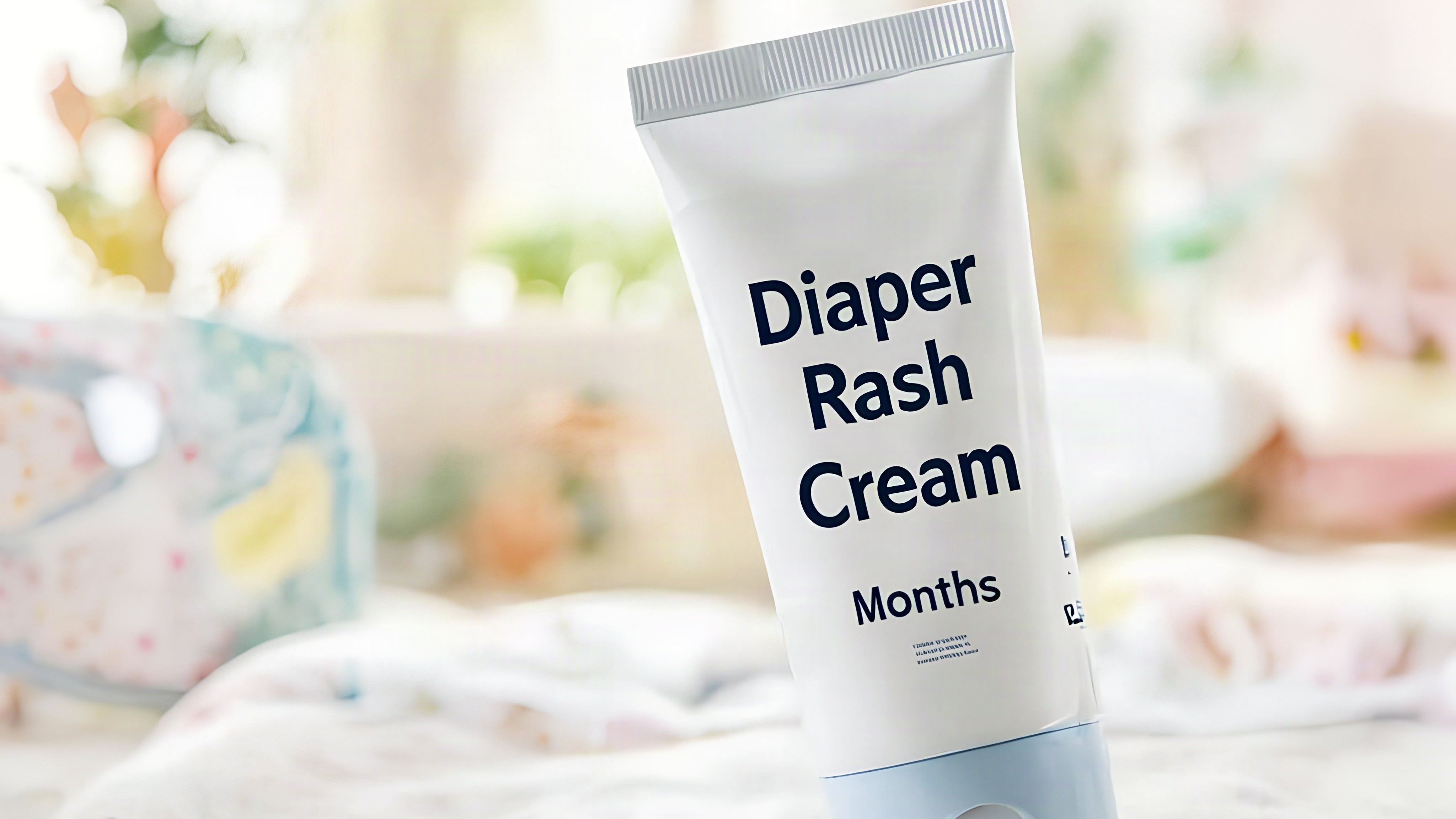
Which Types Of Rashes Are Common During Monsoon?
Photo Credit: iStock
Some Baby Skincare Products You May Like
1. Cetaphil Baby Diaper Rash Cream
2. Sebamed Baby Rash Cream
3. B4 Nappi Diaper Rash Prevention Cream
4. Nat Habit Diaper Rash Cream
5. LuvLap Baby Diaper Rash Cream
6. Chicco Baby Moments Diaper Rash Cream
7. EQUALSTWO by Zydus Baby Diaper Rash Cream
8. Baby Organo Diaper Rash Cream
Frequently Asked Questions (FAQs)
1. Why does my baby get heat rash during monsoon?
When it's really humid and the temperatures are warm, sweat can get trapped under the skin and not be able to get out. For babies this tends to happen more, since their sweat glands are still developing.
2. Where does heat rash usually appear on a baby?
It commonly appears around the neck, chest, back, hairline and skin folds, although it can occur elsewhere on the body.
3. How can I prevent diaper rash during monsoon?
Change wet or soiled diapers frequently, clean the area gently, pat it dry and avoid overly tight diapers. Giving the diaper area short periods of airflow can also help.
4. Should I use baby powder for monsoon rashes?
It's better not to rely on powders for preventing or treating rashes. Some powders can become airborne and babies may inhale them, while the more important steps are keeping the skin clean, dry and cool.
5. When should I take my baby to a doctor for a rash?
Get medical advice if the rash is worsening, doesn't improve with basic care, becomes painful, develops blisters, pus, crusting or open sores, or occurs along with fever or changes in feeding or activity.
(Disclaimer: This article may include references to or features of products and services made available through affiliate marketing campaigns. NDTV Convergence Limited (“NDTV”) strives to maintain editorial independence while participating in such campaigns. NDTV does not assume responsibility for the performance or claims of any featured products or services.)










![Steam Iron Teflon Shoe Cover for ES-300,ST-96 [Only For ES-300 and ST-96 Model Electric Steam Irons]](https://m.media-amazon.com/images/I/51wwkttondL._SL160_.jpg)