Why Bath Mats Smell Musty Even After Daily Drying And 10 Easy Fixing Tips
Bath mats often smell musty despite daily drying due to trapped moisture, bacteria, and humidity. This article explains the real causes and shares 10 simple, effective fixes to keep bathroom mats fresh and odour-free.
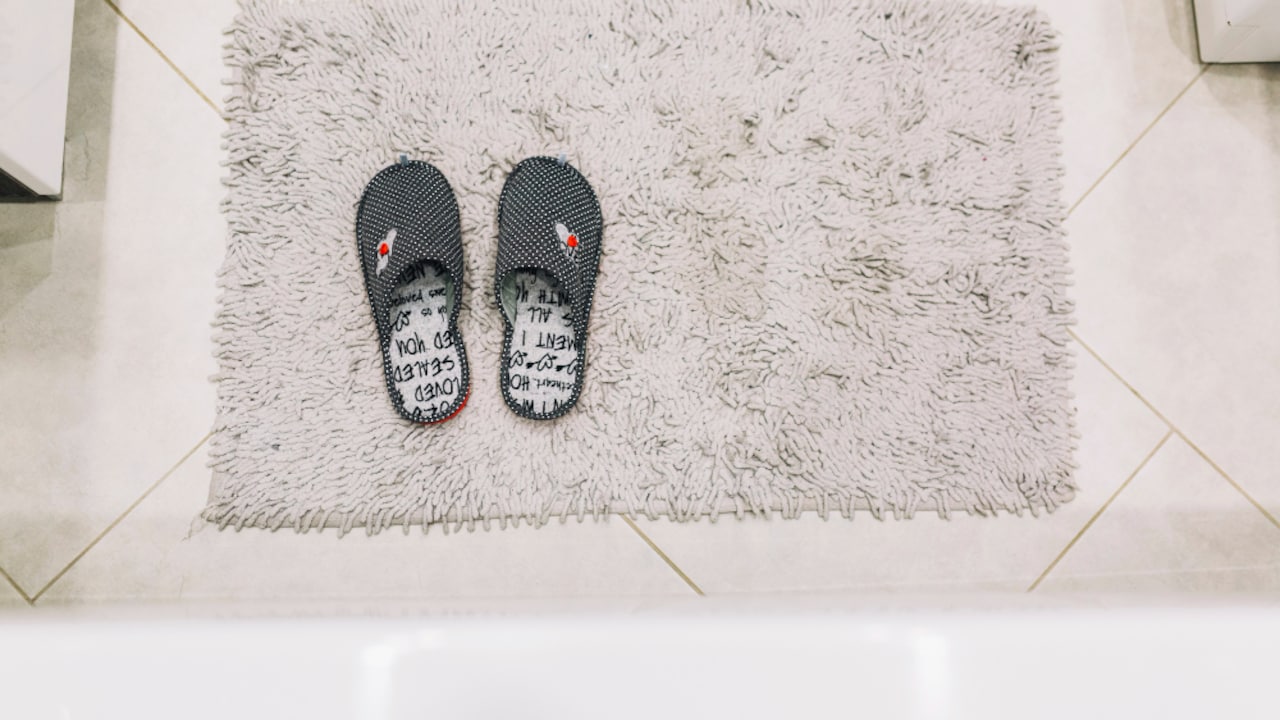
Avoid these common mistakes to prevent your bathroom mats from smelling musty.
A warm shower after a long day offers comfort. The bathroom fills with steam, stress fades, and calm settles in, until stepping onto a bath mat that smells like yesterday's rain-soaked slippers. The mat hangs neatly after every use, yet the musty smell refuses to leave. Many households face this quiet annoyance and accept it as unavoidable.
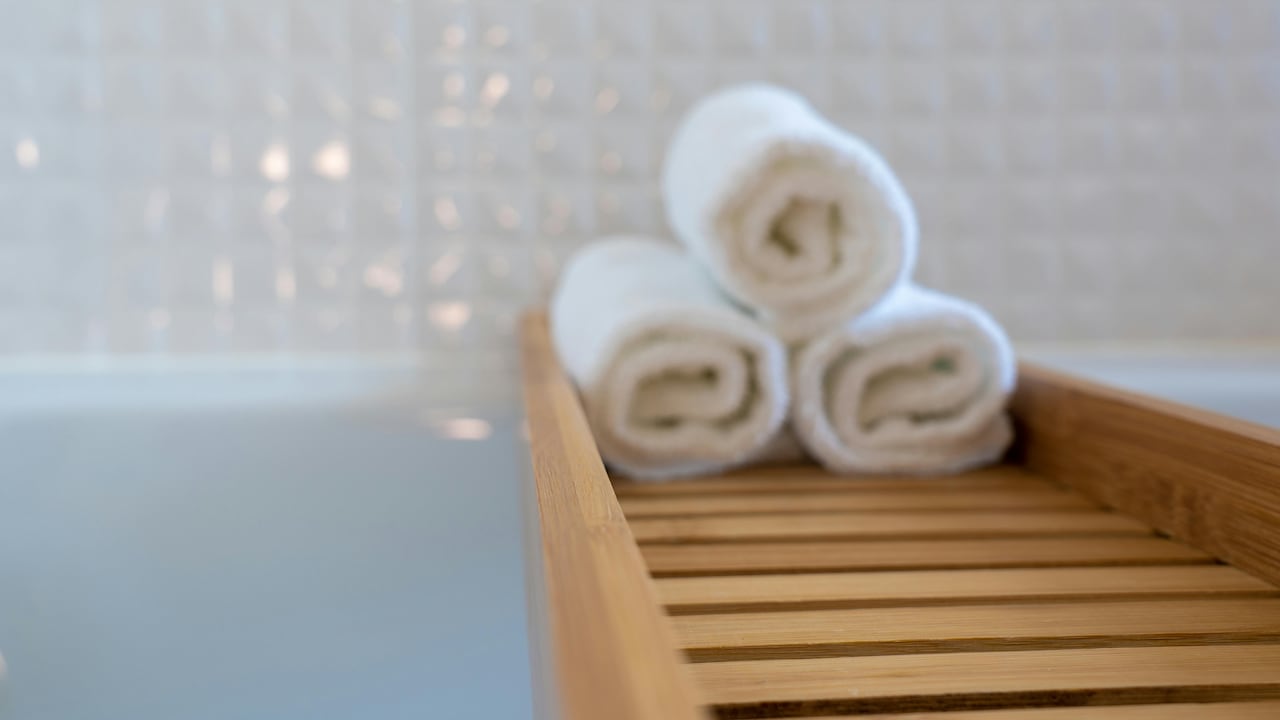
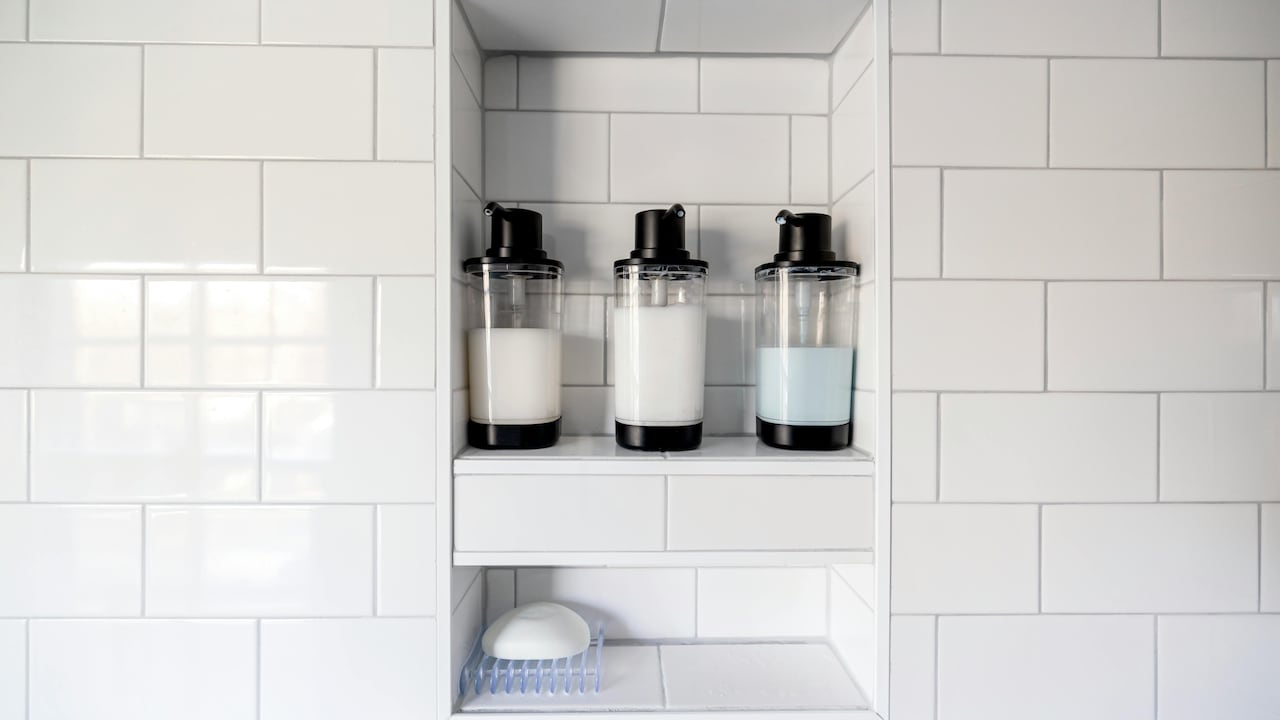
Here are 10 common reasons that might be making your bath mat smell even after drying; Photo Credit: Pexels
The truth feels far less dramatic. Bath mats smell because moisture behaves like an uninvited guest. It hides in fibres, settles in corners, and invites bacteria and mould to move in rent-free. Humid weather, compact bathrooms, and daily routines add fuel to the problem.
The good news? Fixing it does not require expensive gadgets or harsh chemicals. A few mindful changes can bring back that clean, fresh bathroom feeling. Below are ten practical reasons why bath mats smell musty even after daily drying, along with easy fixes that suit everyday homes and busy schedules.
Also Read: Stop Bathroom Slips: Must-Have Anti-Slip Rugs For Every Home's Safety And Style
What Is Really Causing That Damp Smell: Plus Simple Ways to Fix It
1. Hidden Moisture Deep Inside the Fibres
Bath mats dry on the surface but stay damp within. Thick cotton or memory foam mats absorb water quickly and release it slowly. The top feels dry, yet moisture clings to the core. That trapped dampness creates the perfect playground for bacteria, which causes the musty smell.
Many bathrooms lack proper air circulation, especially in flats where windows stay small or sealed. Hanging the mat over a rod dries only one side. The rest stays folded, compressed, and wet.
Fix: After use, drape the mat fully open over a balcony railing, chair, or clothes stand. Rotate sides daily. Once a week, place it under direct sunlight for a few hours. Sunlight works like nature's disinfectant and costs nothing. For bathrooms without sunlight access, use a pedestal fan for 30 minutes. The smell reduces noticeably within days.
2. Daily Drying Isn't the Same as Proper Washing
Drying removes surface moisture, not bacteria. Over time, soap residue, dead skin, and dust settle into the mat. These particles feed microbes, even when the mat looks clean. Many people delay washing bath mats, treating them like towels that “still seem fine”.
Warm, humid weather worsens this habit. Moisture plus residue equals persistent odour. The smell often returns within hours of use.
Fix: Wash bath mats at least once a week. Use hot water if the fabric allows. Add half a cup of white vinegar during the rinse cycle. Vinegar neutralises odours without leaving a sharp smell. For handwashing, soak the mat for 30 minutes in warm water with baking soda. Rinse thoroughly and dry under sunlight. Clean mats smell fresh because bacteria lose their hiding place.
3. Bathroom Humidity Never Really Leaves
Bathrooms trap moisture like pressure cookers trap steam. Even after wiping surfaces, humidity lingers in the air. That damp environment settles back into the mat, especially when stored inside the bathroom.
Small bathrooms suffer the most. Showers, buckets of water, and closed doors create constant dampness. The mat absorbs this invisible moisture all day.
Fix: Improve airflow. Keep the bathroom door open for at least 30 minutes after bathing. Use an exhaust fan if available. If not, open a nearby window or switch on a table fan outside the bathroom to pull air out. Avoid storing mats inside damp bathrooms. Hanging them in a dry hallway or bedroom corner makes a surprising difference.
4. The Wrong Mat Material Causes Trouble
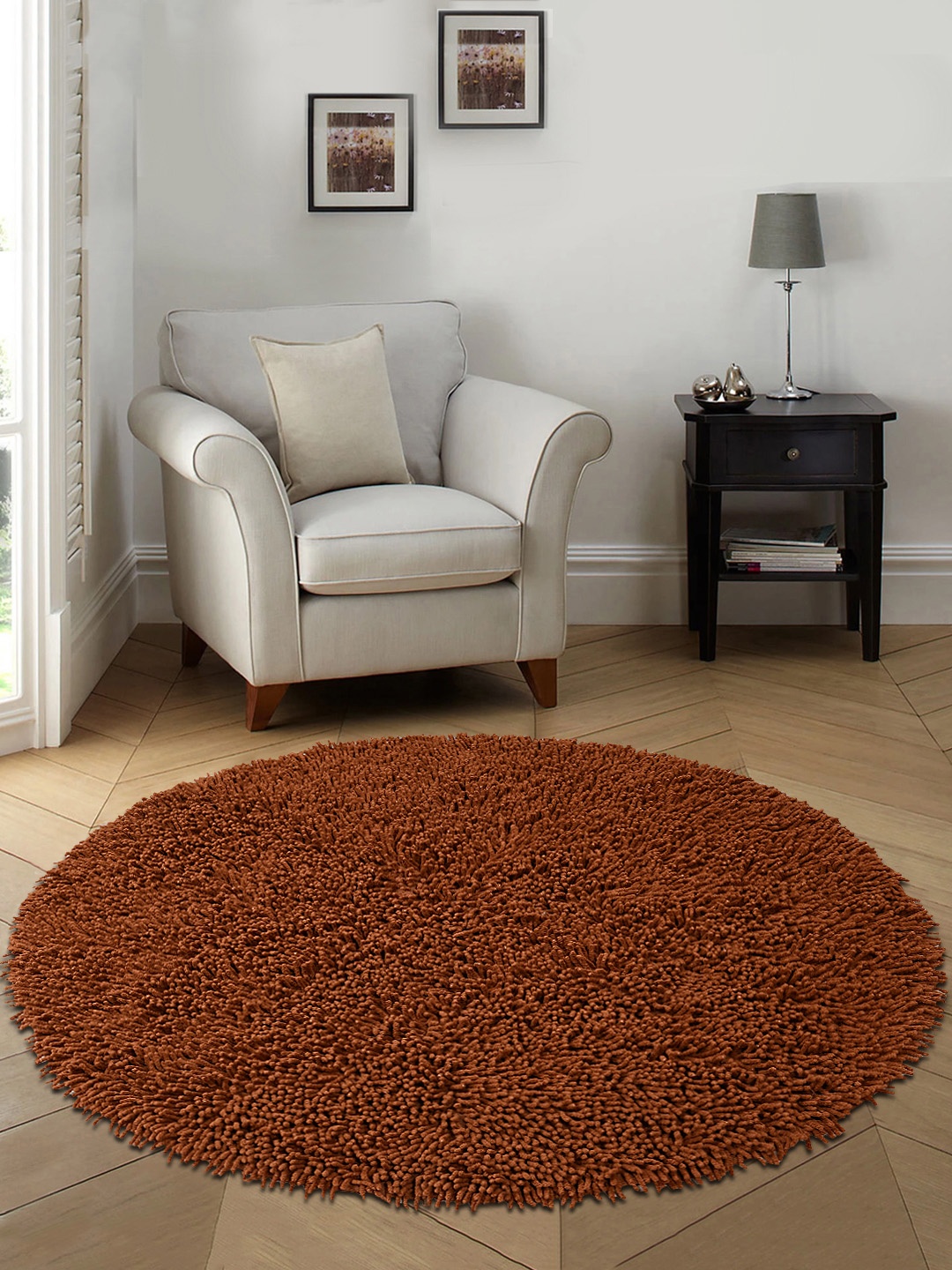
Not all bath mats suit all homes. Plush mats feel luxurious but trap water easily. Rubber-backed mats hold moisture between layers. Memory foam mats absorb deeply and dry slowly, especially during monsoon months.
Choosing comfort over practicality often leads to lingering smells.
Fix: Switch to quick-dry materials. Thin cotton mats, bamboo mats, or microfiber options dry faster and resist odours. They cost around ₹400–₹800 and last longer with less maintenance. Avoid rubber backing in humid climates. If comfort matters, use two mats and rotate them daily. One dries fully while the other stays in use.
5. Detergent Build-Up Makes Smells Worse
Using too much detergent feels logical. More soap should mean more cleanliness. In reality, excess detergent clings to fibres and traps dirt. Over time, this residue smells stale, especially when mixed with moisture.
Fabric softeners worsen the issue. They coat fibres with a waxy layer that locks in odour-causing bacteria.
Fix: Use less detergent than recommended. Skip fabric softener completely for bath mats. Add baking soda to the wash cycle instead. It softens fibres naturally and removes odours. Once a month, run a wash cycle with hot water and vinegar to clear detergent build-up. Clean fibres breathe better and smell fresher.
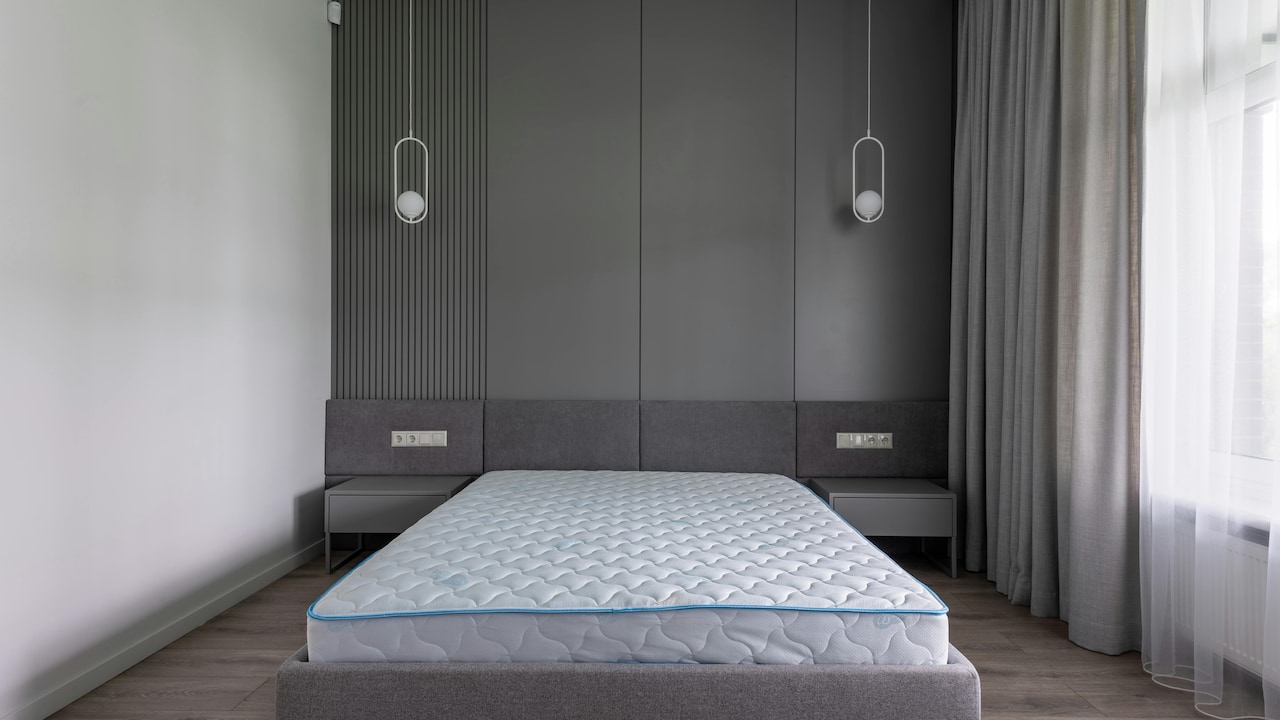
Using too much detergent can trap dirt and lead to a musty smell; Photo Credit: Unsplash
6. Storing the Mat While Slightly Damp
Life moves fast. Sometimes the mat gets folded or placed back on the floor while still damp. Even slight moisture trapped overnight turns into a musty smell by morning.
Cupboards and hooks inside bathrooms worsen this habit. Damp spaces never forgive moisture.
Fix: Never store a mat unless it feels completely dry. If unsure, leave it out longer. Touch the underside and inner folds. If even one area feels cool or damp, drying needs more time. Develop a routine: mat dries fully before sunset or before bedtime. Consistency prevents odour from forming in the first place.
7. Hard Water Residue Feeds Odour
Water with high mineral content leaves deposits on fabrics. These minerals trap moisture and encourage bacterial growth. Over time, mats feel stiff and smell unpleasant, even after washing.
This issue often goes unnoticed because the mat still looks clean.
Fix: Add vinegar to every alternate wash. Vinegar breaks down mineral deposits and softens fibres. For stubborn smells, soak the mat overnight in warm water with vinegar and baking soda. Rinse thoroughly. The mat feels lighter, softer, and noticeably fresher after treatment.
8. Sharing Mats Between Multiple Users
Multiple people using the same mat means more moisture, more skin cells, and more bacteria. Morning rush hours turn the mat into a damp sponge that never fully dries between uses.
Families often underestimate this impact.
Fix: Use separate mats for heavy-use times. One mat for morning showers, another for evening use. Rotate daily. For shared bathrooms, choose thinner mats that dry faster. The cost of an extra mat feels minor compared to the relief of a fresh-smelling bathroom.
9. Ignoring the Floor Beneath the Mat
Moisture collects under the mat, especially on tiled floors. That damp patch transfers smell back into the mat, even after drying.
Cleaning the mat but ignoring the floor defeats the effort.
Fix: Wipe the floor daily where the mat sits. Once a week, mop with a vinegar-water solution. Let the floor dry fully before placing the mat back. A clean surface keeps the mat cleaner for longer and prevents hidden odour transfer.
10. Old Mats Sometimes Just Need Retirement
Even with perfect care, bath mats do not last forever. Fibres break down, odours settle deep, and bacteria refuse to leave. Washing helps less each time.
Holding on to an old mat out of habit or nostalgia invites frustration.
Fix: Replace mats every 12–18 months, depending on use. Budget-friendly options start around ₹300 and improve hygiene instantly. A new mat feels lighter, dries faster, and smells fresh without effort. Sometimes, letting go solves the problem faster than fixing it.
Products Related To This Article
1. Saral Home Gia Green Striped Non Slip Thick Fluffy Soft Microfiber 2000GSM Bath Rug
2. Deoxys Set Of 2 110GSM Kitchen Rugs Set
3. H&M Beige Pure Cotton Terry Bath Mat
4. LUXEHOME INTERNATIONAL Brugundy Solid 2200 GSM Anti-Skid Bath Rug
5. BIANCA Luxor Brown 2000 GSM Memory Foam Anti-Slip Bath Mat
6. Fabindia Off White Textured 1450 GSM Anti Skid Bath Rugs
7. Living scapes by Pantaloons Orange & Blue Striped Cotton 1800 GSM Bath Rug
A musty-smelling bath mat feels like a small problem, yet it quietly affects daily comfort. That damp odour signals trapped moisture, hidden bacteria, and habits that need gentle correction. Daily drying alone cannot solve the issue, but thoughtful care can.
Simple changes, better airflow, regular washing, smart material choices, and proper drying, restore freshness without stress. Bathrooms feel cleaner, mornings feel lighter, and that quiet annoyance finally disappears.
A fresh bath mat does more than dry feet. It sets the tone for the day. Clean habits keep it that way.
(Disclaimer: This article may include references to or features of products and services made available through affiliate marketing campaigns. NDTV Convergence Limited (“NDTV”) strives to maintain editorial independence while participating in such campaigns. NDTV does not assume responsibility for the performance or claims of any featured products or services.)