Why Memory Foam Pillows Feel Too Hard: Density Versus Comfort For Better Sleep
Memory foam pillows often feel too hard due to high density and temperature sensitivity. Understanding this balance helps in choosing a pillow that offers both support and real comfort for better sleep.
Why Memory Foam Pillows Feel Hard: Density Vs Comfort For Better Sleep
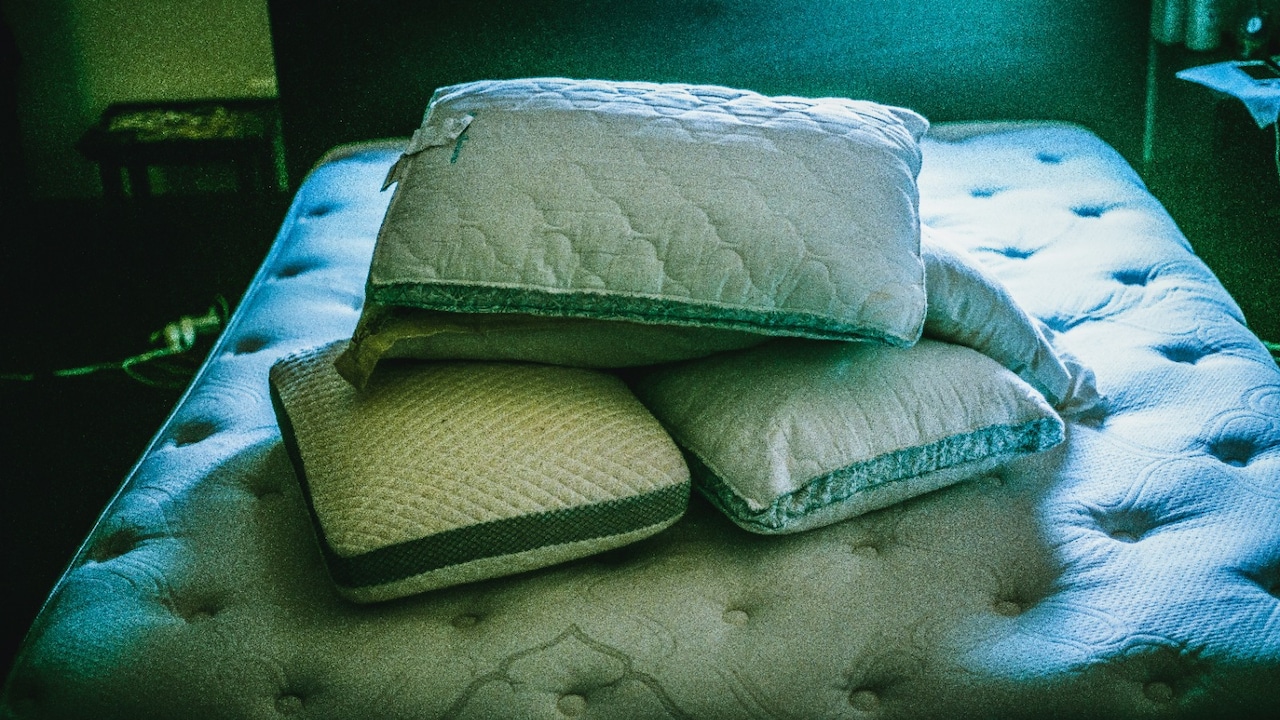
There's something oddly disappointing about settling into bed after a long day, only to find the pillow feels like a stubborn brick. Memory foam pillows, often marketed as the ultimate sleep upgrade, can surprise many users with their firmness. The promise of plush comfort clashes with reality, leaving sleepers shifting, fluffing, and occasionally sighing into the night.
Yet, the story behind this firmness isn't a flaw. It's a feature, one that works brilliantly when understood correctly. Memory foam responds differently from traditional cotton or feather pillows. It moulds, adapts, and supports, but it does so on its own terms.
Understanding why memory foam pillows feel too hard involves looking beyond the surface. Density, temperature sensitivity, and even sleeping habits play a role. Once these factors become clear, choosing the right pillow becomes far less confusing and far more rewarding.
Why Memory Foam Pillows Feel Hard: Density Vs Comfort For Better Sleep; Photo Credit: Pexels
Understanding Why Memory Foam Pillows Feel Too Hard
The Science Behind Memory Foam Firmness
Memory foam doesn't behave like regular pillow filling. Instead of immediate softness, it reacts to pressure and heat. This delayed response often gives the impression of hardness at first touch. The material was originally designed for support, not instant plushness, which explains why it feels firm initially.
The foam softens gradually as it absorbs body heat. This process can take a few minutes, and during that time, it may feel rigid. Many users mistake this temporary firmness for discomfort, especially if they expect a sink-in sensation straight away.
In homes where evenings are cooler, the effect becomes even more noticeable. A pillow left in an air-conditioned room may feel significantly harder than expected. Over time, as it warms up, it begins to contour more comfortably.
Understanding this behaviour changes expectations. Instead of judging the pillow in the first few seconds, giving it time reveals its true comfort level.
Density Versus Softness: The Core Confusion
Density often gets confused with softness, but the two are not the same. A high-density memory foam pillow contains more material per cubic foot, making it durable and supportive. However, that same density can also make it feel firmer.
Lower-density foam, on the other hand, feels softer initially but may lack long-term support. It can flatten more quickly, especially under daily use. This trade-off creates a dilemma: immediate comfort versus lasting structure.
Many buyers focus on softness when shopping, overlooking density altogether. This leads to disappointment when the pillow doesn't match expectations. A ₹2,000 pillow may feel softer but lose shape within months, while a ₹4,000 high-density option may feel firm yet maintain support for years.
The trick lies in balancing density with personal comfort preference. A pillow should support the neck without feeling like a solid block.
Also Read: 5 Best Orthopaedic Memory Foam Pillows That Help Fix Morning Neck Pain for Good
Temperature Sensitivity Changes Everything
Memory foam reacts strongly to temperature, which plays a major role in how it feels. In warmer climates, the foam softens quickly, often feeling plush and adaptive. In cooler environments, it stiffens, leading to that familiar “too hard” complaint.
Air conditioning, which many households rely on, can make memory foam feel firmer than expected. A pillow placed under a fan or in a chilled room takes longer to warm up, delaying the softening effect.
This temperature sensitivity explains why the same pillow feels perfect one night and uncomfortable the next. It's not inconsistency, it's science at work.
Some newer pillows include gel layers or ventilation to reduce this effect. These features help regulate temperature and maintain a more consistent feel. Choosing such options can make a noticeable difference, especially during seasonal changes.
The Break-In Period Nobody Talks About
Unlike traditional pillows, memory foam needs time to settle. A brand-new pillow often feels firmer because the material hasn't been compressed or warmed repeatedly. This “break-in” period can last a few days to a couple of weeks.
During this time, the foam gradually becomes more responsive. It adjusts to body pressure and begins to contour more naturally. Many users give up too soon, assuming the firmness will never change.
Patience plays a key role here. Using the pillow consistently helps it adapt faster. Gentle pressure and regular use encourage the foam to loosen slightly, improving comfort.
It's similar to breaking in a new pair of shoes. At first, they may feel stiff, but with time, they become a perfect fit.
Sleeping Position Matters More Than Expected
Not every pillow suits every sleeper. Memory foam pillows often feel too hard when they don't match sleeping positions. A side sleeper needs more support to keep the spine aligned, while a back sleeper requires moderate contouring.
A firm pillow may feel uncomfortable for someone who sleeps on their stomach. In such cases, the neck may tilt awkwardly, leading to stiffness or discomfort. The pillow itself isn't the problem; the mismatch is.
Choosing the right loft and firmness based on sleeping habits can transform the experience. A pillow that feels too hard in one position may feel perfectly supportive in another.
Understanding personal sleep style removes much of the frustration associated with memory foam.
Why Memory Foam Pillows Feel Hard: Density Vs Comfort For Better Sleep; Photo Credit: Pexels
Thickness And Loft Influence Perception
A pillow's height, often called loft, significantly affects how firm it feels. A thicker pillow naturally feels more solid because it resists compression. Even soft foam can feel firm if the loft is too high.
Many users unknowingly choose pillows that are too thick for their body type. This leads to unnecessary pressure on the neck and shoulders, creating the illusion of hardness.
A thinner pillow may feel softer simply because it compresses more easily. The key lies in selecting a loft that aligns with shoulder width and sleeping posture.
Trying different heights can reveal surprising differences. Sometimes, comfort improves not by changing the material but by adjusting the thickness.
Quality Variations Across Brands
Not all memory foam is created equal. Some brands use higher-quality foam that balances density and softness effectively. Others may cut costs, resulting in overly firm or poorly responsive pillows.
Price often reflects quality, but not always. A ₹3,500 pillow from a reputable brand may offer better comfort than a ₹5,000 option with inferior foam. Reading reviews and understanding material specifications helps avoid disappointment.
Poor-quality foam may remain hard even after extended use. It may also lack proper ventilation, making it less adaptable. Investing in a well-reviewed product often pays off in long-term comfort.
A little research before buying can prevent restless nights later.
Expectations Versus Reality
Marketing often paints memory foam as ultra-soft and luxurious. This creates unrealistic expectations. When the pillow feels firm, it seems like a flaw rather than a design feature.
In reality, memory foam prioritises support over immediate softness. It cradles the head and maintains alignment, which may feel different from traditional pillows.
Adjusting expectations can improve satisfaction. Instead of seeking instant softness, focusing on long-term comfort changes the perspective. A pillow that supports well may not feel soft at first, but it can reduce neck pain and improve sleep quality.
Sometimes, comfort isn't about sinking in, it's about being held in the right position.

Why Memory Foam Pillows Feel Hard: Density Vs Comfort For Better Sleep; Photo Credit: Pexels
The Role Of Pillow Covers And Accessories
Even small details like pillow covers can influence how firm a memory foam pillow feels. Thick or tightly fitted covers restrict the foam's ability to expand and contour. This makes the pillow feel harder than it actually is.
Using breathable, stretchable covers allows the foam to respond more freely. This simple change can enhance comfort significantly. Many users overlook this factor, focusing only on the pillow itself.
Additionally, mattress firmness plays a role. A very firm mattress combined with a firm pillow can create an overly rigid sleep surface. Balancing both elements improves overall comfort.
Sometimes, the solution lies not in replacing the pillow but in adjusting its surroundings.
Finding The Right Balance For Better Sleep
Comfort is deeply personal. What feels too hard for one person may feel perfectly supportive for another. The key lies in understanding individual needs and preferences.
Testing different densities, lofts, and materials helps identify the ideal combination. Some may prefer medium-density foam for a balance of softness and support. Others may lean towards hybrid pillows that combine memory foam with softer fillings.
Spending wisely matters. A good pillow is an investment in health. Neck pain, poor sleep, and constant adjustments can take a toll over time. Choosing the right pillow, even if it costs ₹3,000 or ₹4,000, can make a noticeable difference.
Sleep quality improves when comfort aligns with support. And that balance is worth every rupee.
Products Related To This Article
1. The White Willow Memory Foam Set of 2-Cool Gel Pillow for Neck & Shoulder Pain-Cervical Pillow for Sleeping-Orthopedic for Back
2. Frido Ultimate Contour Cervical Neck Pillow
3. CareFoam Memory Foam Cervical Neck Pillow
4. Memory Foam Pillow, Contour Cervical Orthopedic Memory Foam Pillows Support Neck Pain and Shoulder Pain for Sleeping
5. WELLGIVER Ergonomic Memory Foam Pillow for Neck Pain
Memory foam pillows often feel too hard, not because they are flawed, but because they behave differently. Density, temperature, and design all influence their feel. Once these factors are understood, the initial firmness begins to make sense.
Instead of chasing softness alone, focusing on support leads to better sleep. A pillow that adapts, aligns, and lasts offers far more value than one that simply feels soft on the first night.
With the right choice, that stubborn, brick-like pillow can transform into a reliable companion for restful nights. Sometimes, comfort isn't immediate; it's something that reveals itself quietly and steadily as the body settles in.
(Disclaimer: This article may include references to or features of products and services made available through affiliate marketing campaigns. NDTV Convergence Limited (“NDTV”) strives to maintain editorial independence while participating in such campaigns. NDTV does not assume responsibility for the performance or claims of any featured products or services.)







![Steam Iron Teflon Shoe Cover for ES-300,ST-96 [Only For ES-300 and ST-96 Model Electric Steam Irons]](https://m.media-amazon.com/images/I/51wwkttondL._SL160_.jpg)