Why Towel Fabric Matters: A Simple Guide to Choosing the Right Towel
From cotton to bamboo, towel fabrics affect comfort, hygiene, drying time, and durability more than most realise. This piece unpacks how everyday towels quietly shape daily routines and long-term value.

Towel Fabric Matters More Than You Think: Just Check Out Their Secret Life.
A towel rarely gets applause. It waits patiently on a hook, soaks up water without complaint, and dries off for the next round. Yet this everyday essential works harder than most household items. Fabric choice affects skin health, drying speed, durability, and even energy bills. In a country where humidity swings wildly, and water rituals stay sacred, towel fabric carries more responsibility than expected. Many households buy towels on impulse. Bright colours and discounts often steal attention. Fabric, sadly, takes a back seat. That choice later shows up as scratchy skin, musty smells, or towels that lose shape within months.
This deep dive explores the secret life of towel fabrics. Each section uncovers how fibres behave, age, and respond to real-life use. By the end of this simple guide to choosing the right towel, you will understand why towel fabric matters. Also, the next towel you purchase will feel far more intentional and far more satisfying.
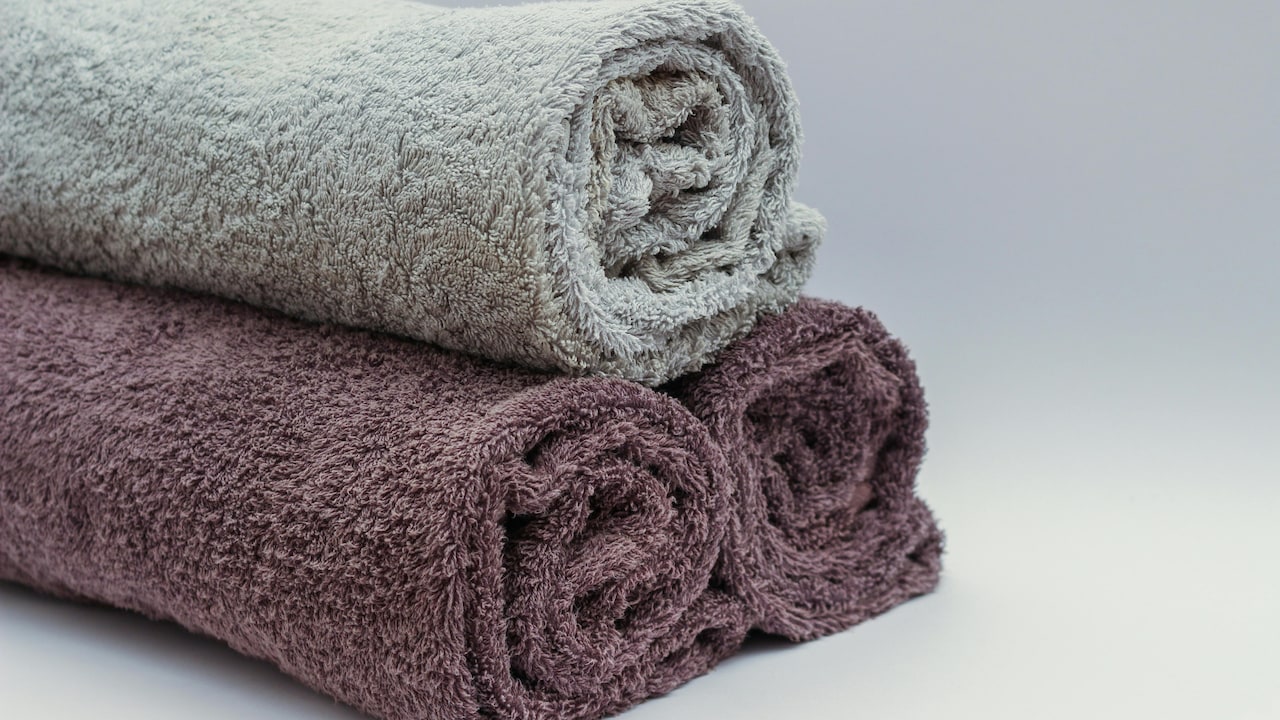
Why Towel Fabric Matters: A Simple Guide to Choosing the Right Towel
Photo Credit: Pexels
Before You Buy the Next Towel, This Is What No One Tells You
1. Cotton: The Reliable All-Rounder
Cotton dominates bathrooms for good reason. It absorbs water quickly, feels gentle on the skin, and breathes well. Long-staple cotton, such as combed or ring-spun varieties, offers a smoother texture and better strength. Short fibres break faster and leave lint behind.
In humid cities, cotton towels dry faster when air circulates well. Balconies and sunny windows help. During monsoon months, thick cotton may hold moisture longer and develop odour. Regular washing and proper drying solve that issue.
Cotton suits families with varied needs. Children, elders, and sensitive skin all benefit from its softness. Prices range widely. A decent cotton towel starts around ₹400, while premium versions cross ₹1,500. Durability often matches price, though smart care extends life further.
Everyday rituals feel familiar with cotton. Morning showers, post-gym wipes, and evening hand drying all feel right. That quiet dependability explains why cotton never leaves the bathroom. It adapts, performs, and comforts without fuss.
2. Egyptian and Supima: Luxury with a Purpose
Longer fibres elevate cotton into luxury territory. Egyptian and Supima cotton feature extra-long staples that spin into fine, strong yarn. That structure boosts softness and absorption while reducing fraying.
These towels feel plush without bulk. They wrap around the body smoothly and dry skin fast. Hotels favour them for that reason. At home, they add a spa-like touch to daily routines.
Climate matters here. In coastal areas, thick luxury towels demand careful drying. Space and airflow help. Without them, mildew may appear. Regular sun exposure keeps fibres fresh.
Cost sits higher. Expect prices from ₹2,000 upward. That investment pays off through longevity and comfort. These towels retain shape and colour longer than standard cotton.
Luxury towels suit slower moments. Weekend baths, relaxed mornings, and self-care evenings shine brighter with them. They transform routine into indulgence without shouting for attention.
3. Microfibre: Speed over Sentiment
Microfibre towels feel different from cotton. Synthetic fibres create a smooth, almost suede-like surface. They absorb water quickly and dry at lightning speed.
Travellers love them. Gym bags stay lighter and fresher. Small apartments benefit too. Limited drying space stops being a problem. Even during heavy rains, microfibre dries indoors within hours.
Skin feel divides opinion. Some enjoy the slick texture. Others miss plush softness. Microfibre grips water rather than cuddling skin. That trait suits hair drying and quick body wipes.
Maintenance stays easy. These towels resist mildew and need less detergent. Fabric softener ruins their performance, though. Skipping it keeps the fibres effective.
Prices range from ₹300 to ₹1,000. Longevity depends on care. Gentle washing preserves structure. For speed, convenience, and modern lifestyles, microfibre earns respect despite its no-nonsense attitude.
4. Bamboo Blends: Softness with a Conscience
Bamboo towels combine natural fibres with modern processing. The result feels silky, smooth, and cool against the skin. Sensitive skin appreciates that gentleness.
Absorption impresses too. Bamboo fibres hold water well and dry faster than heavy cotton. That balance suits warm climates and shared bathrooms.
Manufacturers often blend bamboo with cotton for strength. Pure bamboo feels delicate. Blends last longer and cost less. Expect prices between ₹800 and ₹2,000.
Antibacterial properties attract attention. Bamboo resists odour better than standard cotton. That feature helps during humid months when towels struggle to stay fresh.
Sustainability conversations often mention bamboo. It grows fast and needs less water. Processing methods vary, though. Choosing responsible brands matters.
These towels fit homes that value comfort with mindfulness. They feel indulgent without excess. Morning routines feel calmer with that soft, cool touch.
Also Read: Cotton, Microfibre Or Bamboo, Which Is The Best Towel For Your Skin?
5. Linen: Old-World Charm Meets Modern Sense
Linen towels look understated. Texture feels crisp at first touch. That stiffness softens over time and rewards patience.
Absorption improves with use. Linen fibres strengthen when wet. That trait makes them durable companions for years. Quick drying stands out as their biggest advantage.
Coastal homes benefit most. Sea air and humidity challenge cotton. Linen shrugs it off. Odour rarely lingers. Sun drying refreshes fibres easily.
Skin feel differs. Linen exfoliates lightly, which some love. Others prefer softness. These towels suit hands, faces, and kitchens especially well.
Prices sit around ₹1,200 to ₹3,000. Longevity justifies cost. Linen ages gracefully, gaining character rather than wearing out.
Minimalist homes and heritage spaces welcome linen. They whisper elegance rather than announce luxury. Over time, they become favourites through quiet reliability.
6. Terry vs Waffle: Weave Shapes Experience
Fabric choice extends beyond fibre. Weave plays a starring role. Terry towels feature looped yarns that trap water. Plushness and absorption define them.
Waffle towels use a honeycomb pattern. That structure increases surface area while reducing weight. Drying happens faster. Storage feels easier.
Bathrooms with limited space benefit from waffle towels. They stack neatly and dry quickly. Terry towels suit comfort seekers who enjoy thick textures.
Skin sensitivity matters here. Terry loops feel soft but may snag jewellery. Waffle texture exfoliates lightly and avoids snagging.
Price differences stay modest. Both styles range from ₹500 to ₹1,500 depending on fibre quality.
Choosing between them depends on lifestyle. Busy mornings favour waffles. Slow evenings prefer terry. Mixing both styles covers all moods and moments.
7. GSM: The Hidden Number That Counts
GSM stands for grams per square metre. That number reveals towel density. Higher GSM means thicker, heavier fabric.
Low GSM towels, around 300–400, feel light and dry fast. Travel and gym use suit them well. Medium GSM, 400–600, balances comfort and practicality. High GSM, 600+, delivers plush luxury.
Climate influences ideal GSM. Humid regions benefit from medium weight. Dry climates handle heavier towels better.
Marketing often pushes high GSM as superior. Reality feels nuanced. A 700 GSM towel that never dries frustrates daily life. Balance matters more than extremes.
Checking GSM before buying prevents disappointment. Many brands list it on labels or online descriptions.
That small number shapes daily comfort more than colour or pattern. It quietly decides how towels perform long after the shopping thrill fades.
8. Colour and Dye: More Than Aesthetic
Colour affects towel life. Dark shades hide stains but may bleed initially. Light colours show wear sooner but feel fresh longer.
Quality dyes hold colour through washes. Cheaper dyes fade fast and transfer onto skin. Testing with cold washes helps.
Natural dyes appeal to eco-conscious homes. They create muted tones and gentle ageing. Bright synthetic colours pop but demand careful washing.
Sun exposure fades colours over time. Rotating towels slows that process. Drying in shade preserves vibrancy.
Price differences reflect dye quality. Spending ₹200 extra often saves replacement costs later.
Choosing colour with intention blends beauty and practicality. That choice influences how towels age and how bathrooms feel daily.
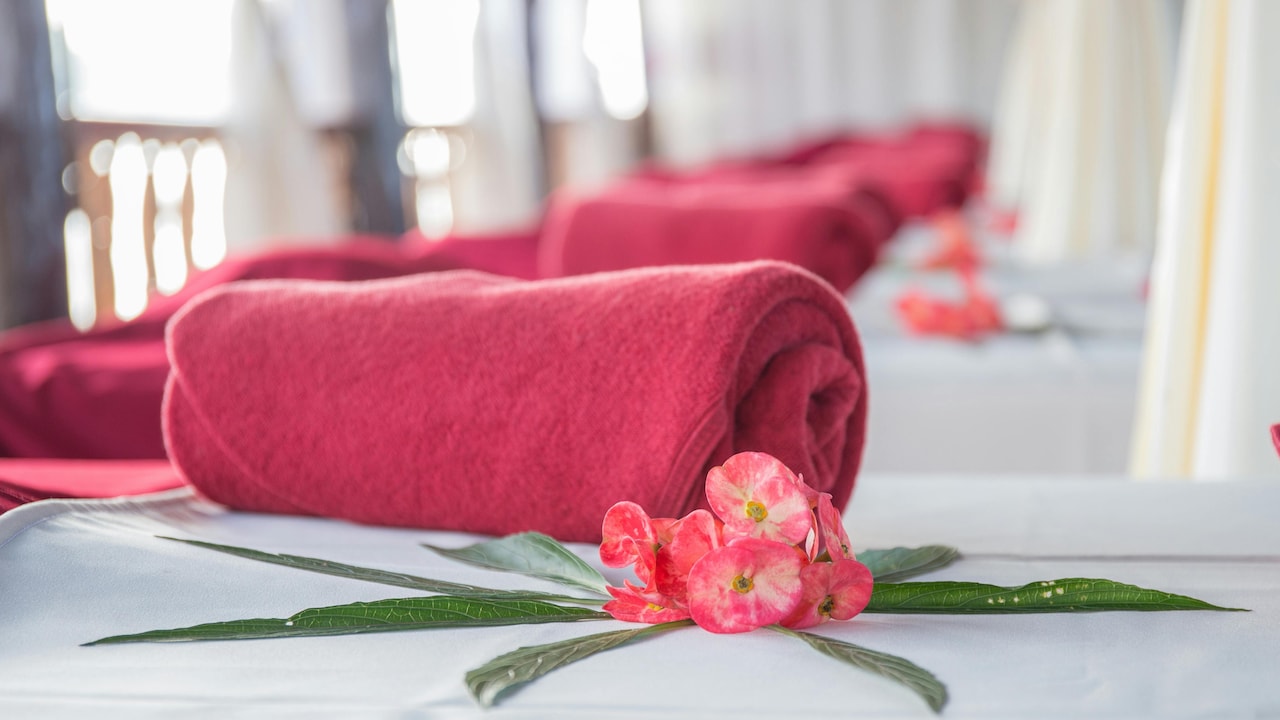
Why Towel Fabric Matters: A Simple Guide to Choosing the Right Towel
Photo Credit: Pexels
9. Care Rituals: Fabric Lives or Dies Here
Fabric quality means little without care. Washing towels separately prevents lint transfer. Cold or warm water protects fibres.
Detergent moderation matters. Excess soap stiffens towels and traps odour. Vinegar rinses restore softness naturally.
Fabric softener coats fibres and reduces absorption. Skipping it improves performance. Tumble drying on low or air drying suits most fabrics.
Sun drying disinfects and refreshes naturally. During monsoon, indoor airflow and dehumidifiers help.
Regular replacement cycles depend on use. Face towels need faster rotation. Bath towels last longer with care.
Thoughtful habits extend towel life dramatically. That saves money and reduces waste. Fabric responds generously to simple respect.
10. Emotional Comfort: Why Towels Feel Personal
Towels touch skin daily. That intimacy builds attachment. A favourite towel offers comfort after long days and early mornings.
Childhood memories often include specific towels. Stripes, faded colours, familiar smells. Those associations linger.
Guests notice towel quality instantly. Soft, fresh towels signal care and warmth. They speak without words.
Self-care routines lean on small comforts. A good towel completes a bath ritual. It wraps, dries, and reassures.
That emotional layer explains why fabric choice matters deeply. Beyond function, towels support wellbeing quietly.
Choosing thoughtfully honours those moments. It turns necessity into nurture, one gentle touch at a time.
Products Related To This Article
1. MYTRIDENT Brown 4 Pieces Cotton 500GSM Highly Absorbent Hand Towels
2. KLOTTHE Blue Striped Cotton 233GSM Super Soft 3PCs Adult Regular Bath Towel
3. Jockey Pack Of 2 Cotton Rich Terry Ultrasoft and Durable Striped Hand Towel
4. United Colors of Benetton Purple & White 1 Striped Bamboo 233 GSM Bath Towel
5. SPACES 100% cotton Genesis Grey Solid 400GSM Super Soft Adult Regular Bath Towel
Towels lead quiet lives yet influence comfort, hygiene, and mood daily. Fabric choice shapes how they perform and how they feel over time. Cotton offers familiarity. Bamboo adds softness with mindfulness. Linen brings resilience. Microfibre delivers speed. Weaves, GSM, dyes, and care rituals complete the story. That towel on the hook now feels less ordinary. Its secret life reveals craft, science, and emotion woven together.
(Disclaimer: This article may include references to or features of products and services made available through affiliate marketing campaigns. NDTV Convergence Limited (“NDTV”) strives to maintain editorial independence while participating in such campaigns. NDTV does not assume responsibility for the performance or claims of any featured products or services.)