Wok Or Kadhai? The Cookware Debate Shaping Modern Indian Kitchens
Confused between a wok and a kadhai? Discover the key differences, cooking benefits and why many Indian kitchens may benefit from having both cookware essentials.
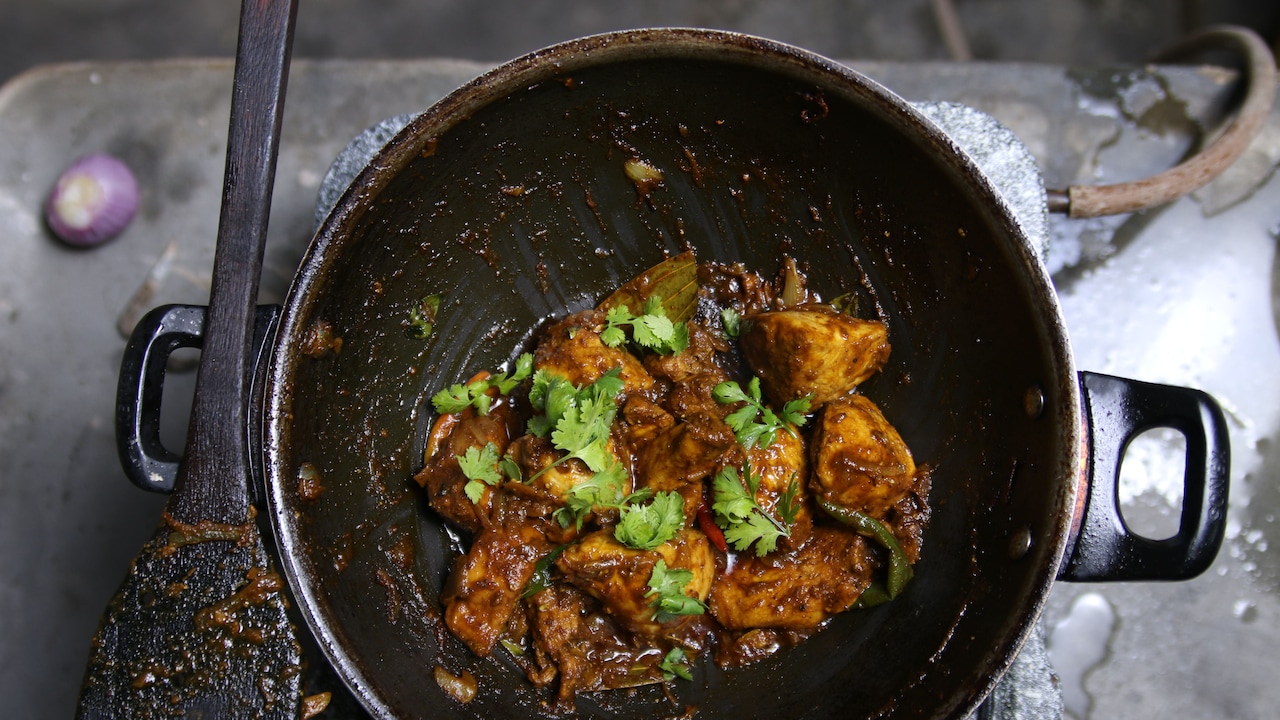
The right cookware choice depends on what you cook most often at home.
The kadhai has long been associated with Indian home cooking, used for everything from slow-cooked gravies to deep-fried snacks. Yet the growing popularity of stir-fries, Indo-Chinese favourites and quick weeknight meals has introduced another contender to the kitchen shelf: the wok. While the two may appear similar at first glance, they are designed for very different styles of cooking. For home cooks, that raises an important question: which one deserves a place in the kitchen, and is choosing between them even necessary?
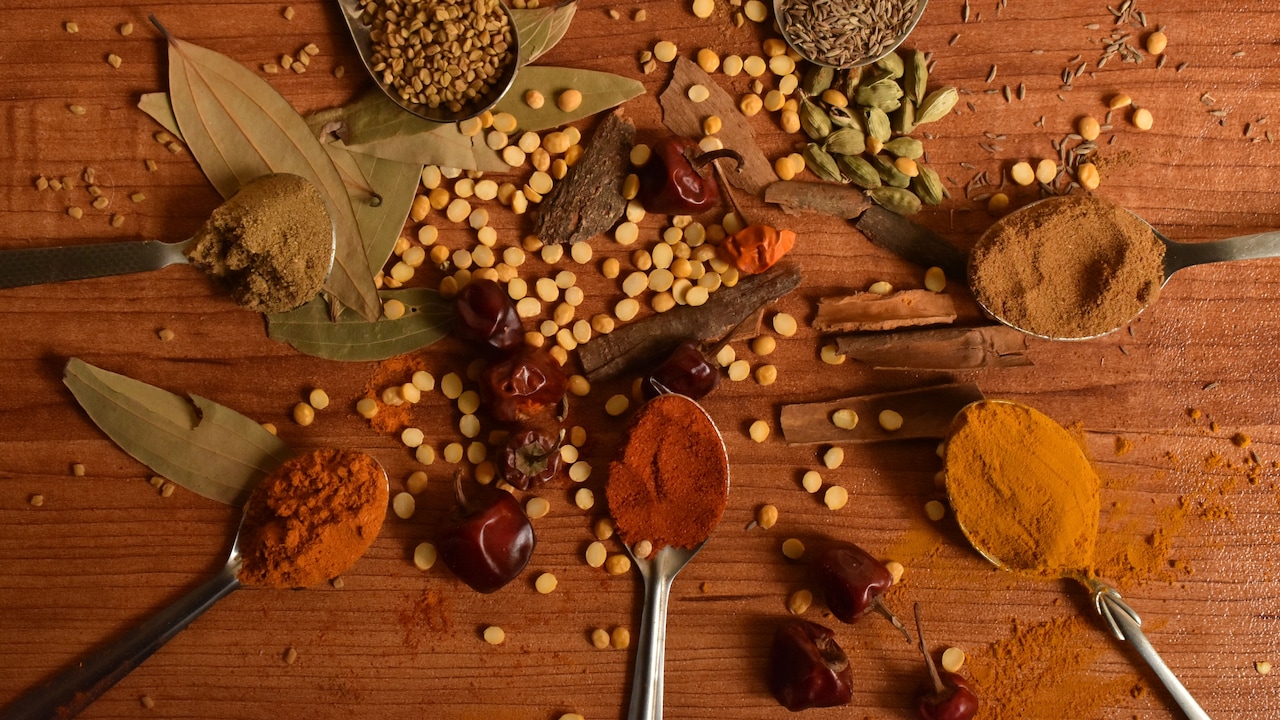
For many modern households, a wok and a kadhai can complement each other perfectly.
Photo Credit: Pexels
At a time when Indian households are preparing a more diverse mix of meals than ever before, the answer has become increasingly relevant. A typical weekly menu might include rajma and jeera rice, a vegetable stir-fry, Hakka noodles, paneer butter masala and fried snacks for the weekend. Naturally, cooks want cookware that can keep up.
Also Read: Top 5 Brass And Steel Utensils To Buy This Dhanteras Under ₹3500
The challenge is that the wok and the kadhai often look similar enough to seem interchangeable. In reality, their differences become apparent the moment heat is applied.
A Tale Of Two Cooking Traditions
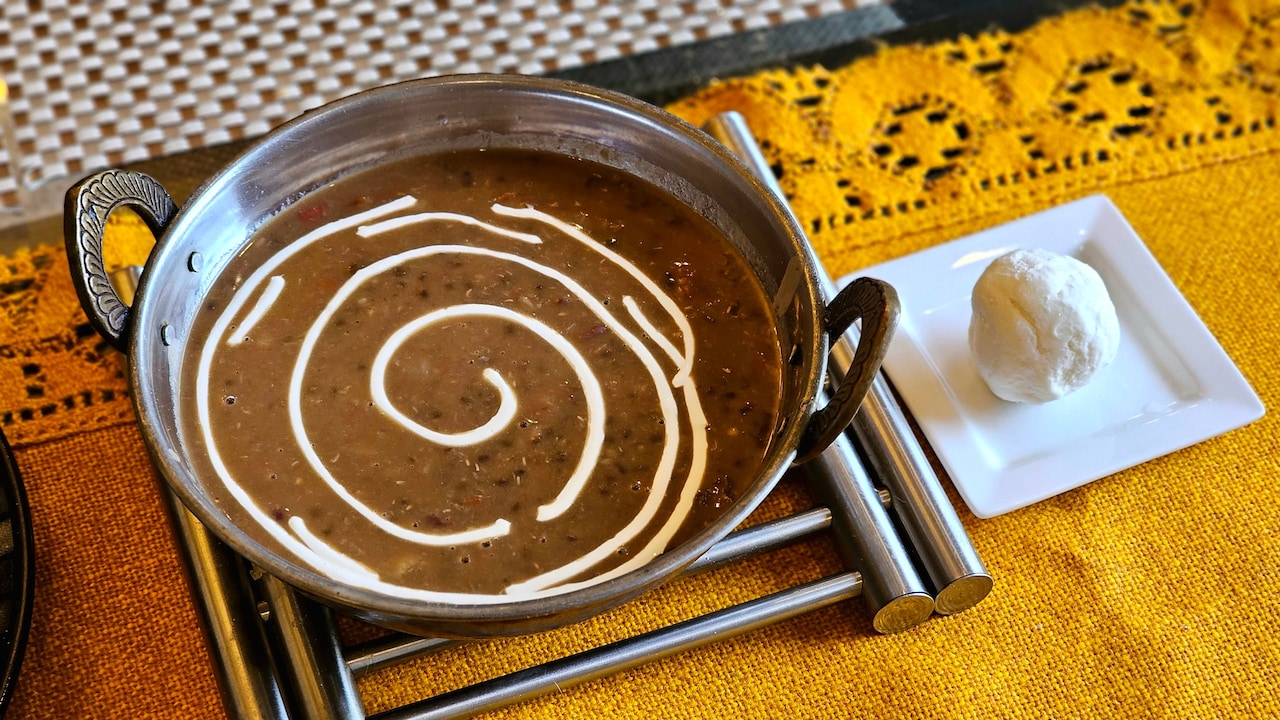
A kadhai remains one of the most versatile cookware options for Indian kitchens.
Photo Credit: Pexels
The kadhai and the wok emerged from different culinary cultures and evolved to solve different cooking challenges.
The kadhai developed alongside Indian cooking techniques that prioritise slow flavour-building. Many dishes begin with onions, ginger, garlic and spices being cooked gradually until they release their aromas and form the base of a curry. Whether it is a rich mutton gravy, chole, dal tadka or paneer dish, the process often relies on controlled heat over an extended period.
A traditional kadhai is designed for exactly this style of cooking. Its deep structure, wide opening and relatively thick construction allow food to cook steadily while retaining heat.
The wok, by contrast, was developed for high-heat cooking. Stir-frying requires ingredients to cook rapidly while constantly moving. Rather than simmering for 30 or 40 minutes, many wok-based dishes come together in a matter of minutes. The shape of the wok encourages ingredients to be tossed and moved across different heat zones, helping vegetables retain texture and freshness.
These contrasting origins explain why each vessel performs differently despite their visual similarities.
Why Shape Matters More Than You Think
Many cookware decisions are influenced by material, but shape is often just as important.
A kadhai typically features a broader cooking base and more uniform heat distribution. Once heated, it tends to maintain its temperature, making it ideal for recipes that require patience. This characteristic is particularly useful when tomatoes need to cook down into a masala or when a curry is simmering to develop depth and richness.
A wok behaves differently. Heat is concentrated at the bottom, while the sloping sides remain comparatively cooler. This creates multiple cooking zones within the same vessel. Ingredients can be pushed up the sides to prevent overcooking while other components continue cooking at the centre.
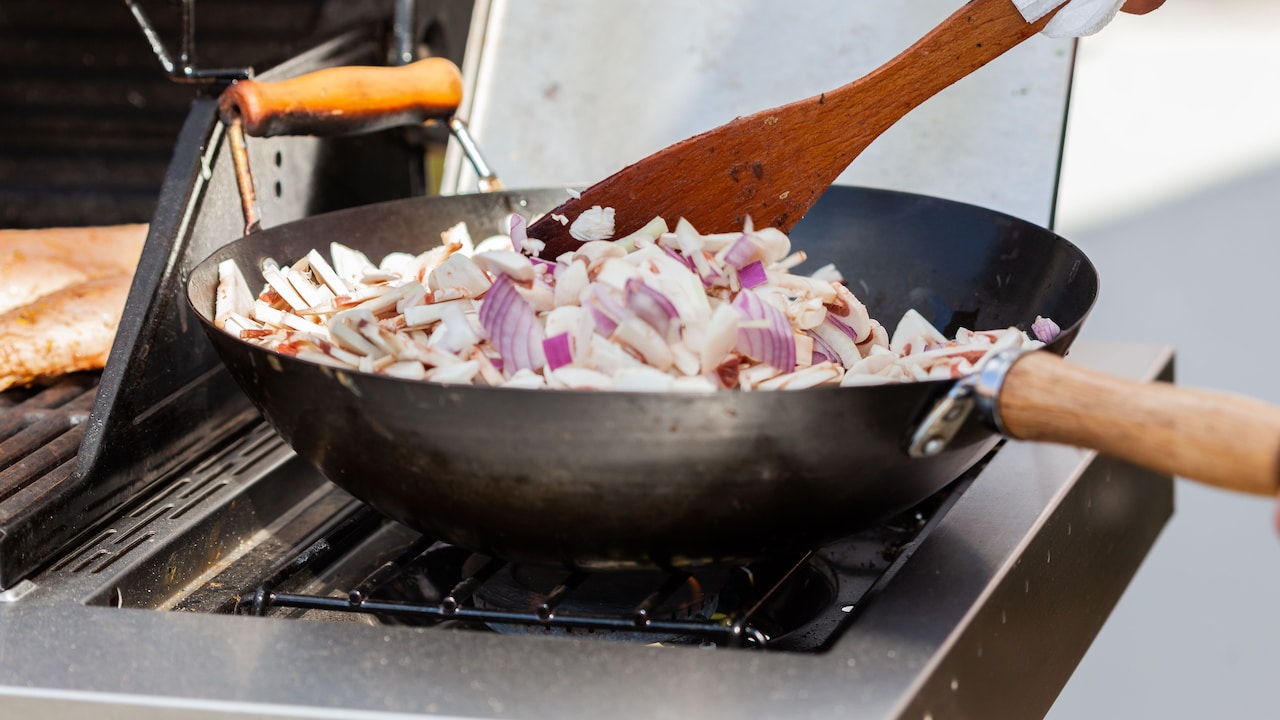
Woks excel at high-heat cooking, making them ideal for stir-fries and noodles.
Photo Credit: Pexels
For dishes that depend on speed, this design offers a significant advantage.
Anyone who has tried making restaurant-style fried rice or noodles at home knows the challenge of preventing vegetables from turning soft and releasing excess moisture. A wok's design helps minimise that problem.
The Kadhai's Strength: Everyday Indian Cooking
If there is one reason the kadhai remains indispensable, it is versatility within Indian cuisine.
Most households rely on it for daily cooking because it comfortably handles a wide range of tasks. From tempering spices and sautéing vegetables to simmering gravies and deep-frying snacks, a single kadhai can perform multiple roles.
Consider some of the dishes that regularly appear on Indian dining tables:
- Dal tadka
- Rajma
- Chole
- Paneer butter masala
- Chicken curry
- Aloo gobi
- Pakoras
- Puris
All of these benefit from the consistent heat retention that a kadhai provides.
Its depth is also an advantage during frying. The higher sides help contain oil splatters while providing enough room for ingredients to cook evenly.
For cooks whose menus are largely centred on Indian meals, a quality kadhai can easily be the most frequently used vessel in the kitchen.
Where The Wok Takes The Lead
The wok begins to justify its place when menus become more varied.
Modern Indian cooking increasingly extends beyond traditional recipes. Noodles, fried rice, Asian-inspired vegetable dishes, quick protein bowls and one-pan meals have become part of everyday life, particularly in urban households.
This is where the wok shines.
Its ability to reach high temperatures quickly makes it ideal for recipes that depend on fast cooking. Vegetables stay crisp, proteins brown efficiently and sauces coat ingredients evenly.
A wok also works particularly well for:
- Stir-fried vegetables
- Fried rice
- Noodles
- Chilli chicken
- Manchurian dishes
- Sauteed greens
- Quick weeknight meals
Cooks who enjoy experimenting with different cuisines often find themselves reaching for the wok more frequently than expected.
It is not necessarily better than a kadhai. It is simply optimised for a different style of cooking.
Can One Replace The Other?
This is often the first question shoppers ask when they want to avoid buying additional cookware.
Technically, a wok can cook many Indian dishes, and a kadhai can certainly be used for noodles and stir-fries. Home cooks across the country do both regularly.
The issue is not whether something can be cooked. It is whether it can be cooked efficiently and consistently.
A chicken curry may take longer to develop flavour in a thin wok because heat behaves differently. Likewise, noodles prepared in a heavy cast-iron kadhai may not achieve the same texture as those tossed rapidly in a wok.
The distinction is similar to using a chef's knife and a bread knife. Both can cut food, but each performs a particular task better.
Rather than viewing them as competitors, it may be more useful to see them as complementary tools.
The Rise Of The Hybrid Kitchen
The conversation around wok versus kadhai reflects a broader shift in the way Indians cook today.
Previous generations might have relied predominantly on regional recipes, with cookware tailored accordingly. Today's households often move seamlessly between cuisines. An Indian breakfast may be followed by a pasta lunch and an Indo-Chinese dinner.
Cookware manufacturers have noticed the trend. Many contemporary designs now blur the line between the two vessels. Some kadhais feature lighter construction for quicker heating, while certain woks include thicker bases that make them suitable for gravies and curries.
These hybrid products acknowledge a simple reality: modern cooking is increasingly flexible.
Home cooks are less interested in strictly following culinary traditions and more interested in having the right equipment for a wider range of recipes.
So, Do You Need Both?
For some households, a kadhai may be enough.
If most meals revolve around curries, dals, sabzis and occasional frying, a good-quality kadhai can comfortably manage daily cooking requirements. Its versatility explains why it has remained a kitchen essential for generations.
However, if noodles, fried rice, stir-fries and international recipes regularly feature on the menu, a wok becomes more than a speciality purchase. It becomes a practical addition that simplifies cooking and often delivers better results.
The decision ultimately depends less on the cookware and more on what appears on your dining table each week. And if you are looking for some attaractive discounts on both kadhai and wok, the ongoing Amazon Great Indian Festival is your limited time opportunity to grab some great deals on brands like Miton, Lifelong, Malabar and more. Shop now on Amazon.
Top Kadhai and Wok Available On Amazon
1. Iron Chinese Wok with Wooden
2. Amazon Brand - Solimo Stainless Steel Kadhai
3. Lifelong Forged Kadhai 24cm Ceramic Coated Beige Non-Stick Kadhai With Glass Lid
4. Chinese Kadai With Ladle And Turner for Noodles
5. Malabar Trading Company Heavy Duty Iron Pan with Wood Handle
6. MILTON Pro cook Granito Aluminium Kadha
7. SOLARA Pre Seasoned Cast Iron Kadhai
8. Aluminium Kadhai Premium Range of Aluminum Deep Kadai
Frequently Asked Questions (FAQs)
1. What is the main difference between a wok and a kadhai?
A wok is designed for high-heat, quick cooking methods such as stir-frying, while a kadhai is better suited for Indian cooking techniques such as sauteing, simmering gravies and deep-frying.
2. Can a wok replace a kadhai in an Indian kitchen?
A wok can handle some Indian dishes, but it may not deliver the same results for slow-cooked curries and gravies. For regular Indian cooking, a kadhai remains the more versatile option.
3. Is a wok good for making Indian food?
Yes. A wok can be used for many Indian recipes, especially vegetable dishes, Indo-Chinese recipes and quick stir-fries. However, a kadhai is often preferred for traditional curries and fried snacks.
4. Which is better for deep-frying: a wok or a kadhai?
A kadhai is generally considered better for deep-frying because of its depth, heat retention and ability to maintain a consistent oil temperature.
5. Do I need both a wok and a kadhai?
If you regularly cook both Indian and Asian-style dishes, having both can make cooking easier. Each is designed for different techniques and offers unique advantages.
(Disclaimer: This article may include references to or features of products and services made available through affiliate marketing campaigns. NDTV Convergence Limited (“NDTV”) strives to maintain editorial independence while participating in such campaigns. NDTV does not assume responsibility for the performance or claims of any featured products or services.)