Shop 5 Interactive Games That Keep Kids Thinking, Building, And Playing
Screens are not the only way to keep a child busy, and a good game can do far more than fill an afternoon. This guide covers 5 hands-on interactive games that turn playtime into a learning game.
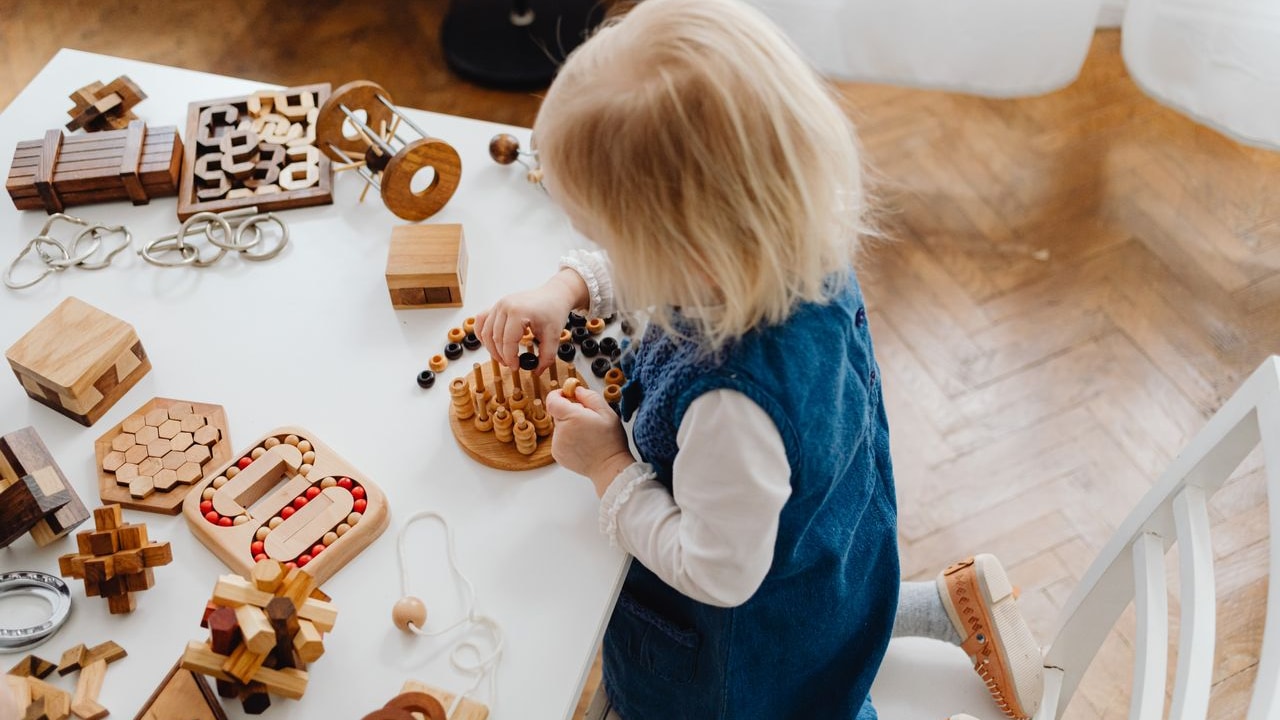
Games that turn playtime into thinking, building, and fun
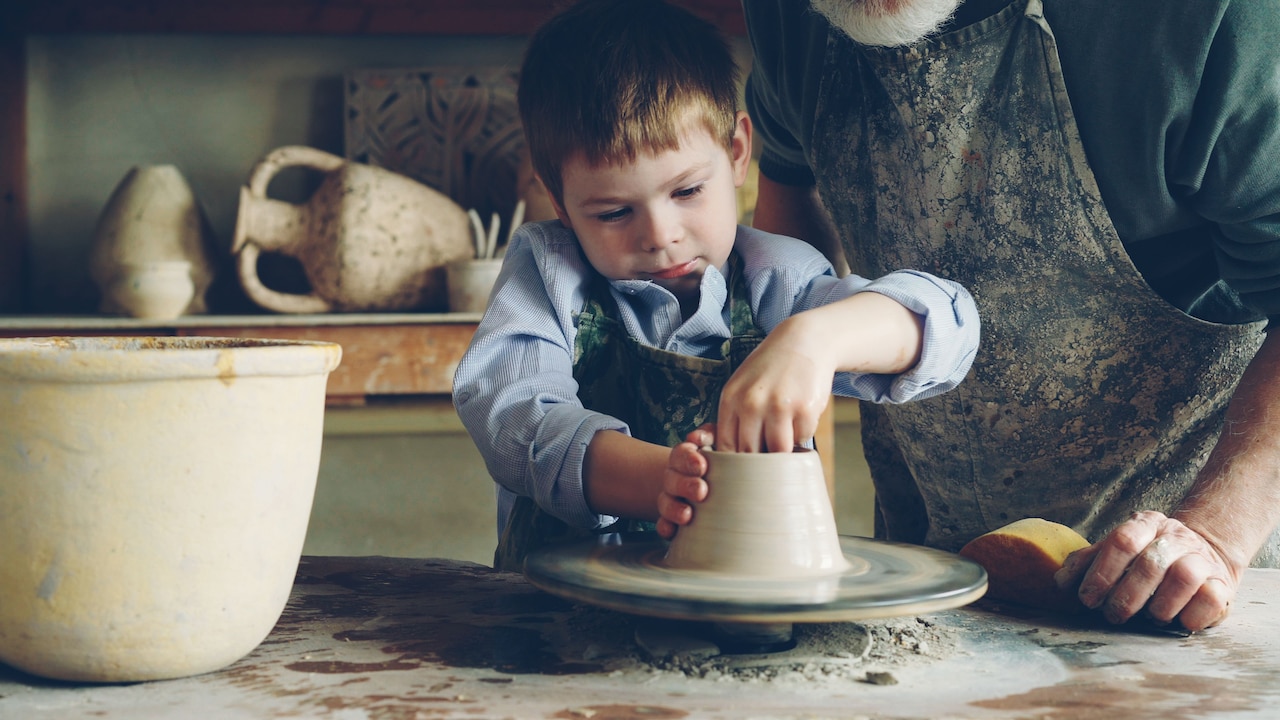
You hear it all the time as a parent. Your child says, "I'm bored," right after you put the last toy away. Then you get hit with the next question. What do we do now? A lot of kids reach for a phone. They stare at a screen and the time passes. If you want a different option, choose games and playthings that they can interact with. Aim for things that keep their hands busy and make them think, not items meant to buy you 10 quiet minutes. Good games do more than distract. They make kids pause and decide what to do next. They can try, fail, and try again. They figure it out step by step, on their own. A riddle makes a child stop and guess. Building a tower asks for balance and careful stacking. A puzzle asks for patience until the last piece fits. In the middle of all that, kids use focus, memory, and problem-solving. They do it while they are just playing, so it does not feel like a lesson.
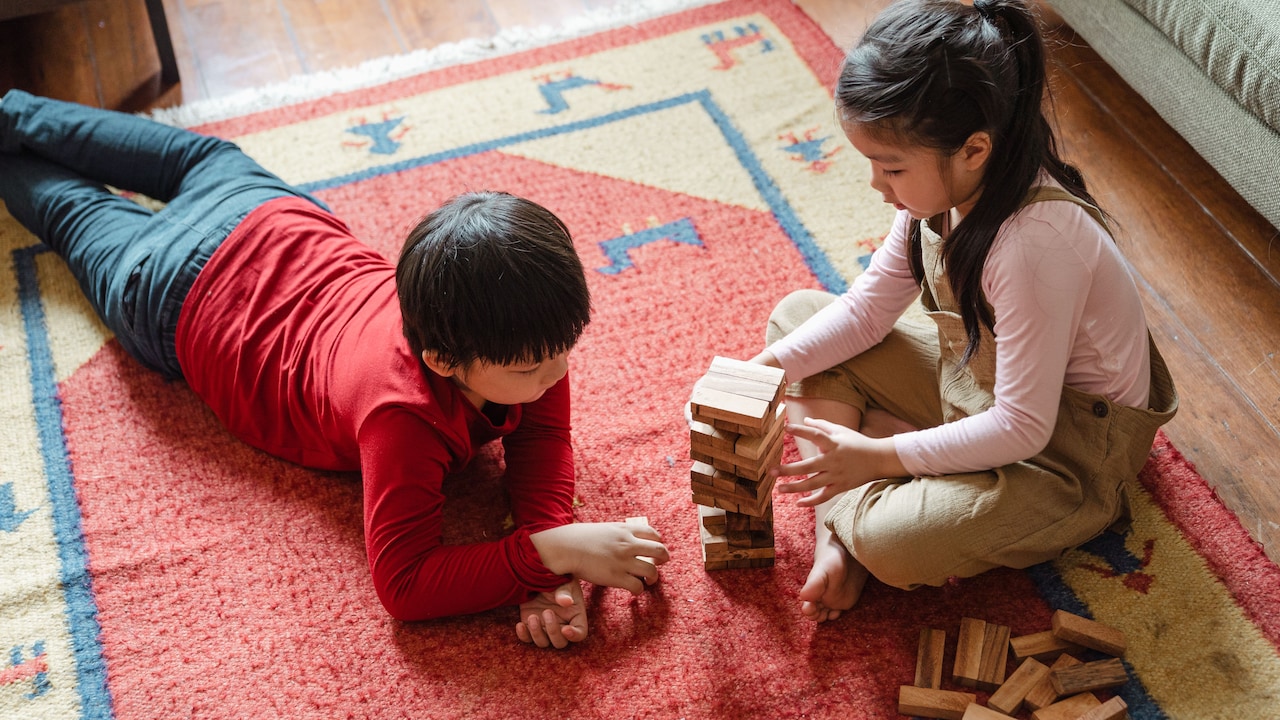
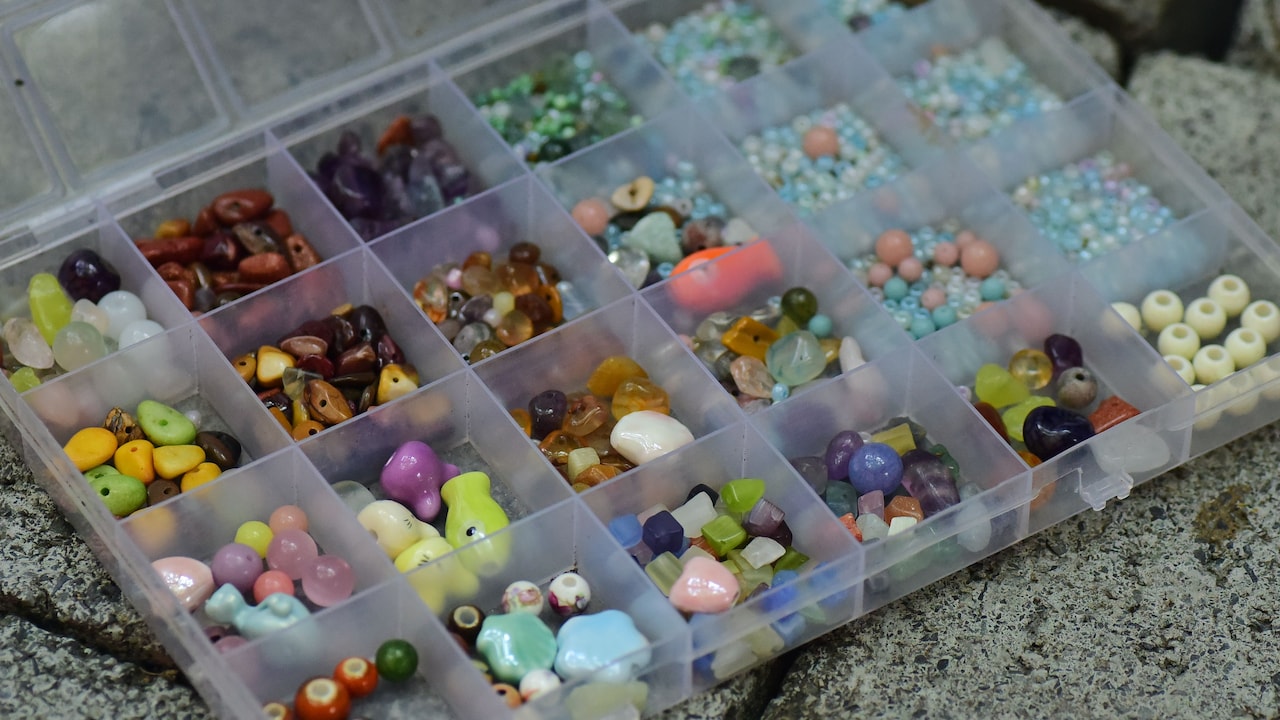
Games that turn playtime into thinking, building, and fun; Photo Credit: Pexels
That is why playtime for kids matters so much. The tricky part is knowing which game suits which child. A toddler needs something big and simple, while an older child wants a bit of challenge. To help, with this, here you can look at 5 interactive games that cover different ages and different kinds of play. Read on, think about your child's age and interests, and pick the game that is most likely to keep them thinking, building, and playing for a long time.
Also Read: Top Learning Toys For Toddlers And Kids That Support Growth Through Play
| Product Name | Age Group | Special Feature | User Rating | Price |
|---|---|---|---|---|
| 200+ Theme-Based Riddle Book for Kids | 5 to 6 | Theme-based riddles | 4.4/5 | ₹189 |
| Storio Educational Learning Geometric Shape Memory Chess Puzzle | 3+ | Shape and memory puzzle | 4.4/5 | ₹219 |
| Toy Imagine 54 Pcs Wooden Tumbling Tower Game | All ages | Wooden stacking blocks | 4.1/5 | ₹329 |
| Skillmatics Piece & Play Space - Floor Jigsaw Puzzle & Game for Toddlers | 5 to 6 | Floor jigsaw with a game | 4.6/5 | ₹799 |
| Smartivity DIY Interactive Clock & Organiser for Kids 6-12 Years | 6 to 12 | DIY clock and organiser | 4.4/5 | ₹849 |
5 Interactive Games For Kids That Turn Playtime Into Learning Time
1. 200+ Theme-Based Riddle Book for Kids
This book is packed with riddles sorted by theme, so children can pick topics they enjoy. Riddles ask kids to slow down, think, and guess, which is a fun break from busy play. It works well on car rides, at bedtime, or during family evenings. Parents can join in, which turns reading into a shared game.
Key Features:
- More than 2 hundred riddles
- Grouped by theme
- Simple wording for young readers
- Good for solo or group play
- Easy to carry on trips
2. Storio Educational Learning Geometric Shape Memory Chess Puzzle
This game mixes shapes, memory, and a chess-style board. Children learn to spot shapes and remember where pieces go. It gives them a small challenge to solve at their own speed. It suits quiet afternoons when you want them focused and happily busy.
Key Features:
- Geometric shapes to match
- Memory-building play
- Chess-style layout
- Puzzle-solving challenge
- Suits solo play
3. Toy Imagine 54 Pcs Wooden Tumbling Tower Game
Players take turns pulling out a block and placing it on top, and the tower grows wobblier with every move. It teaches steady hands, patience, and how to handle a small setback with a laugh. The wooden blocks feel solid and are easy to grip. It is a good fit for family game nights and playdates.
Key Features:
- 54 wooden blocks
- Turn-based play
- Builds steady hands and focus
- Works for two or more players
- Suits family game time
4. Skillmatics Piece & Play Space - Floor Jigsaw Puzzle & Game for Toddlers
This is a large jigsaw made to be laid out on the floor, with a space theme that toddlers tend to enjoy. Big pieces are easier for small hands to hold and fit together. The game also adds play activities, so it is more than a one-time puzzle. Parents can sit alongside and talk about planets, stars, and rockets as the picture appears.
Key Features:
- Large floor jigsaw
- Space theme
- Made for toddlers
- Extra game activities
- Easy for small hands
5. Smartivity DIY Interactive Clock & Organiser for Kids 6-12 Years
Children put this one together themselves, then use it as a working clock and desk organiser. Building it teaches them how to follow steps, and learning to read time becomes more meaningful when the clock is their own. Once finished, it sits on a desk and keeps pens and small items tidy. It is a nice project for a weekend afternoon.
Key Features:
- Build-it-yourself kit
- Working clock
- Desk organiser
- Made for ages 6 to 12
- Helps children learn to tell the time
The right game can turn an ordinary afternoon into a small adventure. These 5 picks encourage a different skill, from guessing riddles and matching shapes to balancing blocks. Start with your child's age and what they already enjoy, then choose a game that stretches them just a little, and give them something worth thinking, building, and playing with. Shop now on Amazon
Frequently Asked Questions (FAQs)
1. Why are interactive games good for children?
They keep children active in mind and body, which helps with focus and problem-solving. They also make learning feel like play.
2. How do I choose a game for my child's age?
Check the age range on the box or product page. Pick something slightly challenging but still achievable.
3. Are wooden games better than plastic ones?
Wood feels sturdy and lasts well, while plastic is lighter and often cheaper. Either is fine if it is well made and safe for your child's age.
4. How much playtime should a child spend on games each day?
There is no fixed number, as it depends on age and routine. Short, regular sessions mixed with outdoor play usually work well.
5. Can family members play these games together?
Yes, many games work well for two or more players. Playing together also helps children practise taking turns.
(Disclaimer: This article may include references to or features of products and services made available through affiliate marketing campaigns. NDTV Convergence Limited (“NDTV”) strives to maintain editorial independence while participating in such campaigns. NDTV does not assume responsibility for the performance or claims of any featured products or services.)