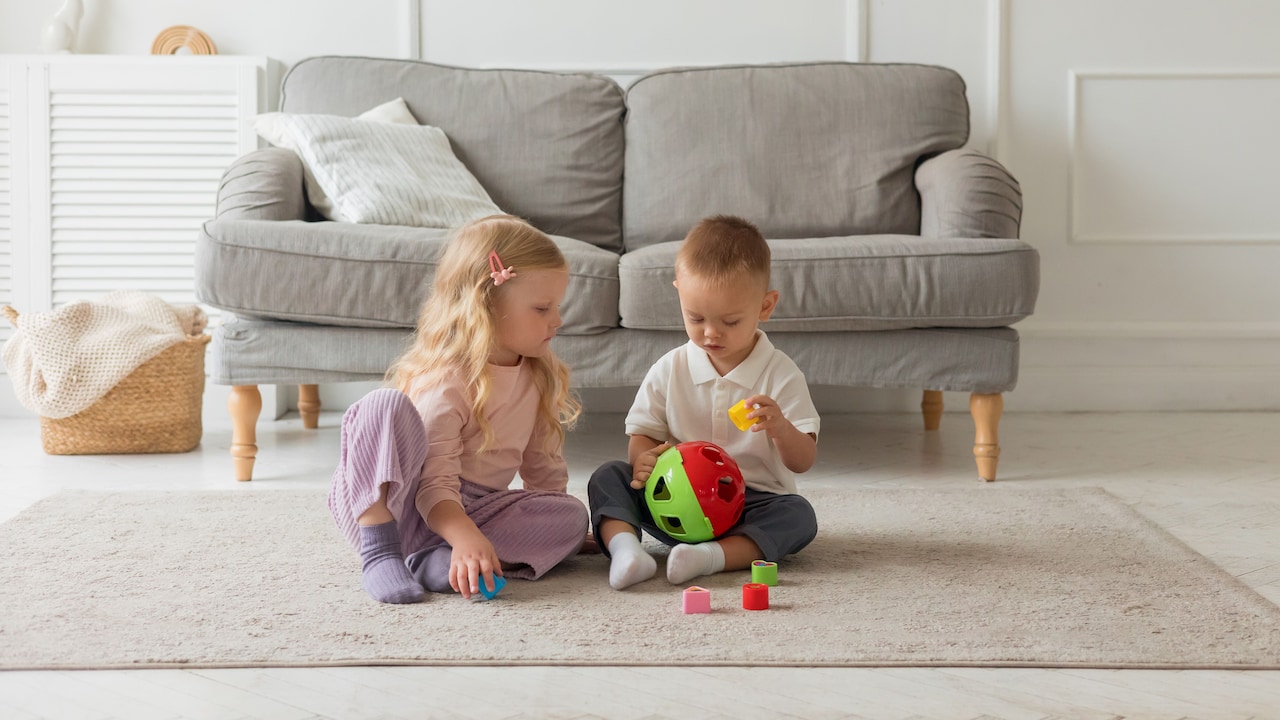
From Karnataka's Toy Town To Modern Playrooms: Why Channapatna Toys Are Making A Comeback
Discover the history of Channapatna toys, their cultural significance, eco-friendly appeal and why many parents prefer these handcrafted wooden toys over plastic alternatives.
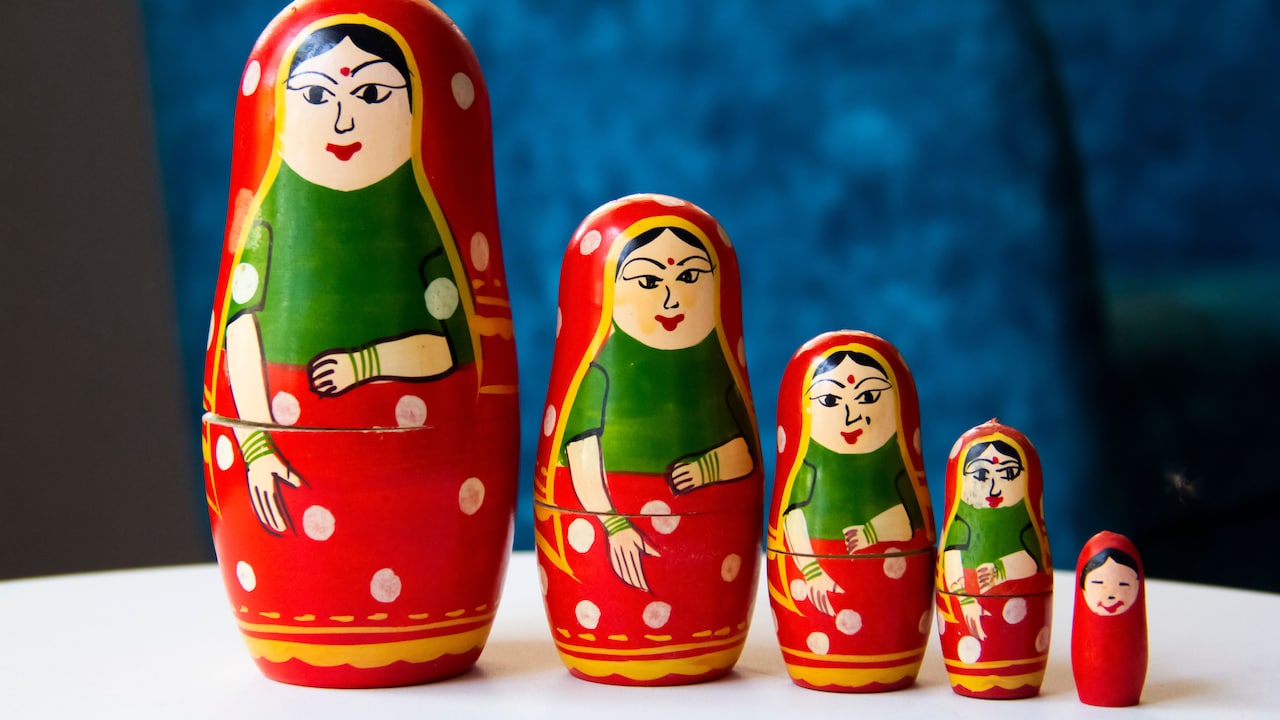
Channapatna toys are handcrafted wooden toys made in Karnataka's famous Toy Town.
There is a good chance you've seen a Channapatna toy without knowing its name. Perhaps it was a brightly coloured wooden spinning top at a craft fair. Maybe it was a set of smooth stacking rings at a friend's house. Or perhaps it was a wooden elephant sitting on a bookshelf, looking far more charming than the pile of forgotten plastic toys nearby.
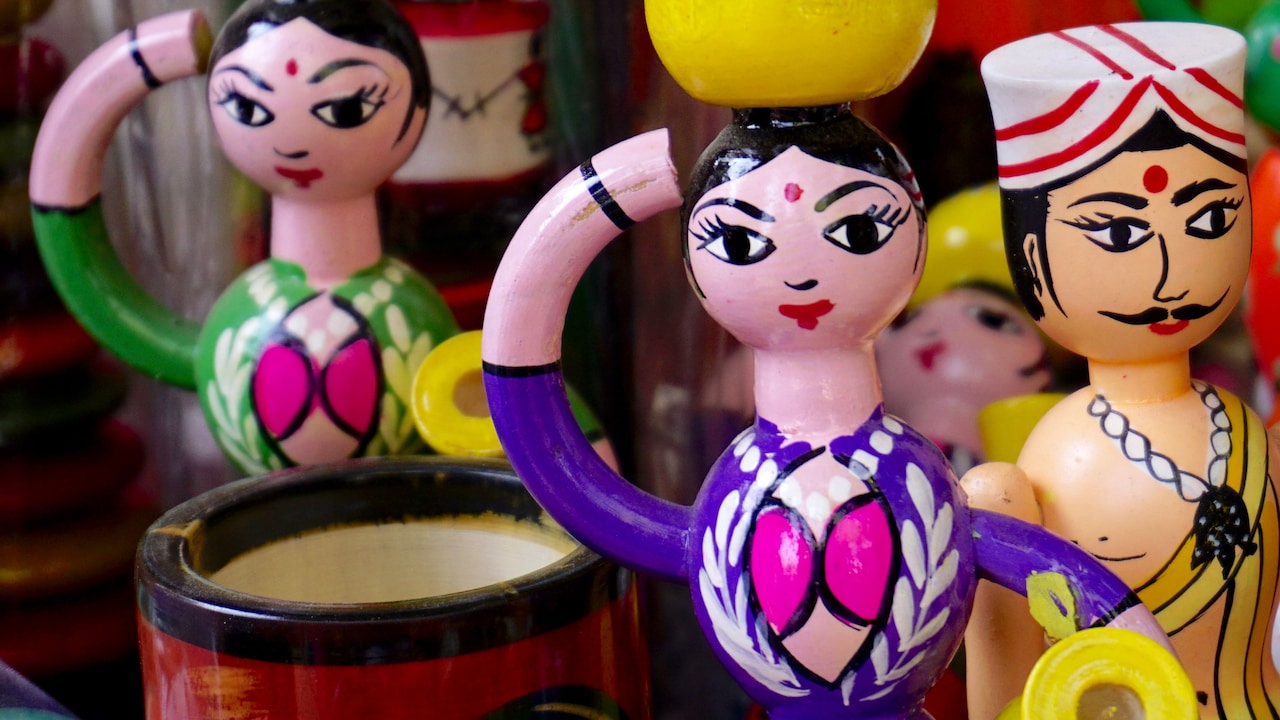
Traditional Channapatna toys use natural materials and non-toxic colours.
Photo Credit: Pexels
Channapatna toys are not just toys. They are pieces of history, craftsmanship and culture that have survived for generations. In a world overflowing with flashing lights, electronic sounds and plastic packaging, these simple wooden creations feel surprisingly refreshing.
Also Read: Hot New Toys And Games For Kids Who Get Bored Too Quickly
And that raises an interesting question: why are so many parents, educators and conscious shoppers rediscovering them today?
What Are Channapatna Toys?
Channapatna toys are traditional wooden toys and dolls made in the town of Channapatna in Karnataka's Ramanagara district, often referred to as the "Toy Town" of Karnataka. The craft is recognised with a Geographical Indication (GI) tag, meaning authentic Channapatna toys come from this region and follow traditional methods.
These toys are known for their smooth finish, vibrant colours and distinctive rounded shapes. You'll find everything from rattles, stacking toys and animals to miniature furniture, dolls and educational play items.
Unlike many modern toys manufactured in large factories, many Channapatna toys are still handmade by skilled artisans who have inherited the craft from previous generations.
A Story That Goes Back More Than 300 Years
One of the reasons Channapatna toys are so fascinating is the story behind them.
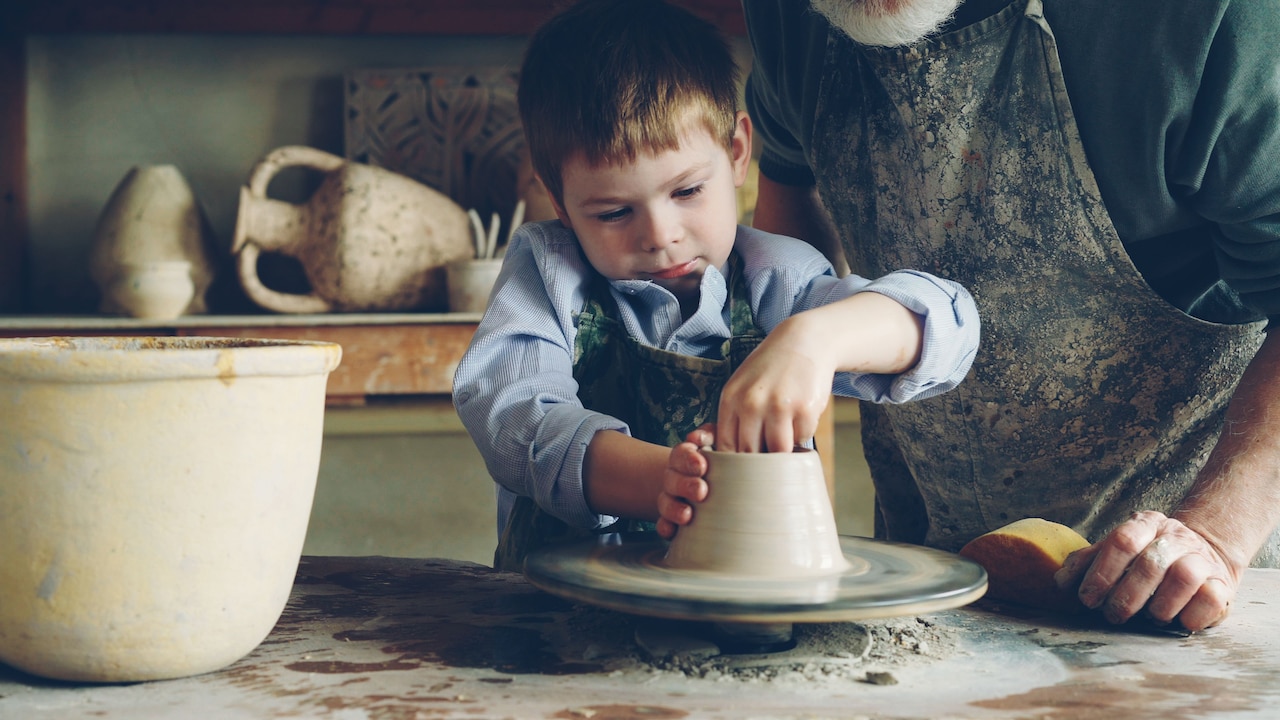
It is said that the craft gained prominence during the reign of Tipu Sultan, the ruler of Mysore in the eighteenth century. Historical accounts suggest that Tipu Sultan, a patron of arts and woodwork, encouraged the development of this craft and invited artisans to share lacquerware techniques with local craftsmen.

These colourful toys have a history dating back more than 300 years.
Photo Credit: Pexels
Over time, local artisans adapted these techniques and created a style entirely their own. What began as a regional craft evolved into one of India's most recognisable toy-making traditions.
Another important figure in this journey was Bavas Miyan, often credited with modernising aspects of the craft and introducing techniques that improved production while preserving traditional artistry.
The remarkable thing is that despite changing trends, industrialisation and the flood of imported toys, Channapatna's wooden craft has managed to survive. Not perfectly. Not without challenges. But perhaps that's what makes its survival so impressive.
How Are Channapatna Toys Made?
The process is surprisingly hands-on.
Traditionally, artisans used wood from the Wrightia tinctoria tree, locally known as Aale Mara or ivory wood. The wood is selected, seasoned and carefully shaped on a lathe. Once the desired form is achieved, coloured lac is applied while the wood spins at high speed. The resulting friction helps the colours spread evenly across the surface.
What many people find appealing is that traditional Channapatna toys use natural dyes and vegetable-based colours, making them safer than many mass-produced alternatives.
The final result is not a toy that looks machine-made. Tiny variations, slight imperfections and handcrafted details give each piece its own personality.
And honestly, that's part of the charm.
Why Are Channapatna Toys Relevant Today?
At first glance, a wooden spinning top may seem hopelessly old-fashioned next to an app-controlled robot.
Yet many parents are moving in the opposite direction.
Children today are surrounded by screens, notifications and digital stimulation. While technology certainly has its place, there is growing appreciation for toys that encourage open-ended play.
A Channapatna stacking toy doesn't tell a child what to do.
There are no instructions flashing on a screen. No automated voices. No batteries running out.
The child takes over.
They touch, stack, sort, build, imagine and invent.
Sometimes simplicity works harder than complexity.
Why Many Parents Prefer Channapatna Toys Over Plastic Toys
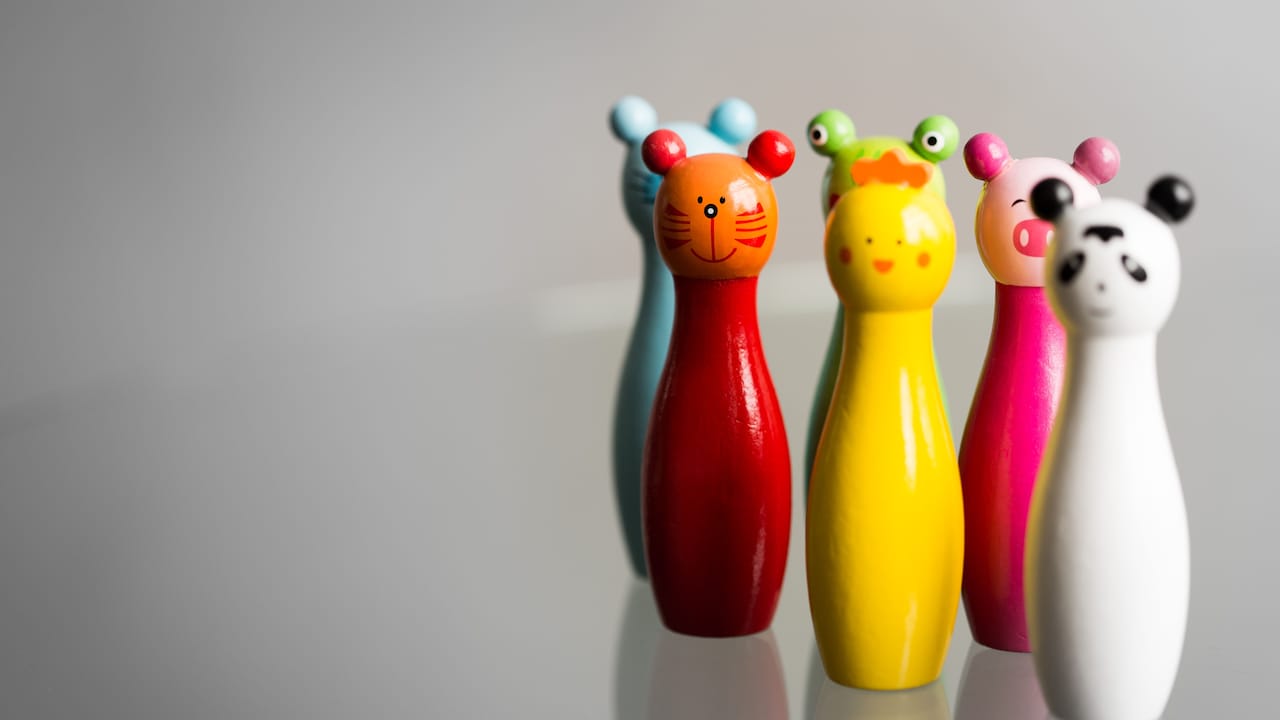
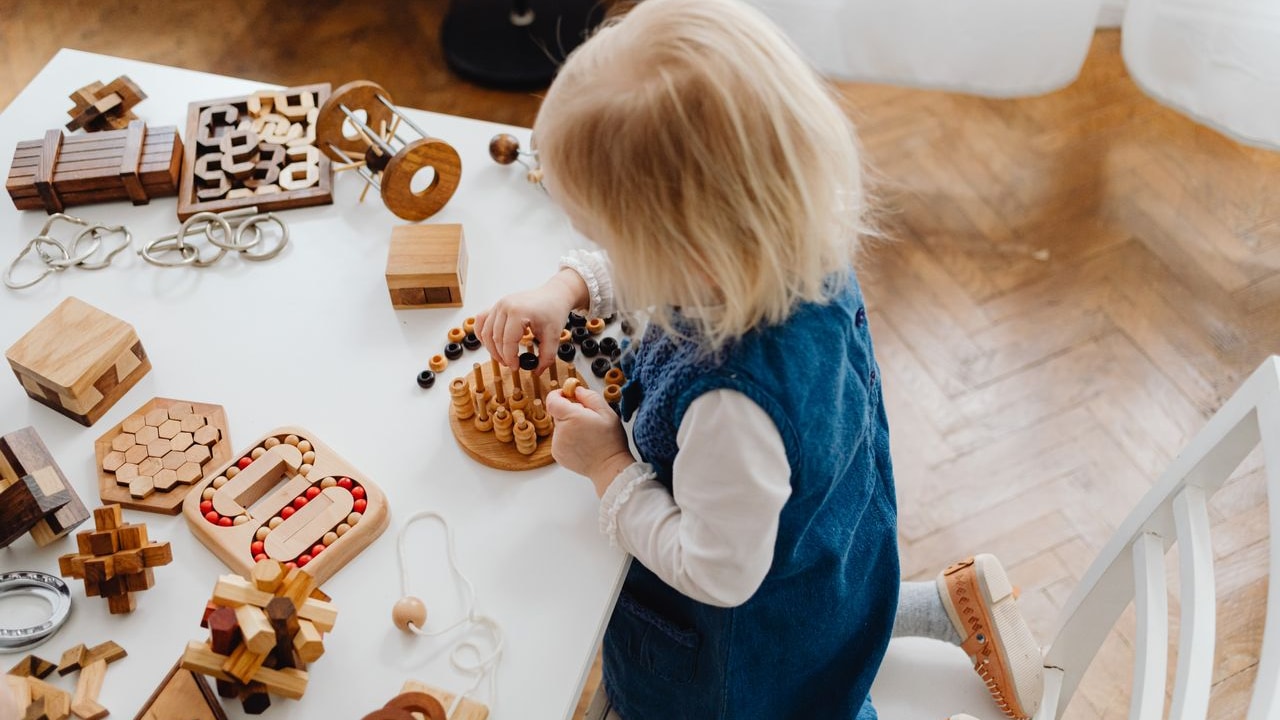
Wooden toys often encourage creativity and imaginative play among children.
Photo Credit: Pexels
This doesn't mean every plastic toy is bad. Plenty of well-made plastic toys serve educational and developmental purposes.
However, Channapatna toys offer some distinct advantages.
1. They Are Made From Natural Materials
One of the biggest appeals is that these toys are primarily wooden.
Parents looking to reduce plastic use often appreciate toys made from renewable materials rather than synthetic alternatives. Traditional Channapatna toys also incorporate natural lac and vegetable-derived colours.
2. They Encourage Imagination
Many modern toys come with fixed functions.
Push a button and the toy sings.
Push another and it flashes.
The child watches.
Wooden toys often encourage participation instead of observation. A simple wooden train or animal can become anything in a child's imagination.
And children are often much better storytellers than adults give them credit for.
3. They Are Durable
Anybody who has stepped on a broken plastic toy knows how quickly some toys fall apart.
Wooden toys, on the other hand, often survive years of play. In many Indian households, Channapatna toys are passed from one child to another and occasionally even from one generation to the next.
Few plastic toys can make that claim.
4. They Support Traditional Artisans
When you purchase an authentic Channapatna toy, you're not merely buying something for playtime.
You're helping sustain a centuries-old craft tradition and supporting artisan communities whose livelihoods depend on this skill. More than 1,500 artisans are associated with the industry in the region.
That connection between maker and buyer feels increasingly rare today.
5. They Look Beautiful
Let's be honest.
Many children's toys are not exactly pleasing to the eye.
Bright plastic often dominates living rooms, nurseries and play areas.
Channapatna toys have a different aesthetic. Their rounded forms, vibrant lacquer finish and handcrafted appearance allow them to blend into homes almost like decorative objects.
Some parents buy them for children. Others buy them for themselves.
More Than Toys
Over the years, Channapatna artisans have expanded beyond traditional dolls and playthings.
Today, the craft includes jewellery boxes, home decor items, pen stands, coasters, decorative figures, lamp stands and gift products.
This evolution has helped keep the tradition alive while making it relevant for contemporary buyers.
That's often how heritage survives. Not by remaining frozen in time, but by adapting without losing its identity.
A Small Toy With A Bigger Message
There is something quietly reassuring about a Channapatna toy.
Perhaps it is the fact that it carries centuries of history in a child's palm. Perhaps it is the handcrafted nature of the object. Or perhaps it is simply a reminder that not everything needs to be battery-powered to be meaningful.
In an age dominated by plastic packaging, algorithm-driven entertainment and endless upgrades, a colourful wooden toy from Karnataka feels almost rebellious in its simplicity.
And maybe that's why it continues to endure.
Not because it competes with modern toys. But because it offers something different.
Something slower. Something more human. And sometimes, that is exactly what childhood needs.
Top Channapatna Toys To Shop On Amazon
1. SIGNY Handcrafted Channapatna Kathakali Wooden Doll Set of 4 | Traditional Hand-Painted Indian Art Figurines | Wooden Decorative Showpiece for Home Decor Golu Festival Navratri Gift Item | 10–12 cm
2. SIGNY Handcrafted Channapatna Wooden Yakshagana Dolls | Traditional Karnataka Wooden Handmade Figurines | Ethnic Home Decor Showpiece Cultural | Festival & Wedding Gift | 18 cm
3. SIGNY Handcrafted Channapatna Wooden Rocking Horse Couple Dolls | Kelu Gombe Jodi Traditional Karnataka Wooden Toy | Handmade Lacquered Home Decor Showpiece | Wedding Gift | Decorative Figurines 16 cm
4. Wooden Baby Rattles Combo Pack Set of 6, Non Toxic Channapatna Toys - Baby Musical Toys, Teether, Natural Colours, Loud Sound for New Born, Baby, Infants.
5. Channapatna Kutumba Wooden Peg Dolls - 8 Pieces | Indian Family Doll Set | Handcrafted | Ivory Wood | Wooden Toys for Kids | Toy for Gifting | Childs Imagination | Wooden Doll Set | 1 Year+
6. Channapatna Toys Wooden Peg Dolls South Indian Couples Non Toxic Colors (2 Years+) - Set of 6 Wooden Dolls | Pretend Play, Open Ended Toys
7. Channapatna Handmade Wooden Couple Dolls Set | Traditional Karnataka Lacquer Toy | Navaratri Golu | Premium Pine Wood | Hand Painted Indian Folk Art | Home Decor & Gift | Height 11 cm | Set of 2
8. Channapatna Toys Wooden Train for 12 Months & Above Kids, Toddlers, Infant & Preschool Toys - Multicolor - with Attached String- Encourage Walking, Free Tiger peg Doll
Frequently Asked Questions (FAQs)
1. What are Channapatna toys made of?
Channapatna toys are traditionally handcrafted from soft wood and finished with natural lac and vegetable-based dyes, making them durable and child-friendly.
2. Why are Channapatna toys famous?
They are famous for their colourful lacquer finish, handcrafted quality, rich heritage and centuries-old toy-making tradition from Karnataka.
3. Are Channapatna toys safe for children?
Authentic Channapatna toys are generally considered safer because they are made using natural materials and non-toxic colours.
4. What is the history of Channapatna toys?
The craft dates back over 200 years and grew under the patronage of Tipu Sultan, eventually becoming one of India's most celebrated handicrafts.
5. Why are wooden toys better than plastic toys?
Wooden toys are often longer-lasting, eco-friendly, aesthetically pleasing and encourage imaginative, screen-free play compared to many plastic toys.
(Disclaimer: This article may include references to or features of products and services made available through affiliate marketing campaigns. NDTV Convergence Limited (“NDTV”) strives to maintain editorial independence while participating in such campaigns. NDTV does not assume responsibility for the performance or claims of any featured products or services.)