How To Prevent Puzzle Pieces From Curling: 10 Fixes For Moisture, Storage And Surface Choice
Puzzle pieces curling at the edges can ruin both the fit and finish. From controlling moisture to choosing better storage and puzzle surfaces, these 10 practical fixes can help keep cardboard pieces flatter for longer.
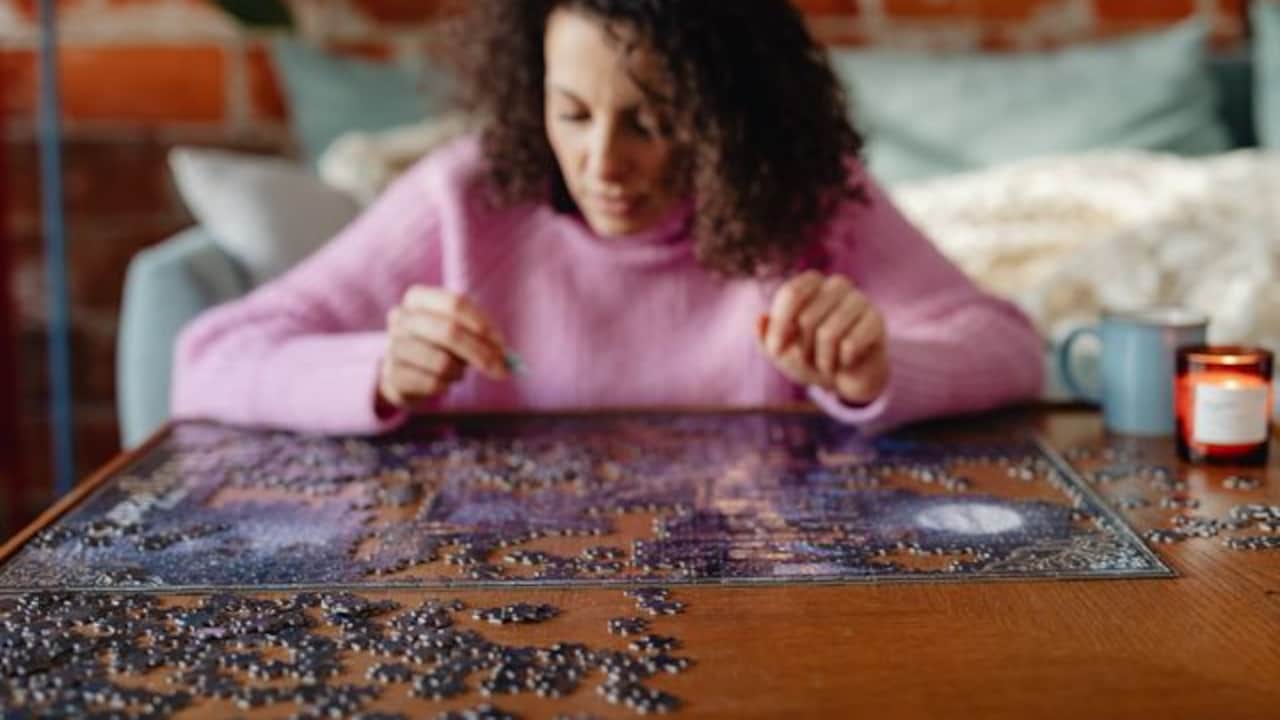
Best way to store puzzle pieces to prevent them from curling
A jigsaw puzzle can sit perfectly flat on the table one evening and look strangely rebellious the next morning. One corner lifts. A few pieces develop tiny curves. Then an entire section starts refusing to sit flush, even though every piece still belongs exactly where it should. It's the sort of small annoyance that becomes surprisingly distracting once noticed. Cardboard puzzle pieces react to their surroundings more than we often realise. Humidity, spilled drinks, damp hands, storage boxes, uneven surfaces and even where a puzzle sits overnight can change how the material behaves. Cardboard contains layers of paper fibres, and those fibres absorb and release moisture. When one side expands or contracts differently from the other, curling can follow.
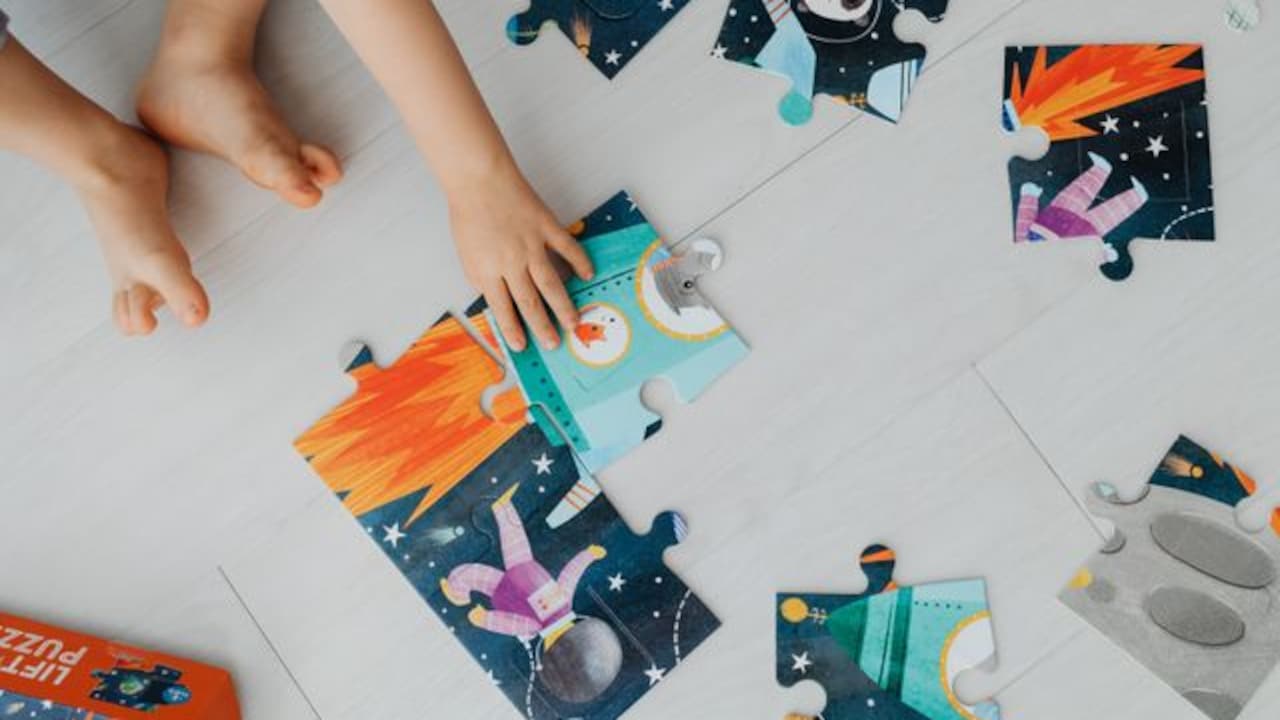
Easy tips to prevent puzzle pieces from curling
Photo Credit: Pexels
The good news is that slightly curled puzzle pieces don't automatically mean the puzzle has reached the end of its life. A few changes in how we build, store and handle puzzles can make a noticeable difference. Prevention works especially well. Rather than trying to flatten dozens of pieces after they warp, it makes sense to tackle the conditions causing the problem in the first place.
Also Read: From Rocket Launchers To Interactive Globes: 5 Toys That Are Low-Key Genius
10 Practical Ways To Keep Puzzle Pieces Flat And Easy To Fit
1. Keep Puzzles Away From Humid Corners Of The House
Humidity ranks among the biggest troublemakers when it comes to cardboard puzzles. Paper fibres absorb moisture from the surrounding air, even when nothing feels obviously wet. As those fibres swell, puzzle pieces can begin curling upwards or developing a gentle bend through the centre.
Rooms that feel comfortable to us may still have pockets of higher humidity. A puzzle table beside a kitchen, balcony door, bathroom wall or frequently opened window may experience more moisture than the rest of the room. Monsoon weather can make the problem particularly noticeable.
Moving the puzzle to a drier part of the house can help. Choose a table away from direct airflow coming through damp windows or doors. A fan or air conditioner may also help maintain a more stable environment, though blasting strong air directly across the puzzle isn't necessary.
Consistency matters more than trying to create a completely moisture-free room. Cardboard copes better when conditions remain fairly steady rather than switching repeatedly between damp and very dry.
2. Never Build A Puzzle Directly On A Damp Table
That dining table may look completely dry, but appearances can be deceptive. A recently wiped surface can retain a thin layer of moisture long after visible droplets disappear. Place cardboard puzzle pieces on it immediately and the underside may start absorbing that moisture.
This creates an awkward imbalance. The bottom expands slightly while the printed upper layer stays relatively dry. The result can be curled edges, raised centres or pieces that suddenly refuse to sit comfortably beside their neighbours.
After cleaning a table, give it enough time to dry completely before setting out a puzzle. Running a dry cloth over the surface helps, but allowing additional air-drying time works even better.
Take extra care with wooden tables. Some surfaces can hold traces of moisture in tiny grooves or beneath protective finishes.
A simple puzzle board, mat or thick sheet of clean cardboard can create a useful barrier. It also makes moving an unfinished puzzle much easier when someone suddenly announces that the dining table is required for dinner.
3. Choose A Firm, Flat Puzzle Surface
A soft bed or carpet may seem like a comfortable place for a quiet puzzle session, but the puzzle itself would probably vote for the dining table.
Soft and uneven surfaces place inconsistent pressure beneath individual pieces. Some areas sink while others remain raised. Over several hours, especially when humidity joins the equation, thin cardboard pieces can begin developing slight curves.
A firm surface distributes pressure evenly across the puzzle. Wooden tables, laminated desks and dedicated puzzle boards generally work well, provided they're dry and genuinely level.
Watch out for tables that appear flat but have deep joins, textured finishes or flexible tops. Large puzzles can gradually conform to these irregularities.
If the available surface isn't ideal, place a rigid board underneath. MDF-style puzzle boards, thick craft boards or similarly stable surfaces can create a much better working area.
There's another advantage: properly aligned pieces are easier to spot. When the surface beneath them stays flat, a raised edge becomes obvious before an entire section starts behaving like miniature cardboard hills.
4. Keep Drinks And Wet Hands Away From The Pieces
One splash of water can do more than leave an annoying mark. Puzzle cardboard absorbs liquid quickly, and even a few droplets may distort a piece permanently if they soak deeply enough.
The danger isn't limited to dramatic spills. Condensation dripping from a chilled glass can create tiny wet patches on the table. Damp fingers after washing hands can transfer enough moisture to soften the edges of thin pieces.
Keep drinks slightly away from the puzzle rather than beside the sorting area. Using a coaster helps with condensation, although distance remains the safer option.
Make sure hands are properly dry before handling pieces. This matters especially during humid weather, when cardboard may already contain more moisture than usual.
If a piece does become slightly damp, resist the urge to bend it back into shape immediately. Wet cardboard becomes more vulnerable to creasing. Let it dry between clean, flat surfaces with gentle pressure instead.
Puzzles may survive thousands of wrong guesses. A glass of water, unfortunately, plays by harsher rules.
5. Store Loose Pieces In The Original Box Properly
Once puzzle night ends, tipping every loose piece into the box and pushing it under a bed seems harmless. Storage conditions, however, can slowly change the shape of the pieces.
Boxes stored vertically may allow pieces to settle unevenly against one side. Heavy objects placed on top can also crush edges or force pieces into awkward positions. Meanwhile, a box stored against a damp wall may expose the cardboard to higher humidity.
Whenever possible, store puzzle boxes flat in a cool, dry cupboard or shelf. Make sure the lid closes properly so dust and moisture don't enter as easily.
For puzzles that won't be used for several months, placing the pieces inside a clean resealable bag before returning them to the box can provide another layer of protection. Just ensure the pieces are completely dry before sealing them.
Avoid tightly stuffing several bags into a small box. Compression can bend delicate pieces almost as effectively as moisture.
Good storage should keep the pieces protected, not turn the box into a cardboard pressure cooker.
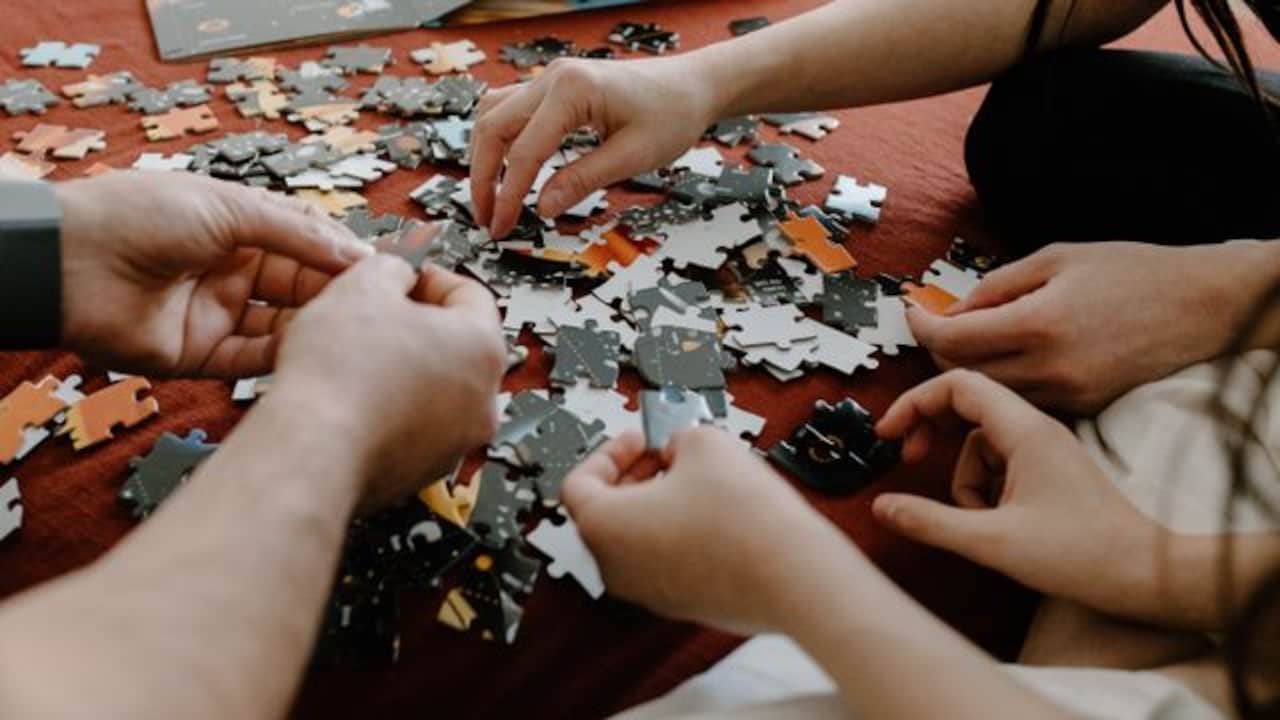
Always use original boxes to store puzzle peices the right way
Photo Credit: Pexels
6. Avoid Long Exposure To Direct Sunlight
Sunlight seems like the obvious answer when moisture causes curling. After all, warmth helps things dry. Unfortunately, leaving puzzle pieces baking beside a sunny window can create a different problem.
Direct heat may dry one side of the cardboard more quickly than the other. Uneven moisture loss can make the piece curve in the opposite direction. Strong sunlight may also fade printed artwork over time, particularly on puzzles with deep blues, reds and darker shades.
If pieces feel slightly damp after humid weather, allow them to dry naturally in a well-ventilated room instead. Keep them on a flat surface and away from intense heat.
The same principle applies to hair dryers, heaters and other quick-drying tricks. A blast of hot air may sound efficient, but concentrated heat can distort layers or weaken adhesives inside laminated puzzle pieces.
Gentle drying takes longer, yet gives the material time to adjust more evenly.
Think of puzzle cardboard less like a wet towel and more like a book page. Slow, controlled drying usually produces a much neater result.
7. Flatten Slightly Curled Pieces Before They Get Worse
A tiny curve is much easier to correct than a piece that has spent months shaped like a potato crisp.
When a piece starts lifting at one edge, place it between two clean sheets of plain paper and position it under a flat, moderately heavy object. A large book often works well. Leave it there for several hours or overnight.
The paper protects the printed surface while the weight encourages the cardboard to return to a flatter shape.
Avoid applying extreme pressure. Crushing the piece can compress its edges, damage printed coatings or make it fit poorly afterwards.
Also resist bending the piece manually in the opposite direction. That method sometimes appears to work for a few minutes, but it can introduce a permanent crease through the cardboard layers.
For several affected pieces, arrange them separately rather than stacking curled pieces directly on top of one another. Otherwise, one warped shape may press itself into the next.
Early intervention keeps a minor curl from becoming a much more stubborn problem.
8. Don't Leave An Unfinished Puzzle On The Floor Overnight
The floor often looks like an appealing place for a huge puzzle, especially when the dining table isn't large enough. Unfortunately, floors can expose cardboard to conditions that aren't obvious at first glance.
Tile and stone surfaces may remain cooler than the surrounding air, encouraging condensation during humid weather. Floors can also pick up moisture from mopping, nearby balconies or changes in temperature.
Then there's the practical danger: feet, pets, vacuum cleaners and that one family member who somehow steps exactly where the nearly completed sky section sits.
If floor space is the only realistic option, place a rigid puzzle board underneath rather than building directly on tiles or carpet. When the session ends, move the board somewhere protected if possible.
A puzzle mat can help with temporary storage, although pieces should remain dry before rolling.
Keeping an unfinished puzzle slightly elevated also improves airflow and reduces contact with cold surfaces.
A 2,000-piece puzzle already requires patience. Adding accidental floor humidity to the challenge feels unnecessarily ambitious.
9. Let New Puzzle Pieces Adjust Before Starting
Sometimes curling begins before a puzzle has even had a proper chance to cause frustration.
A newly delivered box may have travelled through warehouses, delivery vehicles and changing weather conditions. When opened, the pieces can suddenly encounter a very different temperature and humidity level inside the house.
If the pieces feel unusually cool, slightly soft or damp, avoid immediately spreading them across the table and pressing them together. Let the open box sit in a dry room for a while so the cardboard can adjust gradually.
Spread the pieces loosely if necessary, but don't pile them close to a fan, heater or sunny window.
This small step can be especially useful during humid months or when a package has spent time outside before delivery.
Most puzzles won't require elaborate acclimatisation, of course. We're dealing with cardboard, not a grand piano. Still, giving moisture-prone pieces a little time to settle can prevent unnecessary warping before the real challenge begins.
Then the only battle left is finding that suspiciously invisible corner piece.
10. Protect Completed Puzzles Before Displaying Them
Finishing the final section brings a particular kind of satisfaction. Unfortunately, a completed puzzle can still curl later if it remains exposed to changing moisture levels.
If the puzzle is going into a frame, make sure the board and pieces are completely dry first. A sturdy backing board helps keep everything supported and reduces movement.
Those using puzzle glue should follow the product instructions carefully and apply it evenly. Too much liquid in one area can soak the cardboard and produce fresh warping. Allow each layer to dry fully on a flat surface.
Framing behind glass or acrylic can protect the artwork from dust and accidental splashes, but avoid displaying the finished puzzle where strong sunlight or damp air repeatedly reaches it.
If you prefer keeping completed puzzles unglued, slide them between rigid boards before storage and keep them flat.
After spending hours arguing internally about whether two nearly identical blue pieces belong to the sea or the sky, allowing humidity to undo the finished puzzle would be a particularly cruel ending.
Products Related To This Article
1. Skillmatics Piece & Play Space – Floor Jigsaw Puzzle & Game for Toddlers
2. Skillmatics Puzzle & Learn – Farm Animals, 25-Piece Jigsaw Puzzle
3. Roll N Seek India Map - Educational Board Game & Puzzle | Learn Indian Sate
4. Blossom Street | Premium Jigsaw Puzzle (500 Pieces) for Adults & Teens
5. Ratna's Chureito Pagoda Japan Jigsaw Puzzle
6. Ratna's 4 in 1 Indian Seasons Jigsaw Puzzle for Kids
7. Popcorn Games & Puzzles 160 Piece Puzzle Seven Wonders of The World
Puzzle pieces usually curl because cardboard reacts to moisture, pressure, heat and uneven surfaces rather than because something is fundamentally wrong with the puzzle. Keeping the workspace dry, choosing a firm surface and storing pieces carefully can prevent most problems. When a slight curl does appear, gentle flattening often works better than force. Treat the cardboard kindly, and the pieces are far more likely to stay where they belong.
(Disclaimer: This article may include references to or features of products and services made available through affiliate marketing campaigns. NDTV Convergence Limited (“NDTV”) strives to maintain editorial independence while participating in such campaigns. NDTV does not assume responsibility for the performance or claims of any featured products or services.)