Can You Carry A Power Bank In Checked Luggage On Indian Flights
Are you planning to fly in India? Find out if power banks are allowed in checked luggage, what the DGCA rules say, and how to carry them safely on a flight.

Can You Carry A Power Bank In Checked Luggage On Indian Flights
Packing for a flight always brings up those last-minute questions, and power banks tend to be one of the trickier ones. If you have ever stood next to your travel suitcase wondering if you should throw your power bank in or keep it in your carry-on, you are not alone. Many travellers purchase these online from Amazon or in local electronics stores, only to discover the particular rules of aviation once they are at the airport. Get it wrong and you face delays, confiscation or worse – an unexpected fine. The answer is no. Indian airlines do not allow power banks in checked baggage. But it's not a blanket prohibition. The capacity, the airline, and how you carry it all matter. Knowing the details ahead of time avoids a lot of stress at the security counter.
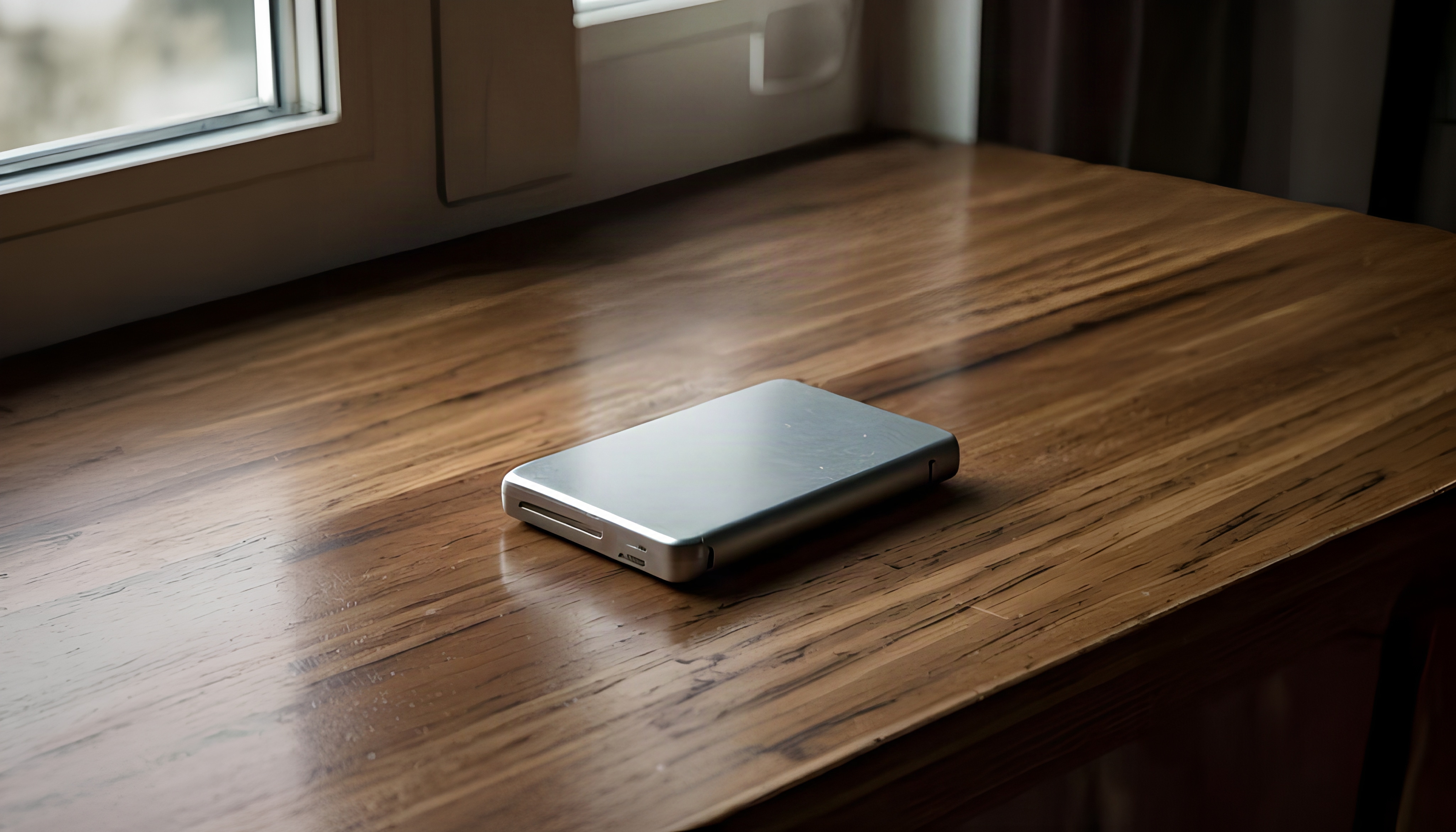
Can You Carry A Power Bank In Checked Luggage On Indian Flights?; Photo Credit: iStock
Can You Carry A Power Bank In Checked Luggage On Indian Flights?
1. What DGCA Says About Power Banks In Hold Luggage
The Directorate General of Civil Aviation (DGCA), which sets the ground rules for air travel in India, has clear guidelines on this. Lithium-ion battery devices, such as power banks, are classified as dangerous goods when packed in hold baggage. They are absolutely banned in checked baggage on all domestic and international flights operating from Indian airports.
This is not a rule that is specific to one airline or one route. All carriers under Indian aviation rules have to follow the same guidelines of the DGCA, which are in sync with International Air Transport Association (IATA) norms. So if you are flying domestically or flying from an Indian airport, the same restriction applies.
2. The Risk That Makes Power Banks A Restricted Item
Power banks are banned from the cargo hold because of fire risk. Lithium-ion batteries can overheat, and in a pressurised, temperature-variable cargo hold the risk of thermal runaway, a chain reaction that leads to fire, increases. The cabin allows a flight crew to quickly respond to something overheating. There's no one watching in the hold, and fires down there are much more difficult to contain.
This is the principal reason why aviation authorities across the globe, including the DGCA, keep these batteries close to the passengers and not tucked away in the belly of the plane.
Also Read: Top Phone Accessories To Gift This Diwali For Practical Everyday Use
Why Airlines And The DGCA Have These Rules In Place
1. IndiGo's Policy On Power Banks
IndiGo, India's most popular budget carrier, follows DGCA guidelines and does not allow power banks in checked baggage. Power banks are only allowed in cabin baggage and only if their capacity is less than or equal to 100 Wh. 100 Wh to 160 Wh: Prior approval of the airline is required. Anything above 160 Wh is absolutely not allowed on board.
2. Air India's Policy On Power Banks
Air India has a similar broad framework. Power banks need to be carried in cabin luggage and not in the hold. Devices over 100Wh are not allowed on the airline without prior approval? For devices between 100Wh and 160Wh, you need written permission before the flight. It's always a sensible idea to check directly with the airline before travel, as policies can be updated.
Most other Indian carriers – Vistara (now merged with Air India), SpiceJet and Akasa Air – operate under the same DGCA-mandated limits, so the rules don't change much between airlines.
What Are The Rules For Carrying A Power Bank In Cabin Baggage?
1. How To Check Your Power Bank's Capacity Before Flying
What you need to look at is not the milliamp-hours (mAh) printed on the labels of most power banks, but the watt-hours (Wh). To convert, use this simple formula: Wh = (mAh x V) / 1000. The majority of power banks are 3.7 V, meaning a 20,000mAh bank is around 74Wh – well under the 100Wh limit. A 26,800 mAh bank at 3.7 V comes in at around 99.16 Wh, which also just makes the cut.
If you don't see the watt-hour rating on the power bank, check the product page or the manufacturer's documentation. Carrying a bank you cannot identify may result in it being held back at the security checkpoint.
2. How To Pack Your Power Bank For Cabin Baggage
Place it in an easily accessible area of your carry-on bag or personal item, as it may need to be removed for security personnel to screen. If your device came with a cap, use that, or tape over the charging ports — exposed terminals can short out. If you can bring it in its original packaging, that's even better, since it makes identification easier at the checkpoint.
3. What Happens If You Put A Power Bank In Your Checked Bag
Airport security will remove a power bank if it is found in checked luggage during screening. In most cases, you won't be able to get it back before your flight leaves. The device can be confiscated without any compensation. Repeated violations or wilful concealment are allowed by aviation security regulations as fines. There is no way it is worth the risk.
Tips For Travelling With A Power Bank On Indian Flights
1. Power Banks Worth Considering For Air Travel
If you're buying a power bank for travel, it's much easier to get through airport security if its watt-hour rating is clearly marked on the label. The compact models in the 10,000-20,000 mAh range are generally well within the limits of airlines and are easy to pack. Look for short-circuit protection and temperature regulation built in — these features mean more when you're flying regularly.
Sticking to reputable brands helps too; their specs tend to be accurate, and security is less likely to flag their devices. Always read the full airline baggage policy before flying, especially if you are taking an international connection from India, as transit airport rules may differ a little.
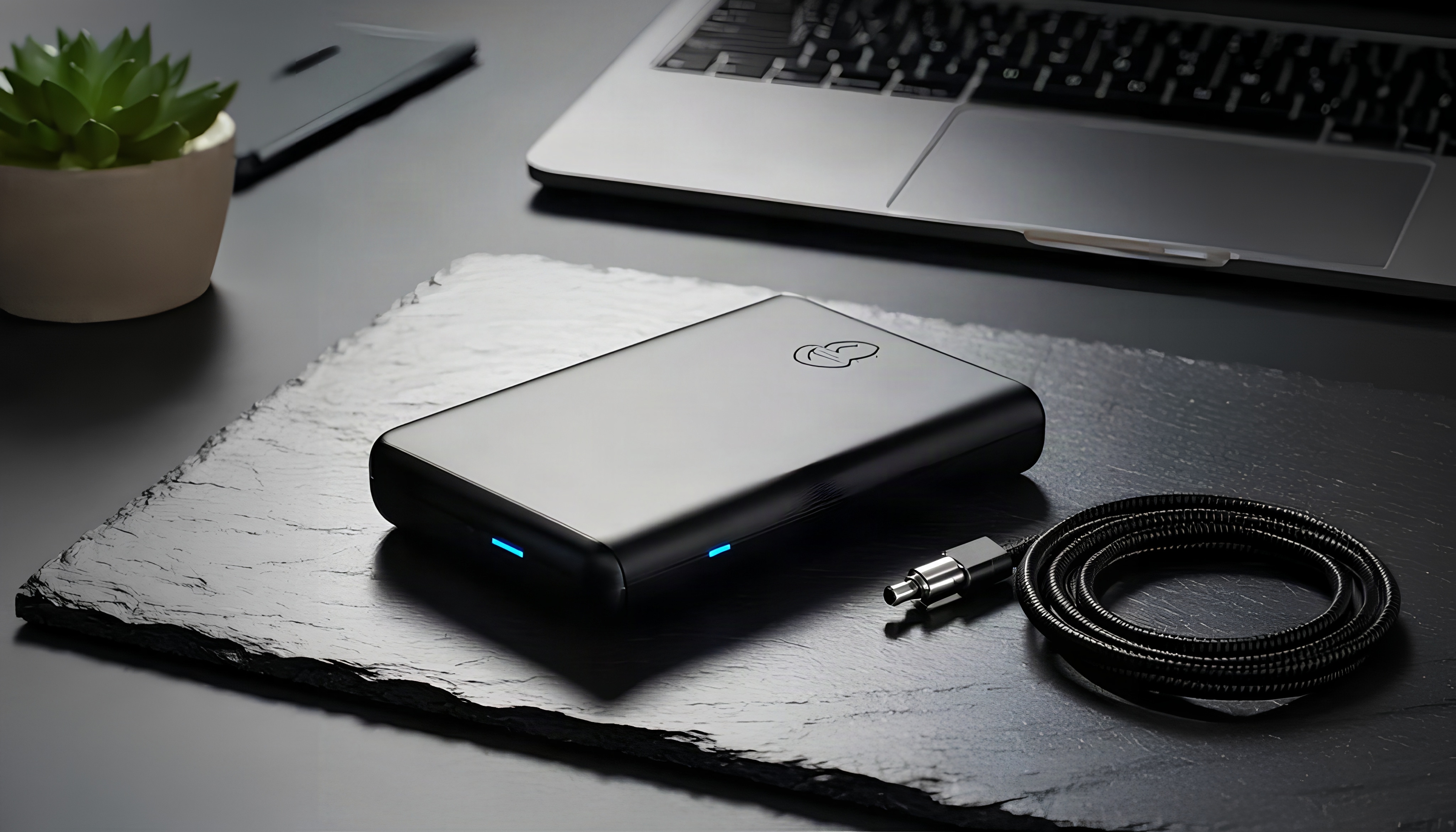
Some Products You May Like; Photo Credit: iStock
Some Products You May Like
1. boAt EnergyShroom PB300 Neo 10000mAh Power Bank
2. Amazon Basics 20000 mAh Power Bank
3. Ambrane MagSafe Wireless 10000mAh Fast Charging Power Bank
4. Xiaomi Power Bank 4i 20000 mAh 33W Super Fast Charging
5. URBN Power Bank 20000mAh Fast Charging
6. Noise Qi2 Certified MagSafe Wireless 10000mAh Power Bank
7. Portronics 65W Ignis 65 20000 mAh Fast Charging Power Bank
8. Xiaomi Power Bank 5i 20000mAh 67W Turbo Charging PD 3.0 & PPS
Power banks on Amazon offer unbeatable choice, from 10000mAh pocket models to 20000mAh+ fast-charging beasts, with top brands at festival prices. Check capacity, PD charging, and ports before buying. With Amazon Great Indian Festival deals live, it's the best time to grab a reliable backup. Shop now on Amazon.
Frequently Asked Questions (FAQs)
1. Are power banks allowed on Indian domestic flights?
Yes, but only in cabin luggage. They are not allowed in checked baggage on any domestic Indian flight, irrespective of the airline.
2. What is the maximum power bank capacity allowed on Indian flights?
Under 100 Wh, without prior approval. 100 Wh up to 160Wh requires airline approval. Nothing exceeding 160 Wh is allowed.
3. Can you carry two power banks on a flight in India?
Most airlines allow passengers to carry two power banks in their hand luggage, provided that both are within the approved capacity limits. Check with your airline.
4. What if my power bank doesn't show the watt-hour rating?
You can calculate it yourself based on the mAh and voltage, or you can check the manufacturer's documentation. Security may remove devices with unverifiable ratings.
5. Do international flights from India have different power bank rules?
DGCA rules apply at Indian airports, but destination country rules and transit airport policies may differ. Always check with the airline well ahead of travel.
(Disclaimer: This article may include references to or features of products and services made available through affiliate marketing campaigns. NDTV Convergence Limited (“NDTV”) strives to maintain editorial independence while participating in such campaigns. NDTV does not assume responsibility for the performance or claims of any featured products or services.)