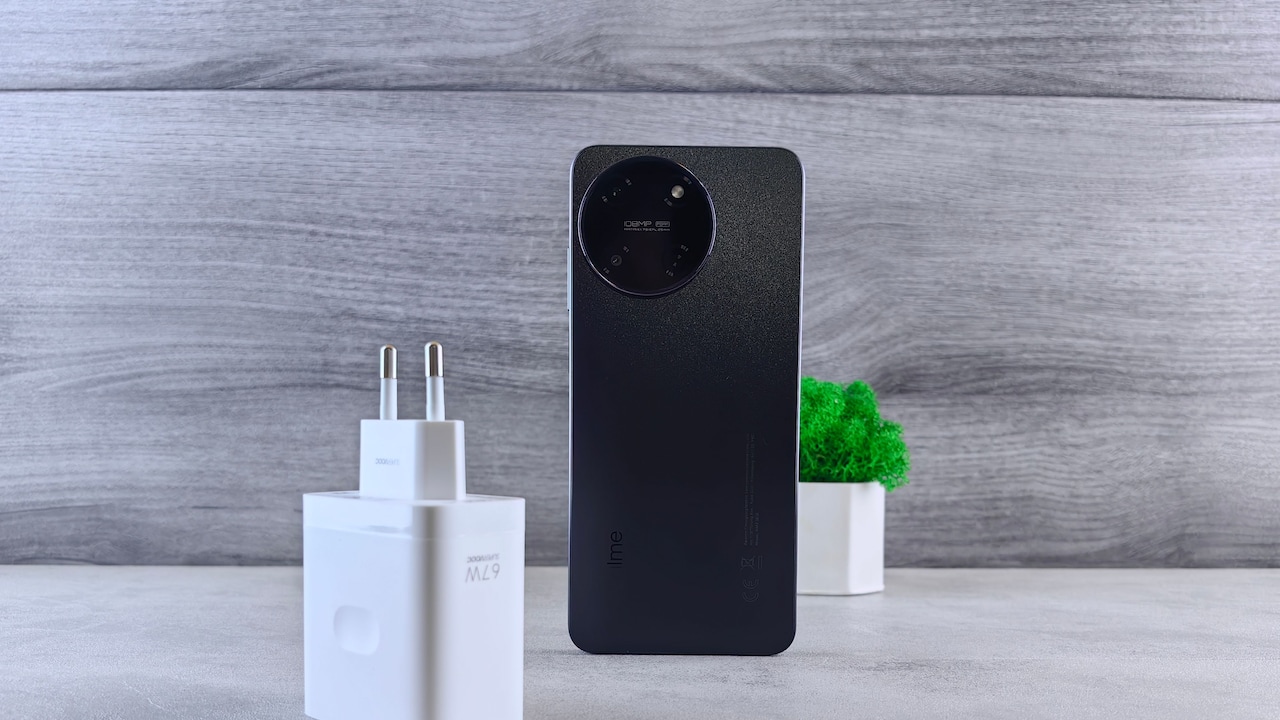
Does A High-Megapixel Camera Guarantee Better Portraits? 10 Smartphone Photography Myths Explained
Do more megapixels really mean better portraits? This article busts 10 common smartphone photography myths and explains what truly improves your shots, from lighting and lenses to zoom, editing and camera settings.

10 Smartphone Photography Myths That Could Be Ruining Your Photos
Buying a new smartphone can feel like choosing a camera from a buffet of technical jargon. One model promises 108 megapixels, another boasts artificial intelligence, while a third claims to capture the moon as clearly as a streetlamp. By the end of the advertisement, even a casual buyer may feel ready to photograph a magazine cover. Reality tends to arrive later. The first portrait looks flat, the evening selfie appears grainy, and the carefully photographed plate of biryani somehow resembles a geography project.

10 Smartphone Photography Myths That Could Be Ruining Your Photos; Photo Credit: Pexels
The problem is not always the phone. Smartphone photography is surrounded by myths that make specifications seem more important than skill. Camera hardware certainly matters, but numbers alone rarely tell the whole story. Light, lens quality, software, stability and creative judgement can influence an image far more than a headline feature.
Understanding these myths can save money, reduce frustration and make everyday photographs noticeably better. No photography degree is required. A little curiosity and a willingness to move two steps towards a window can work wonders.
10 Smartphone Photography Myths You Should Stop Believing
Myth 1: More Megapixels Always Mean Better Portraits
Megapixels describe the number of pixels a camera sensor can record. They do not measure beauty, depth, colour accuracy or emotional impact. A 200-megapixel camera may capture more detail than a 12-megapixel one, but that advantage becomes useful mainly when cropping heavily, printing large photographs or shooting in excellent light.
Portrait quality depends on several other factors. Sensor size affects how much light the camera gathers. Lens quality influences sharpness and distortion. Image processing decides how skin tones, shadows and textures appear. A phone may capture every pore with impressive precision yet produce an unnatural face through aggressive sharpening.
Most smartphones also combine groups of pixels through a process called pixel binning. Therefore, a 200-megapixel sensor may create a 12.5-megapixel image by default. This can improve brightness and reduce noise, particularly indoors.
For everyday portraits shared on WhatsApp or Instagram, a well-tuned lower-megapixel camera can easily outperform a poorly optimised high-megapixel one. A warm expression beside a sunlit balcony will usually beat a technically enormous file taken under a harsh tube light.
Also Read: Capture Stunning Photos: 5 Mobile Camera Accessories Under ₹500 to Elevate Your Shots
Myth 2: Portrait Mode Works Just Like A Professional Camera
Portrait mode creates background blur through software. It identifies the subject, estimates depth and softens everything behind the face. The result can look impressive on a small screen, but it does not work exactly like the natural blur produced by a large camera sensor and a wide-aperture lens.
Software can struggle with complicated edges. Loose hair, spectacles, earrings, flower garlands and fingers often confuse the depth map. Zooming into the photograph may reveal blurred ears, strangely sharp background patches or a hairstyle that appears to have been trimmed by a nervous robot.
Natural depth also changes gradually. Objects close to the subject appear slightly blurred, while distant areas become softer. Artificial portrait effects may apply blur too evenly, making the person look pasted onto the scene.
Portrait mode still has value. It works best when the subject stands clearly away from the background and the light is even. Avoid crowded patterns, railings and leafy branches directly behind the head. When the software looks uncertain, a regular photograph may appear more realistic. A clean background and thoughtful framing can create depth without any digital drama.
Myth 3: Digital Zoom Brings Distant Subjects Closer Without Sacrificing Quality
Pinching the screen to zoom feels convenient, especially during a school performance, cricket match or crowded festival. Unfortunately, digital zoom does not magically bring the camera closer. It usually enlarges and crops the existing image, much like stretching a small photograph until its details begin to crumble.
Some smartphones use a dedicated telephoto lens for optical zoom. This offers a genuine change in perspective and generally preserves more detail. However, once the camera moves beyond its optical range, software enhancement takes over. Artificial intelligence may sharpen edges and reconstruct textures, but it cannot reliably recover detail that the sensor never captured.
The difference becomes obvious in low light. A digitally zoomed photograph may show smeared faces, painted-looking hair and lettering that resembles melted chalk.
Whenever possible, move physically closer. At a family function, stepping forward by a few metres often improves quality more than selecting 10x zoom. When movement is impossible, take the photograph at a lower zoom level and crop it later. This gives greater control over framing. Digital zoom can be useful for quick records, but it should not be mistaken for a pair of invisible binoculars.

10 Smartphone Photography Myths That Could Be Ruining Your Photos; Photo Credit: Pexels
Myth 4: Night Mode Can Turn Darkness Into Daylight
Night mode is one of the smartest features in modern phones. It captures several frames over a short period and combines them to produce a brighter, cleaner image. The technology can reveal details that would otherwise disappear into darkness. However, it cannot rewrite the laws of light.
A night-mode photograph often requires the phone to remain steady for several seconds. Any movement during that time can create blur. Buildings and parked vehicles cooperate nicely. Children, pets and enthusiastic relatives rarely do.
Night mode may also brighten a scene so much that it loses its natural mood. A quiet candlelit dinner can suddenly look like a brightly lit canteen. Shadows may turn grey, skies may appear unnatural and decorative lights may lose their glow.
Use night mode when clarity matters, but keep the phone stable against a wall, table or railing. Ask people to hold still briefly rather than expecting the software to freeze every gesture. Sometimes, preserving darkness creates a stronger picture. A silhouette beneath festive lights can feel more memorable than a fully brightened scene. Darkness is not always a technical problem; it can be part of the story.
Myth 5: Artificial Intelligence Always Improves A Photograph
Artificial intelligence now identifies faces, food, flowers, pets, skies and dozens of other subjects. It can adjust colour, contrast, sharpness and exposure within seconds. These changes often make photographs look brighter and more attractive, especially on a phone screen.
Yet artificial intelligence does not understand personal taste. It follows patterns learnt from huge collections of images. As a result, green leaves may become suspiciously fluorescent, sunsets may turn orange enough to alarm the weather department, and skin can appear smoother than a freshly painted wall.
Automatic enhancement can also remove details that give a face character. Fine lines, freckles and natural texture may disappear beneath heavy beauty processing. The result looks polished but less personal.
Treat artificial intelligence as an assistant, not an unquestionable art director. Compare the enhanced image with the original. Reduce filters when colours look excessive, and switch off beauty settings when faces begin to resemble wax figures.
A good photograph does not need to shout. Natural colours, balanced contrast and believable skin tones often remain appealing for longer than fashionable processing. Technology should support the moment rather than replace its personality.
Myth 6: The Most Expensive Phone Takes The Best Photographs
A flagship phone costing ₹1,20,000 may contain advanced sensors, stabilisation and processing. That does not mean every photograph taken with it will look better than one captured on a ₹25,000 handset. Expensive hardware increases possibilities, but it cannot guarantee good judgement.
A poorly framed portrait remains poorly framed, even when captured through premium glass. Harsh overhead sunlight will still create deep shadows. A cluttered background can still distract from the subject. Meanwhile, someone using a modest phone near a window may produce a far more pleasing image.
Higher-priced models usually perform better in demanding conditions. They may focus faster, preserve more detail at night and offer stronger telephoto cameras. These advantages matter to enthusiasts and frequent content creators. For everyday photography, however, technique can narrow the gap dramatically.
Before upgrading, clean the lens, learn exposure control and study the direction of light. Try photographing the same subject from several angles. Many disappointing images come from fingerprints, rushed framing or unsuitable lighting rather than inadequate equipment.
A premium phone can be a powerful instrument. It is not a photography shortcut. Even the finest pressure cooker cannot rescue a recipe nobody bothered to read.
Myth 7: Flash Is The Best Solution For Low-Light Portraits
Smartphone flash can brighten a nearby face, but it rarely creates flattering light. Because the flash sits close to the lens, it hits the subject directly. This often produces shiny skin, hard shadows, red eyes and a background that falls into darkness.
The result may record the moment, but it can also make a cheerful birthday gathering look like evidence from a late-night investigation.
Look for softer light before using flash. A shop sign, table lamp, doorway or another phone's screen can provide a gentler glow. Ask the subject to turn slightly towards the light instead of facing it straight on. Even a white wall can reflect light and soften shadows.
Flash remains helpful in certain situations. It can freeze movement at close range or add light to a face during daylight when the background is extremely bright. However, automatic flash should not make every decision.
When no other light exists, step back slightly and avoid placing the subject directly against a wall. This reduces harsh shadows behind the head. A little grain can also feel more natural than a brutally bright face. Technical cleanliness is not always worth sacrificing atmosphere.

10 Smartphone Photography Myths That Could Be Ruining Your Photos; Photo Credit: Pexels
Myth 8: Editing Makes A Photograph Fake
Editing has existed for as long as photography itself. Traditional photographers adjusted exposure, contrast and colour in darkrooms. Smartphone apps simply place similar controls on a touchscreen.
Basic editing does not automatically make an image dishonest. Straightening a tilted horizon, correcting white balance or lifting a dark face can help the photograph resemble the scene more accurately. Cropping can remove distractions and guide attention towards the main subject.
Problems begin when editing changes reality rather than refining presentation. Replacing skies, reshaping bodies or removing people can turn a photograph into digital fiction. That may be acceptable for creative artwork, but it becomes misleading when presented as an untouched moment.
The best edits often remain invisible. Start with small adjustments. Reduce highlights, open shadows slightly and avoid pushing saturation until every colour starts competing for attention. Skin should still look like skin, not polished ceramic.
Editing cannot rescue every photograph. Severe blur, missed focus and clipped highlights may contain too little information to repair. A thoughtful edit adds the final seasoning. It should not become an entire bottle of garam masala poured over a dish that needed only a pinch.
Myth 9: A Clean Lens Makes Little Difference
The smartphone camera spends much of its life inside pockets, handbags and hands. It collects fingerprints, dust, moisturiser and the occasional trace of lunch. Because the lens cover is small, even a thin greasy layer can scatter light and reduce contrast.
This creates hazy images, glowing streetlights and soft details. The effect becomes especially obvious at night, when bright bulbs produce long streaks or cloudy halos. Many people blame the sensor or night mode when the real culprit is a fingerprint sitting comfortably across the lens.
Cleaning the camera takes seconds. Use a clean microfibre cloth and wipe gently before an important photograph. A soft cotton cloth can help in an emergency, though rough fabric may leave marks or tiny scratches over time.
Check every lens, not just the main camera. Wide-angle and telephoto lenses may sit in different positions and gather dirt separately. Phone cases can also trap dust around the camera module.
This habit sounds almost too simple, yet it can produce an immediate improvement. Before changing settings, downloading another camera app or planning an expensive upgrade, give the lens a quick wipe. Sometimes, the cheapest camera accessory is a clean shirt sleeve used carefully.
Myth 10: Great Photography Depends Mainly On Camera Settings
Manual controls can be useful. Shutter speed affects movement, ISO controls sensitivity and white balance changes colour. Learning these settings provides creative freedom, but memorable photographs do not begin inside a technical menu.
They begin with observation.
Notice how afternoon light falls across a grandparent's face. Watch for reflections in rainwater, repeating patterns at a market or the quiet pause before a child bursts into laughter. These details create meaning. Camera settings simply help record them.
Automatic mode performs well in most everyday situations. Instead of worrying about every technical option, concentrate on the background, light and timing. Tap the subject to focus. Slide the exposure control down when bright areas lose detail. Hold the phone steady and take several frames during unpredictable moments.
Composition also matters. Avoid placing every face in the centre. Use doorways, windows and shadows to frame the subject. Leave space in the direction a person is looking. Move distracting objects away from the edges.
Technical knowledge improves consistency, but curiosity creates photographs worth keeping. Nobody treasures a family picture because its ISO value was perfect. The expression, memory and moment give it life.
Products Related To This Article
1. OnePlus Nord CE6 | 8GB+256GB | Pitch Black | Snapdragon 7s Gen 4
2. REDMI 15 5G Frosted White 8GB + 256GB
3. Samsung Galaxy M56 5G Mobile
4. Apple iPhone Air 256 GB: Thinnest iPhone Ever, 16.63 cm
5. realme 16 5G Smartphone 8+128GB White
6. Motorola Edge 60 Fusion
7. OnePlus Nord 6 | 12GB+256GB | Pitch Black
Smartphone photography has become increasingly powerful, but its most persuasive myths remain surprisingly simple. More megapixels do not guarantee better portraits. Artificial intelligence does not always make wiser choices. Night mode cannot control moving subjects, and an expensive handset cannot replace thoughtful composition.
The strongest photographs often come from ordinary habits. Clean the lens. Find good light. Move closer. Watch the background. Hold the phone steady. Most importantly, pay attention to the moment rather than becoming trapped inside the settings menu.
A smartphone camera is more than a collection of sensors and software. It is a pocket-sized memory keeper. It records hurried train journeys, evening chai, family celebrations, roadside rain and countless expressions that may never appear in exactly the same way again.
Specifications help, but they remain tools rather than talent. The next great portrait may not require a newer phone, a larger sensor or another filter. It may simply need softer light, better timing and one genuine smile.
(Disclaimer: This article may include references to or features of products and services made available through affiliate marketing campaigns. NDTV Convergence Limited (“NDTV”) strives to maintain editorial independence while participating in such campaigns. NDTV does not assume responsibility for the performance or claims of any featured products or services.)