How To Stay Connected With Family Across Time Zones: A Practical Guide For Modern Families
Living in different countries doesn't mean growing apart. Discover practical ways to stay connected with family across time zones through better communication, shared experiences and meaningful family traditions.

Shared traditions and experiences can help families feel closer despite living apart.
At 8 am in New York, someone is usually calling home to India. Not because there's urgent news to share. Or because an important family decision needs to be made. Because it's simply one of the few moments in the day when both sides happen to be awake. This daily negotiation with the clock has become part of life for millions of families who have members living in different countries. A daughter works in Chicago while her parents live in Delhi. A son studies in California while his grandparents remain in Mumbai. Siblings who once shared a home now navigate careers in different countries and often even different hemispheres.
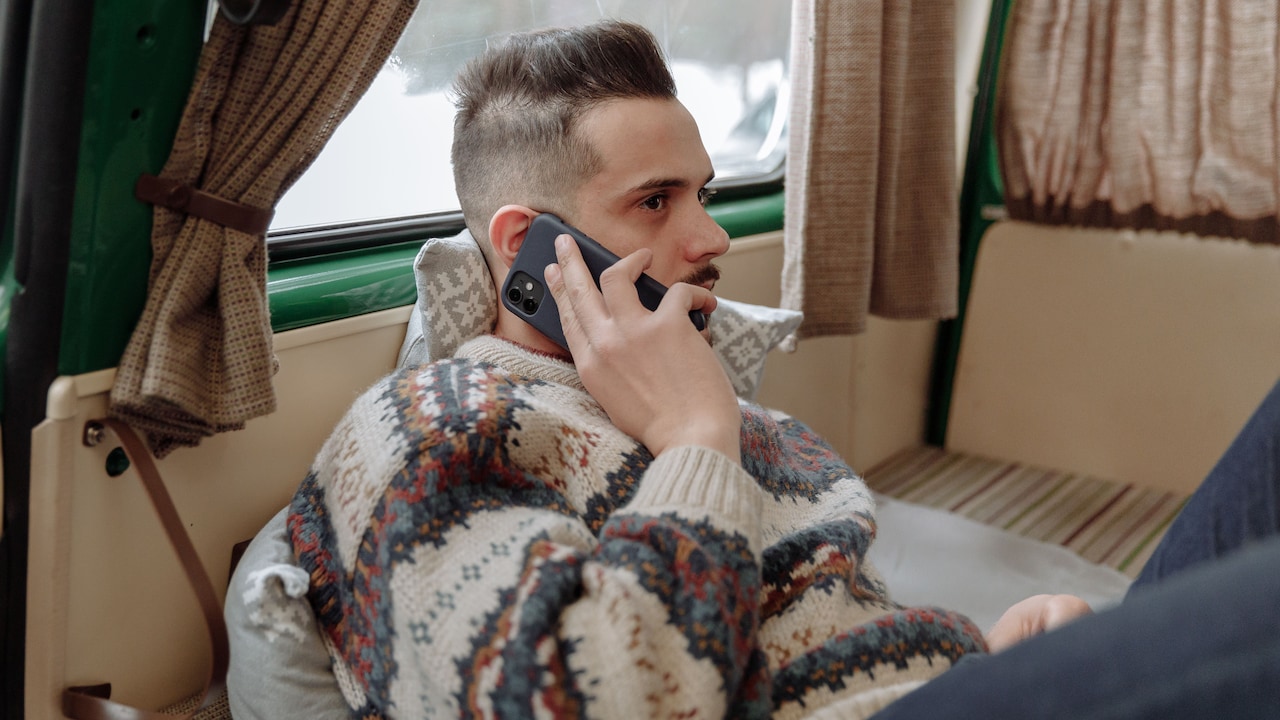
Staying connected with family across time zones requires consistency more than constant communication.
Photo Credit: Pexels
Technology has made international communication almost effortless. Messages arrive instantly. Video calls can connect continents within seconds. Yet for many globally dispersed families, staying close is not really a technology problem.
It's a time problem.
A ten-hour or twelve-hour difference can turn a simple conversation into a scheduling challenge. By the time one family member finishes work, another is asleep. Festivals, birthdays and family gatherings often unfold while someone else is sitting in a classroom, attending a meeting or commuting home.
And yet, some families manage to remain deeply involved in each other's lives despite living thousands of miles apart. They know about school projects, office gossip, weekend plans and everyday milestones. They celebrate successes together and offer support when things become difficult.
The difference is rarely about spending more time communicating. More often, it comes down to communicating differently.
Why Should You Stay Connected
Migration for education and work has become a defining feature of modern life. Families that once lived within a few kilometres of each other now find themselves spread across cities, countries and continents.
While physical distance is easier to accept today than it was a generation ago, emotional distance can still creep in quietly.
It often begins with practical realities. Busy schedules replace daily conversations. Time differences make spontaneous calls difficult. Weeks pass before somebody realises they haven't spoken properly in a while.
The challenge is that relationships are rarely built through major life updates alone. They are built through hundreds of ordinary conversations that happen in between.
Here Is How You Can Stay Connected Across Time Zones And Still Feel Closer To Each Other
1. Understand That Staying Connected Is No Longer About Frequent Calls
One of the biggest misconceptions about long-distance family relationships is that staying close requires constant communication.
In reality, most successful global families are not speaking for hours every day. What they do instead is create a sense of ongoing presence.
Consider how family life worked when everyone lived nearby. Relationships weren't strengthened because people sat together for three hours daily. They grew through small interactions. Sharing breakfast. Discussing plans after work. Talking about something funny that happened during the day.
When families move across countries, those moments disappear unless they are intentionally recreated.
This means shifting the focus away from the number of calls made every week and towards creating regular touchpoints that make family members feel included in each other's everyday lives.
2. Share Ordinary Life, Not Just Important News
Many families unknowingly turn communication into an announcement service.
Calls happen when someone gets a promotion. Messages arrive when someone moves house. Video chats are arranged during birthdays, weddings and festivals.
Everything else remains unspoken. The problem is that relationships are rarely built on milestones alone.
Parents often enjoy hearing about an ordinary day just as much as a major achievement. Grandparents may find more joy in seeing a grandchild's school project than in hearing about exam results months later. Siblings stay connected through inside jokes, random observations and everyday stories, not just life-changing developments.
One of the easiest ways to stay connected across time zones is to normalise sharing small moments.
A photograph from a morning walk. A voice note about a new restaurant. A picture of a pet doing something ridiculous. A recipe that turned out surprisingly well.
Individually, these moments may seem insignificant. Together, they create familiarity, and familiarity is what keeps relationships feeling close.
3. Create Family Rituals That Survive Distance

Voice calls, video chats and messaging apps make global family communication easier than ever.
Photo Credit: Pexels
Every family has traditions, whether they realise it or not. Some gather for Sunday lunches. Others celebrate birthdays in a particular way. Many have rituals tied to festivals, holidays or yearly events.
When families become global, these traditions often disappear first. But distance doesn't necessarily mean abandoning them. In fact, many families discover that traditions become even more important once everyone is scattered across different countries.
Some schedule a monthly family video dinner where everyone eats together despite living in different cities. Others make it a point to join birthdays virtually. Certain families continue watching major sporting events together while sharing reactions through group chats.
These rituals matter because they create continuity.
The conversation is no longer about finding time to talk. Instead, communication becomes attached to something people already enjoy doing together.
4. Learn To Communicate Across Different Schedules
Time zones introduce a challenge that previous generations rarely had to navigate. In a household, people naturally know each other's routines. They know when somebody is at work, sleeping or relaxing.
Across continents, that awareness often disappears. This is why successful long-distance communication involves understanding schedules rather than simply expecting immediate responses.
Families that stay connected tend to develop a rhythm. They know who prefers calls in the morning, who is usually available after work and who may only be free on weekends.
Rather than treating delayed replies as a sign of disinterest, they recognise that life is unfolding in completely different time zones.
That simple shift in expectations can remove a surprising amount of frustration and make communication feel much more natural.
5. Give Grandparents And Older Relatives A Bigger Role
One often-overlooked aspect of global family life is its impact on older generations. While younger people adapt quickly to new communication tools, grandparents and elderly relatives often experience distance differently.
For them, staying connected is not simply about receiving updates. It's about feeling included. This means creating opportunities for interaction that go beyond occasional holiday calls. Encourage children to share stories directly with grandparents. Schedule conversations that are not tied to major events. Share photographs, videos and daily moments regularly.
Sometimes the strongest bridge between generations is also the simplest one: a regular phone call.
6. Build Shared Experiences, Not Just Conversations
A common challenge for long-distance families is that conversations begin to sound the same.
- How's work?
- How's school?
- How's your health?
- What's new?
Eventually, everybody runs out of answers.
What often keeps relationships vibrant is not communication itself but shared experiences.
Families who stay close despite distance frequently create common interests. They watch the same television series, follow sporting tournaments together, exchange book recommendations or recreate family recipes in different countries.
These activities provide fresh topics, new memories and a sense that people are still experiencing parts of life together despite living apart.
Relationships need more than updates. They need stories.
The Technology Matters More Than We Think
While strong relationships are built through effort, communication becomes easier when the tools themselves are reliable. For families living across countries, international connectivity is no longer an occasional requirement. It is part of everyday life.
Parents want to check in on children studying abroad. Siblings want to discuss family matters without worrying about complicated calling arrangements. Grandparents want an easy way to stay in touch with loved ones living overseas.
Reliable communication removes friction. And when communication becomes easier, it tends to happen more often.
How Lyca Mobile Helps Families Stay Connected Across Time Zones

Choosing the right mobile plan can help families stay connected while spending less.
Photo Credit: Lyca Mobiles
For people whose loved ones live in different countries, staying connected requires more than good intentions. It requires communication solutions that fit the realities of modern global families.
Lyca Mobiles is designed for people who regularly communicate across borders, offering international connectivity options that help families stay in touch, regardless of where life takes them. Whether it's a student living overseas, professionals working abroad, or families spread across multiple continents, affordable international communication can help make meaningful conversations a regular part of everyday life.
Because ultimately, staying connected with family across time zones isn't about finding the perfect moment to call. It's about creating enough moments, big and small, so that distance never turns into disconnection. And in a world where families increasingly span continents, that may be one of the most important habits of all. Explore suitable plans on Lyca Mobiles today.
Frequently Asked Questions (FAQs)
1. How can I stay connected with family across different time zones?
The best approach is to combine regular calls, voice notes, family group chats, shared photo updates and scheduled catch-ups. Consistent communication often matters more than frequent communication.
2. What is the biggest challenge of communicating across time zones?
The biggest challenge is finding overlapping time when everyone is available. Different work schedules, school routines and sleep patterns can make spontaneous conversations difficult.
3. How often should families living in different countries communicate?
There is no fixed rule. Many families find that a mix of weekly calls and regular day-to-day updates helps maintain strong relationships without creating pressure.
4. How can grandparents stay connected with family living abroad?
Regular phone calls, video chats, family photo sharing and involvement in birthdays, festivals and family milestones can help grandparents remain connected with loved ones overseas.
5. Why is staying connected with family important when living abroad?
Maintaining family connections can provide emotional support, preserve family traditions, strengthen relationships across generations and help people feel connected to home regardless of where they live.
(Disclaimer: This article may include references to or features of products and services made available through affiliate marketing campaigns. NDTV Convergence Limited (“NDTV”) strives to maintain editorial independence while participating in such campaigns. NDTV does not assume responsibility for the performance or claims of any featured products or services.)