Silicone Vs Foam Ear Tips: Which Seals Better For Workouts
Confused between silicone and foam ear tips and wondering which one stays put during a sweaty workout? Here's what actually seals better for your ears.
Silicone Vs Foam Ear Tips: Which Seals Better For Workouts
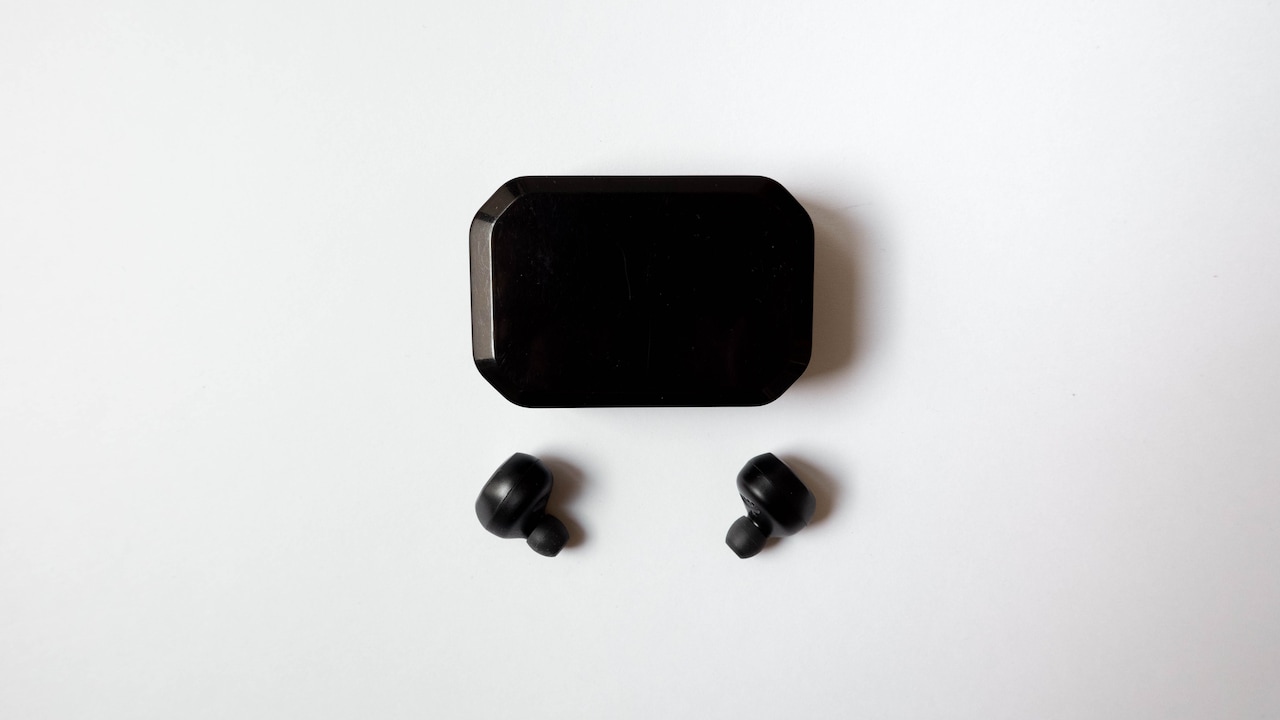
Walk into any gym these days, and you will spot at least three people fiddling with earbuds mid-set. One of them is jamming the tip back in for the fourth time. Another one has given up and is just holding the phone in their hand while running on the treadmill. It happens more often than you'd think, and it usually comes down to one small, cheap, easily ignored part: the ear tip.
Silicone Vs Foam Ear Tips: Which Seals Better For Workouts
Photo Credit: iStock
Most people blame the earphone brand when the sound cuts out, or the bud slips loose during a squat. The tip resting on it, whether silicone or foam, is frequently the true offender. So, which one seals your ear canal better when you're moving, sweating, and breathing hard? This guide will discuss this and will help you choose the right ear tips for workouts.
Also Read: Wireless Earphones For Gaming On Mobile Under ₹2,000
What Makes An Ear Tip Seal Properly In The First Place
A good seal isn't just about the bud staying in your ear. It's about the tip filling the exact shape of your ear canal, so outside noise gets blocked, and bass doesn't leak out.
Ear canals vary in size and shape. Some are wider, some curve more, and some are shallower than others. This variability is exactly why one tip size can feel perfect for your friend and completely wrong for you. Seal quality also changes the moment your body starts moving, because jaw movement, sweat, and vibration all put pressure on that tiny bit of rubber or foam sitting in your ear.
Silicone Ear Tips: Where They Win And Where They Don't
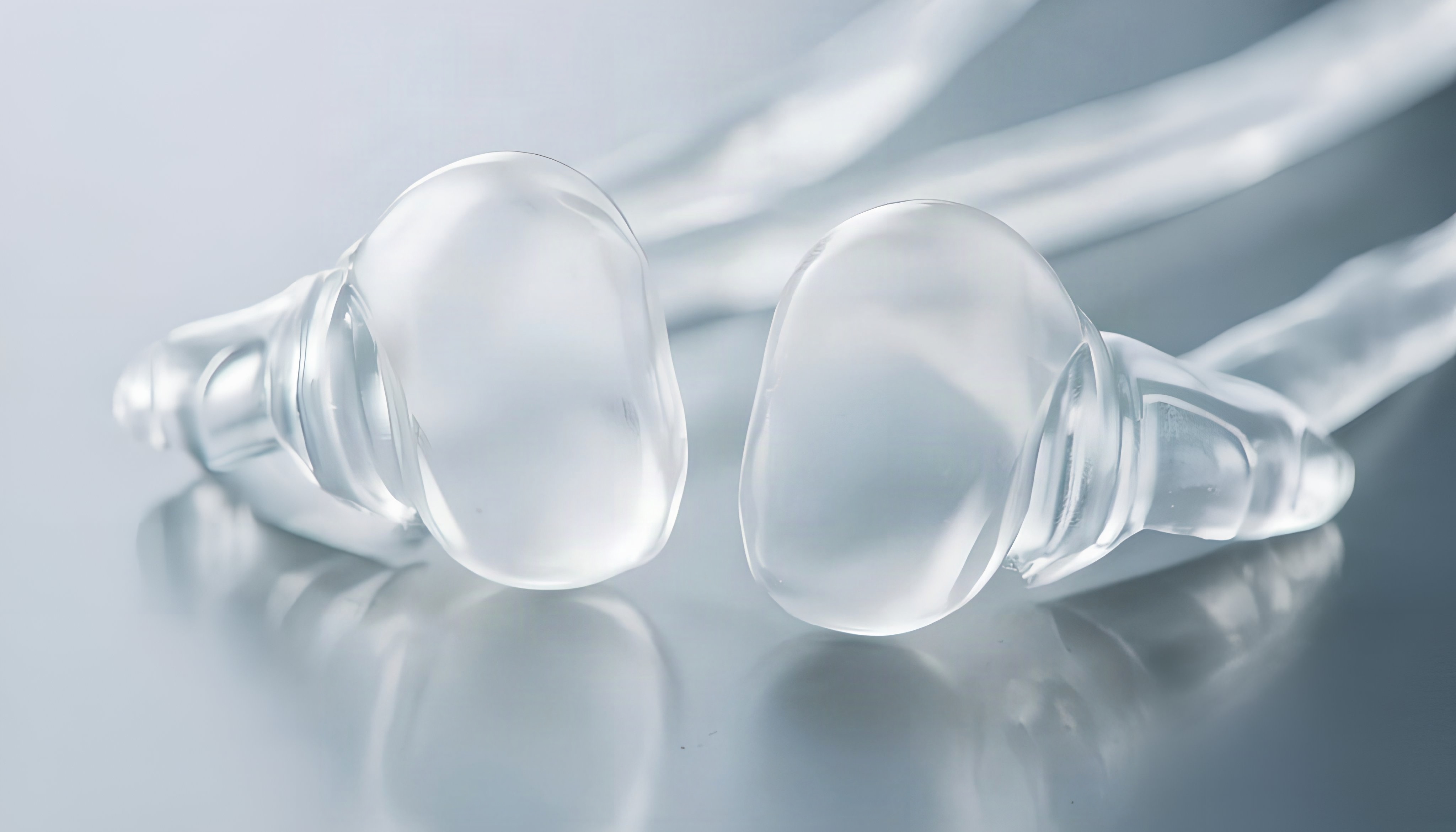
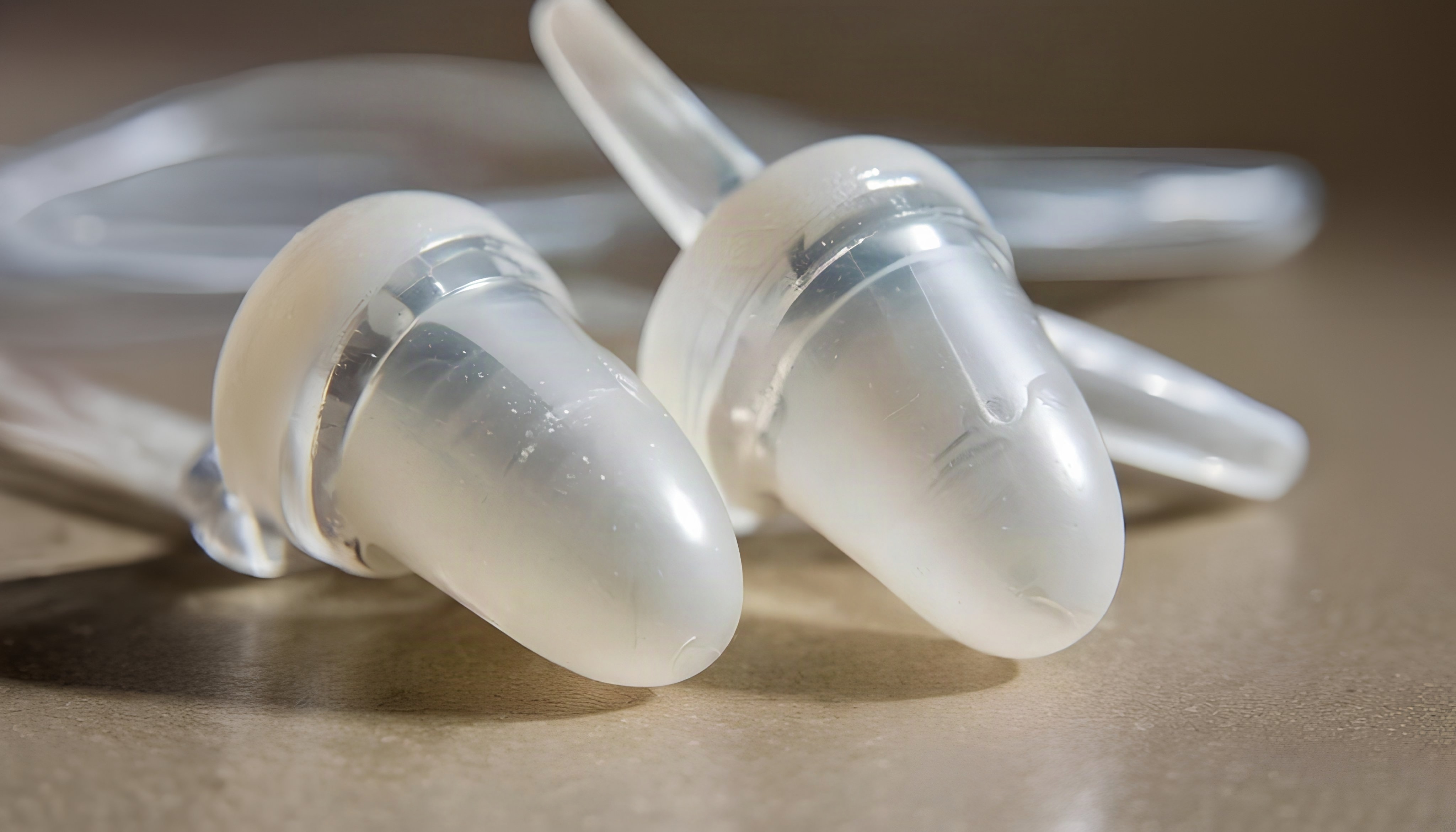
Silicone tips are what come stock with almost every earphone you buy, from a basic wired set to premium TWS buds. They hold their shape, they don't degrade quickly, and you can wipe them clean in two seconds.
1. Silicone And Sweat
Silicone doesn't soak up sweat the way foam does. Water just slides off it. For someone who sweats heavily during a workout, this alone can matter more than people realise, because a wet, soggy ear tip is uncomfortable and it also loosens the seal over time.
2. Silicone and Long-Term Comfort
Here's the catch, though. Silicone doesn't mould to your ear. It stays rigid, so if the size isn't exactly right, you'll feel it digging in after twenty or thirty minutes of movement. Runners especially complain about this on longer sessions, somewhere past the 5k mark is usually when the discomfort creeps in.
Foam Ear Tips: Why Gym Rats Swear By Them
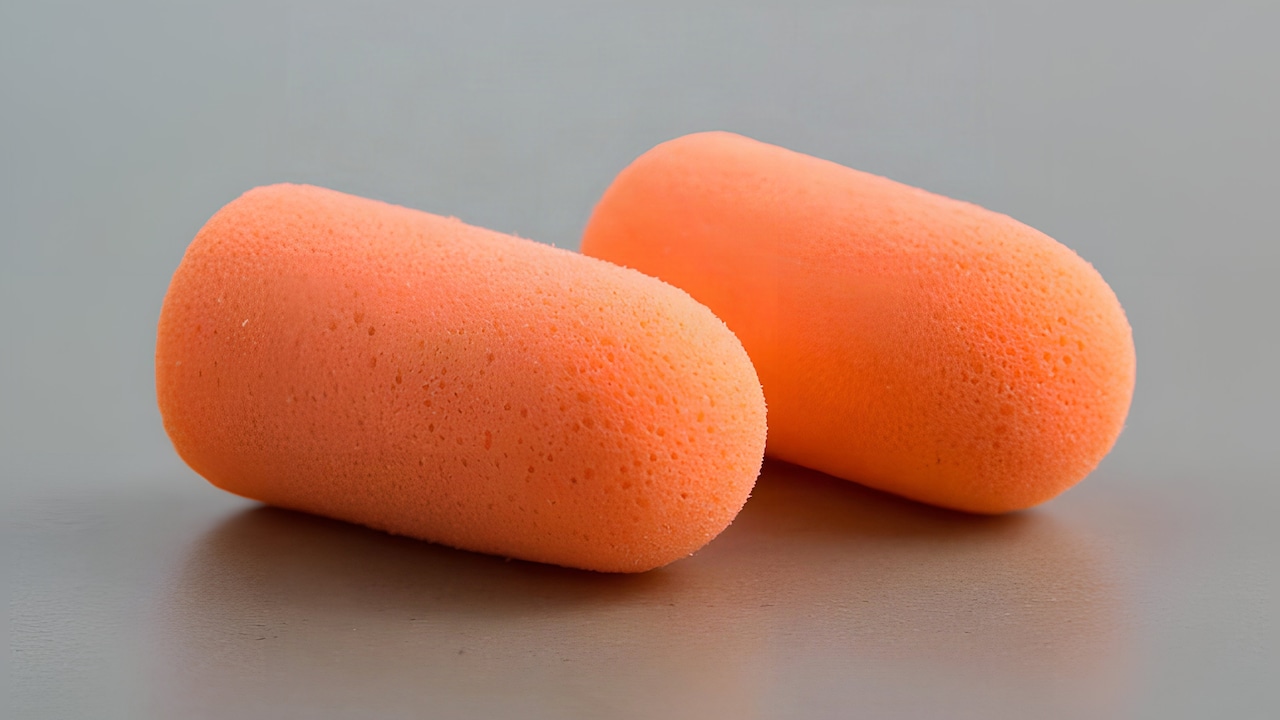
Foam tips work on a completely different principle. You squeeze them, they shrink down, you push them in, and then they slowly expand to fill the exact shape of your canal.
1. How Foam Expands For A Custom Fit
Because foam expands after insertion, it creates what's basically a custom mould every single time you wear it. This is why foam tips are often praised for blocking outside noise so well, almost like earplugs with a speaker built in. For someone lifting heavy and grunting through the last few reps, that passive noise blocking helps you actually focus on the set instead of the guy shouting on the next rack.
2. The Sweat And Foam Problem
Foam absorbs moisture. This is its biggest weakness for workouts. Once foam gets wet from sweat, it compresses differently and doesn't spring back to shape as reliably. Over weeks of heavy gym use, foam tips also wear out faster than silicone and need replacing more often, usually every couple of months if you train five or six days a week.
Silicone vs. Foam: Which Seals Better For Different Workouts
The honest answer is that it depends on what kind of training you're doing and how much you sweat while doing it.
1. Running And Outdoor Workouts
For running, especially outdoors in Indian heat, silicone tips with wing tips or fins tend to hold up better. They shed sweat and rain, and most sport-oriented earphone models are designed around silicone specifically for this reason.
2. Weight Training And Gym Floor Sessions
For weight training, where your head isn't moving as violently, and you're mostly stationary between sets, foam tips shine. You get that custom seal, better isolation from gym noise, and since you're not drenched in sweat within the first two minutes as you would be on a run, the moisture issue is less of a dealbreaker here.
3. HIIT And High Sweat Sessions
HIIT and circuit training sit somewhere in the middle. These are sweaty, high movement sessions, and silicone tends to win here purely because of moisture resistance. If you still prefer foam's comfort, look for sweat-resistant foam variants, which a few brands now sell specifically for gym use.
How To Pick The Right One For Your Workout Routine?
There isn't one universal winner, but there is a smarter way to choose based on your own training pattern and how much your ears sweat.
Before deciding between silicone and foam, get your tip size right. A perfectly fitted silicone tip can outperform an ill-fitting foam one, and vice versa. Most brands sell S, M, and L in the box, so try all three before assuming the default medium is your size.
Silicone Vs Foam Ear Tips: Which Seals Better For Workouts
Photo Credit: iStock
Some Ear Tips You May Like
1. Sounce Premium Silicone Replacement Ear Tips
2. REDWIND Replacement Earphone Silicone Rubber Eartips
3. Scalebee Silicone Ear Tips With Ear Hooks
4. AUDIOCULAR SoftGrip Silicone Eartips
5. MYADDICTION 4.5mm Memory Foam Ear Tips
6. Comply TrueGrip MAX Premium Memory Foam Ear Tips
7. BNF 4.5mm Memory Foam Tips Eartips
8. TKM Premium Memory Foam Earbuds
FAQs
1. Do foam ear tips block more sound than silicone ones?
Generally, yes. Foam expands once it's in your ear, filling up the canal in a way silicone just can't match. Silicone keeps its shape no matter what, so if the fit isn't quite right, you end up with small gaps and sound leaks.
2. Can I use foam tips for running in hot weather?
You can use them, but don't expect them to stay comfortable for very long. The foam absorbs sweat quickly, leading to discomfort over time. If you're running a lot, silicone tips or the sweat-resistant foam versions tend to be the smarter pick.
3. How often should gym-goers replace their ear tips?
This depends a lot on the material. With foam, plan on swapping them out every couple of months if you're at the gym regularly, maybe stretching to three. Silicone requires a different approach: if you clean it properly after each session, it will last significantly longer.
4. Why does my earbud keep falling out during workouts?
Most of the time, the issue is related to sizing rather than the brand of the earbud itself. Before assuming something's wrong with the product, try switching tip sizes first. Silicone tips that come with wings or fins can also help a lot, especially when you're moving around a lot during a workout.
5. Are silicone ear tips unsafe for long-duration wear?
Not inherently bad, no. But comfort really depends on getting the fit exactly right, since silicone doesn't soften and shape itself to your ear canal the way foam naturally does. Wear it for hours without a proper fit, and you'll likely start noticing it.
(Disclaimer: This article may include references to or features of products and services made available through affiliate marketing campaigns. NDTV Convergence Limited (“NDTV”) strives to maintain editorial independence while participating in such campaigns. NDTV does not assume responsibility for the performance or claims of any featured products or services.)