Why Cheap Dashboard Phone Mounts Fail In Summer: How To Pick Holders That Last Longer
Cheap dashboard phone mounts often melt, slip, or detach in summer heat. Discover why budget holders fail and how choosing durable materials, stronger grips and heat-resistant designs can save money and protect your phone.
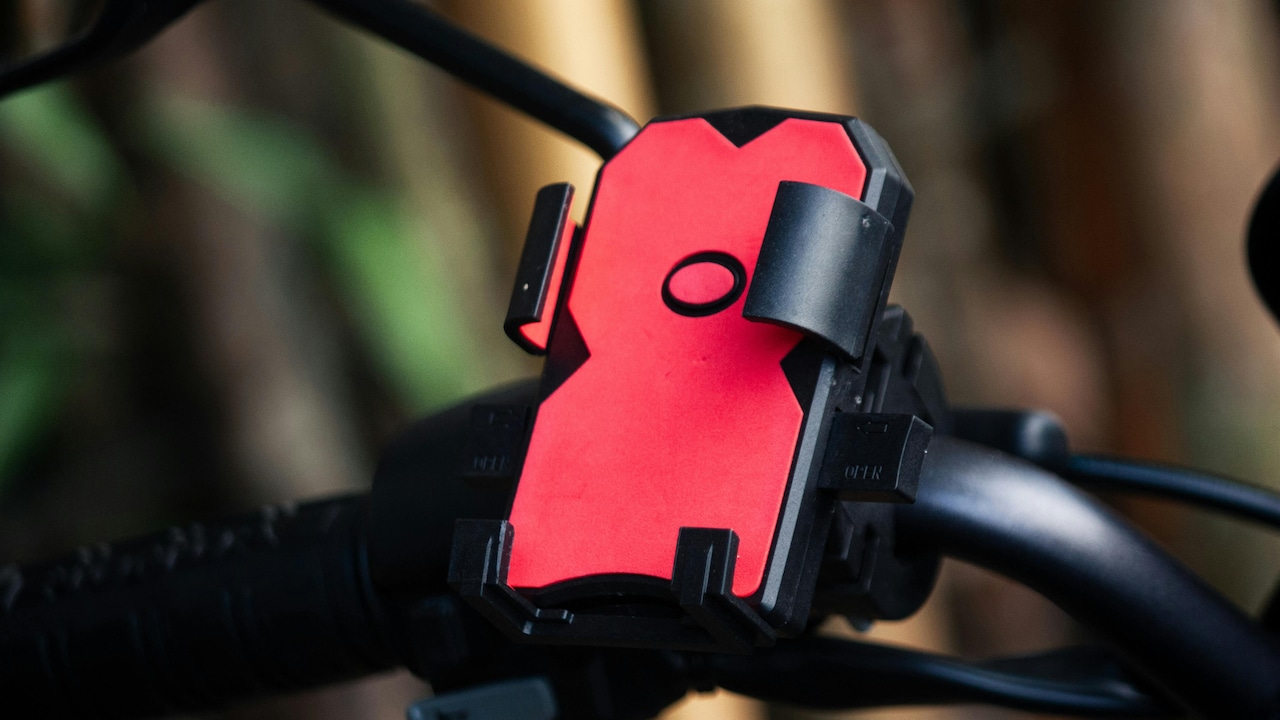
Why Cheap Dashboard Phone Mounts Fail In Summer And How To Pick Good Ones
Summer can turn a parked car into a furnace. Step inside after an hour in direct sunlight, and the dashboard often feels hot enough to fry papad. That extreme heat does more than test patience. It quietly destroys cheap dashboard phone mounts. Many drivers discover this the hard way. One week, the shiny new holder sticks firmly to the dashboard. The next, it droops sadly like melted kulfi, sending the phone tumbling during traffic. While low prices may feel tempting, especially in crowded online marketplaces, poor-quality mounts often fail when temperatures rise.
The problem lies in materials, design, and engineering shortcuts. Plastic weakens, suction cups lose grip, adhesives soften, and joints loosen. A phone mount should not become another seasonal expense.
Finding one that lasts longer requires attention to build quality, mounting method, and compatibility with local weather realities. Spending a little more up front can save repeated costs, frustration, and even prevent dangerous distractions on busy roads. In a climate where summer shows no mercy, durability matters far more than bargain pricing.
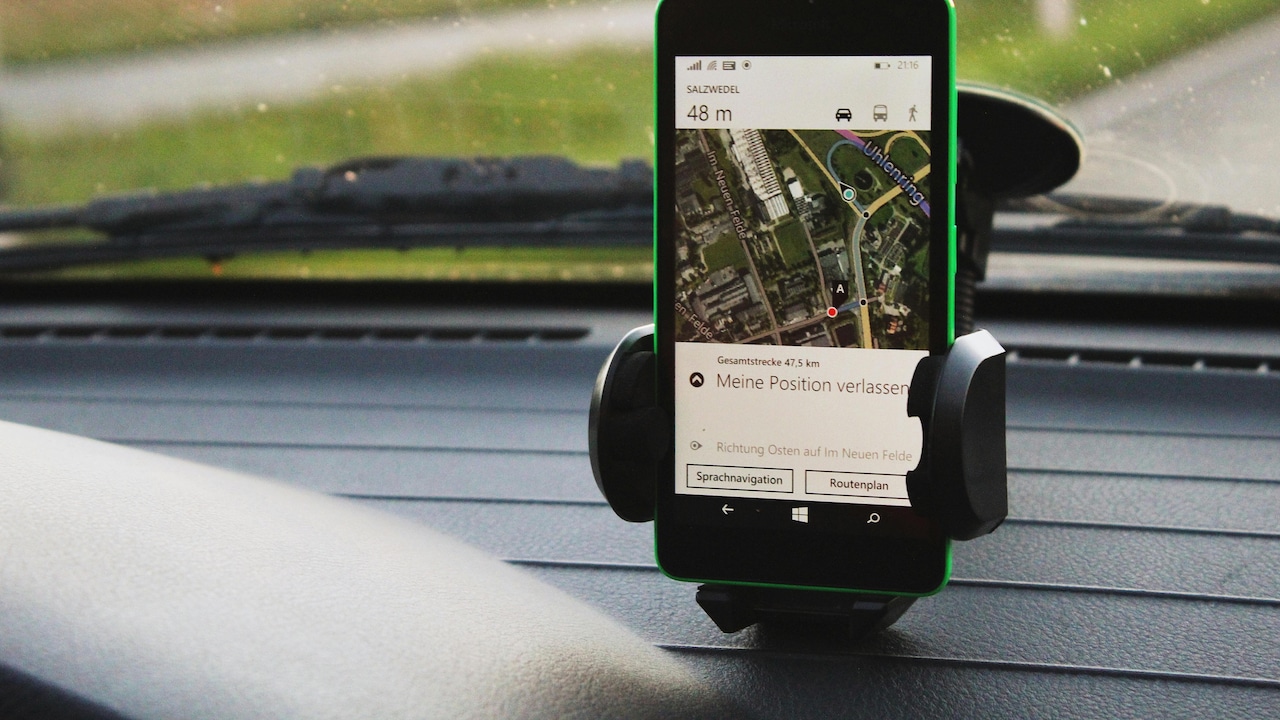
Why Cheap Dashboard Phone Mounts Fail In Summer And How To Pick Good Ones; Photo Credit: Pexels
Why Cheap Dashboard Phone Mounts Fail In Summer
Heat Weakens Low-Grade Plastic Faster Than Expected
Cheap dashboard mounts often rely on low-cost plastic that struggles under prolonged heat exposure. During peak summer afternoons, dashboard surfaces can exceed 70°C, especially in cities where traffic and blazing sunshine create relentless cabin heat. Inferior plastic softens quickly, causing arms, clamps, or hinges to warp.
This warping may seem minor at first. Perhaps the phone tilts slightly, or the grip feels looser. Yet over time, the structure becomes unreliable. A sudden brake or pothole can send the device crashing down.
Quality mounts use heat-resistant ABS plastic, polycarbonate blends, or reinforced materials designed for harsh conditions. These options maintain shape even after repeated heat cycles. Spending ₹800 to ₹2,000 on a sturdier model may feel expensive initially, but replacing ₹250 mounts every few months often costs more.
A dashboard accessory should survive summer, not surrender to it. Material quality plays a major role, and in extreme climates, stronger plastic becomes a necessity rather than a luxury.
Weak Adhesives Lose Their Grip In High Temperatures
Adhesive pads are another major weak point in cheaper holders. Many low-cost mounts use substandard glue that softens dramatically in heat, especially when exposed to direct sunlight through the windscreen.
At first, the installation seems secure. The mount sticks neatly, holds the phone, and appears functional. Then summer intensifies. The adhesive begins to peel, edges lift, and eventually the entire setup slides off, often leaving behind sticky residue.
This can become especially frustrating during long commutes or navigation-heavy drives. Imagine following maps through unfamiliar roads only for the holder to collapse mid-journey.
Reliable mounts often feature automotive-grade adhesives or reusable gel suction systems that tolerate higher temperatures. Some premium options also allow dashboard texture adaptation for better hold.
Choosing strong adhesive technology matters. A failed mount is not merely inconvenient; it can become a distraction and safety risk. Better adhesive performance ensures the holder remains dependable through sweltering conditions.
Also Read: Magnetic Mobile Phone Holders For Cars: 10 Mount Features That Make Driving Safer
Suction Cups Often Collapse Under Extreme Cabin Heat
Suction cup mounts may appear practical, but cheaper versions often struggle when temperatures rise. Heat causes rubber components to expand, soften, and lose vacuum strength. As cabin temperatures climb, the once-tight seal weakens.
This failure often happens unpredictably. A mount may work perfectly during morning drives but detach after lunch when the car interior resembles an oven. The sudden drop can damage devices or disrupt navigation.
Higher-quality suction systems use advanced silicone compounds and locking mechanisms that maintain vacuum pressure more effectively. Dual-lock suction designs or temperature-resistant silicone significantly improve reliability.
Windshield and dashboard conditions also affect performance. Dust, textured surfaces, and prolonged sun exposure further accelerate failure in poor-quality products.
A dependable holder requires more than temporary stickiness. It should remain secure whether parked outdoors in May or crawling through city traffic in June. Better suction technology may cost more, but it prevents repeated disappointment and unnecessary replacements.
Cheap Clamps Struggle With Larger Modern Smartphones
Today's smartphones are larger, heavier, and more expensive than ever. Budget mounts often fail because their clamps were never truly designed to support these devices under stressful road conditions.
Weak spring mechanisms, brittle side arms, and poor grip surfaces create instability. Add summer heat, which softens components further, and the risk increases dramatically.
A cheap holder may handle a basic phone initially, but larger models with protective cases can overwhelm flimsy designs. The result often includes wobbling, slipping, or complete ejection over speed breakers.
Durable holders use reinforced clamps, silicone padding, and adjustable tension systems. These features distribute weight evenly while protecting the device from scratches.
When choosing a mount, considering phone size and weight matters just as much as price. Saving ₹500 means little if a ₹70,000 smartphone ends up cracked. A secure grip protects both convenience and costly technology.
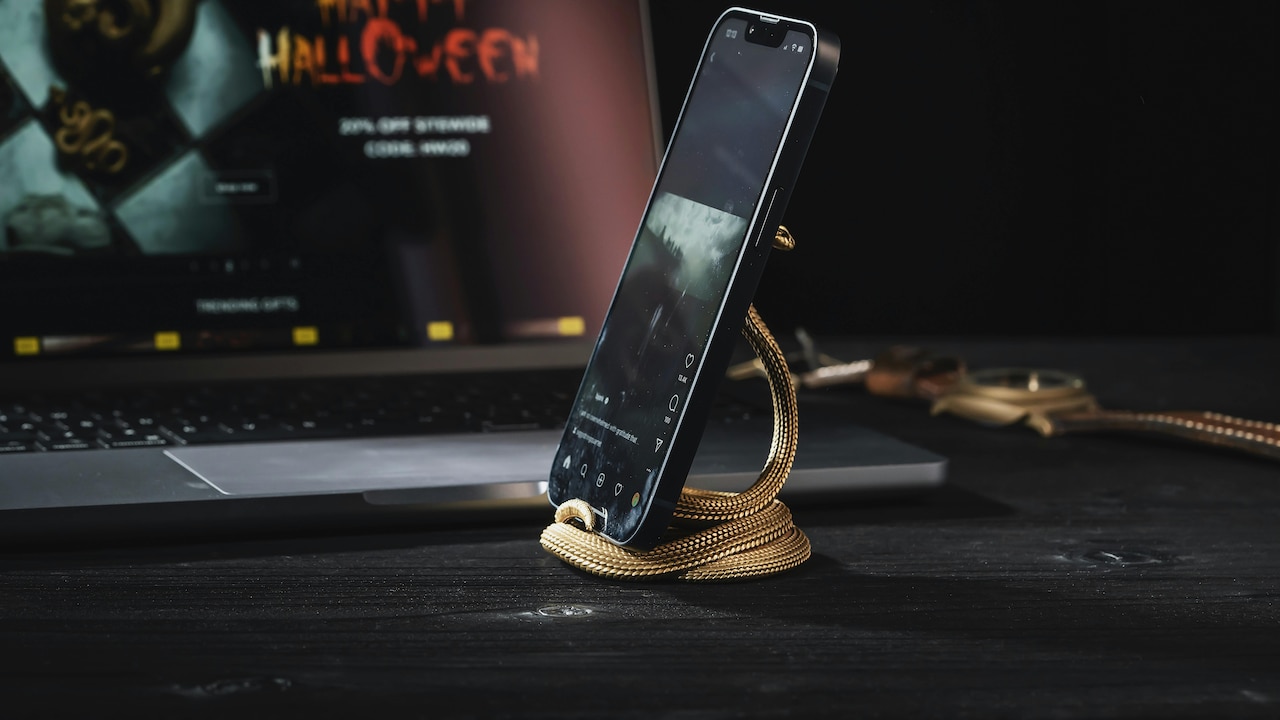
Why Cheap Dashboard Phone Mounts Fail In Summer And How To Pick Good Ones; Photo Credit: Pexels
Poor Joint Mechanisms Become Loose Over Time
Flexibility is useful in a phone mount, but cheap rotational joints often become their downfall. Budget holders frequently use weak ball joints or thin plastic connectors that degrade quickly under constant adjustment and heat.
Initially, the mount may rotate smoothly between portrait and landscape modes. Yet after repeated use, joints begin slipping. The phone slowly droops downward, making screen visibility frustrating.
Heat accelerates this wear by softening plastic components and reducing structural integrity. Soon, even minor road vibrations can shift viewing angles.
Premium models use metal-reinforced joints, tighter locking systems, or stronger polymer engineering to preserve stability over time. Though these mounts may cost ₹1,500 or more, they maintain functionality far longer.
A phone mount should adapt without becoming floppy. Stability matters, especially when relying on navigation apps in chaotic traffic. Better joint engineering ensures a smoother, safer driving experience.
UV Exposure Damages Budget Materials Rapidly
Summer heat is only part of the problem. Ultraviolet radiation from sunlight also causes significant wear on cheap mounts. Continuous UV exposure can make plastic brittle, fade surfaces, and weaken rubber parts.
This degradation often appears slowly. Small cracks form, grip pads lose texture, or mount arms become fragile. Eventually, breakage becomes inevitable.
Vehicles parked outdoors daily face particularly harsh conditions. Even the most attractive budget mount may deteriorate within months under relentless sunlight.
High-quality holders often include UV-resistant coatings or better material blends designed for automotive use. These features dramatically improve product lifespan.
Considering UV resistance may seem excessive during purchase, but it often separates temporary accessories from lasting investments. Summer is unforgiving, and constant sun exposure can quickly reveal hidden weaknesses in cheaper designs.
Dashboard Texture Compatibility Is Frequently Overlooked
Not all dashboards offer smooth, mount-friendly surfaces. Many affordable phone holders fail because they ignore varying dashboard textures, contours, and materials.
Budget adhesive systems often perform poorly on textured dashboards, curved panels, or synthetic leather finishes. Even a strong mount can become unstable if the base cannot properly attach.
This issue creates frustration for drivers who assume product failure stems solely from poor manufacturing when surface mismatch also plays a role.
Quality mounts often provide multiple installation options, including vent clips, dashboard discs, stronger adhesives, or adjustable bases. These features improve compatibility across vehicle interiors.
Before purchasing, checking the dashboard design can prevent wasted money. A mount that works brilliantly in one car may fail miserably in another. Compatibility matters just as much as build quality.
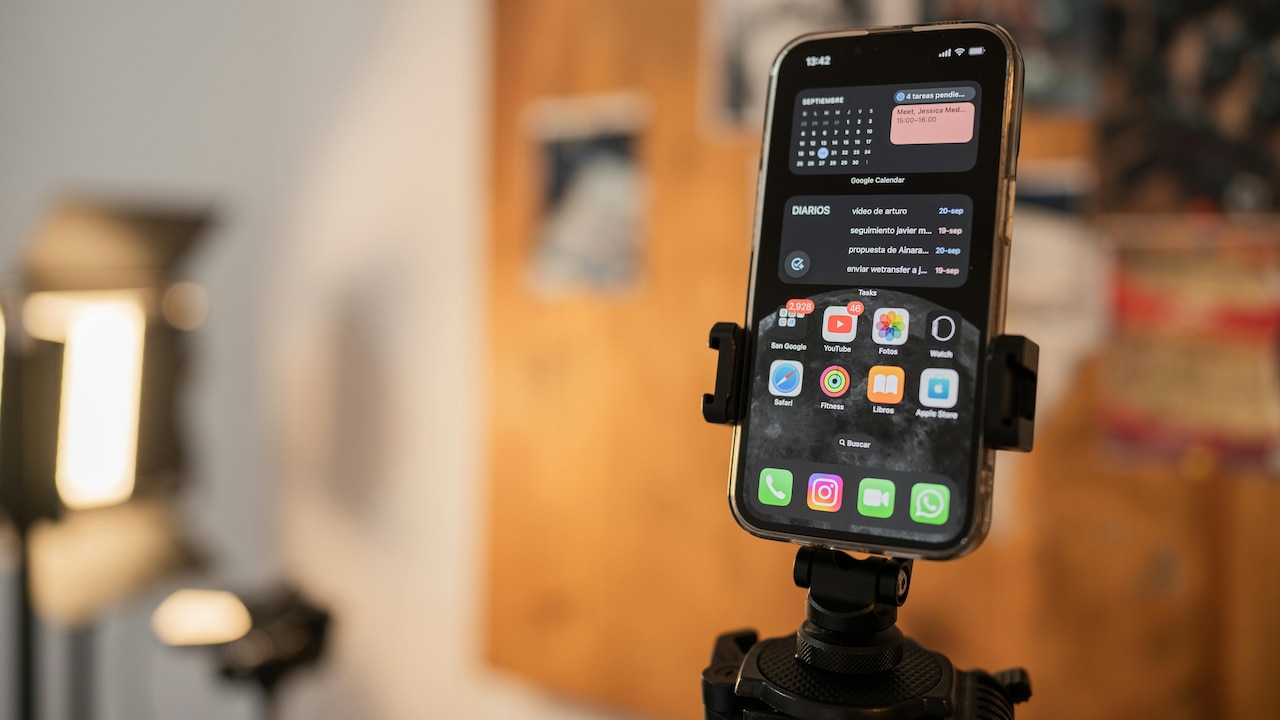
Why Cheap Dashboard Phone Mounts Fail In Summer And How To Pick Good Ones; Photo Credit: Pexels
Overheating Can Affect Wireless Charging Mounts
Wireless charging holders add convenience, but cheaper models often combine weak mounting systems with poor thermal management. Summer heat, combined with charging heat, can create serious performance issues.
Budget wireless mounts may overheat, reduce charging speed, or even shut down unexpectedly. Plastic casings can trap heat, while low-quality electronics struggle under extreme conditions.
This dual heat exposure can shorten both the mount lifespan and the phone battery health. Drivers depending on navigation, music, and charging simultaneously may face particularly frustrating failures.
Reliable wireless charging mounts include ventilation systems, temperature control, and certified electronics. Though prices usually exceed ₹2,500, they offer significantly better performance.
A wireless mount should simplify journeys, not create technical headaches. Choosing quality becomes essential when electronics meet summer heat.
Frequent Replacement Costs More Than One Quality Purchase
The appeal of cheap mounts often centres on immediate savings. Spending ₹299 feels easier than ₹1,500. Yet repeated failures quickly erase those savings.
Replacing poor-quality holders every few months leads to mounting expenses, wasted time, and endless frustration. Add potential phone damage, and the true cost rises sharply.
A durable mount may seem expensive initially, but a longer lifespan, better safety, and stronger reliability often make it the smarter financial decision.
This principle applies broadly: buying cheaply can become surprisingly costly. Accessories that endure harsh weather often deliver better value over time.
A dependable phone mount should be viewed as a practical driving tool, not a disposable gadget. Prioritising longevity usually proves more economical in the long run.
Smart Features And Material Quality Define Long-Term Reliability
When selecting a phone mount, focusing solely on price often leads to disappointment. Long-term performance depends on materials, design, and thoughtful engineering.
Features worth prioritising include heat-resistant plastic, strong adhesives, secure clamps, UV resistance, stable joints, and compatibility with specific vehicle interiors. Vent mounts, magnetic systems, and dashboard holders each offer advantages depending on usage.
Reading genuine reviews and checking product specifications can prevent costly mistakes. Trusted brands may charge more, but they often deliver better safety and durability.
In extreme summer conditions, reliability matters far more than flashy discounts. A phone holder should withstand daily challenges without constant adjustment or replacement.
Choosing wisely transforms a frustrating accessory into a dependable travel companion.
Products Related To This Article
1. Spigen Magnetic Air Vent Car Mobile Holder
2. Overhead Mobile Stand for Desk | 360° Adjustable Phone Holder
3. TECHONTO® 360° Degree Cell Phone Holder with Adjustable Clamp Phone Tripod Mount Adapter Compatible with Smartphones
4. Kingone Car Phone Holder for Magsafe
5. Highdas Car Phone Holder For Magsafe – Premium Portable Mount For Mirror
Cheap dashboard phone mounts often promise convenience at irresistible prices, but summer quickly exposes their weaknesses. Heat, UV rays, poor adhesives, weak plastics, and flimsy construction can transform a bargain into a recurring annoyance.
A reliable phone holder protects more than just a device. It improves driving safety, reduces distractions, and saves money over time. Investing in quality materials, stronger engineering, and weather-resistant features offers far better long-term value than repeatedly replacing failed budget options.
In a climate where parked cars can feel like pressure cookers, durability should never be an afterthought. Smart buyers know that the true bargain lies not in the cheapest price tag, but in lasting performance. When it comes to dashboard phone mounts, surviving summer is the real test.
(Disclaimer: This article may include references to or features of products and services made available through affiliate marketing campaigns. NDTV Convergence Limited (“NDTV”) strives to maintain editorial independence while participating in such campaigns. NDTV does not assume responsibility for the performance or claims of any featured products or services.)