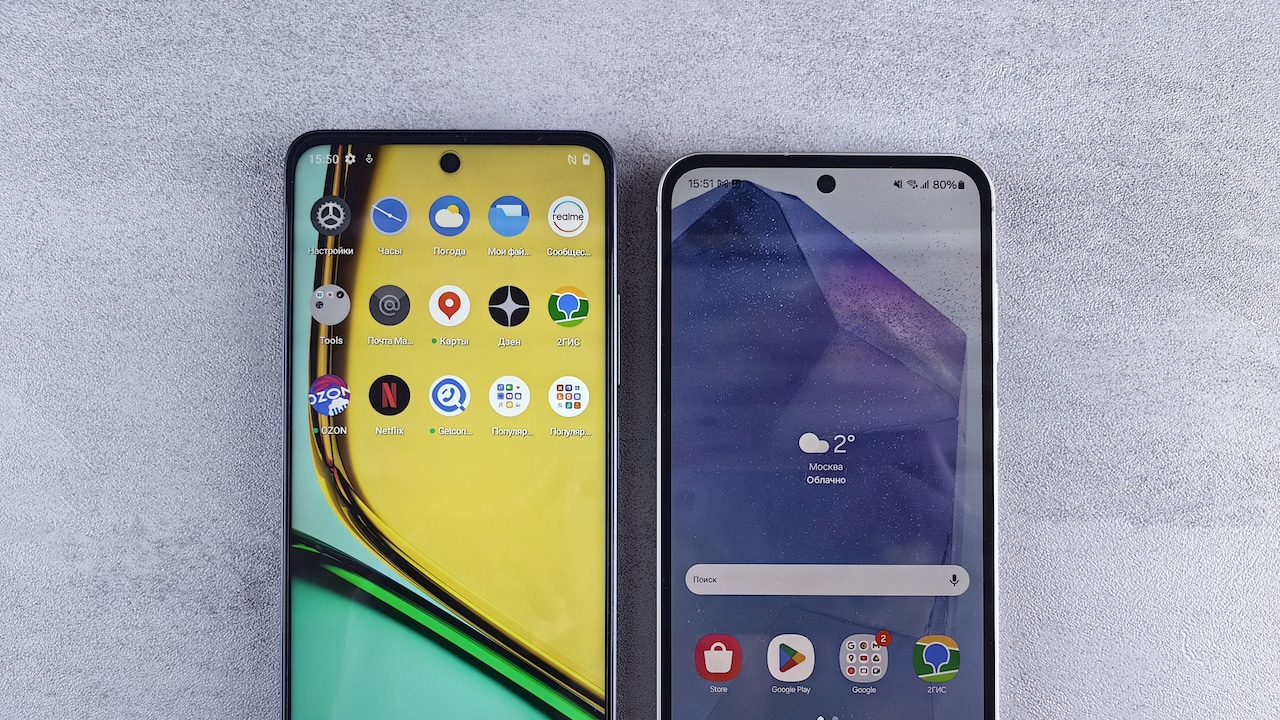
Wireless vs Wired Charging: Which Is Better For Daily Use?
Wireless vs wired charging: find out which option is faster, more efficient, and better for battery health, and learn when to use each for convenient everyday charging.
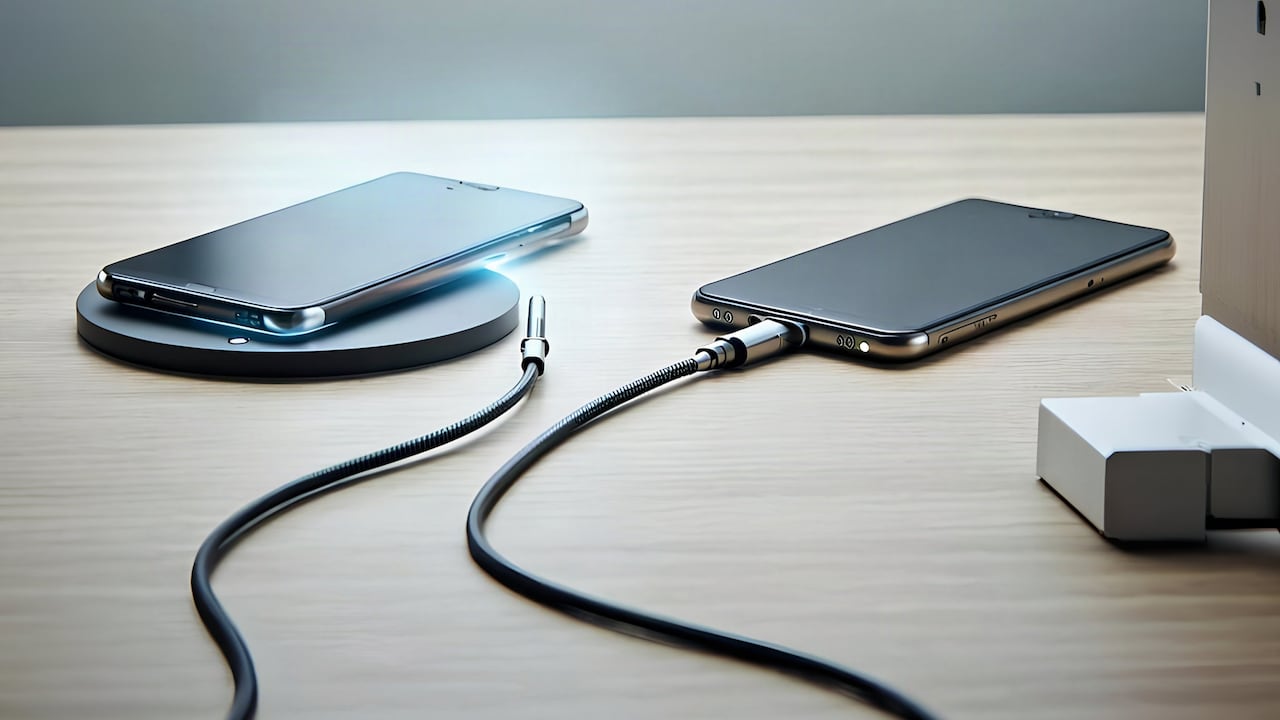
How to choose between wired vs wireless charging for smartphone
Phones rarely leave our hands, and keeping them charged is now part of our daily routine. From dropping a phone on a charging pad at bedtime to plugging it in before heading out, both wired and wireless charging now fit easily into everyday life.
Is Wired Charging Faster Than Wireless Charging
Photo Credit: iStock
But convenience is not the only factor. Charging speed, heat, overall battery efficiency, and even how frequently you're using your phone while it's still plugged in can end up making one choice more practical than the other. So, what should you truly lean on for everyday charging? This guide sort of breaks down the differences, so you can pick what fits best.
Also Read: Drop, Charge, And Go: 5 Charging Pads For A Clutter-Free Setup
How Do Wireless And Wired Charging Differ?
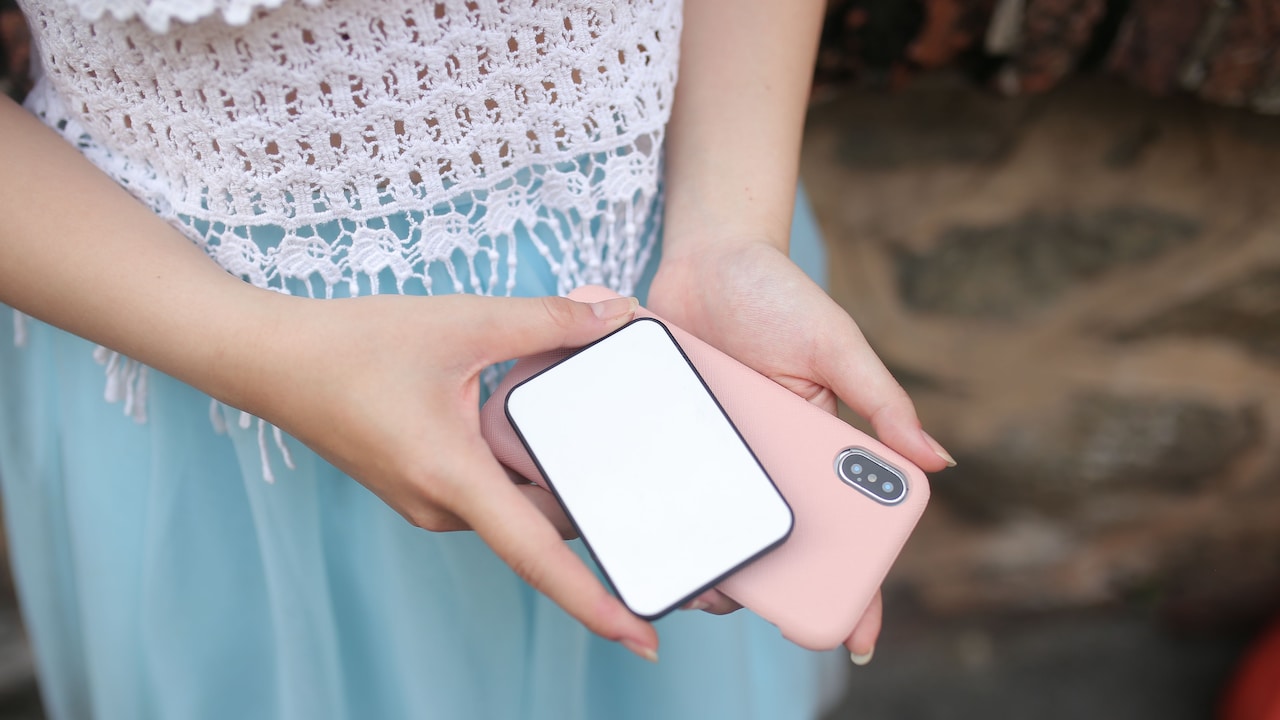
Wired charging sends power straight to the phone via a cable, but wireless charging basically trades that for energy between coils, in the charger and in the phone. It sounds simple, but it affects how fast power reaches the battery and how much energy is lost along the way.
With wired charging, you usually get the better results for speed and overall efficiency. Wireless charging is more about convenience, though. You put the phone on a compatible pad or stand, and it just starts – no fuss with plugging, unplugging, or doing it again and again. Also, modern phones handle charging in a smarter way, like easing the rate as the battery nears full charge.
Is Wired Charging Faster Than Wireless Charging?
If you want a quick battery boost, wired charging is still the more practical path. A straight connection can push more power, whereas wireless charging usually comes with extra energy transfer losses, and that can mean more heat too.
How fast it goes depends on the phone, the charger and the cable, not just one thing. Even with a high-wattage charger, it won't magically speed up every device if that phone has a smaller charging limit, that's the deal.
Like, say your phone is at 15% and you need enough juice before you leave home. In that moment, a wired charger is usually the better option. Wireless charging is more logical when you have time, and comfort matters more than reaching a high percentage right away.
Does Wireless Charging Affect Battery Health?
Battery health is where the comparison becomes less straightforward. Neither charging method is automatically bad for a modern smartphone, but heat is an important consideration because higher temperatures can accelerate battery ageing.
Wireless charging can generate more heat because of energy-transfer losses and coil alignment. That does not mean using a wireless charger will suddenly damage the battery, but keeping the phone cooler during charging is generally preferable for long-term battery care. Modern phones also use charging and thermal management systems to control temperature and charging behaviour.
If you frequently use fast charging, charge in a warm environment or keep the phone under heavy load while it charges, temperature becomes even more relevant.
When Is Wireless Charging The Better Choice?
Wireless charging wins when convenience is the priority. It works particularly well on a bedside table, office desk or other place where you regularly put your phone down.
It can also reduce the need to repeatedly insert and remove a cable from the charging port. For people who prefer frequent small top-ups rather than waiting for a long charging session, a wireless pad can be an easy addition to the daily setup.
The trade-off is that you need a compatible charger and phone, and the device generally needs to remain properly positioned on the charging surface. Cases, accessories and alignment can also influence wireless charging performance.
Which Charging Method Should You Use Daily?
There is no need to treat wired and wireless charging as competing technologies. For many people, using both does make more sense, or at least it feels more practical.
Use wired charging when you need speed, especially before travelling, heading to work or going out with a low battery. Wireless charging is more fitting for slow top-ups at your desk or overnight, as long as the phone and charger are compatible and the temperatures stay under control.
For everyday use, the simplest idea is to decide by the moment rather than clinging to only one method. Wired charging is the more capable all-rounder for efficiency and speed, while wireless charging is the clear winner for convenience.
How Do Wireless And Wired Charging Differ?
Photo Credit: iStock
Top Charging Options To Consider
1. Amazon Basics 10000mAh 20W Fast Charging Power Bank and 15W Wireless Output
2. UNIGEN® Magtec 500 4in1 23W Foldable Magnetic Mag-Safe
3. Ambrane Magsafe Wireless 10000mAh Fast Charging Power Bank
4. Noise Newly Launched 10000mAh MagSafe Wireless Power Bank
5. Ninzza QuadCharge 4-in-1 Fast Charging Cable
6. FLOE Hyperquad 4-in-1 Apple Lightning Devices
7. Spigen Type-C to C Cable
8. PHILIPS DLC4130AB/94 18W Type-A to Type-C Fast Charging Cable
Frequently Asked Questions (FAQs)
1. Is wired charging better than wireless charging?
Wired charging is generally better when speed, efficiency and lower heat are the priorities. Wireless charging is more convenient for slower, routine top-ups.
2. Does wireless charging damage the phone battery?
Wireless charging does not inherently damage a modern phone battery. However, the extra heat generated during wireless charging can contribute to battery ageing over time, making temperature an important factor.
3. Is it safe to charge a phone wirelessly overnight?
Modern smartphones are built to handle charging and often reduce or even pause it when the temperature gets too high. For overnight charging, make use of a compatible, well-known charger, and try to keep the phone somewhere cooler, with air circulation, not in a closed spot.
4. Which is more energy efficient, wired or wireless charging?
Wired charging is generally more efficient because power travels directly through the cable. Wireless charging involves energy-transfer losses, some of which appear as heat.
5. Should I use wireless or wired charging every day?
Either can work for daily use. A practical approach is to use wired charging when you need a quick, efficient boost and wireless charging when convenience matters more.
(Disclaimer: This article may include references to or features of products and services made available through affiliate marketing campaigns. NDTV Convergence Limited (“NDTV”) strives to maintain editorial independence while participating in such campaigns. NDTV does not assume responsibility for the performance or claims of any featured products or services.)