From Compass To Tent: Your Complete Checklist Of Trekking Essentials
A practical trekking checklist covering essential gear from navigation tools to shelter and safety items. Learn how proper preparation improves safety, comfort, and the overall trekking experience.
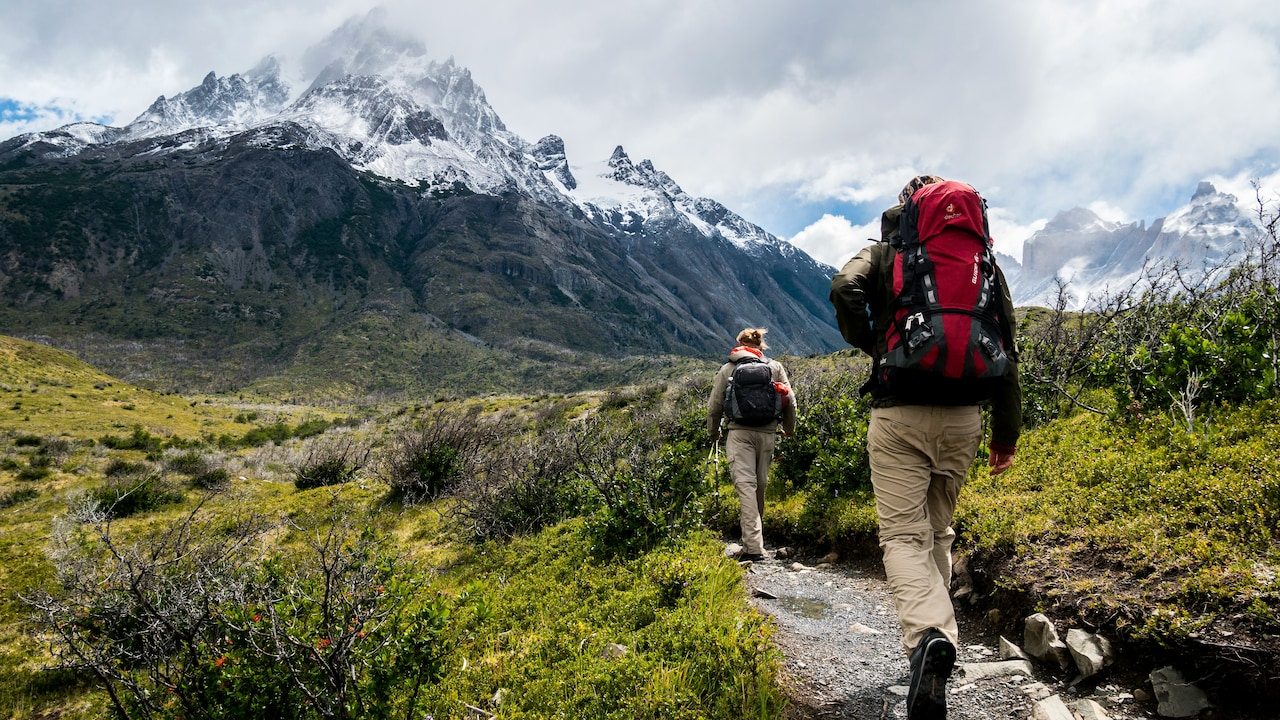
Get ready for your first camping trip with these trekking essentials
The first trek did not begin with confidence. It began with confusion, missing gear, poor planning, and a trail that felt longer than expected. A simple checklist could have changed everything. Over time, experience replaced guesswork. Every item started to serve a purpose, from navigation tools to basic shelter. Let's explore that learning curve, which offers a practical and complete checklist for trekkers who want to stay prepared, safe, and focused on the journey instead of worrying about what they forgot. In recent years, trekking has gained attention through organised outdoor trips, seasonal trails, and ecotourism drives across India.
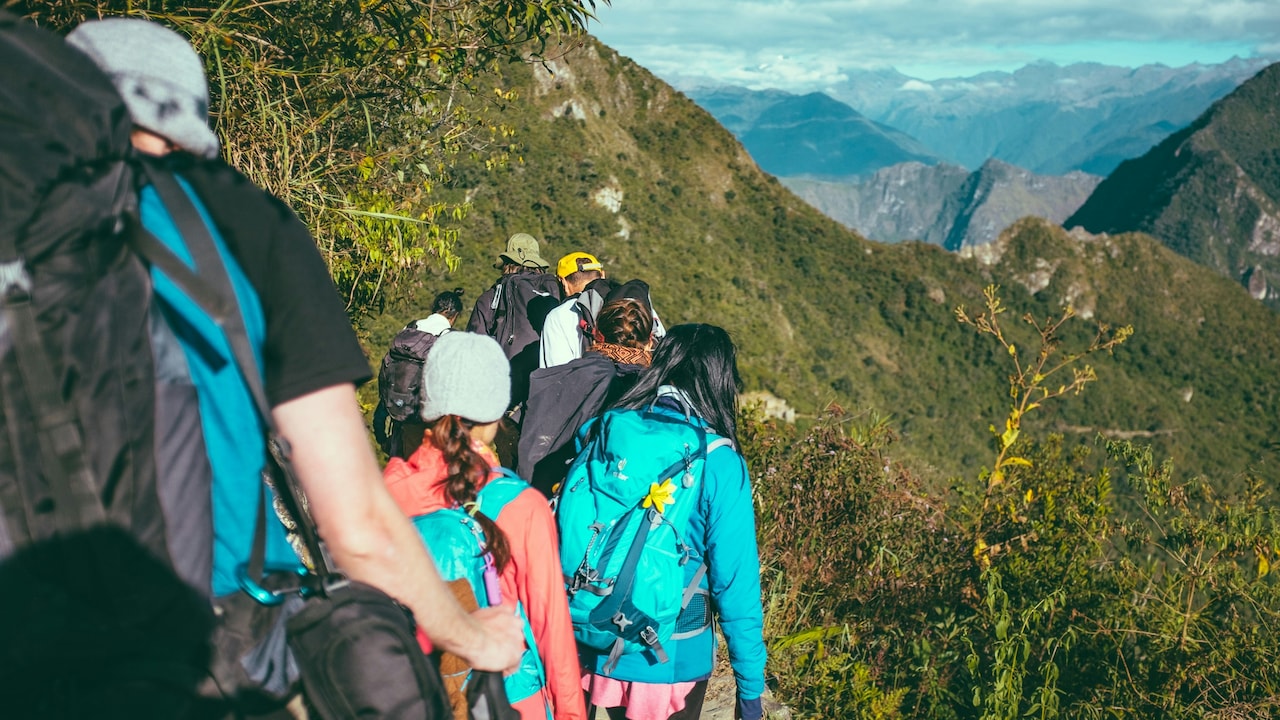
Get ready for your first camping trip with these trekking essentials
Photo Credit: Unsplash
Preparation defines the outcome of any trek. Knowing the terrain, weather conditions, and duration helps in choosing the right gear. A checklist ensures nothing important is left behind. Losing direction is one of the most common trekking risks. Reliable navigation tools help maintain the route and reduce dependency on mobile signals. Weather in trekking regions can change quickly. Carrying proper shelter and protective gear ensures safety against rain, cold, or wind. Long hours of walking demand consistent energy and hydration. Simple, portable food and water solutions keep the body functioning well. Unexpected situations require quick responses. Basic safety tools and emergency items can make a significant difference in critical moments.
Also Read: Char Dham Yatra 2026: Essential Medical Kit Checklist For A Safe Pilgrimage
Top 10 Trekking Essentials You Need Before Going For Camping
1. Compass
A compass is a basic navigation tool that helps determine direction using Earth's magnetic field. It works without batteries, making it reliable in remote areas where digital devices may fail.
Key Features:
- Accurate directional guidance
- No dependency on battery or network
- Lightweight and compact
- Durable for outdoor use
- Works in all weather conditions
2. Tent
A tent provides temporary shelter during overnight treks. It protects against wind, rain, and insects, offering a secure resting space in outdoor environments.
Key Features:
- Weather-resistant material
- Easy setup and folding
- Lightweight for carrying
- Ventilation panels
- Suitable for multiple terrains
3. Torchlight
A torchlight provides clear visibility in low‑light conditions during treks. It becomes especially useful for night hikes or early‑morning starts when natural light is minimal.
Key Features:
- Bright and focused beam
- Long battery life
- Portable design
- Durable body
- Multiple light modes
4. Sunglasses
Sunglasses shield your eyes from harmful UV rays and help reduce glare. They're especially important in high‑altitude or snowy regions where sunlight is more intense.
Key Features:
- UV protection lenses
- Anti-glare coating
- Lightweight frame
- Comfortable fit
- Scratch-resistant surface
5. Space Blanket
A space blanket is a compact, lightweight emergency sheet designed to retain body heat. It's extremely useful in cold weather or unexpected emergencies to prevent heat loss.
Key Features:
- Heat retention capability
- Waterproof material
- Lightweight and foldable
- Easy to carry
- Suitable for emergency use
6. Candle Lighter
A candle lighter helps you start a fire for warmth or cooking during outdoor trips. It's safer and more controlled than using traditional matches, especially in windy conditions.
Key Features:
- Wind-resistant flame
- Reusable design
- Compact size
- Easy ignition system
- Safer handling
7. Trekking Bag
A trekking bag is built to carry all your essentials comfortably during long journeys. It offers proper weight distribution, making it easier and more efficient to trek for extended hours.
Key Features:
- Large storage capacity
- Multiple compartments
- Padded shoulder straps
- Water-resistant material
- Adjustable support system
8. Protein Bars
Protein bars provide quick energy and essential nutrients during treks. They're ideal for long trekking hours when you need a convenient and instant fuel boost.
Key Features:
- High protein content
- Easy to carry
- Long shelf life
- No preparation required
- Suitable for quick energy boost
9. Reusable Bottle
A reusable bottle keeps you consistently hydrated throughout your trek. It also helps reduce plastic waste, making your journey more eco‑friendly and sustainable.
Key Features:
- Durable material
- Leak-proof design
- Easy to refill
- Eco-friendly option
- Lightweight and portable
10. Rain Gear
Rain gear includes jackets or ponchos that shield you from sudden rainfall during treks. They keep you dry and comfortable, ensuring your journey continues smoothly even in unexpected weather.
Key Features:
- Waterproof material
- Lightweight design
- Easy to pack
- Full body coverage
- Breathable fabric
Trekking is not just about reaching a destination; it is about managing the journey responsibly. A well-prepared checklist reduces uncertainty and improves safety. Each item, from a compass to rain gear, plays a specific role in handling real conditions on the trail. As trekking continues to grow as an outdoor activity, preparation remains the most reliable factor for a smooth and controlled experience. Carrying the right essentials ensures focus stays on the path ahead, not on avoidable problems. So why wait? Grab these deals from Myntra.
Frequently Asked Questions (FAQs)
1. Why is a checklist important for trekking?
It helps ensure all essential items are packed and reduces risk.
2. Can I rely only on a mobile phone for navigation?
No, a compass is safer, as it works without a signal or battery.
3. What type of tent is best for beginners?
A lightweight, easy-to-set-up tent is ideal.
4. Are protein bars enough for food?
They help, but should be combined with other snacks.
5. How much water should I carry?
At least 2 to 3 liters depending on trek duration.
(Disclaimer: This article may include references to or features of products and services made available through affiliate marketing campaigns. NDTV Convergence Limited (“NDTV”) strives to maintain editorial independence while participating in such campaigns. NDTV does not assume responsibility for the performance or claims of any featured products or services.)