Convertible Backpacks Explained: Do They Really Deliver On Versatility And Convenience?
Convertible backpacks promise style and versatility in one design. But do they truly simplify daily life, or add hidden compromises in comfort and usability?

Are Convertible Backpacks A Real Practical Innovation Or Just A Big Styling Compromise? Find Out Now.
A bag often says more than its owner intends. It reveals routine, priorities, even a hint of personality. Over the past few years, a curious category has quietly taken over shelves and social feeds: convertible backpacks. These bags shift shapes, turning from backpack to tote, sling, or handbag with a quick adjustment of straps. The idea feels modern, almost ingenious. Why carry two bags when one can do it all?
Yet, anyone who has wrestled with bags with tangled straps in a crowded local train or tried to fit a laptop into a strangely shaped compartment knows that clever design does not always translate to comfort. The promise of versatility sounds appealing, especially in busy cities where a single day can involve office hours, errands, and a quick dinner outing.
But the real question remains: do convertible backpacks truly simplify life, or do they complicate it in subtle ways? This article takes a closer look at their design, practicality, and everyday usability, peeling back the layers of hype to understand whether they are worth the investment or merely a stylish compromise.
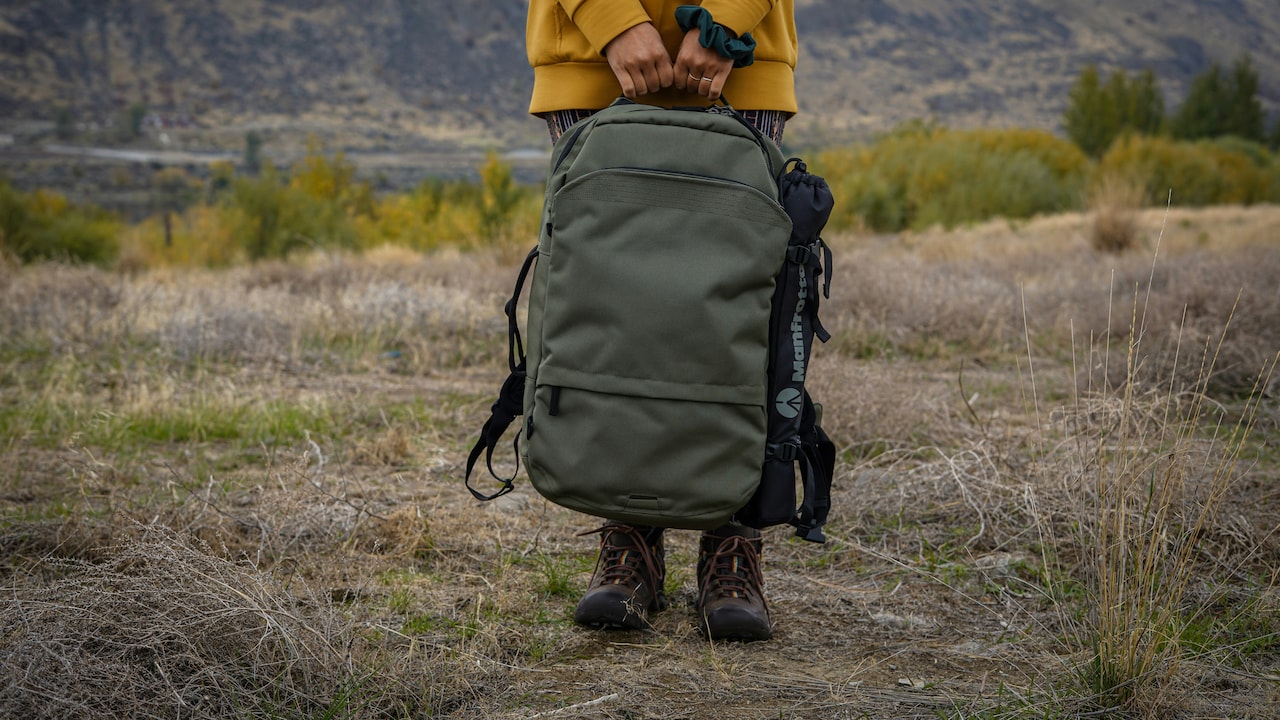
Convertible Backpacks: Practical Everyday Solution Or Just A Compromise?; Photo Credit: Pexels
Breaking Down The Reality Behind Convertible Backpacks
The Appeal Of One Bag For Every Situation
The charm of a convertible backpack lies in its promise of adaptability. Morning commutes often demand practicality, while evenings call for something sleeker. A bag that transitions between these moods feels like a clever solution.
For someone navigating a packed metro in the morning and heading to a café later, switching from backpack to tote seems almost effortless in theory. It reduces the need to own multiple bags, which feels economical and efficient. Considering how quality bags can cost anywhere between ₹2,000 and ₹8,000, the idea of one bag serving multiple roles becomes even more appealing.
However, the real attraction goes beyond money. It taps into the desire for simplicity. Fewer choices, fewer items, less clutter. In a world already overflowing with options, a single multi-purpose bag feels like a small victory.
Yet, convenience on paper does not always match reality. The question begins to surface when this “one bag” tries to juggle too many roles at once.
Also Read: Top 10 Backpacks Under ₹3000 For College, Office And Day Trips
The Reality Of Daily Commutes
Daily travel tests every product more than any advertisement ever could. Convertible backpacks often claim to handle this chaos with ease, but the experience can vary.
When used as a backpack, most designs perform decently. They distribute weight across both shoulders, which is helpful during long commutes. But the moment the bag converts into a tote or sling, the balance shifts. What felt comfortable suddenly becomes awkward, especially if the bag carries heavier items like a laptop, charger, or water bottle.
Crowded buses and trains add another layer of challenge. Adjusting straps mid-journey can feel inconvenient, even frustrating. No one wants to fumble with buckles while squeezed between strangers during rush hour.
While the concept aims to reduce hassle, the reality often introduces small inconveniences that build up over time. These moments, though minor, shape the overall experience far more than the design concept itself.
Style Versus Structure
Convertible backpacks often lean heavily towards aesthetics. Clean lines, neutral colours, and sleek silhouettes make them attractive. They blend well with both casual and semi-formal outfits, which explains their growing popularity.
However, in the pursuit of style, structure sometimes takes a back seat. Many designs lack firmness, causing the bag to lose shape when not fully packed. This can make it look less polished, especially in tote mode.
A well-structured backpack supports its contents and maintains form. Without that, items inside shift around, making it harder to access essentials quickly. Imagine searching for keys while the bag slouches awkwardly, not exactly a graceful moment.
The balance between style and structure remains tricky. While some premium brands manage it well, many mid-range options struggle to maintain this equilibrium, leaving users with a bag that looks good but feels less reliable.
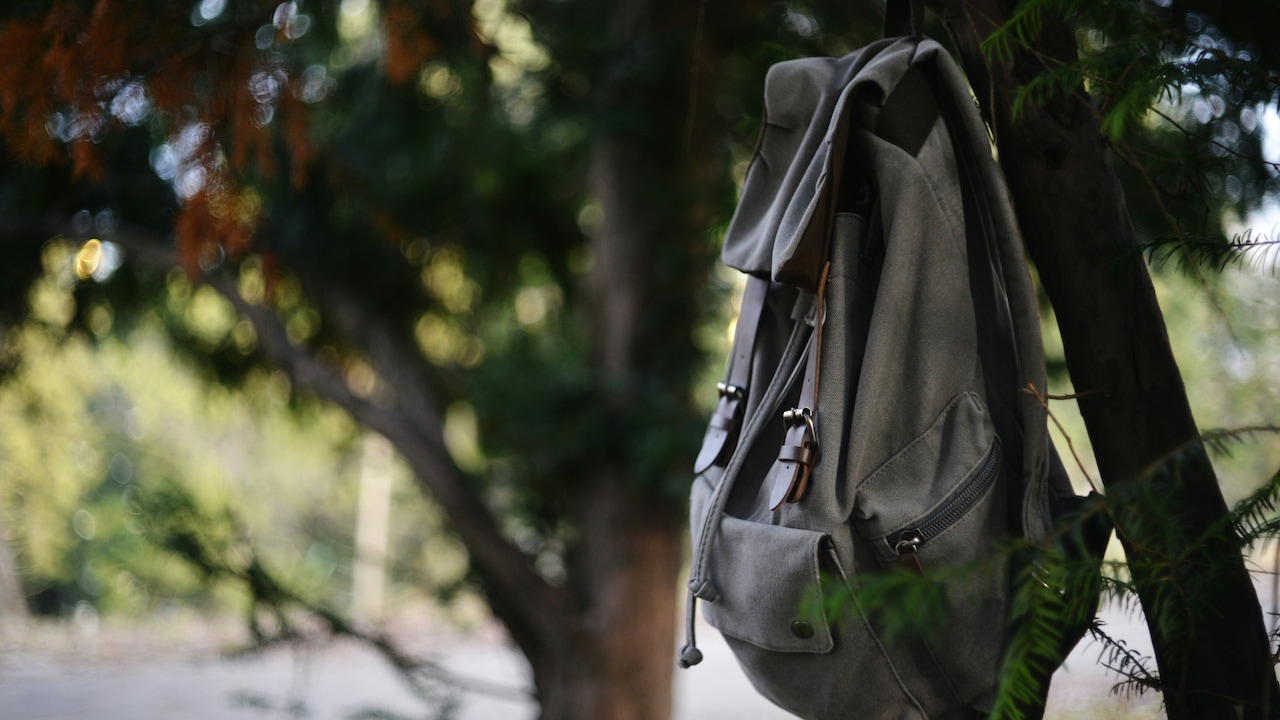
Convertible Backpacks: Practical Everyday Solution Or Just A Compromise?; Photo Credit: Pexels
The Question Of Durability
Durability often reveals the true quality of any product. Convertible backpacks, with their multiple straps and moving parts, face a tougher test than regular bags.
Every additional feature introduces a potential point of wear. Clips loosen, straps fray, and zippers face more strain due to constant adjustments. Over time, these small issues can affect the bag's usability.
A sturdy backpack typically lasts for years with minimal maintenance. Convertible designs, however, demand a bit more care. Frequent switching between styles can accelerate wear and tear, especially if the bag is used daily.
For someone investing ₹3,000 or more, expectations naturally rise. A bag should not only look versatile but also withstand the demands of everyday life. When durability falls short, the initial excitement quickly fades.
Organisation And Storage Challenges
Organisation plays a crucial role in any bag's practicality. Convertible backpacks often struggle in this area.
To accommodate multiple styles, compartments tend to be simplified. While this keeps the design flexible, it can compromise functionality. Fewer pockets mean less organisation, which can turn the inside of the bag into a chaotic space.
Carrying essentials like a laptop, notebook, charger, wallet, and small personal items becomes tricky without dedicated sections. Everything competes for space, making it harder to locate items quickly.
This lack of structure may not matter for short outings, but it becomes noticeable during longer days. The convenience promised by the design starts to feel limited when basic organisation is missing.
Comfort Over Long Hours
Comfort often separates a good bag from a great one. Convertible backpacks face a unique challenge here.
As a backpack, they distribute weight evenly. But as a tote or sling, all the weight shifts to one side. This imbalance can strain shoulders, especially when carrying heavier items for extended periods.
The straps themselves also play a role. Thin or poorly padded straps can dig into the skin, turning a simple commute into an uncomfortable experience.
Many users find themselves defaulting to one mode, usually the backpack, because it feels more comfortable. This raises an important question: if one mode dominates, does the conversion feature truly add value?
Comfort remains a decisive factor, and any compromise in this area becomes hard to ignore.

Convertible Backpacks: Practical Everyday Solution Or Just A Compromise?; Photo Credit: Pexels
The Learning Curve Of Usage
Convertible backpacks often come with a small learning curve. At first glance, the transformation seems simple. In practice, it can take a few tries to get it right.
Straps need to be adjusted, buckles secured, and sometimes parts tucked away neatly. Doing this in a relaxed setting feels manageable. Doing it on a busy street or during a hurried moment feels different.
Over time, users may adapt, but the initial friction can be discouraging. Not everyone enjoys spending extra time figuring out how a bag works.
The appeal of simplicity clashes with the reality of adjustment. A truly practical product should feel intuitive from the start, not something that requires repeated trial and error.
Suitability For Different Lifestyles
Not every bag suits every lifestyle. Convertible backpacks work well for certain routines but fall short in others.
For someone who moves between casual settings, like cafés, co-working spaces, or short errands, the flexibility feels useful. The ability to switch styles adds a touch of convenience.
However, for more structured environments, such as offices requiring formal attire, the bag may not always fit the aesthetic. Similarly, those who carry heavier loads daily might find the design limiting.
The effectiveness of a convertible backpack depends heavily on how it is used. It shines in flexibility but struggles in consistency. Understanding personal needs becomes key before investing in one.
Value For Money
Price often influences perception. Convertible backpacks sit across a wide range, from budget-friendly options around ₹1,500 to premium designs exceeding ₹10,000.
The higher the price, the greater the expectation of quality and durability. Some premium models justify their cost with better materials and thoughtful design. Others rely more on branding than functionality.
For mid-range buyers, the challenge lies in finding a balance. A bag that looks stylish but lacks durability may not offer true value.
Spending on a convertible backpack should feel like an investment, not an experiment. When the bag delivers both style and practicality, it feels worth the cost. When it does not, it quickly becomes just another item in the cupboard.
The Emotional Factor Of Style
Beyond practicality, there is an emotional element tied to these bags. They feel modern, versatile, and slightly ahead of the curve. Carrying one often adds a subtle sense of confidence.
Fashion has always been about expression, and convertible backpacks offer a unique way to reflect adaptability. They align with a lifestyle that values flexibility and movement.
However, emotions can sometimes overshadow practicality. A bag may feel exciting initially but lose appeal when daily inconveniences start to surface.
Balancing emotional satisfaction with functional needs becomes essential. A product should not only feel good but also perform reliably over time.
Products Related To This Article
1. Walizza 3-in-1 Convertible Laptop Backpack with Dual Handles
2. COSMUS SwiftPack Convertible Backpack-Messenger Bag for 15.6-Inch Laptop
3. GOLDEN WOLF Travel Backpack for Men 44L Heavy Duty Laptop Backpack
4. B'CODE TravelMate 40L Laptop Backpack
5. Red Lemon Titan Ultrafit Bange Series 15.6-Inch Laptop Backpack for Men and Women 35L
Convertible backpacks sit at an interesting intersection of innovation and compromise. They bring a fresh perspective to everyday carry, offering flexibility that traditional bags lack. The idea itself is undeniably clever, one bag adapting to multiple situations.
Yet, real-world usage reveals a more nuanced picture. While they excel in versatility and style, they often fall short in comfort, organisation, and durability. These gaps may seem small individually, but they become significant over time.
The decision ultimately depends on priorities. For those seeking flexibility and a touch of modern design, convertible backpacks can be a worthwhile addition. For those who value reliability and simplicity above all else, a well-designed traditional backpack may still be the better choice.
Innovation always comes with trade-offs. Convertible backpacks are no exception. They are not merely a passing trend, but neither are they a perfect solution. They exist somewhere in between, a smart idea that works beautifully for some and feels like a compromise for others.
(Disclaimer: This article may include references to or features of products and services made available through affiliate marketing campaigns. NDTV Convergence Limited (“NDTV”) strives to maintain editorial independence while participating in such campaigns. NDTV does not assume responsibility for the performance or claims of any featured products or services.)