Hard Shell vs Soft Suitcases: Which One Survives Airports Better?
Airports are tough on luggage. From conveyor belt chaos to monsoon mishaps, which suitcase truly lasts longer, hard shell or soft? Here’s a practical, no-nonsense look at durability, security and value for money.
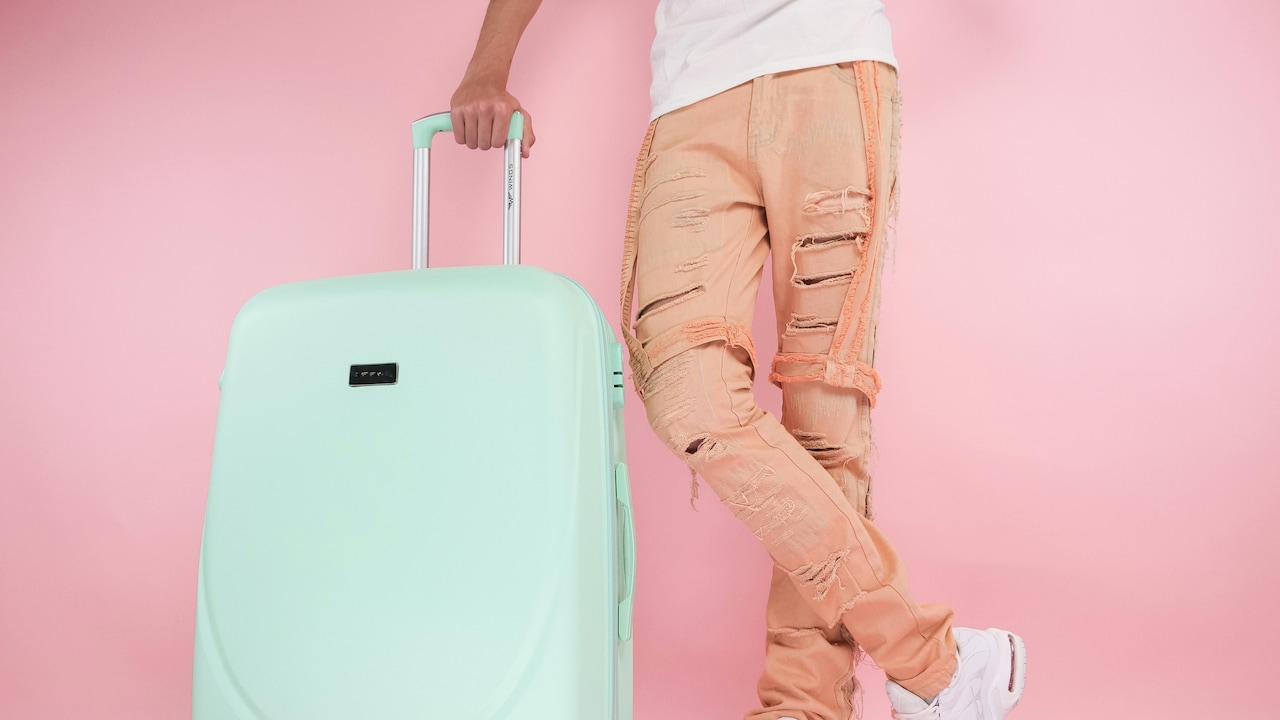
Read all about how to choose between hard shell and soft shell suitcases for air travel.
Air travel has grown from an annual luxury to a regular ritual. Weekend breaks, business hops, destination weddings, university drop-offs, everyone seems to queue at departures these days. With that surge comes an unspoken question at the luggage aisle: Should the suitcase come with armour or flexibility?
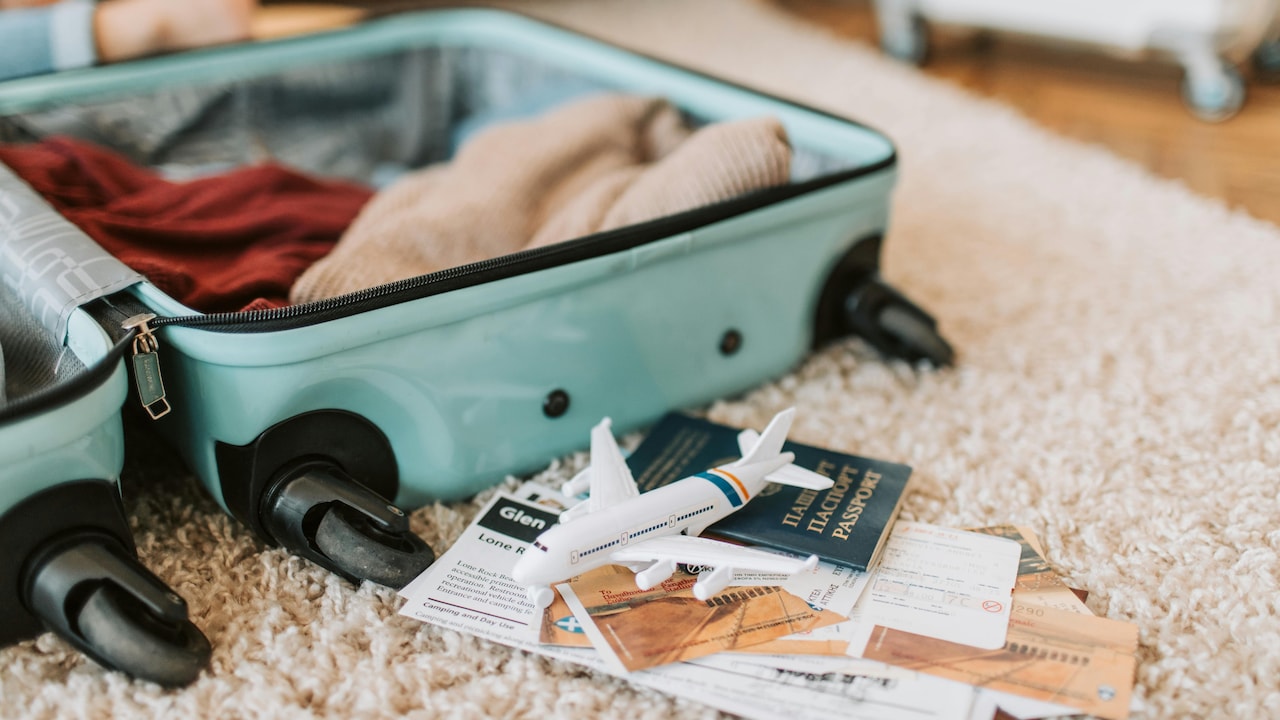
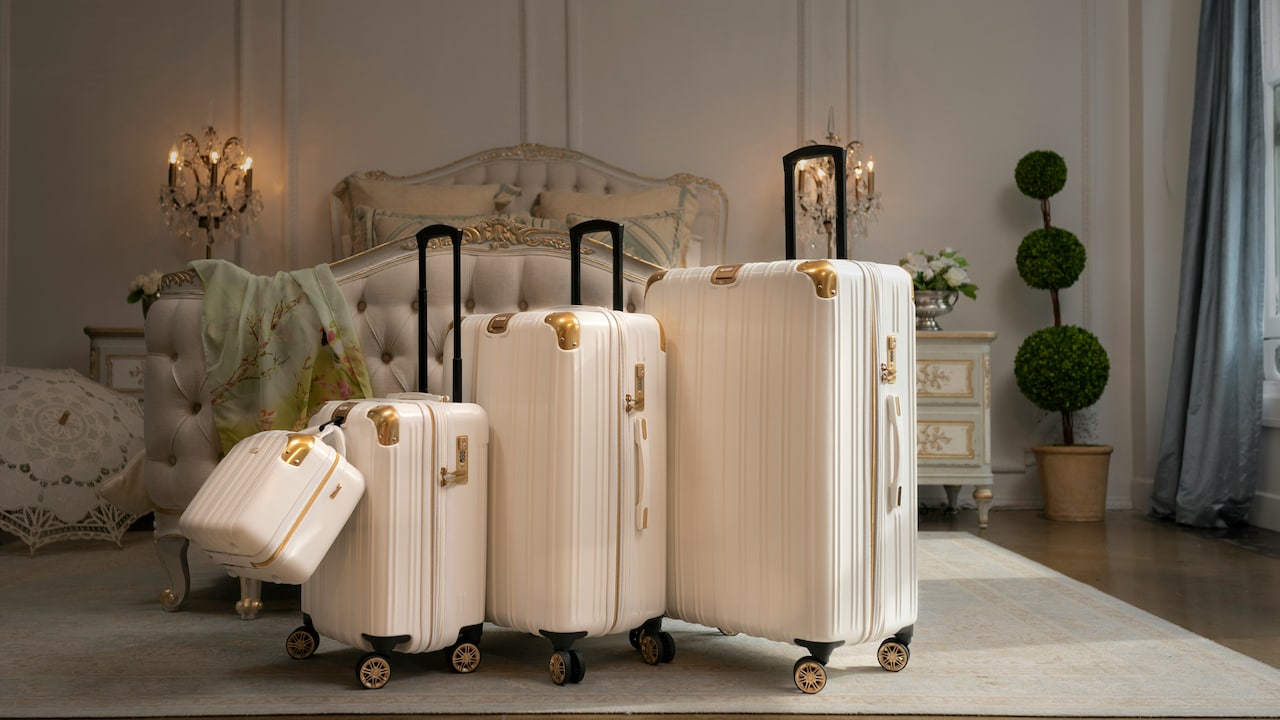
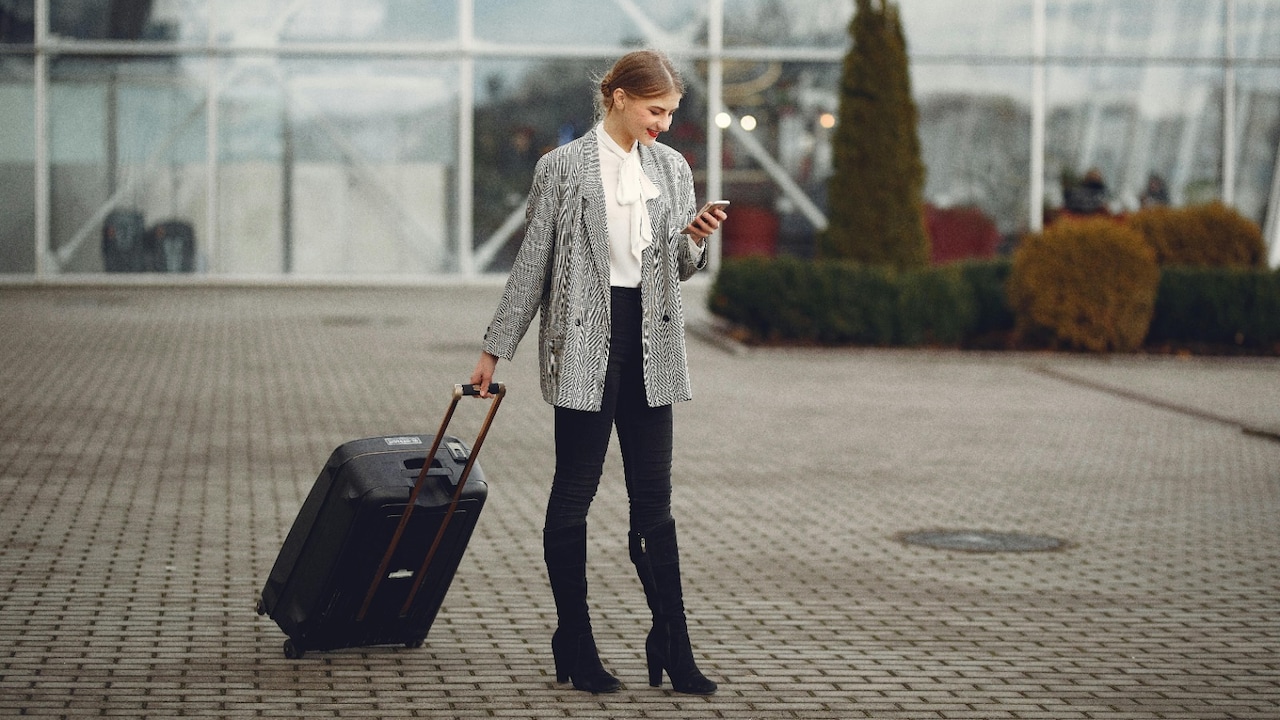
Try these tips to make the right choice between hard shell vs soft shell suitcases; Photo Credit: Pexels
Airports do not treat baggage gently. Suitcases slide down chutes, collide inside cargo holds and circle endlessly on conveyor belts. A brand-new case that cost ₹8,000 can emerge looking as though it survived a wrestling match. That first scratch hurts more than the flight delay.
Choosing between hard shell and soft luggage often feels like choosing between style and practicality. Yet the decision runs deeper. Durability, weight limits, climate, storage space at home and even travel habits all influence the verdict. This debate deserves more than a quick glance at colour options. So, which type truly survives airports better? Let's unpack the details.
Also Read: From Work Trips To Long Vacations: Explore Different Luggage Bags For Easy Travel
What Really Happens Between Check-In And Baggage Claim
The Reality Of Airport Handling
Airports rarely handle luggage with ceremony. Bags travel through conveyor systems at surprising speeds. Ground staff work against tight schedules, moving hundreds of pieces per hour. In that rush, suitcases drop, tilt and stack without warning.
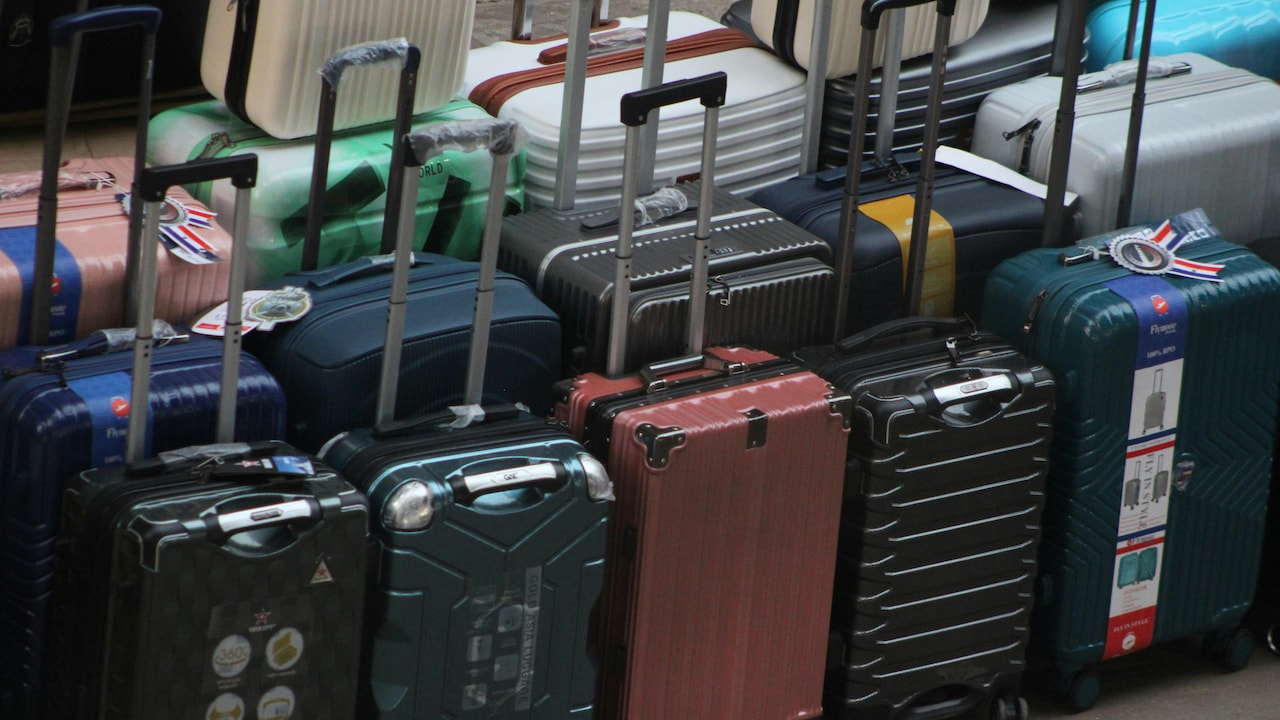
Hard shell luggage often promises protection against impact. The rigid exterior resists crushing when someone stacks a heavy duffel on top. However, that same rigidity means any strong blow leaves visible scars. A crack on a polycarbonate shell stands out like a chipped tooth.
Soft suitcases absorb shocks differently. Fabric exteriors flex when pressure hits. They may not crack, but they can tear if dragged across sharp edges. Over time, corners show fraying. Zips bear the brunt of rough pulling.
Survival at airports therefore, depends less on a single dramatic incident and more on repeated stress. Frequent flyers know this truth well. A suitcase does not fail in one moment; it wears down quietly through dozens of journeys.
Protection For Fragile Belongings
Anyone who has packed sweets for relatives or carried glass souvenirs understands the anxiety of fragile cargo. The suitcase becomes more than a storage box; it becomes a guardian.
Hard shell luggage excels at maintaining structure. The solid exterior prevents external pressure from compressing contents. A carefully packed box of sweets stands a better chance inside a rigid frame. Even laptops or cameras benefit from that extra layer.
Soft suitcases rely on internal padding and smart packing. Clothes often act as shock absorbers. While this method works surprisingly well, it requires attention and planning. Without proper cushioning, fragile items risk damage.
However, protection does not depend solely on material. The quality of the shell or fabric matters immensely. A cheap hard case can crack under stress, while a well-stitched soft case with reinforced corners can endure years of travel.
Those who often carry breakables may lean towards hard shells. Yet smart packing techniques can level the playing field considerably.
Weight And Airline Restrictions
Every traveller knows the tension at the check-in counter. The suitcase rests on the scale. The numbers flicker. Anything above the limit invites extra charges that sting more than airport coffee prices.
Hard shell suitcases usually weigh slightly more than their soft counterparts, especially budget versions. That extra kilogram matters when airlines enforce strict limits. For domestic flights with 15 kg allowances, every gram counts.
Soft luggage often feels lighter and more forgiving. The fabric construction reduces overall weight, leaving more room for clothes or gifts. On routes where excess baggage costs ₹500 to ₹1,000 per kilogram, that difference becomes significant.
Yet premium hard shell cases made from polycarbonate can remain surprisingly lightweight. Advances in materials have narrowed the gap. Still, travellers who tend to overpack may appreciate the flexibility and weight advantage of soft designs.
Ultimately, airport survival includes surviving the weighing scale. A suitcase that stays under the limit wins half the battle.
Weather Resistance And Monsoon Mishaps
Air travel does not pause for heavy rain. During monsoon months, airport tarmacs often resemble shallow lakes. Luggage sometimes waits in open carts under grey skies before loading.
Hard shell cases shine in wet conditions. Water beads off the surface and rarely seeps inside. A sudden downpour during boarding causes little concern. Clothes remain dry, and important documents stay protected.
Soft suitcases face greater challenges. While many modern fabrics include water-resistant coatings, prolonged exposure can allow moisture to seep through seams. A damp shirt at arrival hardly delights anyone.
That said, most airports now handle luggage swiftly. Extended rain exposure does not occur frequently. For occasional travellers, the difference may feel minimal. However, for those flying during peak monsoon season or through smaller airports, water resistance can make a meaningful difference.
Airports test not only durability but also adaptability to the climate. In this category, hard shells often hold a clear edge.
Security And Peace Of Mind
Security remains a growing concern. Crowded terminals create opportunities for tampering. A secure suitcase offers more than physical protection; it offers calm.
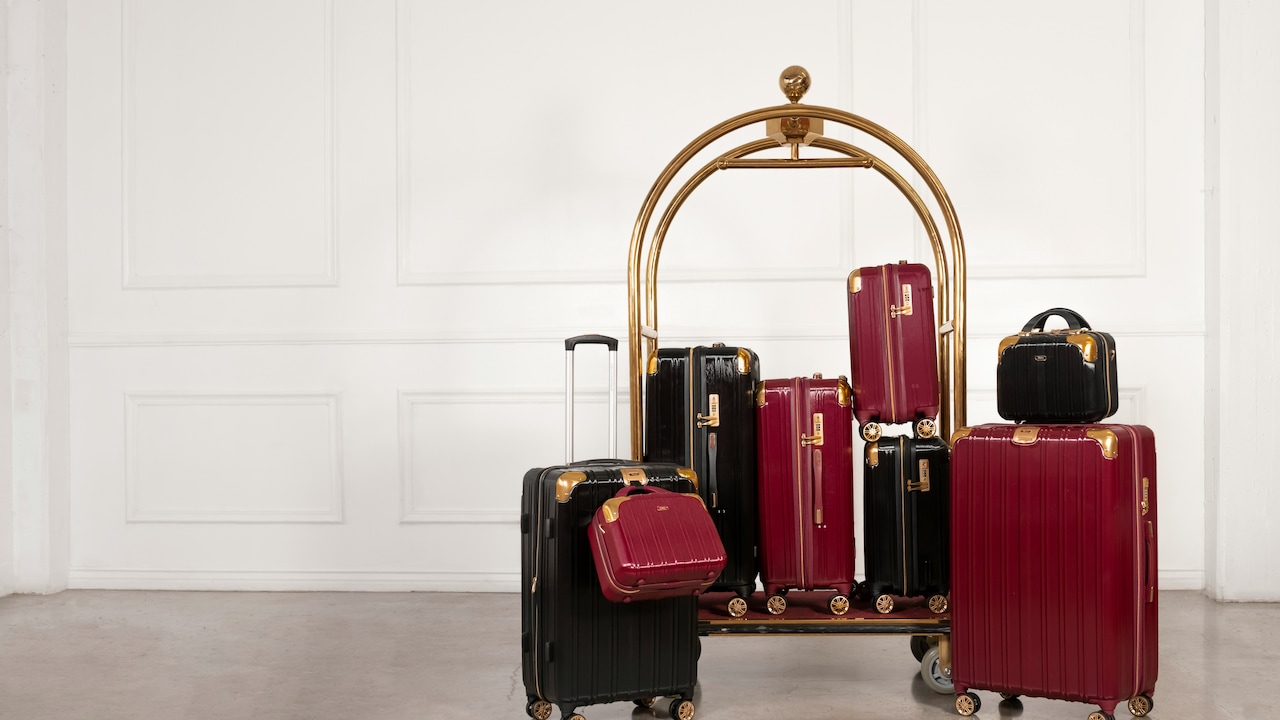
Hard shell luggage often includes integrated combination locks. The rigid design makes forced entry more obvious. Any attempt to pry open the shell leaves visible damage. This feature discourages casual interference.
Soft suitcases rely heavily on zips. While strong zippers can deter tampering, sharp tools can breach fabric more easily than solid shells. Travellers often add external padlocks for extra safety.
However, security also depends on awareness and airport protocols. Checked luggage undergoes screening, and most airports maintain high surveillance standards. Incidents remain relatively rare.
Even so, the psychological comfort of a sturdy lock and firm exterior cannot be dismissed. During long-haul travel or multi-city trips, that extra peace of mind often justifies choosing a hard shell.
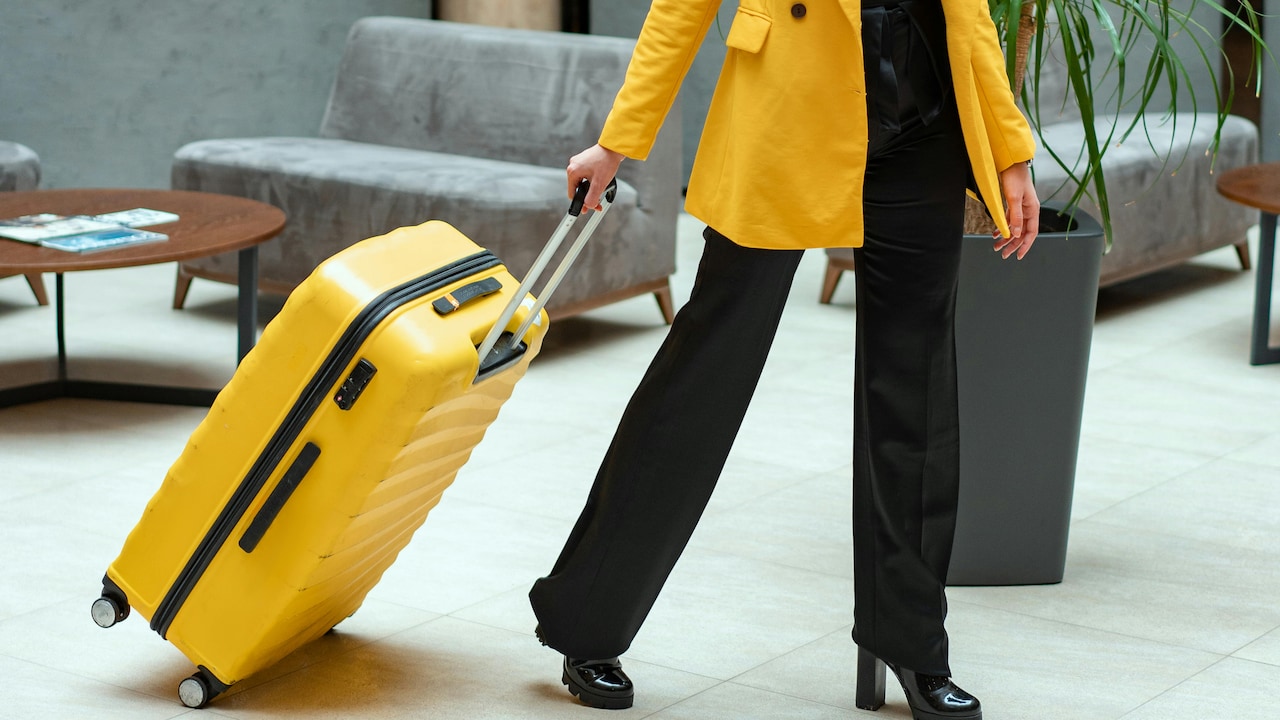
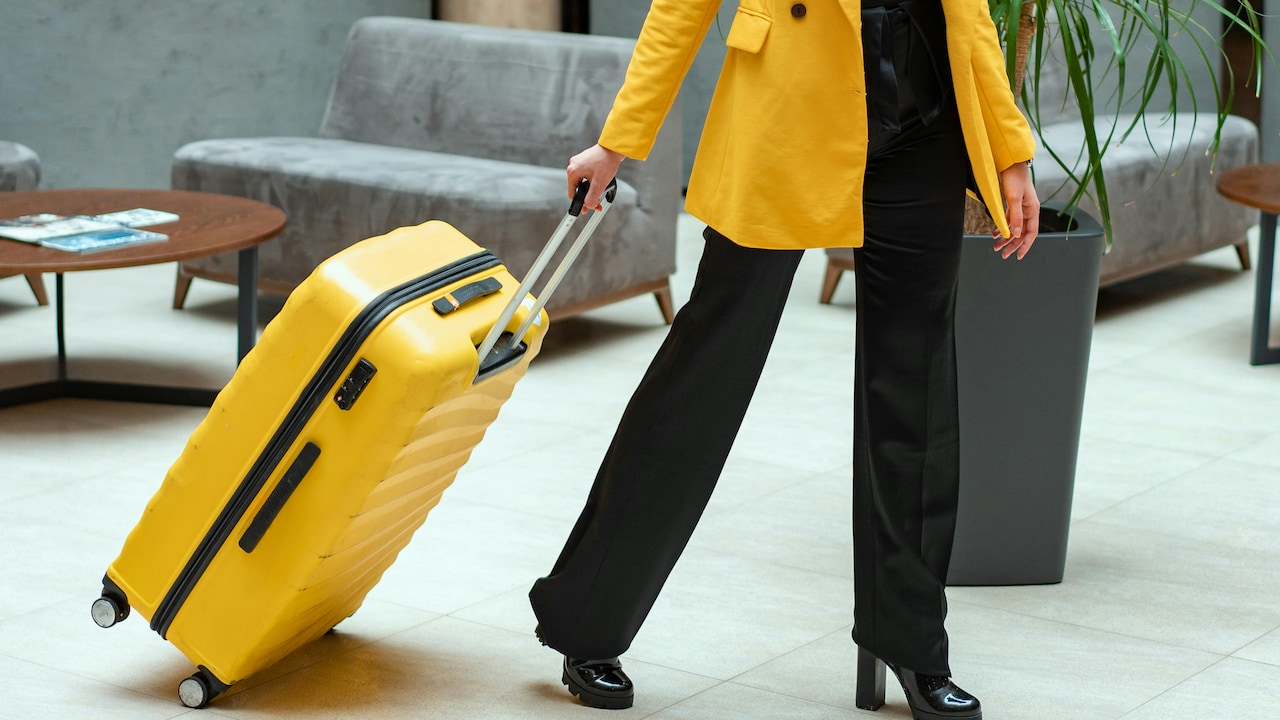
Hard shell luggage offers better combination locks and peace of mind than soft shell luggages; Photo Credit: Pexels
Flexibility And Overpacking Tendencies
Packing rarely goes according to plan. A suitcase may leave home neatly arranged but return bursting with purchases, gifts and impulse buys.
Soft suitcases excel at flexibility. Their expandable compartments allow extra space when needed. A last-minute addition fits more easily. The fabric stretches slightly without protest. For travellers who shop enthusiastically, this feature proves invaluable.
Hard shell cases demand discipline. Their fixed shape restricts expansion. Some models offer limited expandability, but the rigid frame sets boundaries. Overpacking risks straining zips or misaligning shells.
Airport survival includes surviving human habits. Many travellers underestimate shopping temptation. From handicrafts to sweets, purchases accumulate quickly. A flexible suitcase accommodates that reality far better.
Yet discipline has its merits. A fixed-capacity hard case encourages thoughtful packing and avoids exceeding airline limits. The right choice depends on whether shopping restraint feels realistic.
Durability Over Long-Term Use
One trip rarely defines a suitcase's lifespan. Real durability reveals itself after years of journeys, storage and repeated handling.
Hard shell cases resist structural collapse. They maintain shape even after heavy stacking in storage rooms. However, visible scratches accumulate. While cosmetic damage does not affect function, it can diminish appearance.
Soft suitcases age differently. Fabric may fade or fray. Corners may weaken. Zips may demand occasional repair. Yet minor stitching repairs often extend their life without major expense.
Cost also influences longevity. A well-built suitcase priced around ₹12,000 can outlast multiple cheaper alternatives. Investing wisely reduces replacement frequency.
Airports challenge luggage relentlessly, but home storage and daily handling contribute equally. Those who value appearance may prefer the enduring shape of hard shells. Those who value repairability may lean towards soft designs.
Long-term survival rarely belongs exclusively to one side. Quality and care matter just as much as material.
Ease Of Storage At Home
After the journey ends, the suitcase must find space at home. Storage often becomes an afterthought until cupboards overflow.
Hard shell cases occupy fixed space. Their rigid bodies do not compress. Smaller cases can nest inside larger ones, but overall volume remains consistent.
Soft suitcases offer slight compressibility. When empty, they can squeeze into tighter corners. This feature proves helpful in compact flats where every inch counts.
Urban living increasingly demands smart storage solutions. Not every household has a spare room dedicated to travel gear. A suitcase that adapts to limited space adds subtle convenience.
Though this factor does not directly influence airport survival, it shapes long-term satisfaction. A suitcase that stores easily reduces everyday frustration.
Sometimes the best luggage choice depends not on runways but on wardrobe shelves.
Style, Impression And First Impressions
Airports double as fashion runways. Travellers notice each other's luggage, whether consciously or not. A sleek hard shell case often projects a modern, polished image. Glossy finishes and bold colours catch attention instantly.
Soft suitcases carry a classic appeal. Their understated fabric design feels familiar and practical. Business travellers often appreciate this subtle look.
Yet style also interacts with practicality. Bright hard cases stand out quickly on baggage belts, reducing confusion. Dark fabric bags sometimes blend into the sea of black luggage.
Survival at airports includes surviving mix-ups. A distinctive suitcase reduces the risk of accidental swaps. Choosing unique colours or patterns can save awkward conversations at baggage claim.
While style may not determine durability, it influences experience. Travel involves emotion, anticipation and pride. A suitcase that sparks confidence enhances every journey.
Products Related To This Article
1. Assembly Cabin Suitcase with8 Spinner Wheels & TSA Lock
2. Aristocrat Drift Cabin Expander Trolley Bag 55cm
3. American Tourister Large Robotech with TSA Lock & 8 Wheel
4. Skybags Rhumba 55 Cms Small Cabin-in Polyster Soft Sided Luggae
5. American Tourister Phillyplus Large with TSA Lock & 8 Wheels Soft Polyester Check-in Suitcase for Holiday
6. Safari Thorium Royale 8 Wheels 77cm Large Size Trolley Bag Hard Case Checkin Polycarbonate Luggage
7. Uppercase Bullet (Large) 74Cm, Check-In Trolley Bag
The question of which suitcase survives airports better does not invite a simple verdict. Hard shell luggage offers strong impact protection, water resistance and enhanced security. It shields fragile items and withstands stacking pressure with confidence. However, it reveals scratches easily and limits flexibility.
Soft suitcases provide lighter weight, expandable space and easier storage at home. They absorb shocks through fabric flexibility and adapt well to overpacking. Yet they face greater risk from moisture and potential tampering.
Airport survival depends on travel habits more than marketing claims. Frequent flyers carrying delicate items during monsoon months may prefer hard shells. Occasional travellers who shop enthusiastically and prioritise flexibility may find soft cases more forgiving.
Ultimately, the best suitcase survives not just conveyor belts but real-life routines. Thoughtful packing, careful handling and quality materials matter more than surface shine. The airport will always test luggage. Choosing the right companion simply makes that test far less dramatic.
(Disclaimer: This article may include references to or features of products and services made available through affiliate marketing campaigns. NDTV Convergence Limited (“NDTV”) strives to maintain editorial independence while participating in such campaigns. NDTV does not assume responsibility for the performance or claims of any featured products or services.)