How To Organise A Travel Bag So You're Not Digging For Things?
Tired of digging through your travel bag to find a charger or a sock? Here are some simple ways to organise your travel bag so that everything has its place.
How To Organise A Travel Bag So You're Not Digging For Things?
You know that moment when you're at the airport or, worse, in a hotel bathroom at 6 am, pulling everything out of your bag to find one charging cable. Everyone's been there. It's not about being messy; most of us just pack quickly and hope for the best. But here's the thing: a travel bag doesn't organise itself. It needs a small system, something you can repeat every single time you travel, so your hands know exactly where to go without you even thinking about it.
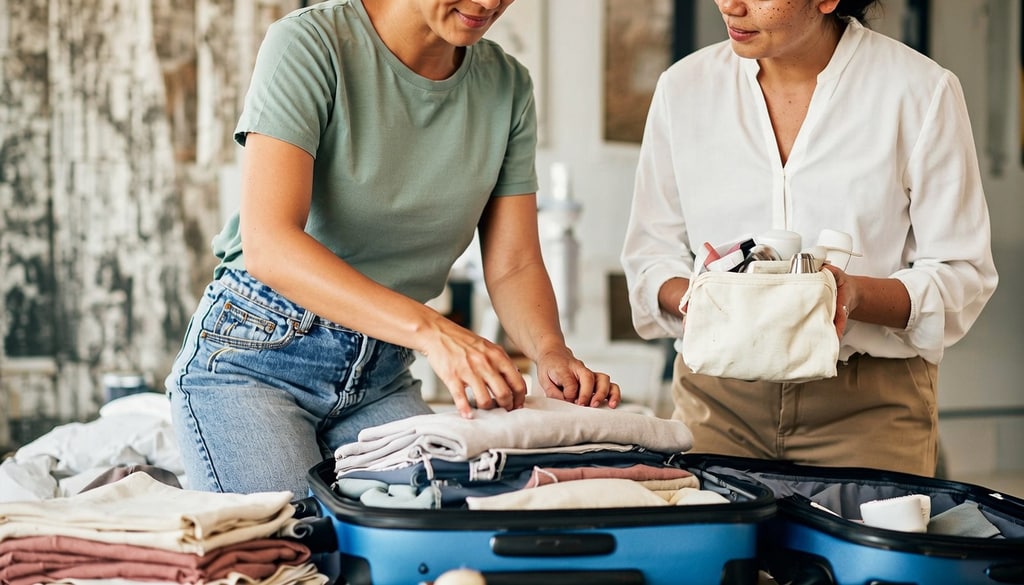
Discover easy packing tips to organize your travel bag so everything has its place.
Photo Credit: iStock
This is especially true for travellers who often carry a mix of things: formal clothes for one event, comfortable clothes for the rest, some home food packed in a tiffin, chargers for three different devices, and maybe a small pooja kit too. A packed bag can get chaotic fast if there's no plan behind it.
Why Most Travel Bags Turn Into A Mess Anyway
The honest answer is that people pack by throwing things in, not by placing them in. There's a difference. Throwing means everything just lands wherever there's space. Placing means each item has a home, even before you've zipped the bag shut.
Loose items are the real problem here. A charger without a pouch, a pair of socks without a bag, a phone cable just floating around – these things move around during transit and settle at the bottom, usually under everything else. And that's precisely why you end up digging.
Another reason bags get messy is that people pack in one go without categories. Clothes, toiletries, gadgets, documents, and snacks all mixed together mean you have to touch everything to find the one thing you actually need.
Start With A System, Not Just A Bag
Before you pack even one item, decide how you're going to divide your bag. This single decision changes everything about how easy your trip feels later.
1. Pick Your Containers First
Packing cubes, pouches, or even large ziplock bags work here. The goal is that nothing goes into your suitcase loose. Everything sits inside something smaller first.
2. Group By Category, Not By Day
Many people try to pack outfits by outfit for each day, which sounds neat but actually makes searching harder. It works better to group by type: all tops together, all bottoms together, all innerwear together. That way, you're not opening five different pouches to build one outfit.
3. Weigh Out Your Heavy Items
Shoes, books, and toiletry bottles – these are heavy, and they should sit at the bottom near the wheels of your suitcase or at the base if it's a backpack. This keeps your bag balanced and stops your soft items from getting crushed.
The Zone Method For Different Items
Once you've got your containers sorted, the next step is deciding where each zone lives inside the bag. Think of your suitcase or backpack as having four corners, not one big open space.
1. Clothes Zone
This should take up the largest chunk, usually the main compartment. Rolling clothes instead of folding them saves a surprising amount of room, and it also means less digging since rolled clothes sit upright like files in a drawer.
2. Electronics Zone
Chargers, cables, power banks, earphones – all of these items deserve their own small pouch, ideally one with compartments. Keep this pouch near the top or in a side pocket you can reach without opening the whole bag.
3. Toiletries Zone
Liquids should always go in a separate waterproof pouch, and this pouch should sit away from your clothes, just in case something leaks. A small zip pouch works fine; it doesn't need to be fancy.
Also Read: Top 7 Lightweight Stoles For Air-Conditioned Offices And Travel
4. Documents And Valuables Zone
Passport, tickets, ID cards, and cash – these need one dedicated slot, usually a front pocket, that you can access instantly at security checks or hotel check-ins. Never bury these under clothes; you'll regret it the moment you need them quickly.
Small Tricks That Save Big Time
Beyond the big categories, there are a few small habits that make a noticeable difference once you actually start using your bag during the trip, not just packing it at home.
1. Use Shoe Bags Or Old Shower Caps
Shoes carry dirt and smell, so keeping them wrapped stops them from touching your clothes. If you don't have proper shoe bags, an old shower cap from a hotel works just as well.
2. Label Or Colour Code Your Pouches
If you're using multiple pouches that look similar, a simple trick is to use different colours for different categories. Black for electronics, blue for toiletries, whatever works, as long as you remember your code.
3. Keep One Empty Pouch For Dirty Laundry
Pack one extra bag, even a simple cloth bag, just for worn clothes. This alone prevents your clean clothes from mixing with used ones halfway through the trip, and it keeps your main bag from turning messy by day three.
Once you land at your destination, the same system should stay in place. Don't unpack everything onto the hotel bed on day one and then shove it back randomly later, that's usually how the mess starts creeping back in. Keep your zones the same in the hotel room, and packing will be as quick as at home.
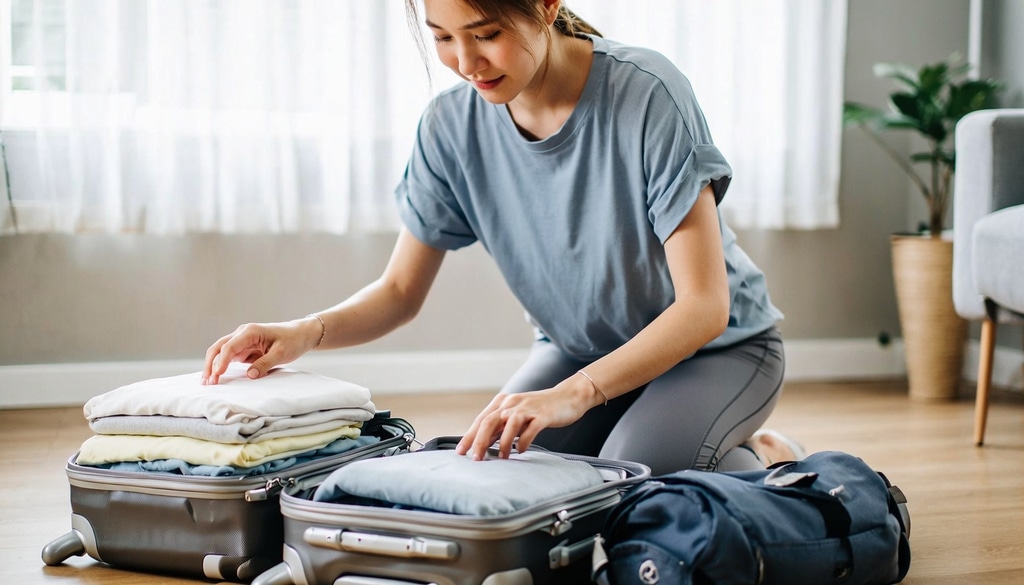
Keep your essentials accessible using these smart methods for efficient travel bag organization.
Photo Credit: iStock
Some Travel Organizer Products You May Like
1. RIXTEC Makeup Bag Travel Toiletries Organiser
2. Niwlix Nylon Travel Organizer 7-In-1
3. PETRICE Travel Organizer Pouch Packing Cubes for Travel Essentials
4. Lyrovo Nylon 7-Piece Travel Packing Cubes
5. Avenux 7-Piece Travel Organiser Set
6. Ladiosa® Nylon Travel Organizer
7. FLYNGO Nylon 8 Pcs Travel Organizer Pouch
8. Wooum Passport And Document Holder for Passport Case Protection
A well-organised travel bag can save you time, reduce stress, and make your journey much more enjoyable. Instead of rummaging through your luggage every time you need a charger, passport, or pair of socks, use packing cubes, pouches, and dedicated compartments to keep essentials within easy reach. Group similar items together and place frequently used belongings in accessible pockets for added convenience. With a little planning before you pack, you can stay organised throughout your trip and focus more on making memories rather than searching for misplaced items.
Frequently Asked Questions (FAQs)
1. Do packing cubes actually help, or is it just a trend?
Packing cubes genuinely help, mainly because they force you to categorise your items instead of tossing them in loose, which is the biggest reason bags get messy in the first place.
2. Should I roll or fold my clothes for better organisation?
Rolling generally saves more space and makes it easier to see everything at a glance, though thicker items like jackets can still be folded if rolling feels bulky.
3. What's the best way to organise a backpack for a short trip?
For short trips, even two or three pouches are enough, one for clothes, one for toiletries, and one for electronics, since a backpack has less room for elaborate zoning anyway.
4. How do I stop my charger cables from tangling in my bag?
A small pouch with individual slots or even rubber bands around each cable keeps them separate, so you're not untangling a knot every time you need one.
5. Is it worth buying separate pouches, or can I use regular bags at home?
Regular ziplock bags or old cloth pouches from home work perfectly fine; the point isn't buying anything fancy, it's just about giving each category its own container.
(Disclaimer: This article may include references to or features of products and services made available through affiliate marketing campaigns. NDTV Convergence Limited (“NDTV”) strives to maintain editorial independence while participating in such campaigns. NDTV does not assume responsibility for the performance or claims of any featured products or services.)