The Real Cost Of Running An AC vs Air Cooler In Indian Summers
AC or air cooler? This article breaks down the real cost of cooling your home, covering electricity, maintenance, comfort and long-term value, so you can choose what truly suits your budget and lifestyle.

The Real Cost Of Running An AC vs Air Cooler In Indian Summers
Every summer tells the same story. The fan spins faster, windows stay shut longer, and afternoons begin to feel endless. Somewhere between a sweaty nap and a restless night, the thought creeps in: Should an air conditioner finally replace that trusty air cooler?
The decision often feels simple on the surface. One promises icy relief, the other a gentler breeze. Yet beneath that lies a web of costs that go far beyond the price tag. Electricity bills, maintenance, water usage, room size, and even lifestyle habits quietly influence the outcome.
For many households, this is not just about cooling. It is about balancing comfort with monthly expenses, about deciding whether instant relief justifies a heavier bill. Conversations around dinner tables, debates during heatwaves, and advice from neighbours all add to the confusion.
This piece dives deep into what it truly costs to run an AC versus an air cooler. Not just in rupees, but in effort, efficiency, and everyday living.
The Real Cost Of Running An AC vs. an Air Cooler In Indian Summers; Photo Credit: Pexels
Breaking Down The Real Costs And Comfort Factors
The Upfront Investment
The first difference appears before either device even switches on. Walk into any appliance store, and the gap becomes obvious. An air cooler often sits comfortably in the ₹5,000 to ₹15,000 range, depending on size and features. It feels like a manageable purchase, something that does not require weeks of budgeting.
An air conditioner, on the other hand, demands commitment. Even a basic split AC can cost anywhere between ₹30,000 and ₹60,000, sometimes more when installation charges sneak in. Add stabilisers or extended warranties, and the figure climbs further.
This initial expense often shapes perception. Coolers seem accessible, almost casual, while ACs feel like a milestone purchase. Families tend to plan around them, sometimes delaying the decision until the heat becomes unbearable.
Yet, upfront cost tells only half the story. A cheaper start does not always guarantee long-term savings, just as an expensive beginning does not always mean excessive running costs. Still, this first step plays a powerful role in shaping choices, especially for households keeping a close eye on spending.
Also Read: Air Coolers Or Air Conditioners: The Best Buy For Your Home?
Electricity Bills That Tell The Truth
The real shock often arrives at the end of the month. Electricity bills have a way of revealing what daily comfort actually costs. An air conditioner, depending on usage, can consume anywhere between 1 to 2 units of electricity per hour. Run it through a typical summer night, and the numbers add up quickly.
A cooler feels almost modest in comparison. Most units consume about 0.2 to 0.5 units per hour. Even with extended usage, the bill rarely jumps dramatically. This makes coolers a popular choice in homes where energy consumption remains a constant concern.
However, usage patterns matter. A household that runs an AC only for a few hours at night may not see an overwhelming spike. Meanwhile, a cooler running all day in humid conditions may not deliver enough comfort, leading to frustration rather than savings.
Electricity tariffs also vary by region, and higher consumption slabs can increase costs disproportionately. That is where AC usage can become particularly expensive, pushing bills into higher brackets.
Ultimately, the difference in power consumption often becomes the deciding factor, especially when summer stretches longer than expected.
Cooling Efficiency And Comfort Levels
Comfort cannot always be measured in rupees. There is a distinct difference between the cooling delivered by an AC and the breeze from a cooler. An air conditioner reduces room temperature significantly, offering consistent relief even during peak heat. It creates a controlled environment, almost like stepping into a different season.
Coolers, by contrast, rely on evaporative cooling. They work best in dry conditions and struggle when humidity rises. On particularly sticky days, the air can feel damp rather than refreshing.
This difference affects daily life more than expected. A well-cooled room can improve sleep, reduce fatigue, and even enhance productivity. Many people notice fewer interruptions at night when the temperature remains stable.
However, some prefer the natural airflow of a cooler. It feels less artificial, less closed off. There is also something nostalgic about the soft hum and occasional splash of water.
The real question lies in expectations. Those seeking absolute comfort often lean towards ACs, while those willing to compromise slightly for lower costs find coolers perfectly adequate.
Maintenance And Hidden Expenses
Both options come with their own maintenance routines, though the nature of these tasks differs significantly. Air conditioners require periodic servicing, gas refilling, and filter cleaning. Annual maintenance contracts can cost anywhere between ₹1,500 and ₹3,000.
Coolers, on the other hand, demand simpler attention. Cleaning water tanks, replacing cooling pads, and ensuring proper airflow usually suffice. These tasks cost less but require more frequent hands-on involvement.
There is also the question of longevity. ACs tend to last longer if maintained well, while coolers may need replacement or repairs sooner, especially after heavy usage.
Unexpected breakdowns can tilt the balance. AC repairs often feel heavier on the wallet, while cooler fixes remain relatively inexpensive. However, frequent minor repairs can also add up over time.
Maintenance may not grab attention initially, but it quietly influences long-term costs. A device that runs smoothly without frequent intervention often feels more economical, even if its upfront cost was higher.

The Real Cost Of Running An AC vs Air Cooler In Indian Summers; Photo Credit: Pexels
Water Consumption And Practical Concerns
Water usage rarely enters the conversation, yet it plays a crucial role. Air coolers depend on a steady supply of water to function effectively. During peak summer, tanks may need refilling once or twice a day.
In areas facing water shortages, this becomes a serious drawback. The convenience of cooling may clash with the effort of managing water availability. It adds another layer of responsibility to daily routines.
Air conditioners, in contrast, do not rely on water in the same way. They offer consistent cooling without requiring manual intervention. This makes them particularly appealing in regions where water supply remains uncertain.
There is also the question of humidity. Coolers increase moisture in the air, which can feel uncomfortable in already humid conditions. ACs remove humidity, creating a drier and often more pleasant environment.
Water may seem like a minor detail, but in reality, it shapes both convenience and comfort in subtle yet significant ways.
Space, Installation, And Mobility
An air cooler feels almost carefree in comparison to an AC. It requires no permanent installation, no drilling, and no complicated setup. Simply place it near a window, plug it in, and it is ready to go.
This flexibility proves useful in rented homes or spaces where structural changes are not ideal. Moving a cooler from one room to another takes little effort, making it a versatile option.
Air conditioners demand a more permanent arrangement. Installation involves mounting units, setting up drainage, and sometimes altering electrical connections. Once installed, shifting them becomes a hassle.
This difference affects how people use these devices. A cooler adapts to changing needs, while an AC defines a fixed cooling zone.
For some, this permanence adds value. A dedicated cooled space feels like a retreat from the heat. For others, the ability to move cooling around the house feels more practical.
The choice often depends on lifestyle and living arrangements, rather than just cost.
The Real Cost Of Running An AC vs Air Cooler In Indian Summers; Photo Credit: Pexels
Noise And Everyday Experience
Sound plays a bigger role than expected. Coolers often produce a noticeable hum, sometimes accompanied by the splashing of water. While some find it soothing, others may find it distracting, especially during sleep.
Air conditioners operate more quietly, particularly newer models. The steady, low noise can fade into the background, creating a more peaceful environment.
This difference becomes significant at night. A quieter room often leads to better rest, something that many people begin to value more during long summers.
However, noise tolerance varies widely. Some households barely notice the cooler's sound, while others prefer the near silence of an AC.
It is a subtle factor, yet it shapes the overall experience. Comfort is not just about temperature; it includes how the environment feels and sounds.
Impact On Health And Air Quality
Cooling devices influence more than just temperature. Air conditioners filter air to some extent, reducing dust and allergens. This can benefit those with respiratory sensitivities.
Coolers, on the other hand, rely on fresh air circulation. When maintained well, they can provide a natural and ventilated environment. However, poorly cleaned units may harbour dust or bacteria.
Humidity also plays a role. High moisture levels from coolers can feel uncomfortable and may affect indoor air quality. ACs reduce humidity, which many find more comfortable, especially during sticky weather.
Health considerations often go unnoticed until discomfort arises. Dry air from ACs may cause minor throat irritation for some, while excessive humidity from coolers can feel equally unpleasant.
The balance lies in proper usage and maintenance. Both options can support a healthy environment if used thoughtfully.
Long-Term Financial Perspective
Short-term savings often guide decisions, but long-term costs tell a more complete story. An air cooler may seem economical initially, but repeated replacements or inefficiency in certain climates can offset those savings.
An AC, despite its higher upfront cost, may prove more cost-effective over time if used efficiently. Energy-efficient models, proper insulation, and mindful usage can help control expenses.
Electricity rates, usage hours, and maintenance all contribute to this equation. What appears expensive today may balance out over several summers.
Financial decisions rarely remain static. Changing needs, rising temperatures, and evolving lifestyles all influence how value is perceived over time.
Thinking beyond immediate costs allows for a more informed decision, one that aligns with both comfort and budget.
Emotional Comfort And Lifestyle Choices
Beyond numbers and calculations lies a more personal dimension. The choice between an AC and a cooler often reflects lifestyle preferences. Some enjoy the crisp, controlled environment of an air-conditioned room. It feels like an escape, a small luxury that makes summer more bearable.
Others prefer the open, breezy feel of a cooler. It connects the indoors with the outside, creating a sense of continuity rather than isolation.
Family habits also play a role. Shared spaces, sleeping arrangements, and daily routines influence how cooling is used and experienced.
There is also an emotional aspect to spending. Investing in an AC may feel like an upgrade, a sign of progress. Choosing a cooler may reflect practicality and simplicity.
Neither choice is inherently better. Each carries its own set of comforts and compromises, shaped by individual priorities.
Products Related To This Article
1. Cruise 1 Ton 3 Star, New Star rated
2. Crompton Ozone Neo Desert Air Cooler 95L
3. Voltas 183V Vectra CAW 1.5 ton 3 star inverter Split AC
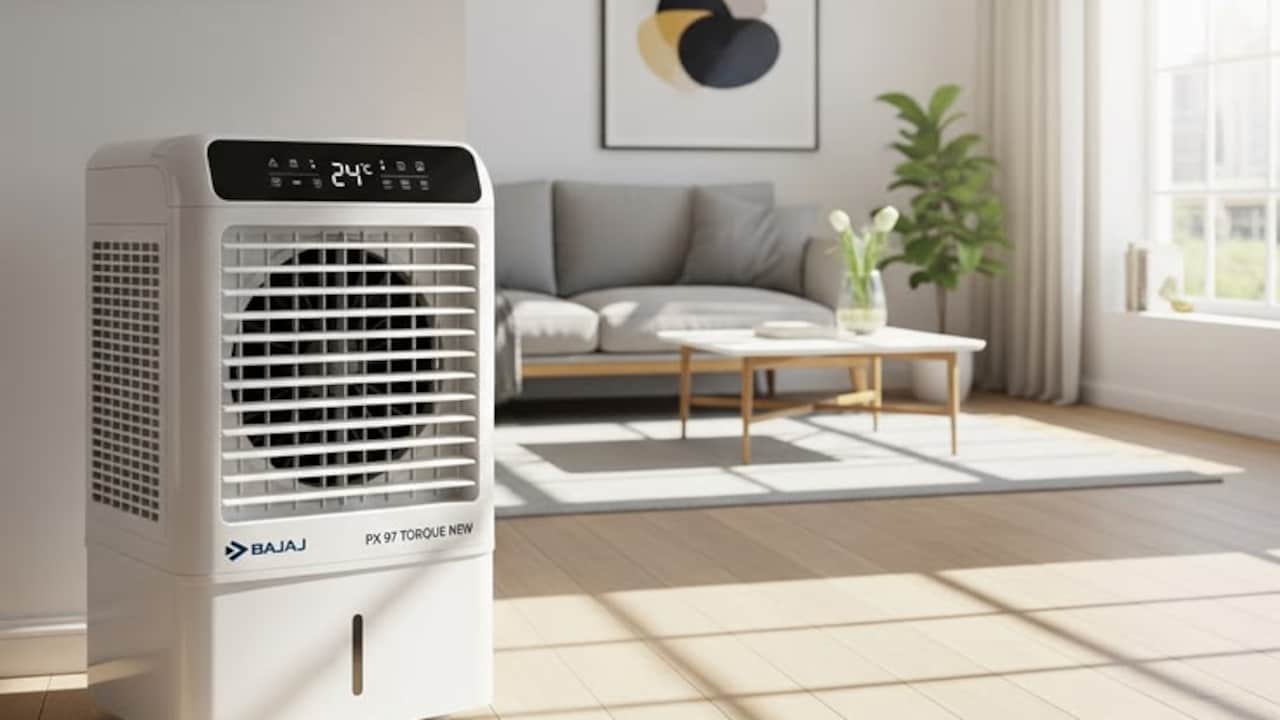
4. Bajaj PX 97 Torque New 36L Personal Air Cooler For Room
5. Carrier 1.5 Ton 3 Star, New Star rated, Flexicool Inverter Split AC
6. Cadlec StormAir 100L Desert Air Cooler
7. Midea 1.5Ton 3S,New Star rated
Choosing between an air conditioner and an air cooler is rarely a straightforward decision. It is not just about beating the heat, but about understanding what that comfort truly costs.
Air coolers offer affordability, flexibility, and lower electricity usage. They suit those who value simplicity and manage well in less humid conditions. Air conditioners, meanwhile, provide unmatched cooling and consistency, often at the expense of higher initial and running costs.
The real cost lies in how each option fits into daily life. Electricity bills, maintenance efforts, water availability, and personal comfort all weave together into the final decision.
In the end, the right choice is not the one that costs the least or cools the most. It is the one that aligns best with lifestyle, budget, and expectations. Summer may be relentless, but with the right decision, it does not have to be unbearable.
(Disclaimer: This article may include references to or features of products and services made available through affiliate marketing campaigns. NDTV Convergence Limited (“NDTV”) strives to maintain editorial independence while participating in such campaigns. NDTV does not assume responsibility for the performance or claims of any featured products or services.)