Do You Need A Food Processor If You Already Have A Mixer?
A mixer handles daily kitchen tasks with ease, but does a food processor truly add value? Discover whether this extra appliance is a smart upgrade or just another unused gadget on the shelf.
Do You Need A Food Processor If You Already Have A Mixer?
Step into any modern kitchen and a mixer almost always takes centre stage. It whirs through spices, blends smoothies, and tackles batters without much fuss. For many households, it feels complete. Then comes the subtle nudge, someone mentions a food processor. Suddenly, questions arise. Does it save time? Does it simplify cooking? Or does it end up gathering dust next to the mixer?
Kitchen choices often balance practicality, space, and budget. Spending ₹5,000 to ₹15,000 on an appliance demands thought, especially when the current setup works fine. Yet, curiosity lingers. A food processor promises efficiency, precision, and versatility. But promises do not always match reality.
This article takes a closer look at both appliances, not through technical jargon, but through everyday cooking experiences. From chopping onions to kneading dough, from festive prep to weekday meals, each aspect reveals whether a food processor deserves a spot beside the trusty mixer.
Do You Need A Food Processor If You Already Have A Mixer?; Photo Credit: Pexels
What Really Matters Before Adding A Food Processor To Your Kitchen
Understanding The Core Difference Between A Mixer And A Food Processor
At first glance, a mixer and a food processor appear similar. Both use blades, both plug into the same socket, and both claim to make life easier. Yet, their design tells a different story.
A mixer focuses on liquids and semi-liquids. It excels at blending, grinding, and creating smooth textures. Think chutneys, gravies, dosa batter, or milkshakes. The blades spin at high speeds, breaking ingredients into a fine consistency.
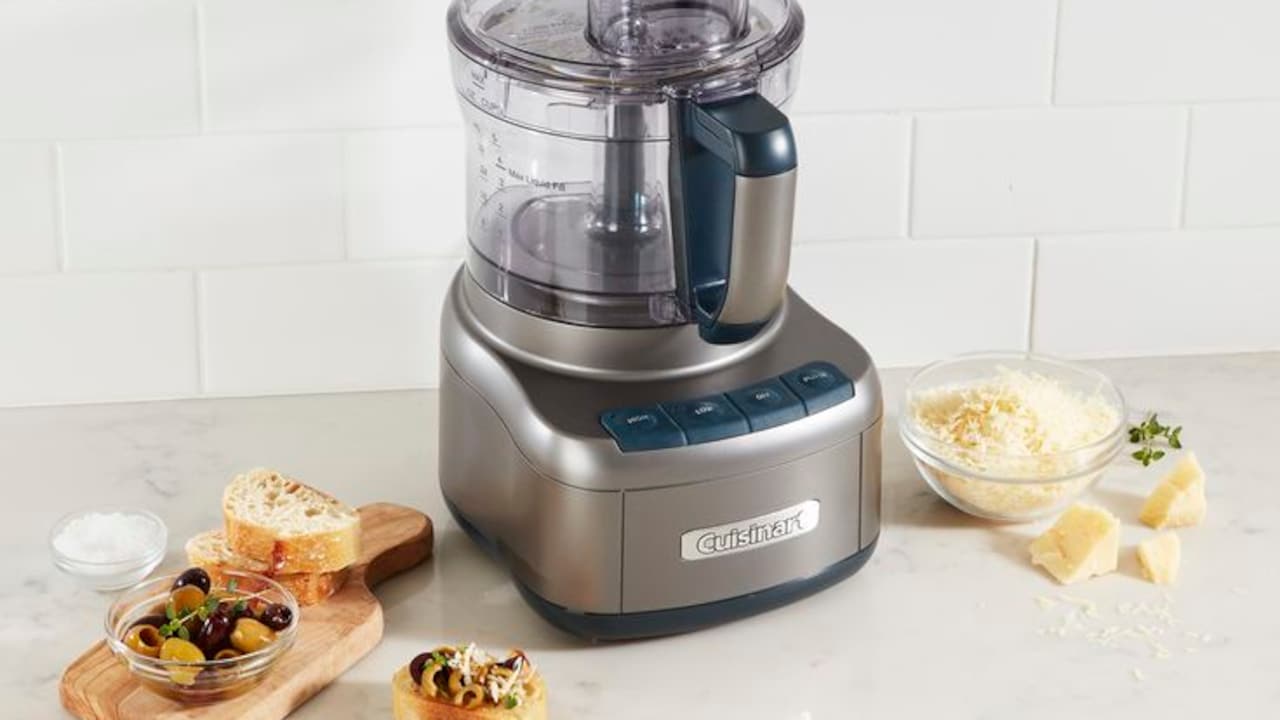
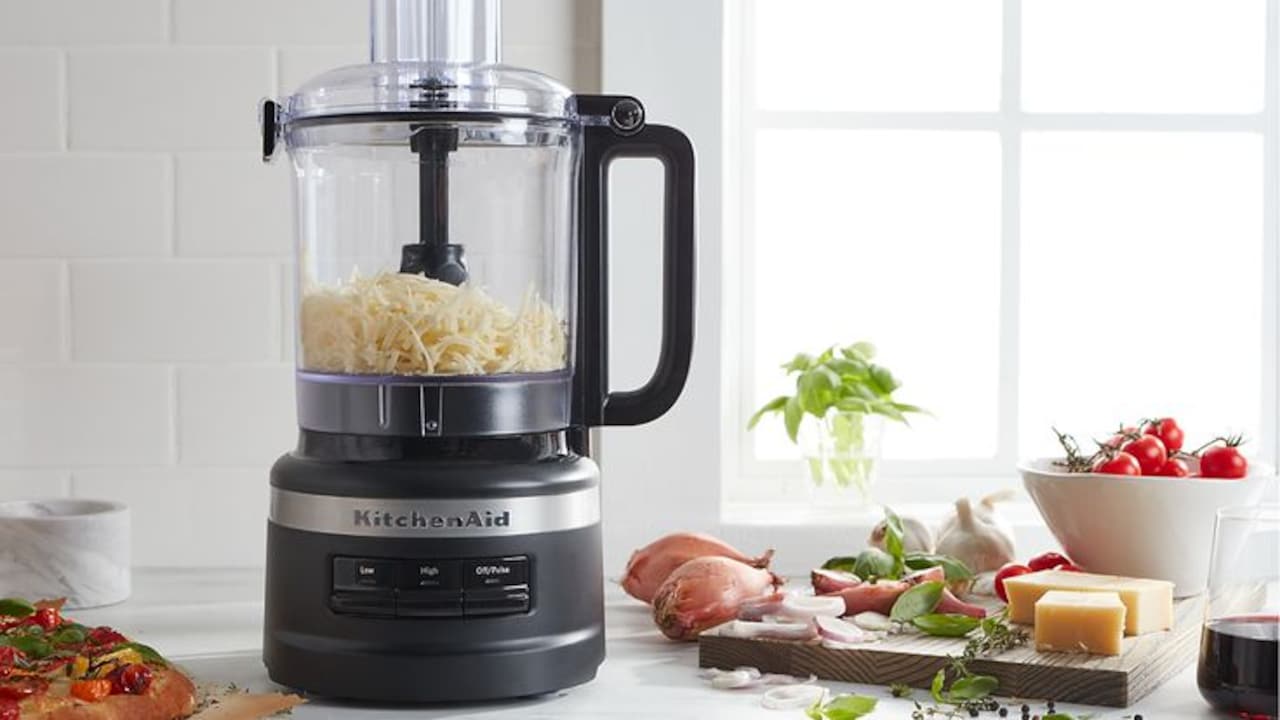
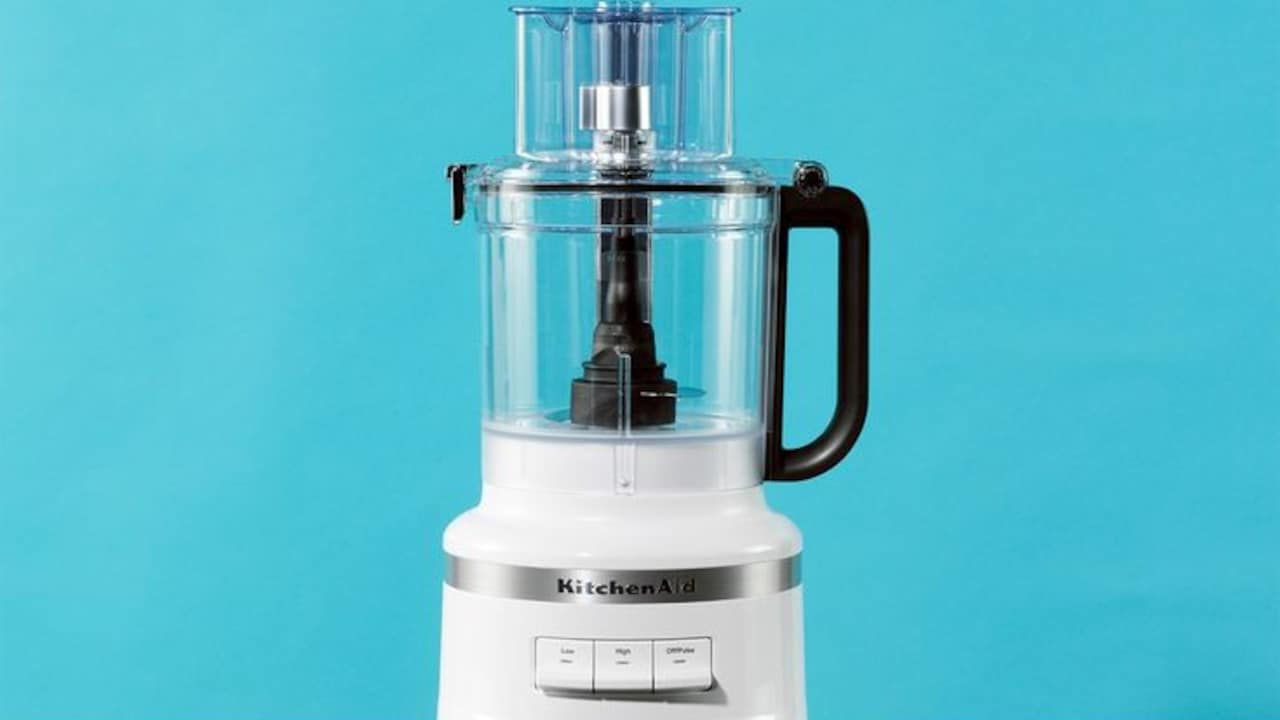
A food processor, however, leans towards solid preparation. It chops, slices, shreds, and kneads. Its wider bowl and varied attachments handle vegetables, dough, and even cheese. Instead of creating smooth pastes, it offers control over texture.
The distinction becomes clearer during meal prep. A mixer struggles with slicing potatoes evenly, while a food processor finds it effortless. On the other hand, a food processor cannot replicate the silky smoothness of a mixer-grinder chutney.
Understanding this difference sets the stage for a smarter decision. It is not about replacing one with the other. It is about knowing whether both serve distinct roles worth investing in.
The Everyday Kitchen Reality: What Gets Used More
Appliances often shine in showrooms but tell a different story at home. Daily cooking routines reveal what truly matters.
A mixer sees frequent use. Morning smoothies, quick chutneys, spice grinding, these tasks happen almost every day. Its compact jars make cleaning quick, and its purpose feels essential rather than optional.
A food processor, however, enters the scene during elaborate cooking sessions. Preparing large quantities of vegetables or making dough for multiple rotis highlights its strengths. Yet, on regular weekdays, many hesitate to pull it out. Setting up attachments and cleaning multiple parts can feel like extra effort.
This gap between occasional and daily use often determines whether a food processor becomes indispensable or neglected. A busy household that cooks in bulk might appreciate it. A smaller setup with simple meals may not feel the need.
The truth lies not in capability, but in habit. Appliances that match daily rhythm earn their place on the counter.
Also Read: Best Food Processor Under 5000: Powerful, Versatile, and Perfect For Every Kitchen
Time-Saving Or Time-Consuming: The Real Efficiency Debate
The idea of saving time drives most kitchen purchases. A food processor promises speed, but the reality depends on how it gets used.
For large batches, it shines. Chopping onions for a family gathering or slicing vegetables for a festive meal becomes quick and uniform. Kneading dough for twenty rotis takes minutes instead of effort.
However, smaller tasks tell a different story. Chopping a single onion manually may take less time than assembling the processor, using it, and cleaning it afterwards. The same applies to quick salads or basic prep.
A mixer, in contrast, offers instant readiness. Plug in, blend, rinse, and move on. It suits fast-paced routines where convenience outweighs volume.
Efficiency, therefore, depends on scale. For big cooking sessions, a food processor saves time. For everyday tasks, it may feel like overkill.
Choosing between the two often means deciding whether cooking involves quick fixes or elaborate preparations.
Space Matters: Kitchen Size And Storage Concerns
Kitchen space rarely feels abundant. Every new appliance competes for room, both on the counter and inside cabinets.
A mixer fits easily into most setups. Its jars stack neatly, and its base remains compact. Even in smaller kitchens, it finds a permanent spot without disrupting workflow.
A food processor demands more space. Its bowl, attachments, and discs require organised storage. Leaving it on the counter can clutter the area, while storing it away may reduce its usage.
This practical limitation often influences buying decisions more than functionality. An appliance tucked away in a cabinet rarely gets used as often as one within reach.
Space also affects cleaning and accessibility. If retrieving the processor feels inconvenient, the mixer naturally becomes the default choice.
In kitchens where space feels tight, simplicity wins. Larger kitchens, however, offer the freedom to experiment with additional tools without compromise.
Do You Need A Food Processor If You Already Have A Mixer?; Photo Credit: Pexels
Cost Versus Value: Is The Investment Justified?
Spending on kitchen appliances always raises one key question: does it offer real value?
A mixer already delivers essential functions at a reasonable cost. It handles daily needs efficiently, making it a dependable investment.
A food processor, priced between ₹5,000 and ₹15,000 depending on brand and features, adds a financial layer that needs justification. Its value depends on usage frequency. If it replaces manual labour during frequent cooking sessions, it pays for itself in time and effort saved.
However, if it only comes out during special occasions, the cost may feel excessive. In such cases, the purchase leans more towards convenience than necessity.
Value also extends beyond money. It includes ease, comfort, and enjoyment of cooking. For those who enjoy experimenting with recipes, a food processor can feel like a creative tool.
Ultimately, the decision rests on whether it becomes part of routine or remains an occasional helper.
Cooking Style And Lifestyle: The Deciding Factor
Cooking habits vary widely. Some prefer simple meals, while others enjoy elaborate spreads. This difference plays a crucial role in choosing appliances.
For minimal cooking, a mixer suffices. It supports quick preparations without adding complexity. A simple kitchen routine does not demand additional tools.
For those who cook frequently and in larger quantities, a food processor becomes more appealing. It speeds up preparation and reduces repetitive tasks like chopping and kneading.
Lifestyle also matters. Working professionals who rely on quick meals may not benefit much from a processor. On the other hand, those who cook fresh meals daily might appreciate the added efficiency.
The appliance should match the rhythm of life. When it aligns with cooking habits, it enhances the experience. When it does not, it becomes unnecessary clutter.
Versatility In The Kitchen: Does A Food Processor Offer More?
Versatility often serves as the strongest argument for buying a food processor. It promises multiple functions in one device.
From slicing cucumbers evenly to shredding cabbage for coleslaw, it handles tasks that a mixer cannot perform. It also kneads dough, a feature that reduces effort significantly during busy days.
However, versatility does not always translate into necessity. Many of these tasks can still be done manually, especially in smaller quantities. The difference lies in convenience, not capability.
A mixer, while less versatile, excels in its specific role. It produces smooth textures that a food processor cannot match. Each appliance has strengths, but they do not fully overlap.
The question then becomes whether added versatility justifies additional cost and space. For some, it opens new culinary possibilities. For others, it feels unnecessary.
Do You Need A Food Processor If You Already Have A Mixer?; Photo Credit: Pexels
Maintenance And Cleaning: The Hidden Effort
Cleaning often determines how frequently an appliance gets used. A complicated cleaning process discourages regular use.
A mixer scores high in this area. Its jars rinse quickly, and its simple design keeps maintenance minimal. This ease encourages frequent use.
A food processor, with its multiple attachments, requires more attention. Each component needs cleaning and drying. While not difficult, it demands more time and effort.
This difference becomes noticeable in daily routines. After a long day, the thought of cleaning several parts may discourage usage.
Maintenance also includes storage. Keeping track of discs and blades requires organisation. Misplacing parts reduces functionality.
Ease of cleaning often outweighs advanced features. Appliances that integrate smoothly into routine tend to stay in use longer.
Occasional Use Versus Daily Dependency
One of the most common patterns with kitchen appliances involves initial excitement followed by gradual neglect.
A food processor often starts strong. Its capabilities impress, and it finds use in various recipes. Over time, however, its usage may reduce to specific occasions.
A mixer, on the other hand, rarely faces this issue. Its daily relevance keeps it active. It becomes part of routine rather than an optional tool.
This difference highlights the importance of practical necessity. Appliances that serve everyday needs maintain their value.
The food processor, while useful, often sits in the “good to have” category. Its role depends on cooking frequency and complexity.
Understanding this distinction helps avoid impulsive purchases. It ensures that every addition to the kitchen serves a clear purpose.
Final Verdict: Do You Really Need Both?
The answer does not lie in a simple yes or no. It depends on how the kitchen functions.
A mixer remains essential. It handles everyday tasks with ease and reliability. Removing it would disrupt routine cooking.
A food processor, however, adds convenience rather than necessity. It suits those who cook frequently, prepare large quantities, or enjoy experimenting with recipes.
For smaller households or simple cooking styles, the mixer alone suffices. For more elaborate needs, the food processor complements it well.
The decision ultimately revolves around lifestyle, space, and budget. When chosen thoughtfully, both appliances can coexist effectively. When not, one may simply overshadow the other.
Products Related To This Article
1. Preethi Zodiac Glitter Mixer Grinder+Food processor
2. INALSA Food Processor with Atta Kneader 800 Watts
3. Philips Stainless Steel Mixer Grinder + Food Processor
4. Atomberg Zenova Mixer Grinder
5. Crompton Duro Grand Plus Food Processor
Kitchen appliances should simplify life, not complicate it. A mixer already fulfils core needs, making it a dependable companion in daily cooking. A food processor is an optional upgrade, offering efficiency and versatility for specific situations.
Choosing whether to add one depends less on trends and more on personal habits. It requires an honest look at cooking routines, available space, and willingness to maintain another appliance.
In the end, the best kitchen is not the one with the most gadgets, but the one where every tool earns its place.
(Disclaimer: This article may include references to or features of products and services made available through affiliate marketing campaigns. NDTV Convergence Limited (“NDTV”) strives to maintain editorial independence while participating in such campaigns. NDTV does not assume responsibility for the performance or claims of any featured products or services.)