How To Keep Paneer Soft In An Air Fryer: Temperature And Cooking Tips
Air-fried paneer can turn dry and rubbery within minutes. Learn how temperature, cooking time, moisture and food placement affect texture, along with ten practical ways to prevent overcooking.
Make soft paneer recipes in air fryer using these easy tips
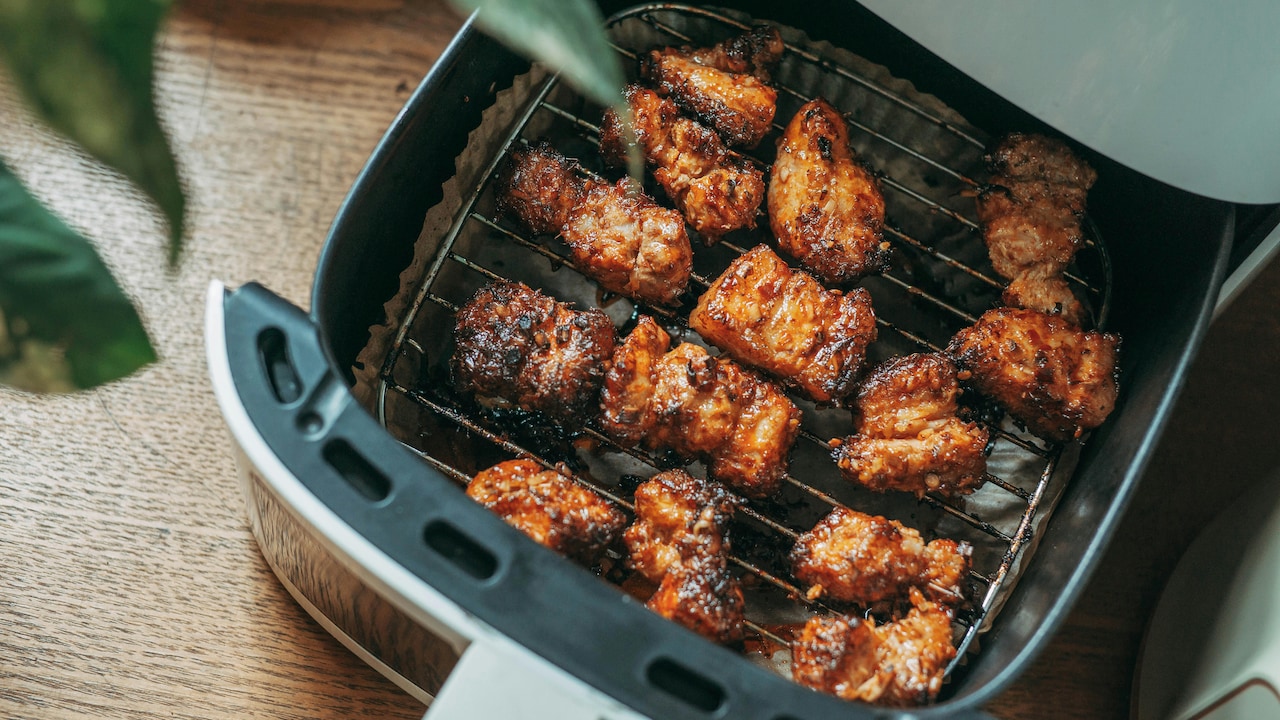
An air fryer often enters the kitchen with grand promises. Crisp snacks with less oil, quick weekday dinners and fewer greasy utensils sound almost too good to refuse. Then comes the first batch of paneer tikka. It looks beautifully browned from the outside, but one bite reveals something closer to a pencil eraser than soft, creamy paneer. The appliance usually receives the blame, but the real culprit often hides in the combination of high heat, long cooking time and insufficient moisture. An air fryer cooks by circulating intensely heated air around food. This process creates colour and crispness quickly, but it also draws moisture from ingredients faster than many people expect.
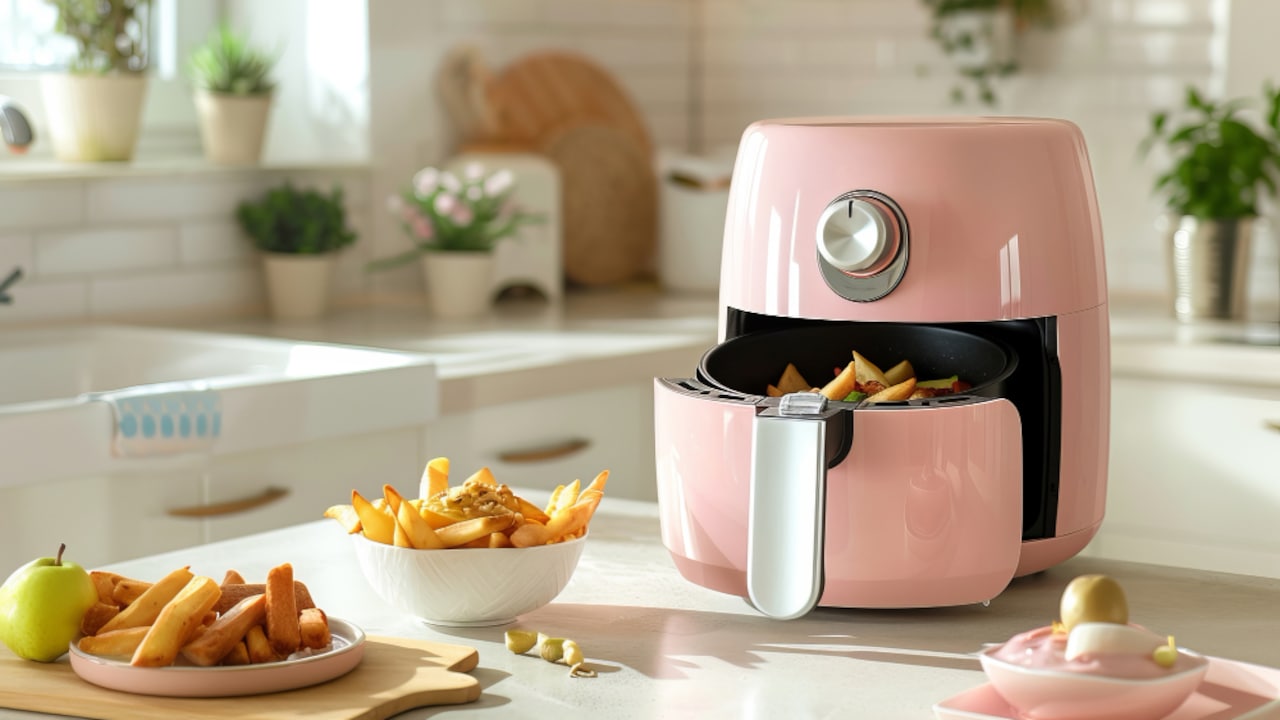
Easy ways to make your paneer turn out soft in an air fryer
Photo Credit: Freepik
Paneer presents a particular challenge because it contains milk proteins and moisture rather than the marbled fat found in many meats. Once overheated, those proteins tighten and push out water. The cubes become firm, squeaky and eventually rubbery.
Also Read: 5 Best Air Fryers Under ₹3,000 For Crispy Fries Without Oil: Healthy, Fast And Budget-Friendly
The same problem can affect vegetables, kebabs, cutlets, chicken and reheated leftovers. Fortunately, a few small adjustments can make a remarkable difference. Understanding how temperature changes texture helps turn the air fryer from an unpredictable gadget into a reliable everyday cooking partner.
How To Keep Air-Fried Paneer Tender And Prevent Food From Drying Out
1. Stop Treating Every Food As A 200°C Recipe
The highest temperature setting can feel tempting, especially when hunger has already reached dramatic levels. Yet 200°C does not suit every ingredient. Paneer, soft vegetables, breaded snacks and reheated food often need gentler heat.
At very high temperatures, the outside of paneer browns rapidly while its internal moisture evaporates. The proteins contract, and the soft texture disappears before the marinade has time to develop flavour. A moderate range of 170°C to 180°C usually works better for paneer tikka, depending on cube size and the air fryer model.
Higher heat can still help at the end. Cook the paneer gently first, then raise the temperature for one or two minutes if it needs extra colour. This method gives better control than blasting it at maximum heat from the beginning.
Think of temperature as more than a number on the display. It decides how quickly the surface cooks compared with the centre. Lower heat allows food to warm more evenly, while high heat creates fast browning. The right choice depends on whether the ingredient needs crispness, tenderness or both.
2. Keep Paneer Cubes Thick Enough To Hold Moisture
Small paneer cubes may look neat on skewers, but they dry out quickly. Their larger exposed surface allows hot air to pull moisture from every side. By the time the edges turn golden, the centres may already feel chewy.
Cut paneer into cubes measuring roughly 2.5 to 3 centimetres. This size gives the exterior enough time to brown without stripping all the moisture from the middle. Very thin slices work for certain recipes, but they need shorter cooking times and close attention.
Uniform size matters too. When one cube resembles a building block and another resembles a dice, they will not finish cooking together. The smaller pieces become rubbery while the larger ones remain pale. Consistent cutting prevents this awkward compromise.
Firm paneer generally holds its shape better, but extremely dense packaged paneer may already contain less moisture. Soaking it in warm water for around 10 minutes before marinating can soften the texture. Drain it gently and pat only the surface dry.
The goal is not to remove every trace of moisture. Paneer needs some internal softness to survive the air fryer's forceful heat.
3. Use A Marinade That Protects Instead Of Merely Flavours
A marinade does more than add masala. It can also form a protective layer that slows moisture loss. Thick curd, a little oil and finely ground spices create a coating around paneer, helping it stay tender while the outside cooks.
Use hung curd or thick yoghurt rather than watery curd. Excess water may drip into the basket and prevent proper browning. At the same time, a completely dry spice rub offers little protection against hot circulating air.
A spoonful of mustard oil, groundnut oil or any neutral cooking oil can improve both texture and colour. The oil reduces surface drying and helps the spices roast rather than turn dusty. Besan can thicken a loose marinade, but too much makes the coating heavy and chalky.
Acidic ingredients need restraint. Lemon juice and vinegar brighten flavour, but long exposure can affect the paneer's texture. Add a small amount, or squeeze fresh lemon over the cooked paneer instead.
Allow the marinated cubes to rest for 20 to 30 minutes. Several hours are rarely necessary. Paneer does not absorb marinade deeply like meat; the coating mostly seasons and shields the exterior.
4. Do Not Cook Paneer Until It Looks Deep Brown Everywhere
Paneer tikka served at restaurants often carries dark charred spots, which can create unrealistic expectations at home. Trying to brown every side evenly in an air fryer usually leads to overcooking.
Paneer does not need to develop a hard crust. A few golden edges and slightly roasted corners are enough. The cubes will continue to cook briefly after leaving the basket because they retain heat. Waiting until they look “fully done” inside the machine often pushes them too far.
Colour can also mislead. Marinades containing Kashmiri chilli powder, turmeric or oil may appear cooked before the paneer has warmed through. Pale marinades may take longer to show visible browning even when the paneer is ready.
Instead of judging only by appearance, check one cube early. Cut it open or press it gently with a spoon. It should feel hot and soft, not springy or hard. Paneer already arrives cooked, so the air fryer only needs to heat it, roast the marinade and create a light colour.
This mindset changes everything. The aim is not to cook paneer from raw. The aim is to warm it without driving away its moisture.
5. Reduce The Cooking Time Before Reducing The Temperature
When food dries out, many cooks lower the temperature but leave the timer unchanged. That can still lead to rubbery paneer. Even moderate heat removes moisture when the food remains inside for too long.
Start checking paneer after six or seven minutes at around 175°C. Depending on the model, cube size and basket load, it may need only eight to ten minutes in total. Turn the pieces once midway so the marinade cooks evenly.
Air fryers vary more than recipe instructions suggest. A compact 4-litre appliance may cook faster than a larger model with a wide basket. Some machines run hotter than the temperature shown on the panel. A recipe that works perfectly in one kitchen may overcook food in another.
Treat the first batch as a useful test rather than a final verdict. Note the time and temperature that suit the appliance. The next attempt will require far less guesswork.
For reheating cooked paneer, use an even shorter cycle. Three to four minutes at a lower temperature often works. Ten minutes can turn yesterday's soft paneer tikka into something sturdy enough to survive a cricket match.
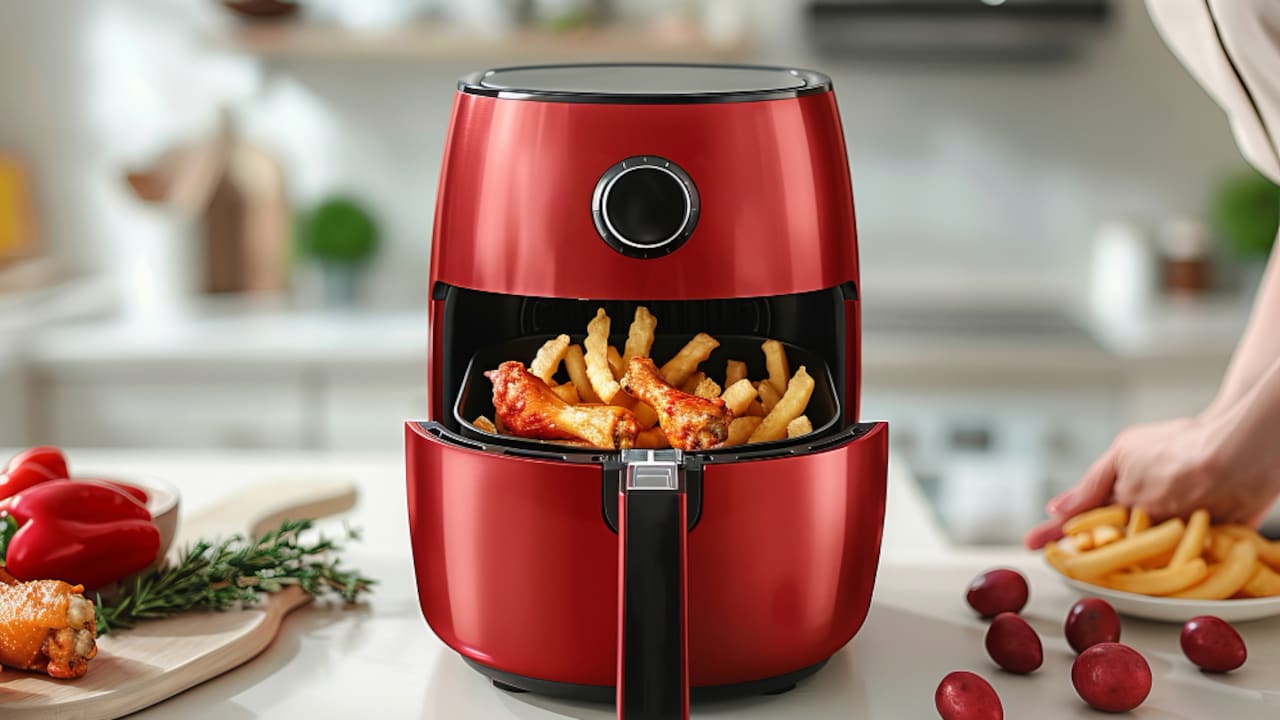
Cook the paneer only for a few minutes and keep checking in between to get the perfect texture; Photo Credit: Freepik
6. Avoid Overcrowding The Basket
Overcrowding may seem more likely to cause undercooking, but it can also contribute to uneven overcooking. When paneer cubes sit too close together, the marinade traps steam between them. The outer pieces receive stronger airflow and dry out, while the crowded centre remains pale.
Arrange the cubes in a single layer with small gaps between them. Air should circulate around most sides. The pieces do not need vast personal space, but they should not form a solid paneer colony.
Cooking in two batches may feel slower, yet each batch often finishes faster and more evenly. A crowded basket requires extra time because moisture cannot escape efficiently. That longer cooking period eventually dries the paneer.
Skewers can help create spacing, provided they fit comfortably inside the basket. Alternate paneer with capsicum and onion, but avoid packing the ingredients tightly. Vegetables release moisture as they cook, which can soften the marinade if everything sits pressed together.
A lightly filled basket creates better browning with less time. That combination protects texture. It also prevents the familiar situation where half the cubes look restaurant-ready while the rest resemble steamed leftovers.
7. Preheat Briefly, But Do Not Leave Food Waiting Inside
Preheating helps the marinade start roasting as soon as the paneer enters the basket. Without it, food may spend several minutes warming gradually, which can extend the overall cooking time and dry the surface.
A short preheat of two to three minutes usually works. There is little need to run an empty air fryer for ten minutes. That wastes electricity and can make the basket excessively hot, especially in smaller models.
Once preheated, add the paneer and begin cooking promptly. Do not place food inside and then spend several minutes searching for tongs, plates or the elusive packet of chaat masala. The residual heat already starts acting on the food.
Preheating matters less for delicate reheating tasks. Leftover paneer, rotis and soft snacks can sometimes benefit from a cold start because the gradual warming reduces sudden moisture loss. Fresh paneer tikka, cutlets and breaded snacks generally respond better to a warm basket.
The important lesson is consistency. Use the same preheating routine each time so the results become predictable. Randomly preheating one day and skipping it the next makes it difficult to understand why cooking times keep changing.
8. Brush Or Spray Oil Instead Of Pouring It
Air fryers need less oil, but “less” does not always mean “none”. A thin film of oil protects the surface of paneer and helps the marinade brown. Without it, spice coatings may dry into a powdery layer before the paneer develops colour.
Brush the marinated cubes lightly or use an oil sprayer. Focus on exposed areas rather than soaking the food. Too much oil can drip into the basket, create smoke and make the coating greasy.
Oil also helps vegetables such as cauliflower, mushrooms and potatoes cook more evenly. Dry surfaces lose moisture quickly under circulating heat. A light coating slows this process while encouraging crisp edges.
For paneer tikka, brushing oil midway can work better than adding a large quantity at the beginning. Turn the cubes gently, apply a thin layer and return them for the final few minutes. This refreshes the surface without overwhelming the marinade.
Butter or ghee can add flavour, but they brown quickly. Use them towards the end or brush them on after cooking. A finishing touch of melted butter, chaat masala and lemon can restore richness even if the paneer feels slightly drier than planned.
9. Match The Cooking Method To The Moisture Level
Not all paneer behaves the same way. Fresh paneer from a dairy counter may contain more moisture than a tightly packed supermarket block. Homemade paneer can range from soft and crumbly to firm and dense, depending on pressing time.
Soft paneer needs careful handling and shorter cooking. Firm paneer can tolerate slightly more time but may dry out faster if it starts with low moisture. Frozen paneer should thaw fully before air frying. Cooking it from frozen creates an uneven result, with a dry exterior and a cold or watery centre.
The same principle applies to other foods. Mushrooms release plenty of water. Breaded cutlets may contain moist potato fillings. Marinated chicken needs enough time to cook safely, while pre-cooked kebabs only need reheating and browning.
Check the food's starting condition before selecting a programme. Air fryer presets cannot assess whether the paneer came straight from the fridge, sat in marinade for an hour or spent a week in the freezer.
Cold paneer can cook unevenly, so let it sit outside the refrigerator for around 10 to 15 minutes. Avoid leaving dairy products out for extended periods, especially during hot weather.
10. Serve Paneer Quickly And Reheat It Gently
Perfectly cooked paneer can still turn firm if it sits uncovered for too long. As the cubes cool, their fats solidify and the proteins feel tighter. The surface also loses moisture when exposed to air.
Serve air-fried paneer soon after cooking. Keep the plate ready, slice the onions beforehand and prepare the chutney while the appliance runs. This small bit of planning preserves the best texture.
When cooking for guests, avoid making paneer tikka an hour in advance and leaving it on the dining table. Keep it loosely covered in a warm container. Do not seal it immediately while piping hot, as trapped steam can make the coating soggy.
For reheating, use 150°C to 160°C for a few minutes. Add a very light brush of oil or butter before warming. High heat will not restore crispness faster; it will mostly remove more moisture.
A microwave can soften paneer, but it may make the marinade damp. The air fryer offers better surface texture when used briefly. Once paneer has become severely rubbery, no reheating trick can completely reverse it, so prevention remains the smarter approach.
Products Related To This Article
1. Ninja Air Fryer MAX PRO 6.2L (AF180IN) 2000W Max Crisp Technology Variable Airflow
2. PHILIPS Air Fryer NA120/00 uses up to 90% less fat
3. Cookwell Air Fryer - 5L With See-Through Window - 1400W
4. Nutricook 4.5L Air Fryer Essential, 2026 New Launch
5. SOLARA Air Fryer For Home 4.5L with See-Through Window
6. KENT Digi Plus Air Fryer | 4L Capacity & 1300W | Fry, Grill
7. Milton Rapid Digital Air Fryer 4.2L
8. PHILIPS Air Fryer NA231/00 with touch panel
Rubbery paneer usually comes from a simple mismatch between heat, time and moisture. High temperatures tighten milk proteins, while long cooking strips away the softness that makes paneer enjoyable. Moderate heat, larger cubes, a protective marinade and early checking can transform the result.
The air fryer works best when treated as a powerful miniature oven rather than a magic crisping box. Give food enough oil to protect its surface, enough space for air to circulate and only as much time as it genuinely needs. Those small choices can keep paneer tender, vegetables juicy and everyday snacks crisp without turning dinner into a chewing exercise.
(Disclaimer: This article may include references to or features of products and services made available through affiliate marketing campaigns. NDTV Convergence Limited (“NDTV”) strives to maintain editorial independence while participating in such campaigns. NDTV does not assume responsibility for the performance or claims of any featured products or services.)