10 Reasons Back Massagers Feel Relaxing At First But Uncomfortable After Longer Use
A back massager can feel wonderfully soothing for the first few minutes, then suddenly become uncomfortable. Pressure, heat, positioning and session length can all change how your body responds.
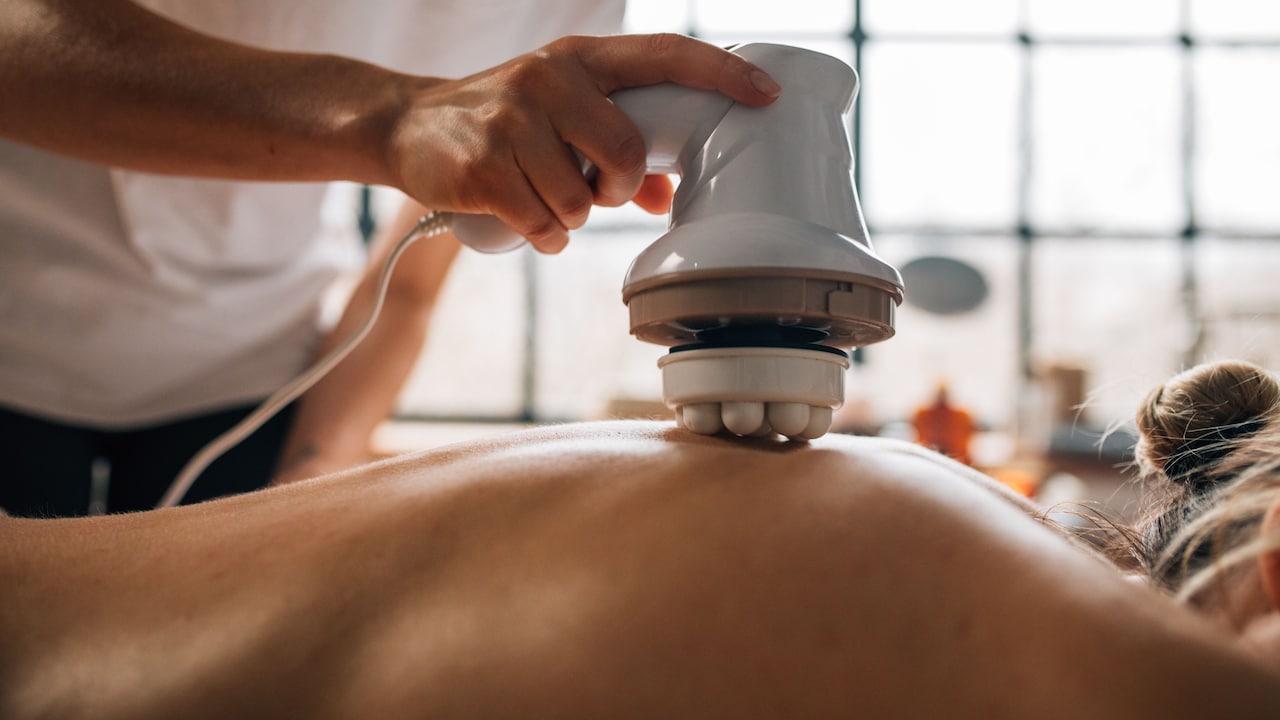
10 Reasons Back Massagers Feel Good At First But Cause Discomfort Later
There's something deeply satisfying about switching on a back massager after a long day. Perhaps you've spent hours hunched over an office laptop, travelled through rush-hour traffic or simply carried the day's tension between your shoulders. The first few minutes can feel like exactly what your body needed. Knots seem to loosen, stiff muscles begin to relax and that repetitive kneading motion feels almost hypnotic. Then, somewhere around the ten or fifteen-minute mark, things change. What initially felt soothing may start feeling too intense. One massage node suddenly seems determined to drill into the same spot. Heat that felt comforting becomes excessive. Your shoulders tense instead of relaxing, and you find yourself shifting around trying to escape the pressure. That doesn't automatically mean the massager is poorly designed. Comfort depends on pressure, body position, muscle sensitivity, device shape and how long you use it. Even a setting that feels pleasant initially can become irritating when it repeatedly works the same tissues. Understanding why this happens can help you use a back massager more comfortably rather than simply increasing the intensity and hoping for better results.
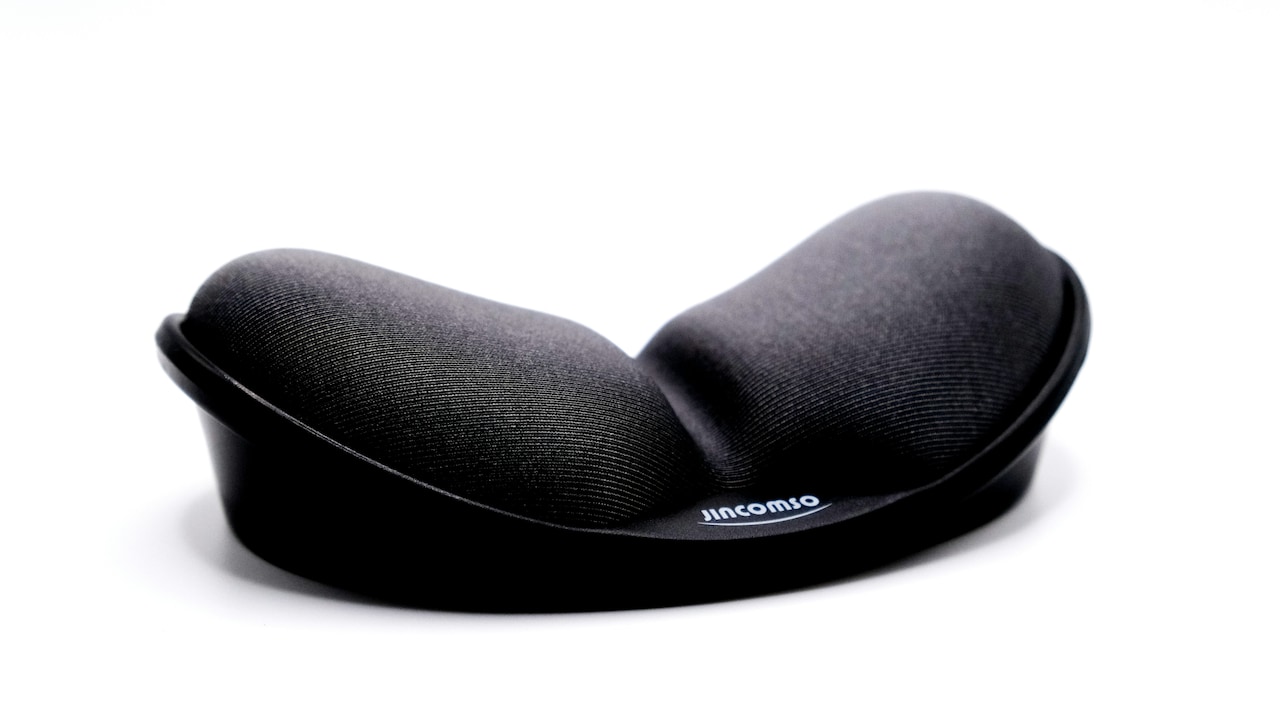
10 Reasons Back Massagers Feel Good At First But Cause Discomfort Later; Photo Credit: Amazon
Why A Comfortable Massage Can Start Feeling Like Too Much
1. The Same Spot Keeps Receiving Pressure
At first, repeated pressure can feel satisfying because it gives tight muscles a strong sensory stimulus. The trouble begins when the massage nodes keep returning to exactly the same area for several minutes.
Unlike a person giving a massage, many devices follow fixed paths. They don't notice that one spot has already received enough attention. A rotating node may continue pressing near your shoulder blade or lower back even after the area starts feeling tender.
Think of it like repeatedly pressing your thumb into the same point. The first few presses might feel relieving. Do it continuously, though, and the sensation quickly changes.
This becomes especially noticeable with massage cushions and chair attachments because your body weight pushes you towards the moving mechanism. Leaning back harder doesn't necessarily create a better massage. It simply increases pressure.
Try adjusting your position occasionally rather than staying perfectly still throughout the session. If a particular area starts feeling tender rather than pleasantly worked, moving away from the pressure usually makes more sense than trying to tolerate it.
Also Read: Top 5 Neck And Shoulder Massagers For WFH Stress Relief Under ₹2500
2. Higher Intensity Doesn't Always Mean Better Relief
It's tempting to assume that a stronger massage must be doing more. Many people start on a moderate setting, enjoy the feeling and then increase the intensity in search of even deeper relief.
The muscles may disagree.
Strong pressure can feel satisfying briefly because it creates an obvious sensation, particularly across tight shoulders and the upper back. But when powerful massage nodes repeatedly push into sensitive tissue, comfort can disappear surprisingly quickly.
There's also a psychological trap here. If level two feels good, level four seems as though it should feel twice as effective. Massage doesn't work quite like a volume knob. More pressure simply means more pressure.
A useful setting should allow your body to relax rather than make you brace yourself. If your shoulders creep towards your ears, your jaw tightens or you keep moving away from the device, the intensity may already be too high.
Starting gently gives your body time to respond. You can always increase pressure later. Beginning at maximum power leaves far less room for adjustment.
3. Your Body Position Changes The Amount Of Pressure
The setting displayed on the device isn't the only thing controlling intensity. Your position plays a surprisingly big role too.
Consider a massage cushion placed against a sofa. Sitting slightly forward creates relatively gentle contact. Leaning your full body weight backwards can transform exactly the same setting into something far more aggressive.
That explains why a massager may feel comfortable when you first sit down but become uncomfortable later. As you relax, you may gradually sink further into the chair. Without noticing it, you place more weight against the massage nodes.
Posture also affects where the device makes contact. Slouching can move a rotating node away from thick muscle and towards a more sensitive area around the spine, ribs or shoulder blades.
Small adjustments can make a dramatic difference. Sit upright, reposition the cushion or place a thin layer of clothing between your body and the device if the pressure feels excessive.
Comfort should come from sensible positioning, not from enduring whatever angle the massager happens to find.
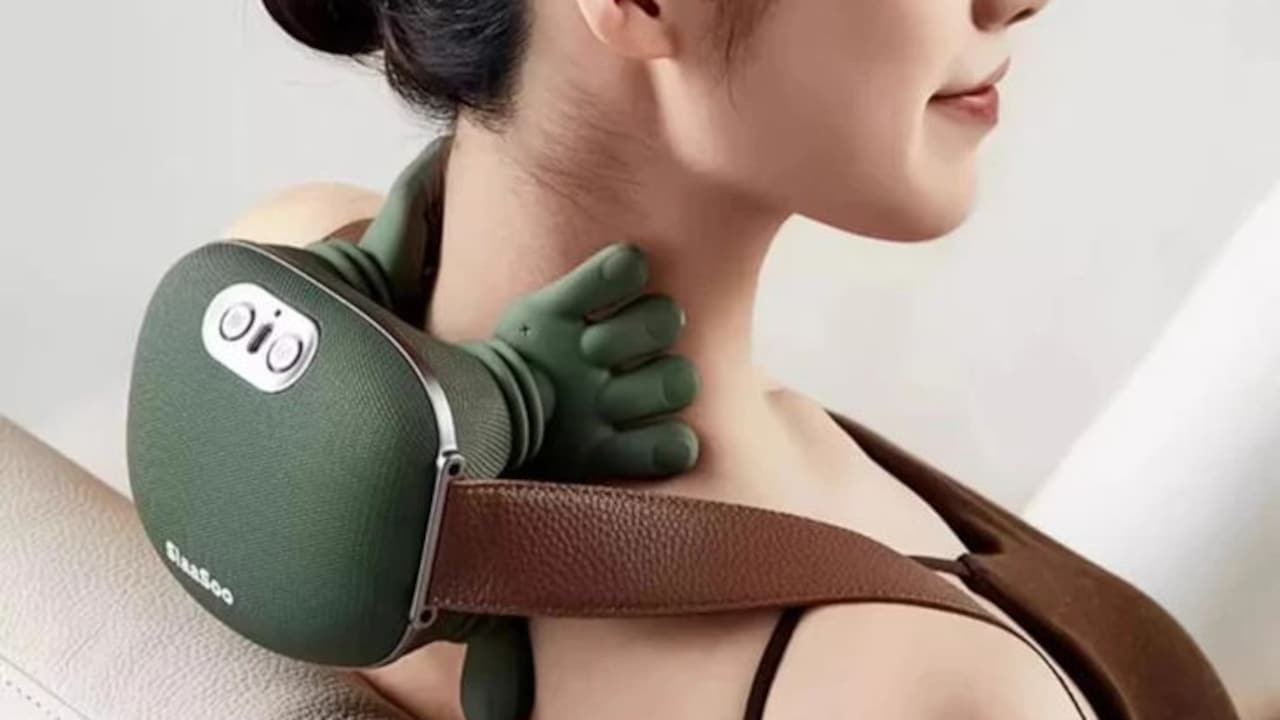
10 Reasons Back Massagers Feel Good At First But Cause Discomfort Later; Photo Credit: Amazon
4. Heat Can Become Uncomfortable Over Time
Heat is one of the features that makes back massagers particularly appealing. Warmth can feel wonderfully cosy after hours in an air-conditioned office or during cooler evenings.
However, comfortable warmth and uncomfortable heat aren't always far apart.
When you first activate the heating function, the temperature builds gradually. Because the change happens slowly, you might not realise how warm the contact area has become until several minutes later.
Heat can also feel stronger when the device stays pressed against the same part of your back. Thick clothing may soften the sensation, while thin fabric can make it much more noticeable.
There's no reason to keep the heat switched on simply because the device offers it. Try using massage without heat for part of the session, particularly if your skin feels unusually warm.
And don't fall into the “more heat equals more relaxation” mindset. A comfortable temperature should remain comfortable throughout use. If you're itching to move away from the warmth, your body has already delivered a fairly clear review.
5. Longer Sessions Can Make Muscles Feel Tender
A twenty-minute massage sounds better than a ten-minute massage when your back feels stiff. Forty minutes therefore sounds even more appealing.
Unfortunately, comfort doesn't increase in a straight line with time.
Massage creates repeated mechanical pressure. Even when that pressure feels good initially, muscles can become sensitive after prolonged exposure. The sensation may shift gradually from relaxing to tender, sore or simply irritating.
This often catches people out because the discomfort doesn't appear immediately. Someone watching an episode on their phone while using a massage cushion might barely notice how long the machine has been running.
Built-in timers can be helpful for exactly this reason. When the device stops automatically, treating that as a natural break may be wiser than immediately restarting another cycle.
Allowing the area to rest lets you judge how your body actually feels afterwards.
Massage should leave you feeling more comfortable, not as though your back has completed an unexpected gym session while the rest of you sat on the sofa.
6. Massage Nodes May Not Match Your Body Shape
Back massagers have fixed dimensions. Human backs certainly do not.
A device designed around an average body shape may line up beautifully with one person and awkwardly with another. Height, torso length, shoulder width and natural spinal curves can all influence where the massage nodes land.
This explains an oddly common experience: one side feels fantastic while another rotating node seems to be attacking a rib.
The problem becomes more obvious during longer sessions. A slightly awkward contact point might not bother you during the first two minutes. After repeated pressure, that small mismatch becomes difficult to ignore.
Adjusting the device vertically can help. With massage cushions, moving the unit just a few centimetres higher or lower can shift the nodes onto a more comfortable muscular area.
Some people also benefit from changing their sitting height with a cushion.
The key is recognising that your body doesn't need to adapt itself to the machine. If the device consistently hits uncomfortable spots regardless of positioning, its design may simply not suit your proportions particularly well.
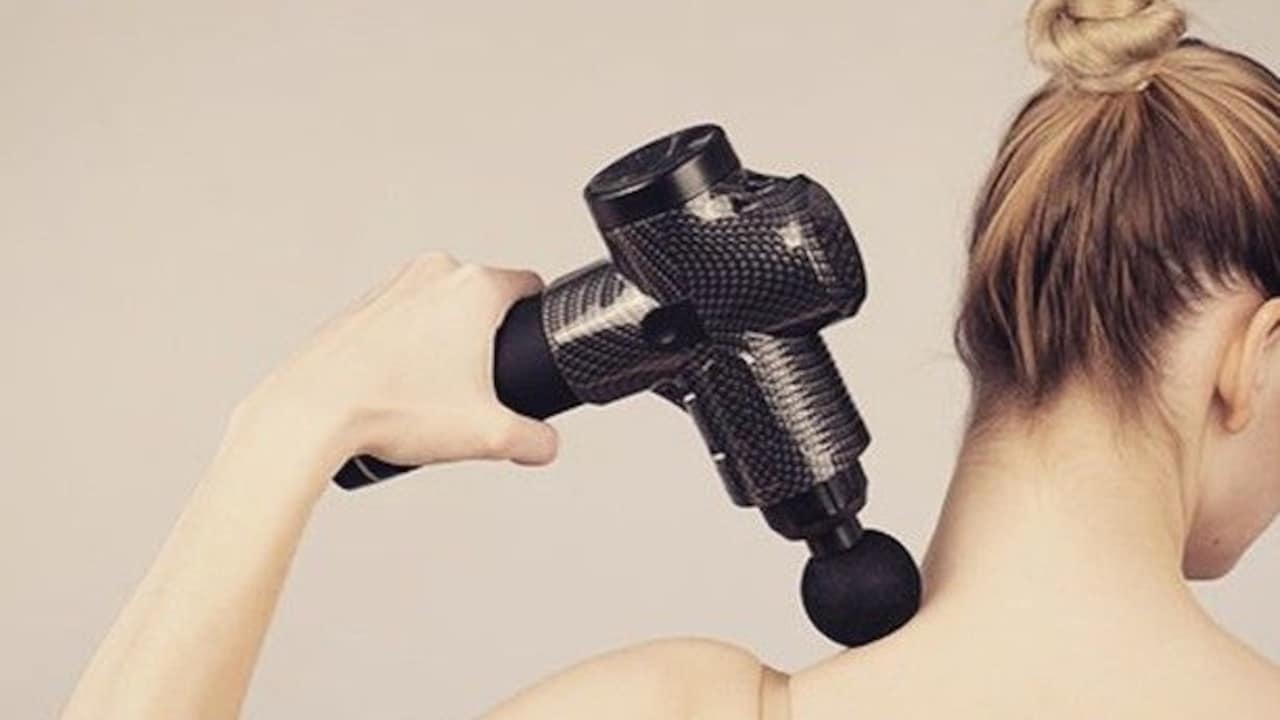
10 Reasons Back Massagers Feel Good At First But Cause Discomfort Later; Photo Credit: Amazon
7. Tight Muscles Can Be More Sensitive Than Expected
A sore back often creates a strange contradiction. The muscles feel as though they desperately need massage, yet they may also feel unusually sensitive when pressure arrives.
That sensitivity can make the first few minutes deceptive.
Gentle movement may initially feel soothing because it gives the stiff area a new sensation. Once stronger or repeated pressure continues, however, already-irritable muscles can become increasingly uncomfortable.
This is particularly easy to notice after an unusually long workday, strenuous exercise or several hours spent travelling.
It's worth distinguishing between a firm but comfortable sensation and genuine pain. Massage doesn't need to hurt to be useful. There's no medal waiting for anyone who survives the strongest kneading setting.
If an area feels unusually tender, use lighter pressure and shorter sessions rather than aggressively working it.
Persistent, severe or unexplained back pain deserves proper medical assessment rather than repeated attempts to massage it away. A household device can provide comfort, but it cannot determine why pain exists in the first place.
8. Bony Areas Don't Enjoy Deep Pressure As Much As Muscles Do
Massage devices generally feel best when their moving nodes press into thicker muscular areas. Problems can arise when the device shifts towards bones.
Shoulder blades, the spine and the edges of the rib cage have less soft tissue protecting them than fleshy parts of the back. Repeated hard pressure against these areas can quickly become uncomfortable.
You might notice this after changing position midway through a session. The massager that felt perfectly placed suddenly seems much sharper, even though you haven't touched the controls.
That's usually a positioning issue rather than a mysterious change in the machine.
Move the device until the nodes sit against the muscles alongside the spine rather than directly over prominent bones. A folded towel or thin cushion can also soften an overly aggressive device, provided the manufacturer allows it and ventilation isn't blocked.
If you feel sharp, pinpoint discomfort rather than broad muscular pressure, reposition immediately.
A massager doesn't know whether it has found a tight muscle or your shoulder blade. Unfortunately, its enthusiasm remains exactly the same either way.
9. Staying Completely Still Can Create Its Own Discomfort
Once a comfortable massage begins, staying frozen in position seems logical. Why disturb something that feels good?
Because your body may eventually want to move.
Sitting or lying in one position for an extended period can create stiffness of its own. Your hips may tighten, your neck may start complaining or one side of your back may take more body weight than the other.
You may then blame the massager for discomfort that partly comes from remaining stationary.
Movement also changes how the massage nodes interact with your muscles. A slight shift can move pressure away from a sensitive point and towards a larger muscle group.
So, don't treat a massage session like passport-photo day. Small adjustments are perfectly reasonable.
Roll your shoulders gently. Change your sitting angle. Stand up between sessions. If you've been at a desk for hours, combining short massage sessions with ordinary movement may feel considerably better than sitting for another long stretch while a machine does all the work.
Relaxation doesn't have to mean complete immobility.
10. Your Body May Simply Be Telling You It Has Had Enough
Perhaps the simplest explanation gets overlooked most often: the massage felt good initially because your body enjoyed it, and it became uncomfortable because your body had received enough.
People sometimes view discomfort as a challenge to overcome. They restart the timer, increase the pressure or tell themselves that soreness means the device must be “working”.
That logic isn't particularly useful.
Comfort can change throughout a session. What felt soothing ten minutes ago doesn't have to remain soothing indefinitely. Your nervous system continuously responds to pressure, temperature and movement, so the same stimulus can start feeling less pleasant over time.
Pay attention to those changes. Mild warmth and comfortable kneading are very different from numbness, burning, sharp pain or increasing soreness. Stop using the device if concerning symptoms appear.
People with existing health conditions, injuries or persistent back problems should also check whether massage devices are appropriate for them rather than assuming every type of back discomfort needs mechanical pressure.
Sometimes the smartest setting on a massager isn't low, medium or high. It's off.
Products Related To This Article
1. HealthSense Percussion Gun Massager machine for Full Body Pain Relief
2. Bionic Heated Massager, Wireless Portable Shiatsu Neck and Back Massager
3. Caresmith Revive Back Massager for Pain Relief
4. HealthSense Percussion Gun Massager Machine for Full Body Pain Relief
5. GHK Multifunction Massage Cushion 12 Ball Machine H90 Shiatsu Back Massager
6. COMFIER Heating Pad for Back Pain, Vibration Lower Back Massager
7. Enem Back Massager for Pain Relief, Back Massager with Compression
Back massagers can turn an ordinary evening on the sofa into a welcome moment of relief, particularly after hours of sitting, commuting or tackling household chores. But longer doesn't necessarily mean better. Pressure, positioning, heat, body shape and session length all affect how comfortable a massage feels. Use the device as a comfort tool rather than a test of endurance. Start gently, reposition when necessary and stop when pleasant pressure becomes genuine discomfort. Your back rarely benefits from winning an argument against a rotating plastic massage node.
(Disclaimer: This article may include references to or features of products and services made available through affiliate marketing campaigns. NDTV Convergence Limited (“NDTV”) strives to maintain editorial independence while participating in such campaigns. NDTV does not assume responsibility for the performance or claims of any featured products or services.)