Why Straightened Ends Look Dry Even When The Roots Look Smooth
Straightening can leave the roots sleek while the ends look dry, rough or oddly fluffy. From accumulated heat damage to worn cuticles and product build-up, several factors explain why the last few inches refuse to cooperate.

Top reasons behind straightened hair looking dry
There's a particularly annoying hair moment that happens after straightening. The roots look glossy. The middle lengths sit neatly. Then the eyes reach the ends and the illusion falls apart. Instead of looking smooth and polished, those last few centimetres appear dry, feathery or stiff. It can feel confusing because the same straightener touched every section. Surely, if the roots can look sleek, the ends should follow? Hair doesn't quite work that way. Your ends are the oldest part of each strand, which means they've experienced far more brushing, washing, sunlight, friction and heat than the hair growing near your scalp. Add colouring, hard water, repeated straightening or a slightly overdue trim and the difference becomes even clearer. Sometimes, the straightener isn't creating the problem. It's simply making existing damage more visible. Understanding why the roots and ends behave differently can make styling far less frustrating. More importantly, it can help you stop repeatedly ironing over dry ends in an attempt to make them behave, a habit that often makes matters worse.
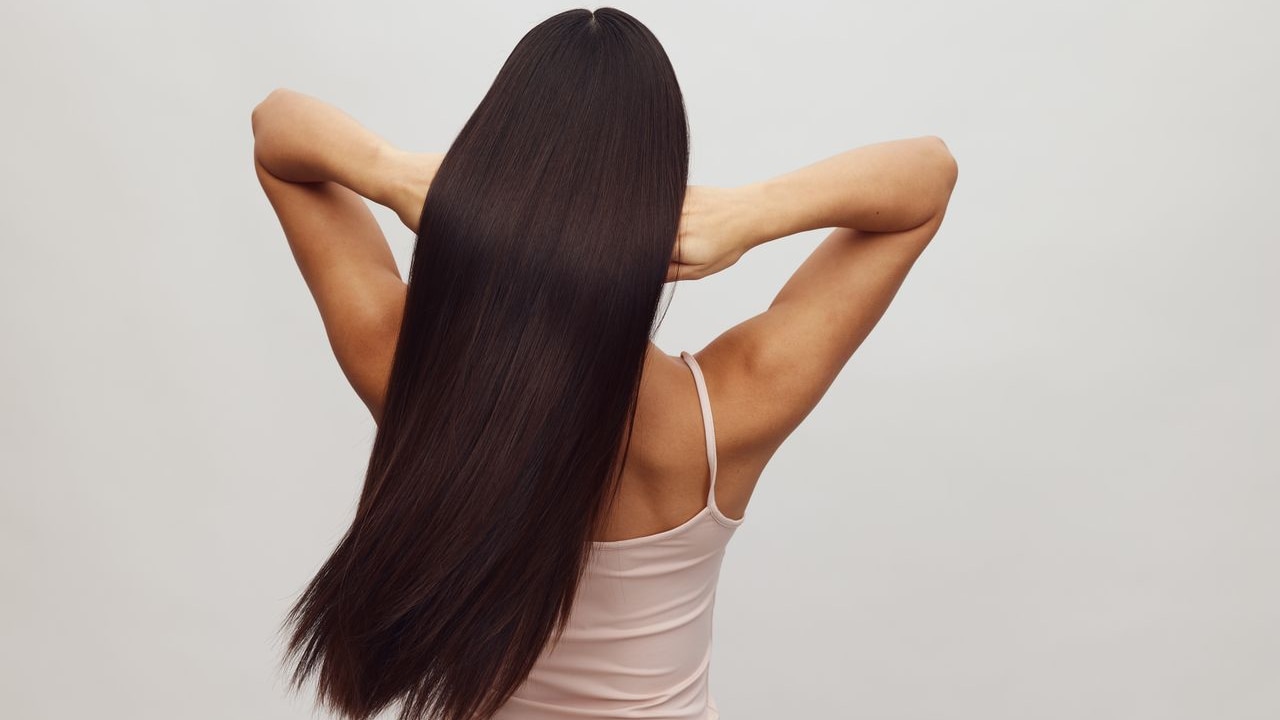
Why do straightened ends look dry; Photo Credit: Pexels
Why The Last Few Inches Of Hair Need Different Treatment
1. Your Ends Are The Oldest Part Of Your Hair
The biggest difference between your roots and ends comes down to age. Hair near the scalp has only recently emerged, while longer ends may have been around for several years. During that time, they've survived hundreds of washes, towel dries, hairstyles, commutes, pillowcases and hurried morning brushing sessions.
That accumulated wear gradually changes the hair's outer cuticle. Healthy cuticles lie relatively flat, which helps strands reflect light and appear shiny. Older sections often have more lifted, chipped or uneven cuticle scales. When you straighten them, they may become technically straighter without gaining the glossy finish seen at the roots.
Think of it like ironing two shirts: one new and one that has survived three years of washing. The iron can flatten both, but the older fabric may still look more worn.
This doesn't automatically mean your ends are ruined. It simply means they usually need gentler handling, more conditioning and less repeated heat than newer growth.
2. Natural Scalp Oils Rarely Reach The Ends Properly
Your scalp produces sebum, a natural oil that coats newly grown hair and gives the roots some lubrication. That partly explains why freshly straightened roots can look remarkably shiny even when no shine serum has touched them.
The problem? Sebum doesn't travel down long hair very efficiently.
Curly, wavy or textured hair makes the journey even harder because the oil must move around bends rather than straight down the shaft. Shampooing frequently can remove much of it before it ever reaches the ends.
This leaves the oldest sections with less natural protection. Once heat enters the picture, those areas may lose moisture quickly and appear rougher.
Applying more oil immediately before straightening isn't necessarily the solution either. Some heavy oils can make hair look greasy without correcting damaged cuticles. A lightweight leave-in conditioner or appropriate heat protectant often works better before styling.
After straightening, a tiny amount of serum through the ends can help improve shine without turning the roots into something resembling day-three hair by lunchtime.
Also Read: Top 5 Compact Hair Straighteners For Festive Travel Under ₹7,000
3. Repeated Heat Has Probably Hit The Ends More Often
Most people don't straighten every centimetre of hair equally, even if they think they do.
Consider what happens during a typical styling session. A straightener starts somewhere near the roots, travels through the lengths and reaches the ends. If one section doesn't look smooth enough, another pass follows. Then perhaps the ends get an extra flick inward or outward to create shape.
Over months, those final centimetres may receive substantially more cumulative heat.
The situation becomes worse when people repeatedly straighten already-straight ends between wash days. The roots may need a small touch-up because of humidity or new growth, but the plates often travel through the entire strand anyway.
Heat can weaken the cuticle and affect the proteins that give hair structure. Eventually, the ends may become porous and rough.
Turning the temperature higher rarely fixes this. It can temporarily flatten damaged hair while accelerating the very dryness you're trying to hide. Fewer passes at an appropriate temperature usually make much more sense.
4. Split Ends Can Never Look Completely Sleek
Split ends are tiny, but they can sabotage an otherwise polished hairstyle.
When a strand splits into two or more branches, the damaged fibres no longer sit together neatly. Straightening may temporarily press them flat, but they're still structurally separated. As soon as the hair moves, encounters humidity or rubs against clothing, those frayed ends become visible again.
This creates the familiar wispy look where the top half of the hairstyle appears smooth while the bottom looks thin and fuzzy.
Serums, conditioners and masks can make split ends look better temporarily. They coat the fibres, reduce friction and improve softness. However, they cannot permanently fuse a split strand back together.
That's where regular trims matter. You don't necessarily need a dramatic haircut. Removing the most damaged portion can instantly make straightened hair look denser and more polished.
If the ends seem almost transparent compared with the rest of the hair, or tiny white dots and forks keep appearing, extra straightener passes won't solve the problem. The scissors probably will.
5. Straightening Can Expose Uneven Porosity
Hair porosity describes how readily hair absorbs and releases moisture. While people often discuss having “high-porosity” or “low-porosity” hair overall, different sections of the same head can behave differently.
Your roots may have relatively intact cuticles, while repeated colouring, heat or environmental exposure has made the ends much more porous.
High-porosity sections can absorb water quickly but lose it just as fast. After washing, they may feel soft while damp yet become dry and coarse once completely dried and straightened.
This uneven porosity explains why one product can make the roots beautifully smooth while barely affecting the ends.
The temptation is to keep applying more serum, but heavily layering products can create another problem: build-up.
Instead, focus richer conditioning products mainly on the mid-lengths and ends. Protein-containing treatments may also help some damaged hair feel stronger, though excessive protein can make certain hair types feel stiff.
The goal isn't to make every centimetre identical. It's to treat different areas according to what they actually need.
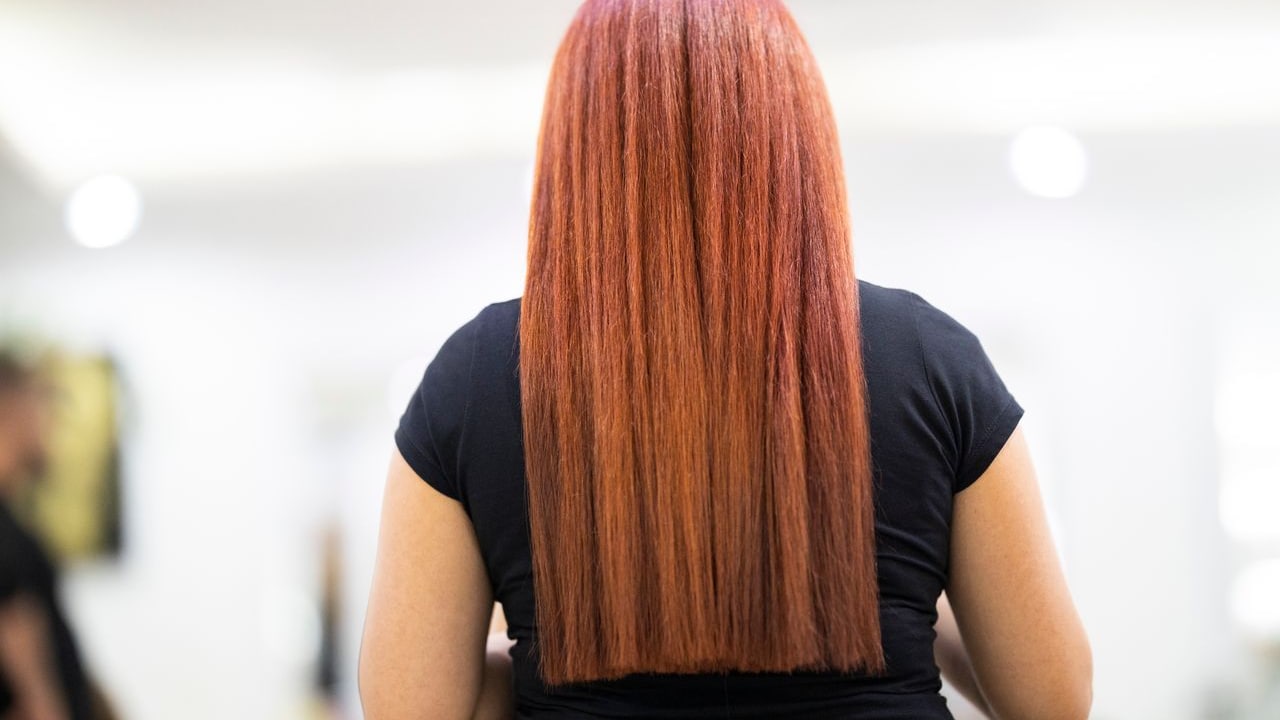
Straightening can expose uneven porosity; Photo Credit: Pexels
6. Straightening Hair That Is Not Fully Dry Can Damage The Ends
That faint sizzling sound from a straightener isn't a satisfying sign that styling products are “activating”. It usually means moisture is encountering very hot plates.
Hair should be completely dry before conventional flat-ironing unless the tool has specifically been designed for wet-to-dry styling.
Water trapped within damp hair heats rapidly. Repeated exposure can damage the fibre and contribute to roughness, bubbling within the hair shaft and eventual breakage.
The ends face particular risk because they often retain small patches of moisture after the roots seem dry. Thick hair can feel dry from the outside while sections underneath remain slightly damp.
Rushing through blow-drying before an early office commute can therefore become surprisingly expensive for your hair health, even if it saves ten minutes in the morning.
Allow the hair to dry properly, especially through the ends. If using a hairdryer first, keep some distance between the nozzle and hair and avoid roasting the same section repeatedly. Flat irons work best as finishing tools, not emergency hair dryers.
7. Too Much Product Can Make Dry Ends Look Even Drier
It sounds contradictory, but piling smoothing products onto dry ends can sometimes make them look worse.
Silicones, oils, creams, leave-in conditioners and heat protectants can all play useful roles. Problems start when several layers build up without being cleansed properly.
The ends may begin looking stiff, separated or strangely matte. They can feel coated rather than moisturised. When heat passes over that build-up, the finished result may lack movement.
Heavy application also encourages another common mistake: raising the straightener temperature because the hair no longer responds easily.
Product quantity matters. Hair that sits below the shoulders rarely needs half a palmful of serum after straightening. Start with a tiny amount, rub it thoroughly between the palms and lightly skim it through the final few inches.
Occasional clarifying can also help if styling products feature heavily in your routine. Just don't overdo it, especially on already-dry hair. The objective is to remove excess residue without stripping the ends until they feel like straw.
8. Hard Water Can Leave The Lengths Feeling Rough
Anyone who has moved homes and suddenly wondered why their shampoo “stopped working” may have encountered hard water.
Water containing higher levels of dissolved minerals can leave deposits on hair over time. Calcium and magnesium residues may contribute to a coated, dull or rough feeling, particularly when combined with styling products.
The effects often become more noticeable on the ends because older, more porous hair can respond differently to mineral accumulation than healthier roots.
Straightening doesn't remove those deposits. Instead, the sleekness of the roots can make rough lengths stand out even more.
A clarifying or chelating shampoo used occasionally may help remove certain types of build-up. Frequency matters, though. Using strong cleansing shampoos every wash can create its own dryness problems.
If hard water seems to be affecting your routine, observe whether your hair feels different after washing elsewhere. Sometimes the mystery isn't a new shampoo, weather change or rebellious straightener. It's simply the water coming from the tap.
9. Brushing And Friction Wear Down The Ends
Heat gets blamed for almost everything that happens to straightened hair, but mechanical damage deserves attention too.
Think about where your ends spend the day. They brush against cotton kurtas, shirt collars, backpack straps, car seats and office chairs. At night, they rub against pillowcases. During detangling, knots often collect at the bottom, where people instinctively tug hardest.
Over time, this friction can wear away the protective cuticle.
Then straightening day arrives. The roots, which haven't experienced years of friction, reflect light beautifully. The ends look slightly fuzzy despite being completely straight.
Gentler detangling can make a real difference. Start near the ends rather than dragging a brush from the scalp straight through every knot. Holding the section above a tangle also reduces tension on the hair.
Loose protective hairstyles can help when sleeping, provided they don't create tight pulling. Small everyday changes may seem insignificant, but hair damage often develops through hundreds of minor habits rather than one disastrous styling session.
10. Your Hair May Need A Trim More Than Another Treatment
Haircare marketing can make every problem feel fixable with another bottle.
Sometimes the simplest answer is less glamorous: the ends have reached the point where cutting them will create a better result than conditioning them endlessly.
Damaged ends can become thin, brittle and irregular. They may tangle quickly after brushing, feel rough even after deep conditioning and refuse to look polished once straightened. If breakage has created different strand lengths, the bottom of the hairstyle can also develop a feathery appearance.
At this stage, continuing to straighten the ends aggressively only removes more moisture and creates additional breakage.
A modest trim can make the hair look fuller almost immediately because the perimeter becomes cleaner. How often someone needs one depends on hair length, styling habits and chemical treatments rather than a rigid calendar.
Pay attention to the hair itself. If the ends constantly knot, split and feel rough despite sensible care, they're communicating something. Sometimes preserving every last centimetre actually makes the overall hairstyle look shorter and thinner.
Products Related To This Article
1. Philips BHS397/40 Hair Straightener SilkProtect Keratin Titanium Infused Plate
2. VEGA VHSH-44 SleekOn Hair Straightener with Quick Heatup & Travel Friendly
3. Dyson Airstrait Hair Straightener To Retain Natural Volume - Bright Nickle
4. Philips BHS530/00 One Stroke Hair Straightener 5000 with ThermoShield Technology
5. Ikonic Professional Finishing Line Hair Straightener with Japanese & Ionic Technology
6. Havells HS4404 Argan Revitalizer Hair Straightener
7. Philips BHH885/10 Hair Straightener Brush ThermoProtect Technology Ionic Care
Smooth roots and dry-looking ends aren't as mysterious as they first appear. The two sections have lived very different lives. Your roots are younger, better lubricated and usually less damaged, while the ends have spent months or years facing heat, friction, washing, weather and styling. The answer isn't necessarily more straightening. In many cases, it's the opposite.
Lower heat, fewer passes, proper conditioning, careful detangling and timely trims can help the ends look far healthier. Just as importantly, learning when to stop chasing perfect glass-like smoothness can save already-fragile hair from unnecessary damage. Straight hair should still look like hair, soft, flexible and alive. A little texture at the ends is far better than forcing them into temporary smoothness at the cost of their long-term condition.
(Disclaimer: This article may include references to or features of products and services made available through affiliate marketing campaigns. NDTV Convergence Limited (“NDTV”) strives to maintain editorial independence while participating in such campaigns. NDTV does not assume responsibility for the performance or claims of any featured products or services.)