Pressure Cooker Buying Guide: Capacity, Lid Type And Induction Compatibility Explained
Choosing the right pressure cooker comes down to capacity, lid type, material and induction compatibility. This guide helps you compare the essentials and pick a safe, practical cooker for everyday meals.
How To Choose The Right Pressure Cooker For Your Kitchen
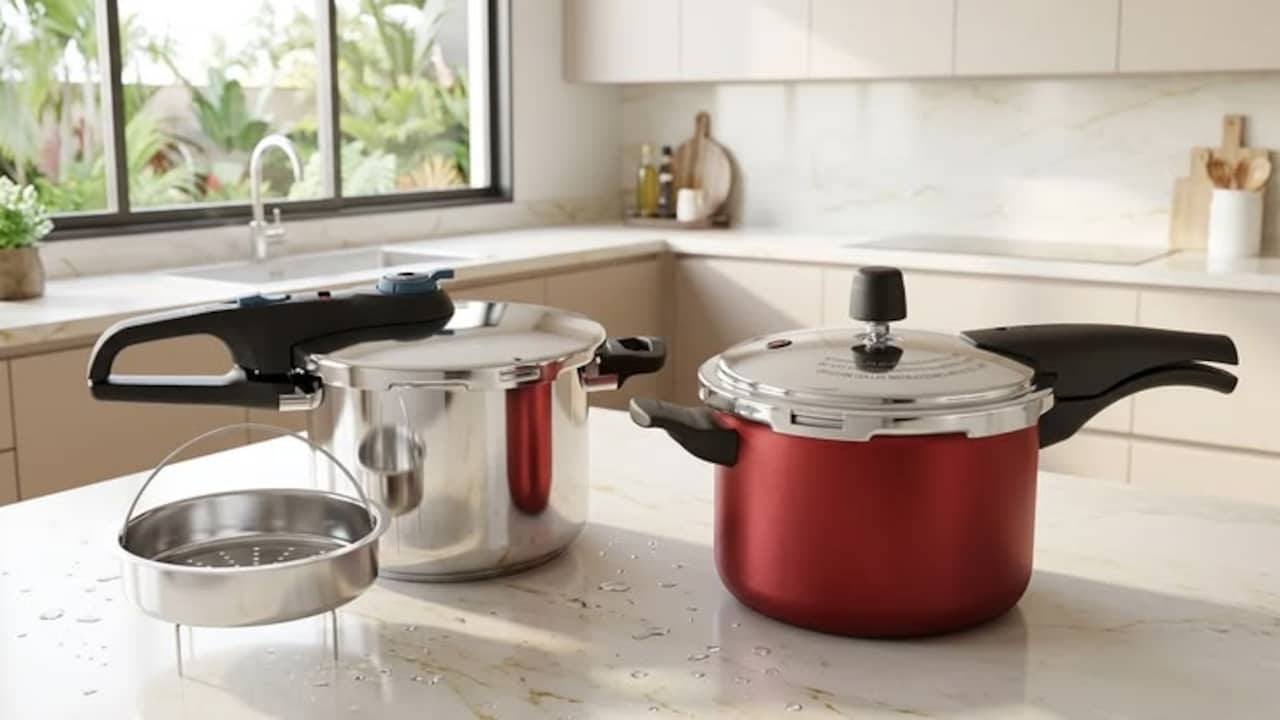
Few kitchen appliances work as hard as a pressure cooker. It softens dal, cooks rice, tenderises meat and rescues forgotten meal plans with remarkable speed. In many homes, its familiar whistle carries through the rooms like an announcement that lunch is almost ready. Buying one, however, can feel less comforting. Stores offer cookers in several sizes, metals, shapes and lid styles. Some work on induction cooktops, while others suit only gas stoves. A cooker that looks ideal online may turn out to be too small for guests, too heavy for daily use or awkward to clean.
How To Choose The Right Pressure Cooker For Your Kitchen; Photo Credit: Pexels
The right choice depends on cooking habits rather than trends. A compact household may value speed and easy storage. A larger family may need generous capacity and a sturdy base. Someone who prepares biryani, pulao or one-pot meals may prefer a broader shape, while a dal-and-rice routine may suit a traditional design.
This pressure cooker buying guide explores ten important considerations. Each one helps narrow the options and makes the final purchase feel less like guesswork.
Key Factors To Consider Before Buying A Pressure Cooker
Choose The Right Capacity For Your Household
Capacity should come first because it affects both convenience and cooking results. A cooker that feels too small can lead to repeated batches, while an oversized one may waste fuel and occupy valuable cupboard space.
A 1.5-litre or 2-litre cooker generally suits one person, couples or kitchens that prepare small portions of dal, rice or vegetables. A 3-litre cooker works well for two or three people and handles most everyday meals without feeling bulky. Households with four or five members often find a 5-litre cooker more practical. Larger families, frequent hosts or batch cooks may need a 6.5-litre or 8-litre model.
Manufacturers state total capacity, but users cannot fill a cooker to the brim. Food needs room to expand, and steam requires space to build pressure. Lentils, rice and foamy dishes need extra breathing room.
Think about weekends as well as weekdays. A small cooker may manage Tuesday's khichdi beautifully but struggle when relatives arrive on Sunday. Choosing one size above the bare minimum often gives useful flexibility without creating a kitchen giant.
Also Read: 5 Pressure Cookers Under ₹2,000 That Work on Induction and Gas Stoves - Powerhouse Kitchen Solution
Understand Inner-Lid And Outer-Lid Designs
The lid design changes how a pressure cooker feels during everyday use. Inner-lid cookers have lids that fit inside the rim of the pot. Outer-lid models have lids that sit over the top and lock from outside.
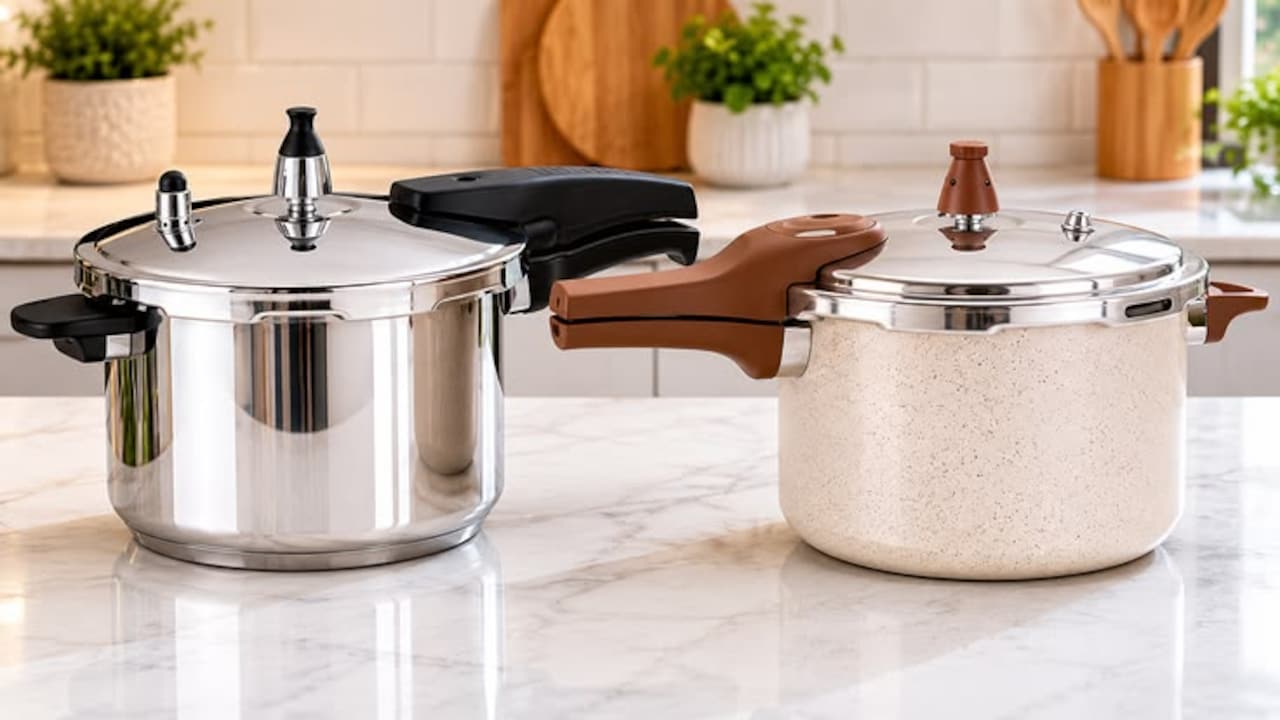
Inner-lid cookers often have a compact, neat appearance. Their design creates a tight seal, and many smaller models use this format. They suit households that cook modest quantities and prefer cookware that stores easily. Since the lid fits inside, pressure pushes it firmly against the body, which adds a sense of security during cooking.
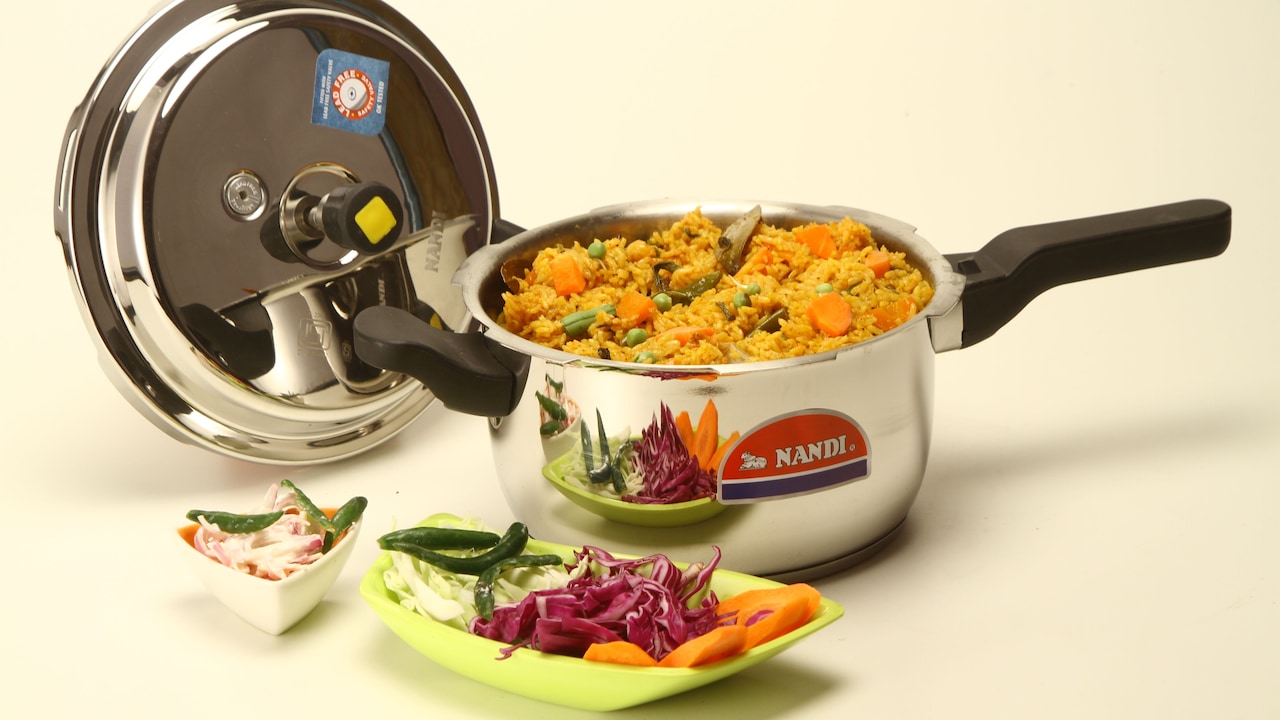
Outer-lid cookers usually offer wider openings and larger capacities. Serving, stirring and cleaning can feel easier, especially when preparing pulao, biryani or meat dishes. Many traditional cookers use this design, so the handling may feel familiar.
Neither type automatically cooks better. The choice depends on comfort, portion size and cleaning preferences. Someone with limited grip strength may find one locking mechanism easier than another. Visiting a shop and testing the lid can prevent future irritation. A cooker gets used often, so even a small awkward movement can become a daily nuisance.
Check Induction Compatibility Before Buying
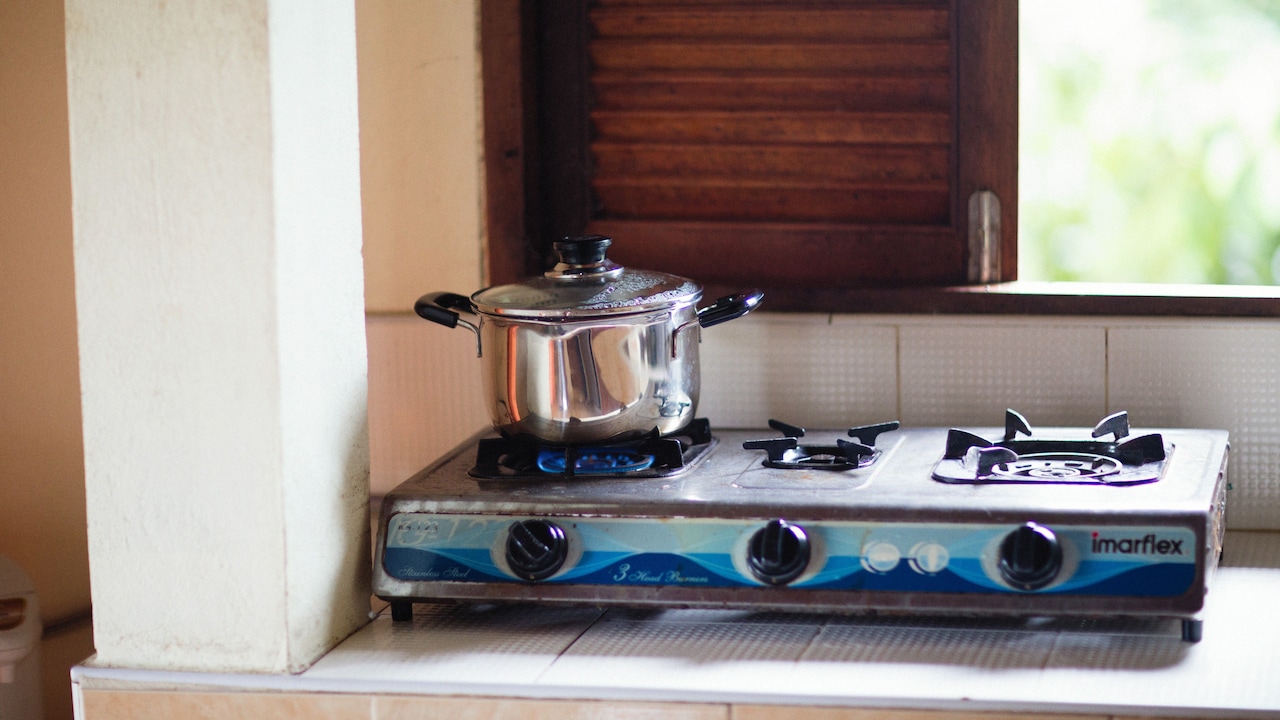
An induction cooktop heats cookware through magnetic energy, so not every pressure cooker works on it. A cooker may look sturdy and modern yet remain completely unresponsive when placed on an induction surface.
Induction-compatible cookers have a magnetic base, often made from stainless steel or bonded with an induction-friendly plate. Product descriptions usually mention induction compatibility clearly. A small induction symbol may also appear on the packaging or base.
A simple magnet test helps when shopping in person. If a magnet sticks firmly to the bottom, the cooker will usually work on induction. Still, checking the manufacturer's instructions remains the safer option.
Households that currently use gas should not dismiss this feature. Kitchens change, tenants move, and cooktops get upgraded. A cooker that works on both gas and induction offers greater flexibility. The price difference may remain modest, often only a few hundred rupees.
The base should also sit flat. A warped bottom can cause uneven heating and annoying vibrations on induction. A thick, level base improves stability, reduces hot spots and makes cooking feel far less temperamental.
How To Choose The Right Pressure Cooker For Your Kitchen; Photo Credit: Pexels
Compare Aluminium, Stainless Steel, and Hard-Anodised Cookers
Material affects weight, durability, heating speed, appearance and price. Aluminium cookers heat quickly and remain light enough for regular handling. They also tend to cost less, making them popular for everyday cooking. However, plain aluminium can stain, scratch or lose its shine over time.
Stainless steel offers greater durability and a polished appearance. It resists stains and does not react easily with acidic foods such as tomato-based gravies. Stainless steel alone does not conduct heat as quickly as aluminium, so good models often use a layered or sandwich base. That base spreads heat more evenly and reduces scorching.
Hard-anodised aluminium sits between the two. It heats efficiently, feels stronger than plain aluminium and usually comes with a dark, smooth finish. The treated surface resists corrosion and handles regular use well. It also looks rather smart until someone attacks it with a steel scrubber.
Weight matters too. A heavy cooker may feel reassuring on the hob but cumbersome at the sink. Buyers should balance toughness with daily comfort. The finest material on paper means little if lifting the cooker becomes an arm workout before breakfast.
Consider The Shape And Cooking Surface
Pressure cookers no longer come only in tall, narrow shapes. Many brands now offer handi-style, pan-style and wide-bodied designs, each suited to different dishes.
A tall cooker works well for rice, dal, potatoes and foods that need depth rather than surface area. It occupies less hob space and may store more easily in a crowded kitchen. A broad cooker, on the other hand, provides room for sautéing onions, browning meat and mixing ingredients before pressure cooking.
Wide bases also help moisture evaporate faster after the lid comes off. This feature proves useful for thickening gravies or finishing masala dishes. Handi-shaped cookers offer a rounded body that encourages stirring and gives biryani or pulao plenty of space.
Consider the size of the stove burner as well. A very wide cooker on a tiny burner may heat slowly and unevenly. A narrow cooker on an oversized flame may waste gas and damage handles.
The best shape reflects the dishes cooked most often. A household that mainly prepares dal may not need a trendy handi. A family that loves one-pot meals might wonder how it ever managed without one.
Examine Safety Features And Pressure Controls
Modern pressure cookers include several safety mechanisms, and buyers should understand them rather than treating them as technical decoration.
The primary pressure regulator controls steam release during cooking. A safety valve provides backup if the main vent gets blocked. Many models also include a gasket-release system that allows excess pressure to escape safely. Some inner-lid cookers prevent the lid from opening while pressure remains inside.
The vent tube should look sturdy and easy to inspect. Food particles can block it, especially after cooking lentils or starchy dishes. A design that allows straightforward cleaning reduces risk and frustration.
Choose products that carry recognised quality certification and clear instructions. Avoid unknown models that appear suspiciously cheap. Saving ₹500 loses its charm when the lid rattles like an auto-rickshaw on a rough road.
Safety also depends on maintenance. Gaskets harden over time, valves wear out, and handles loosen. Replacing these parts promptly keeps the cooker reliable. A pressure cooker should inspire confidence, not nervous glances from across the kitchen every time the whistle takes a little longer than expected.
Look At Handles, Grip And Overall Weight
Handles rarely receive much attention during purchase, yet they shape every interaction with the cooker. A comfortable grip helps when lifting, opening, washing and serving.
Long handles should feel solid and remain cool during cooking. Side handles on larger cookers make carrying easier, especially when the pot contains hot curry or several cups of rice. Check for smooth edges and enough space for fingers. A cramped handle becomes awkward when hands feel damp or oily.
The cooker's empty weight also deserves attention. Stainless steel and multi-layered models can feel heavy even before food goes in. For older family members or anyone with wrist discomfort, a lighter cooker may offer greater everyday comfort.
Try lifting the display model with one hand. Open and close the lid several times. These small tests reveal more than glossy product photographs ever can.
Handle replacements should also remain easily available. Popular brands often sell screws, grips and side handles separately. A cracked handle should not force the retirement of an otherwise healthy cooker. Good design keeps the cooker stable, balanced and manageable, even during the familiar rush of preparing three dishes at once.
How To Choose The Right Pressure Cooker For Your Kitchen; Photo Credit: Pexels
Check Gasket And Spare-Part Availability
A pressure cooker can last for years, but its smaller components need occasional replacement. Gaskets, safety valves, vent weights and handles all experience wear. Their availability can determine whether the cooker remains useful or ends up forgotten behind a stack of old containers.
Before buying, check whether local shops or authorised service centres stock compatible parts. Well-established brands usually make replacements easier to find. Online availability helps, but matching the exact model and size can still become confusing.
The gasket should fit securely without excessive stretching. Over time, rubber loses flexibility and may cause steam leakage around the lid. A worn gasket can also delay pressure build-up, increasing cooking time and fuel use.
Some households keep a spare gasket at home, which proves sensible when the original gives up just before guests arrive. Few kitchen dramas feel as oddly specific as a cooker refusing to seal while the dal waits stubbornly inside.
Avoid choosing a model simply because it looks unusual or stylish. A rare design may create problems later if parts disappear from the market. Long-term convenience often matters more than a fashionable lid or an unfamiliar locking system.
Match The Cooker To Your Regular Recipes
Buying habits often focus on family size, but recipes matter just as much. Two households with the same number of people may need completely different cookers.
Someone who prepares small quantities of dal, steamed vegetables or boiled eggs may prefer a compact 2-litre or 3-litre cooker. A household that cooks rajma, chole or meat regularly may need more space because these foods require water and expand during cooking. Biryani, pulao and one-pot meals benefit from a broader base and larger volume.
Frequent batch cooking calls for extra capacity. Preparing several portions at once can save time on busy weekdays. However, buying an enormous cooker for an occasional festive meal may not make sense. Large models take longer to clean and can feel excessive for daily use.
Many kitchens benefit from owning two cookers in different sizes. A small one handles quick meals, while a larger one steps in for guests or weekend cooking. This combination may cost more initially, but it offers remarkable convenience.
Think about what enters the cooker each week, not what might enter it during an ambitious burst of culinary enthusiasm.
Balance Price, Warranty And Brand Support
Price matters, but the cheapest cooker does not always offer the best value. A durable model with available spare parts can serve for many years, making a slightly higher upfront cost easier to justify.
Basic aluminium cookers may start at around ₹1,000, depending on capacity and brand. Hard-anodised and induction-compatible versions often cost more. Stainless-steel models with layered bases can sit higher still. Prices vary widely, so features should guide comparisons rather than appearance alone.
A clear warranty reflects the manufacturer's confidence, although buyers should read what it actually covers. Some warranties protect the cooker body but exclude gaskets, valves and handles. Keep the invoice, warranty card and model details safely.
Brand support also matters. A service centre nearby can make repairs quicker and less stressful. Customer reviews may reveal common concerns, but isolated complaints need context. Every popular product collects a few dramatic stories.
Choose a cooker that feels sturdy, practical and easy to maintain. A sensible purchase should support thousands of meals, not merely look impressive during the first week on the kitchen counter.
Products Related To This Article
1. Hawkins 3 Litre Contura Black Pressure Cooker
2. Pigeon by Stovekraft Favourite Outer Lid Non-Induction Aluminium Pressure Cooker
3. Stahl Xpress Triply 3.5 L Triply Pressure Cooker Pan
4. Butterfly Duo Curve SS 3L Pressure Cooker|Induction Base
5. PNB Kitchenmate ISI Certified Induction-friendly cookware
6. Butterfly Curve 3 Litres Stainless Steel Outer Lid Pressure Cooker
7. Prestige 3 Litre Aluminium Nakshatra Duo Inner Lid Pressure Cooker
The right pressure cooker fits naturally into daily life. It holds enough food without feeling oversized, opens without a wrestling match, and works with the available cooktop. Its material suits the household's cooking style, while its handles, lid, and safety features feel dependable.
Capacity should match both regular meals and occasional guests. Lid type should reflect comfort and cleaning preferences. Induction compatibility adds flexibility, even in kitchens that currently use gas. Reliable spare parts, sensible weight, and strong after-sales support help the cooker remain useful for years.
No single model suits every kitchen. A 3-litre hard-anodised cooker may delight a couple, while a large stainless-steel handi may become essential for a busy household. The best choice comes from honest observation: how much food gets cooked, which dishes appear most often, and who handles the cooker each day.
A well-chosen pressure cooker does more than save time. It quietly supports rushed breakfasts, comforting dinners, festive feasts and countless cups of perfectly cooked dal. That makes it less of an appliance and more of a dependable kitchen companion.
(Disclaimer: This article may include references to or features of products and services made available through affiliate marketing campaigns. NDTV Convergence Limited (“NDTV”) strives to maintain editorial independence while participating in such campaigns. NDTV does not assume responsibility for the performance or claims of any featured products or services.)