Why Steam Mop Pads Become Dirty So Quickly And How Often To Change Them
Steam mop pads darken quickly because they trap dust, grease, hair and hidden grime. Learn why this happens, when to change the pad and how to keep every cleaning session effective.
Dirty Steam Mop Pads: Causes, Cleaning Tips And Replacement Guide
Few household sights are as strangely satisfying as a spotless floor. The tiles shine, bare feet no longer pick up dust, and the whole room suddenly feels calmer. Then comes the less glamorous part: removing the steam mop pad and discovering that it looks as though it has cleaned a railway platform. A dirty pad after one cleaning session does not automatically mean the home is unusually dusty. Steam loosens grime that may have settled into tile joints, textured surfaces and tiny floor pores. The pad then absorbs that mixture of dust, grease, hair and moisture. Naturally, it changes colour quickly.
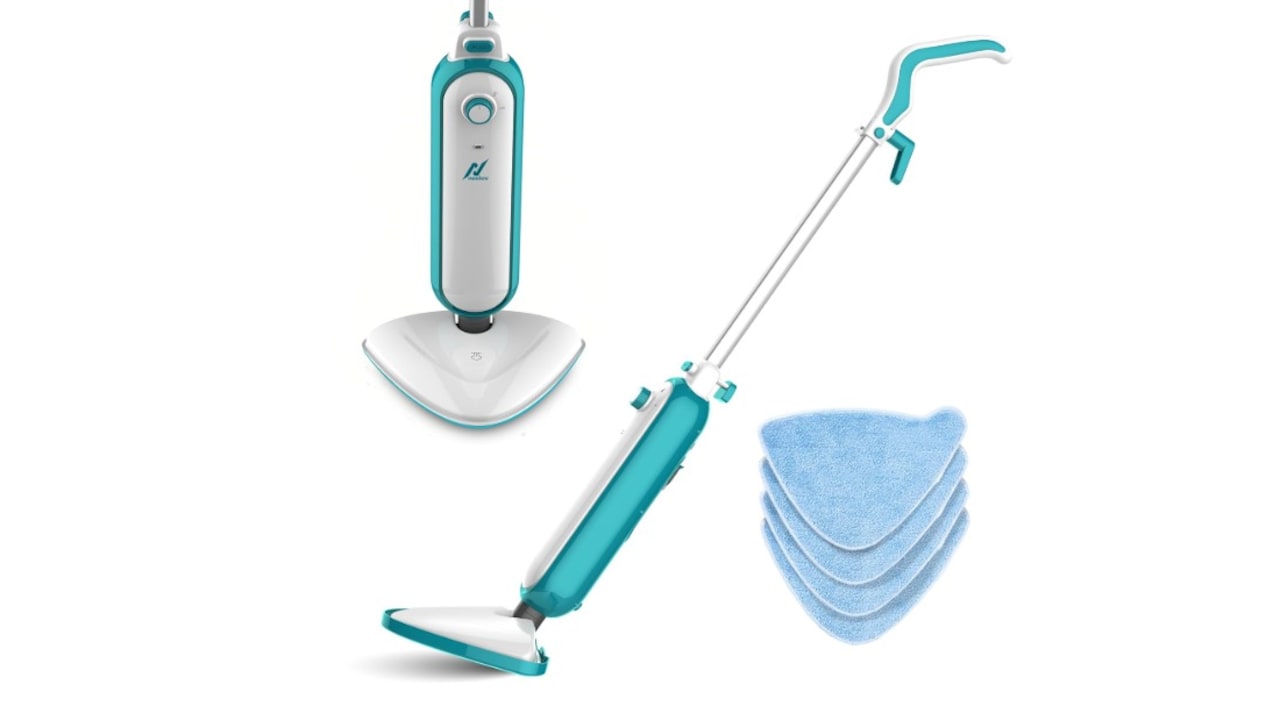
Dirty Steam Mop Pads: Causes, Cleaning Tips, and Replacement Guide; Photo Credit: Amazon
However, continuing to clean with an overloaded pad can spread dirt rather than remove it. It may also leave streaks, dull patches or an unpleasant smell. The right changing schedule depends on floor size, foot traffic, pets, weather and the type of mess being cleaned. Here are ten practical reasons steam mop pads become dirty so quickly, along with clear guidance on how often they should be changed.
10 Reasons Steam Mop Pads Get Dirty Quickly And When To Change Them
Steam Lifts Dirt That Sweeping Cannot Reach
Sweeping removes loose dust, crumbs and visible debris, but it rarely captures everything. Fine particles settle inside grout lines, textured tiles and microscopic surface gaps. Steam reaches these areas more effectively because heat and moisture soften dirt that has clung to the floor.
As the mop moves, the loosened grime transfers directly onto the pad. This is why a floor that looked fairly clean can produce a shockingly dark cloth. The mop is not creating dirt. It is revealing what was already there, quietly hiding beneath chair legs and along skirting boards.
In homes near busy roads or construction sites, this effect becomes even more noticeable. Fine dust can enter through balconies, windows, footwear and ventilation gaps. Even daily sweeping may leave a thin layer behind.
For normal cleaning, change the pad after one medium-sized room or around 15 to 20 square metres. When the floor has deep grout lines or has not been steam-cleaned recently, change it sooner. A fresh pad continues lifting dirt, while a saturated one simply moves the mess from one tile to another.
Also Read: Steam Mop Vs Regular Mop: Uncovering The Best Tool For Your Home
Everyday Foot Traffic Brings In More Grime Than Expected
Floors collect a little story from every person who walks across them. Shoes bring road dust, soil, moisture and traces of oil. Bare feet leave sweat and natural skin oils. Slippers can spread kitchen crumbs from one room to another with impressive efficiency.
Entrance areas usually become dirtiest fastest. During the monsoon, damp footwear carries mud indoors. In summer, dry dust enters almost invisibly and settles across the floor. A steam mop pad cleaning these areas may darken within minutes, especially if several family members move in and out throughout the day.
Changing the pad according to floor colour alone is not always reliable. Dark pads hide dirt, while pale ones reveal every mark. Pay attention to cleaning performance instead. If the mop begins leaving streaks, feels harder to push or develops a stale smell, the pad needs changing.
For busy entranceways, corridors and living rooms, use a clean pad for each major area. In quieter bedrooms, one pad may cover two rooms. During rainy weather or after a family gathering, keep two or three spare pads ready. Guests leave memories, laughter and, quite often, muddy footprints.
Kitchen Floors Contain Grease And Invisible Residue
Kitchen floors may look clean after sweeping, yet they often hold a thin film of grease. Cooking oils travel through the air as tiny droplets and settle on nearby surfaces. Spilt tea, milk, masala, flour and food particles add another layer. Dust then sticks to this film, creating stubborn grime.
Steam softens greasy residue, and the pad absorbs it. This can make the cloth turn yellowish, brown or dark grey very quickly. The pad may also feel heavy or slightly sticky after cleaning. Once grease fills the fibres, the cloth loses its ability to collect more dirt.
Use a separate pad for the kitchen whenever possible. This prevents food residue and odours from travelling into bedrooms or living spaces. Change the pad after cleaning the kitchen, even when it does not look completely dirty.
For larger kitchens, change it halfway if the floor feels particularly oily. A pre-clean with a dry microfibre cloth can also remove crumbs and loose debris before steaming. Avoid pouring floor cleaner into the steam mop tank unless the manufacturer allows it. Plain water usually works best, and adding the wrong liquid may damage the machine or leave residue behind.
Dirty Steam Mop Pads: Causes, Cleaning Tips, and Replacement Guide; Photo Credit: Amazon
Pet Hair And Paw Marks Fill Pads Quickly
Pets bring warmth, entertainment and a remarkable ability to distribute hair across every available surface. Even well-groomed dogs and cats shed fur, carry dust on their paws and leave tiny traces of saliva or food near their bowls.
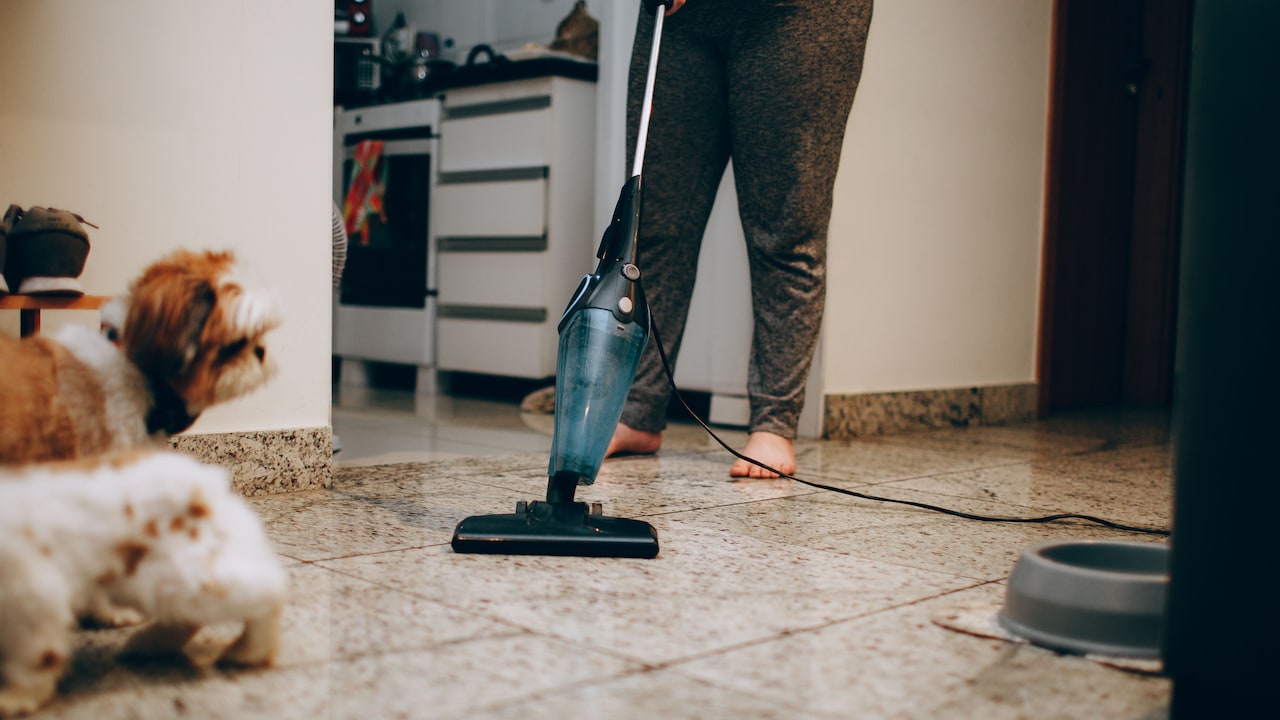
A steam mop pad catches loose hair that sweeping or vacuuming misses. The fibres trap fur, while steam lifts dried paw prints and sticky marks. This combination can fill the pad faster than ordinary dust. Long hair may also twist around the edges and reduce smooth contact with the floor.
Vacuum or sweep thoroughly before steam mopping. This simple step prevents the pad from becoming a damp collection of fur and crumbs. Around feeding areas, clean spills first rather than expecting steam to tackle an entire dried dinner.
In a home with one pet, change the pad after each large room or whenever visible hair covers the surface. With multiple pets, a fresh pad may be needed more often. Wash pet-area pads separately when possible, particularly if they have picked up urine, vomit or strong odours. Heat helps with cleaning, but hygiene still depends on prompt washing and complete drying.
Using One Pad Across The Entire Home Overloads It
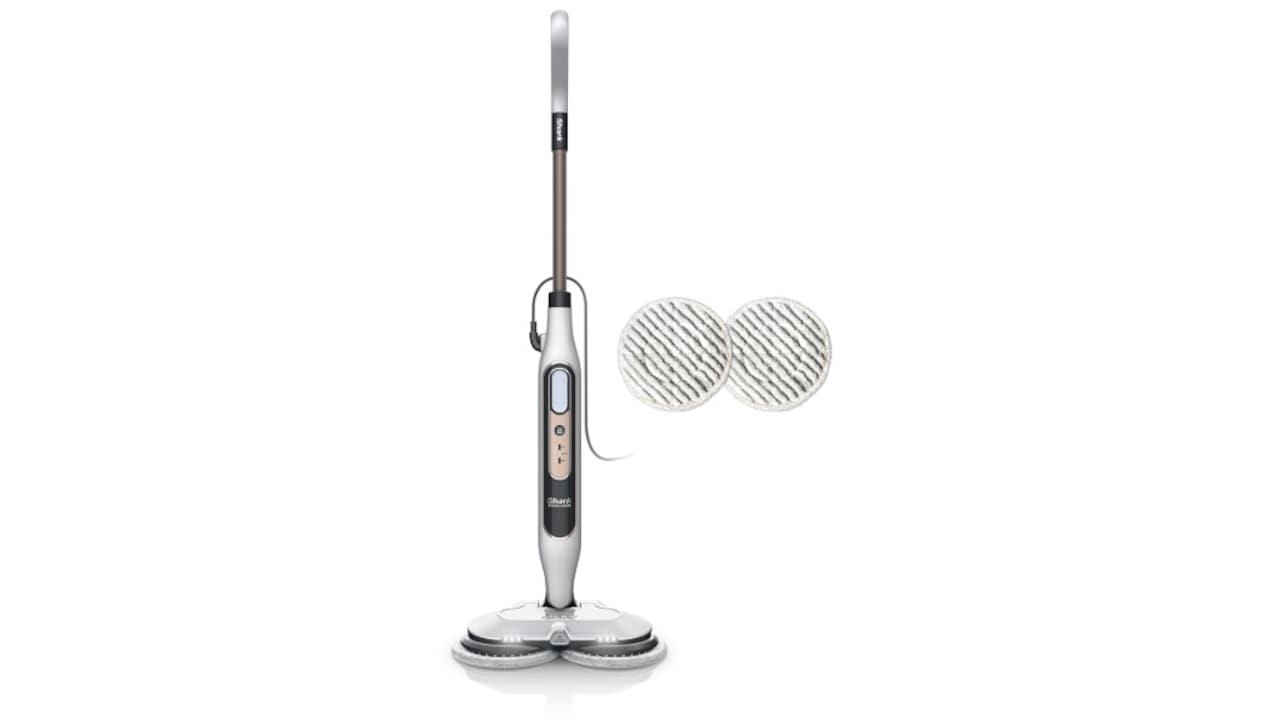
A steam mop pad has limited absorbency. Once its fibres fill with dirt and moisture, it cannot keep collecting effectively. Yet many people continue using the same pad across the kitchen, hallway, bedrooms and balcony because changing it feels inconvenient.
The result is usually disappointing. The first room receives a proper clean, while the last room gets a damp tour of everyone else's dirt. Floors may develop streaks, and the pad may leave behind a musty smell.
A practical routine is to divide the home into zones. Use one pad for bedrooms, another for living areas and a separate one for the kitchen or balcony. This reduces cross-contamination and makes the cleaning process more efficient.
For a typical two-bedroom flat, three pads are usually enough for one full session. Larger homes or heavily used floors may need four or five. Buying reusable pad sets may cost around ₹500 to ₹1,500, depending on the brand and quantity, but they make regular changes easier.
Think of mop pads like kitchen cloths. One cloth cannot wipe the dining table, stove, floor and balcony while remaining fresh. Steam does many things, but it cannot perform household miracles.
Skipping Vacuuming Makes The Pad Dirty Much Faster
A steam mop works best after dry debris has been removed. Without sweeping or vacuuming first, the pad must deal with dust, hair, crumbs, threads and grit at the same time as sticky dirt.
This overloads the fibres quickly. Larger particles may scratch delicate flooring when trapped beneath the pad. Crumbs can soften into unpleasant paste, while hair collects in damp clumps around the mop head. The machine then becomes harder to move and less effective.
A quick vacuum before steaming can greatly extend the useful life of each pad during a cleaning session. Focus on corners, edges, under furniture and around dining tables. These areas often hide more debris than the centre of the room.
Even when time feels tight, avoid using steam as a replacement for basic sweeping. Five minutes of preparation can prevent twenty minutes of frustrating streak removal later.
After vacuuming, one pad may clean a normal bedroom and attached passage. Without vacuuming, it may need changing halfway through the same area. The difference is not subtle. A steam mop is designed to lift stuck-on dirt, not swallow an entire breakfast's worth of crumbs.
Hard Water Can Leave Mineral Deposits On The Pad
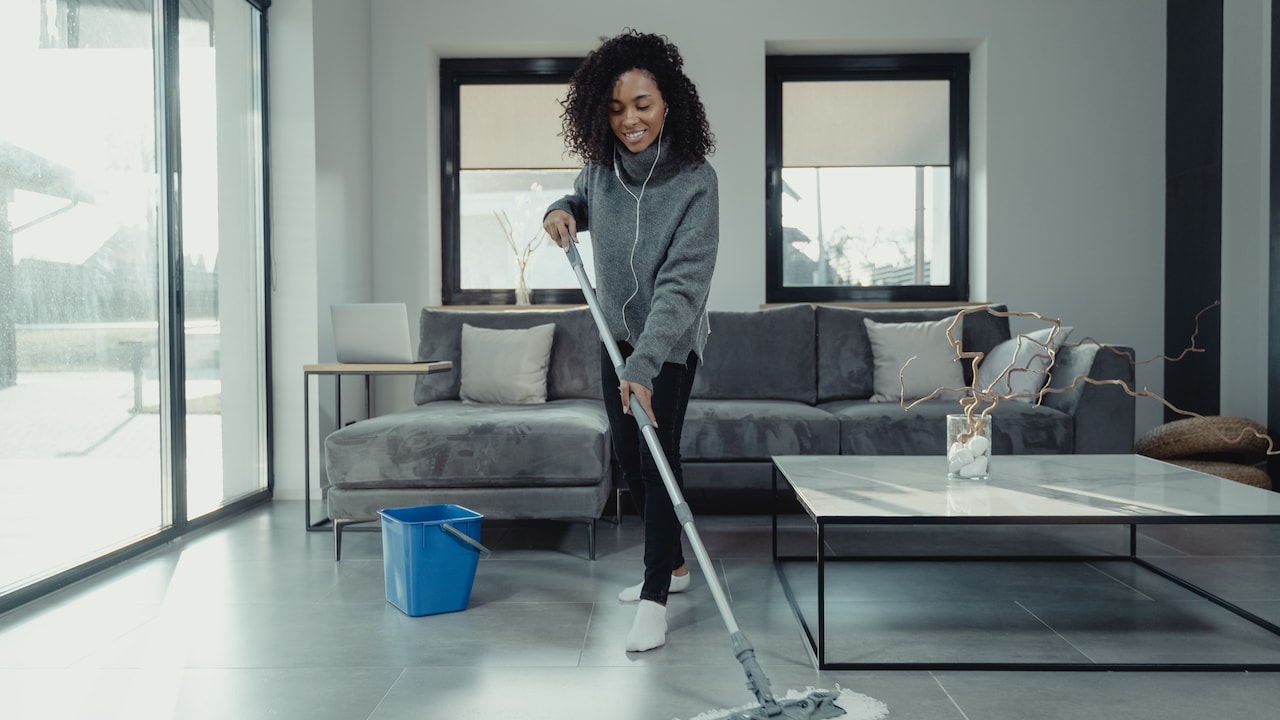
In many cities, tap water contains high levels of minerals such as calcium and magnesium. When heated inside a steam mop, these minerals may form deposits on the machine and pad. The cloth can develop pale, chalky marks or become stiff after drying.
Hard water residue may not look as dramatic as mud or grease, but it still affects performance. Stiff fibres absorb less moisture and make poor contact with the floor. Mineral build-up can also contribute to streaking on dark tiles.
Check the manufacturer's guidance before choosing water. Some steam mops work well with tap water, while others perform better with filtered, demineralised or distilled water. A litre of distilled water may cost around ₹20 to ₹40, though prices vary by location and supplier.
Mineral-stained pads do not always need immediate replacement. Soaking them in warm water with a small amount of white vinegar may help, provided the care label permits it. Rinse thoroughly afterwards.
If the pad remains stiff, smells unusual or no longer absorbs properly, replace it. Depending on usage and water quality, reusable pads may last several months, but hard water can shorten that lifespan considerably.
Dirty Steam Mop Pads: Causes, Cleaning Tips, and Replacement Guide; Photo Credit: Pexels
Too Much Steam Can Saturate The Cleaning Pad
More steam does not always mean cleaner floors. Holding the mop in one spot or using the highest steam setting throughout the house can soak the pad rapidly. Once saturated, it struggles to absorb loosened dirt.
An overly wet pad may leave puddles, streaks or cloudy patches. It can also push dirty water into grout lines rather than lifting it away. On wooden or laminate floors, excess moisture may cause swelling, dullness or long-term damage.
Choose the steam level according to the surface and the mess. Light dust needs less steam than dried food or muddy marks. Keep the mop moving instead of pausing for long periods. For stubborn spots, use short controlled passes rather than flooding the area.
Change the pad when it feels heavy, dripping wet or noticeably cooler against the floor. In humid weather, this may happen sooner because moisture evaporates slowly.
A typical pad may last 15 to 25 minutes during continuous cleaning, though floor type and steam setting affect this range. Using moderate steam often produces better results than attacking every tile as though it has committed a serious offence.
Poor Washing Habits Reduce The Pad's Absorbency
Reusable steam mop pads need careful washing. Fabric softener, strong detergent and oily cleaning products can coat the fibres. Once coated, the pad may repel water instead of absorbing it. It may also begin to smell after only a few minutes of use.
Wash pads soon after cleaning. Leaving a dirty, damp cloth in a bucket or laundry basket gives bacteria and odours time to settle in. Rinse loose grime first, then wash according to the care label.
A mild detergent usually works well. Avoid fabric conditioner because it leaves a smooth residue that reduces microfibre performance. Bleach may weaken fibres or damage pad backing, so use it only when the manufacturer specifically approves it.
Dry pads completely before storing them. Sunlight can help remove odours, although prolonged harsh exposure may wear out some materials. A shaded, airy place is often ideal.
Replace a pad when stains remain after washing, the fabric feels thin, the seams loosen, or the hook-and-loop backing stops gripping the mop. With regular use and proper care, many reusable pads last around 50 to 100 washes, though quality varies.
Some Messes Require An Immediate Pad Change
Routine dust can wait until the end of a room, but certain spills require an immediate change. Raw food residue, pet accidents, bathroom grime, vomit and sticky sugary liquids should never travel across the home on the same pad.
Steam may loosen these substances, but the cloth still carries their residue. Continuing to mop can spread bacteria, odour and discolouration. A floor may appear cleaner while becoming less hygienic.
Stop after cleaning the affected area, remove the pad carefully and place it directly into a washable container or laundry area. Attach a fresh pad before moving to another room. Wear gloves when dealing with bodily fluids or pet waste, and clean the mop head if contamination has reached beyond the cloth.
Bathroom pads should remain separate from kitchen and bedroom pads. Colour-coded sets make this easy. For example, one colour can stay reserved for bathrooms, another for the kitchen and another for general floors.
A heavily contaminated pad may not be worth saving, especially if it retains smell after washing. Replacement pads usually cost far less than the effort needed to rescue one that has crossed the line from dirty to deeply regrettable.
Products Related To This Article
1. Shark Steam & Scrub S8201IN Steam Mop
2. BISSELL CrossWave HF2 | Wet & Dry Hard Floor Cleaner
3. Nexlev 10-in-1 Foldable Steam Cleaner & Mop| 2 Steam Modes
4. MinuteToCleanIt Flat Mop for Floor Cleaning with Built-in Spray
5. Hoover Steam Fresh Combi 2 in 1 Multi-Surface Powerful Steam Mop
6. Domestica Steamo 10-In-1 Steam Cleaner For Home Cleaning With 2 Steam Modes
7. BISSELL Crosswave HydroSteam Multi-Surface Corded Upright Vacuum Cleaner
Steam mop pads become dirty quickly because they collect more than visible dust. They absorb grease, fine particles, moisture, hair, stains and residue hiding in floor textures and corners. A dark pad often proves that the mop is working, but using it beyond its limit reduces cleaning quality.
For everyday use, change the pad after each medium-sized room, every 15 to 25 minutes, or whenever it becomes saturated, streaky or smelly. Use separate pads for kitchens, bathrooms and pet areas. Sweep or vacuum before steaming, wash reusable pads without fabric softener and allow them to dry completely.
Replacement depends on condition rather than a fixed calendar. A pad with thinning fibres, damaged seams, poor absorbency or a persistent smell has reached retirement age.
Clean floors do not require heroic scrubbing or a cupboard full of chemicals. They simply need the right routine, a sensible supply of fresh pads and the wisdom to stop mopping before the cloth begins redecorating the floor with yesterday's dirt.
(Disclaimer: This article may include references to or features of products and services made available through affiliate marketing campaigns. NDTV Convergence Limited (“NDTV”) strives to maintain editorial independence while participating in such campaigns. NDTV does not assume responsibility for the performance or claims of any featured products or services.)