Built-In Heater Washing Machines: Electricity Cost Breakdown
Built-in heater washing machines promise better cleaning, but how much do they add to electricity bills? This guide breaks down real power consumption, costs in money, and smart ways to balance hygiene with energy savings.
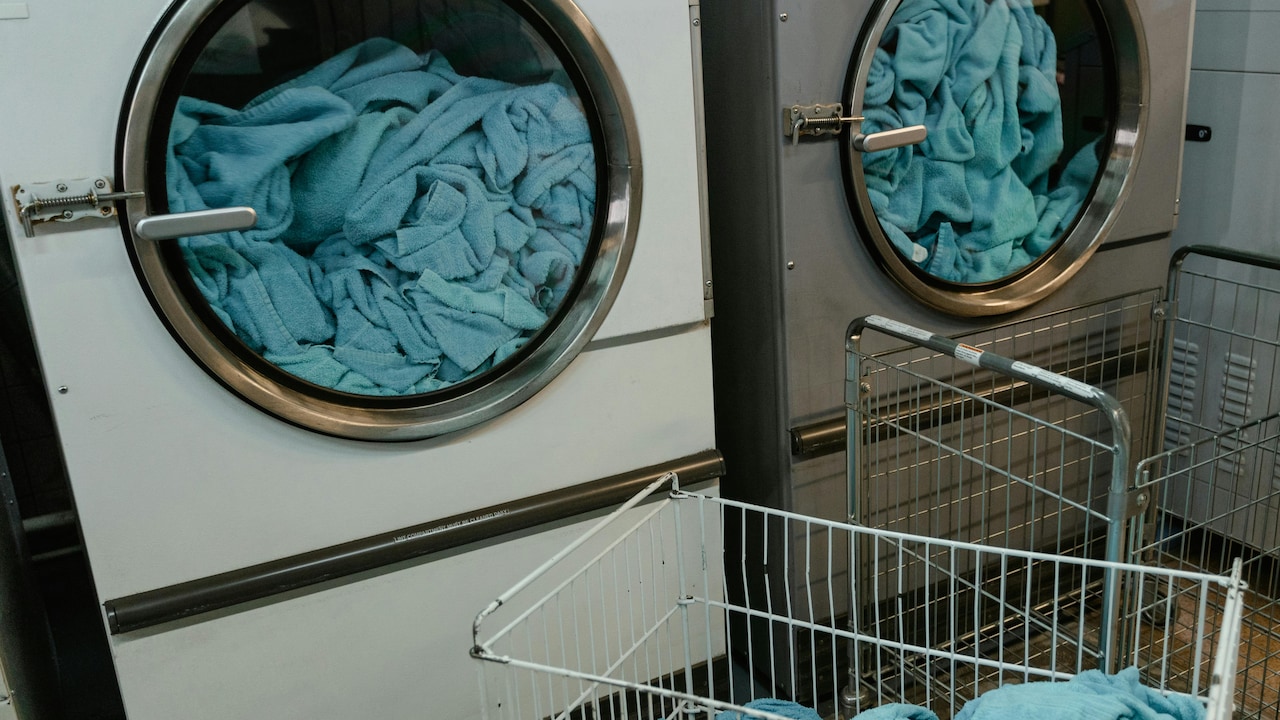
Built-In Heater Washing Machines: Real Electricity Costs Explained For Every Household.
Laundry habits have changed dramatically over the past decade. Earlier generations relied on sunshine, buckets, and patience. Modern homes now rely on automation, intelligent sensors, and machines capable of heating water internally. Built-in heater washing machines stand at the centre of this transformation, marketed as solutions for stubborn stains, bacteria removal, and better detergent performance.
The appeal feels obvious. Warm water dissolves grease faster, removes odours more effectively, and leaves clothes feeling genuinely fresh. Parents appreciate sanitised baby clothes, fitness enthusiasts value odour removal, and allergy sufferers notice fewer irritants. Still, convenience often arrives with a hidden companion: electricity consumption.
Electricity bills already fluctuate with seasonal cooling, cooking appliances, and work-from-home routines. Adding a heating element into weekly laundry raises understandable curiosity. Does the heater significantly increase power usage? Does every wash cycle consume the same amount of electricity? And most importantly, does the benefit justify the cost?
Understanding these questions requires more than technical specifications printed on a product box. Real-life usage patterns, local electricity tariffs, and washing habits influence the final bill far more than advertised wattage.
This article unpacks the electricity cost story behind built-in heater washing machines through practical explanations, relatable household scenarios, and realistic cost estimates in rupees. The goal remains simple: help households make smarter decisions without sacrificing comfort or cleanliness.
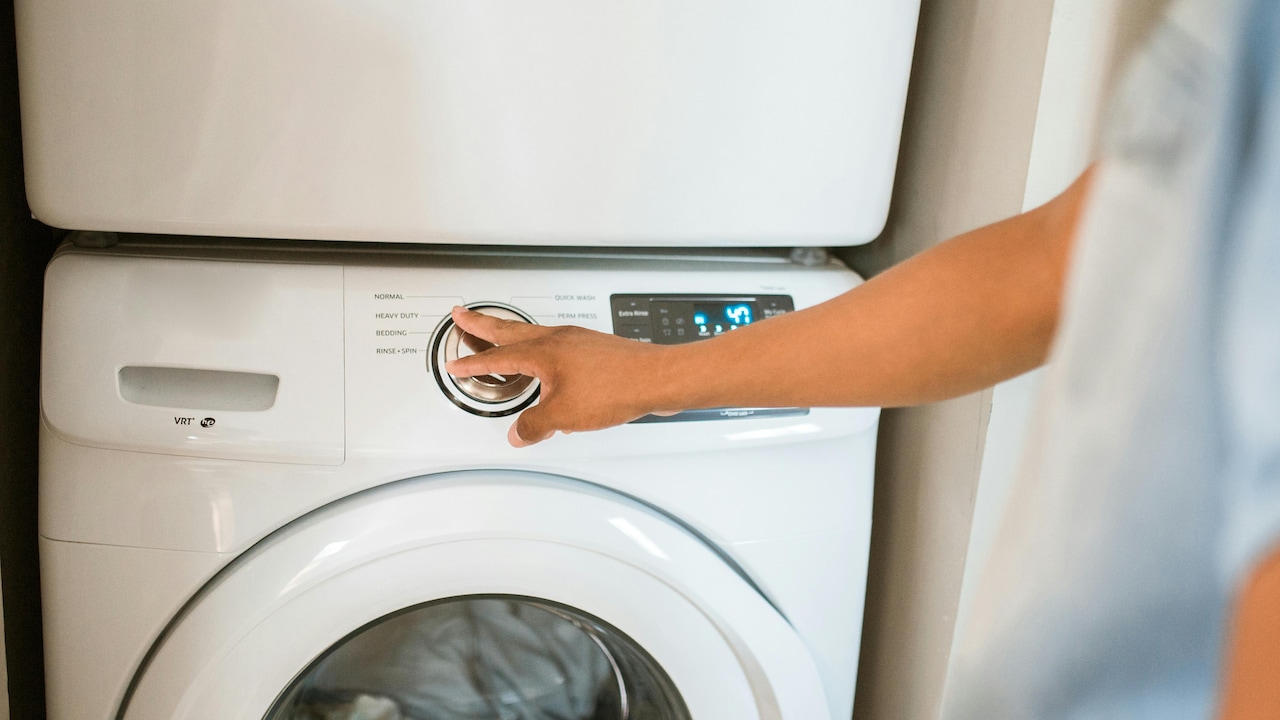
Built-In Heater Washing Machines: Real Electricity Costs Explained For Every Household
Photo Credit: Pexels
What Really Drives Electricity Costs In Heater Washing Machines
Understanding How Built-In Heaters Work
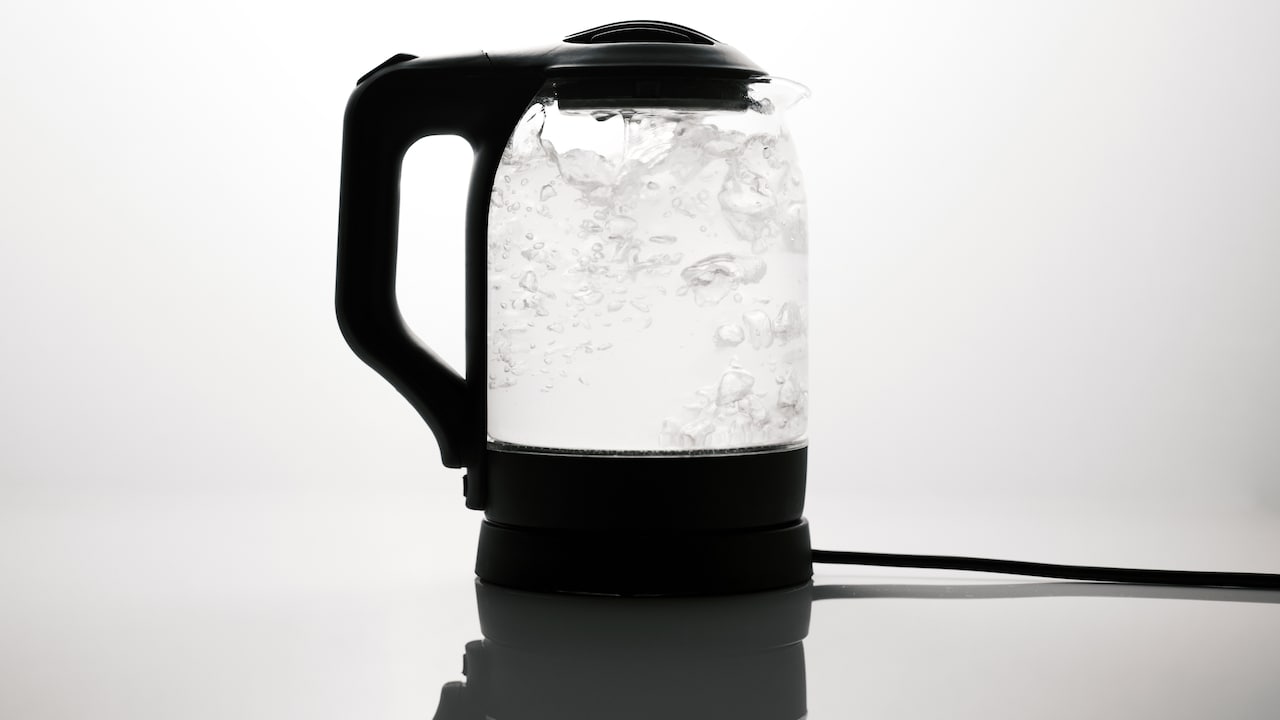
A built-in heater functions much like an electric kettle hidden inside the washing machine. Instead of relying on external hot-water connections, the appliance heats cold water internally using a metal heating element. Once the selected temperature is reached, the machine maintains heat while rotating clothes through detergent-rich water.
Most machines allow temperature choices between 30°C and 90°C. Lower settings handle everyday garments, while higher temperatures target heavily soiled fabrics or hygiene cycles. The heating phase consumes the largest portion of electricity during a wash cycle, often accounting for nearly 70–80% of total energy usage.
Imagine a typical evening wash after a busy workday. Clothes go in, the heater activates, and the machine quietly draws power for several minutes before actual washing begins. Many users assume the drum movement uses most electricity, yet heating water demands far more energy than spinning clothes.
Manufacturers design modern heaters with insulation and sensors to reduce waste, but physics remains unchanged. Heating water requires energy, and energy translates directly into electricity consumption. Understanding this basic mechanism helps explain why two similar machines can produce very different power bills depending on temperature settings alone.
Electricity Consumption: Numbers Behind The Heat
Electricity usage often sounds complicated until broken into relatable figures. A typical heater-enabled washing machine consumes between 1.5 kWh and 2.5 kWh per hot wash cycle, depending on capacity and temperature.
Consider an average electricity tariff of ₹8 per unit. A single hot wash could cost roughly ₹12 to ₹20 in electricity. That number may appear small initially, yet weekly usage tells a more interesting story. Five heated washes per week could add ₹240 to ₹400 per month to the electricity bill.
Temperature plays a decisive role. Washing at 40°C uses noticeably less energy than a 60°C cycle because heating water beyond moderate warmth requires exponentially more power. Many households unknowingly select higher temperatures, believing clothes become cleaner, even when detergents perform effectively at lower temperatures.
Seasonal habits also influence consumption. During monsoon months, heated washes increase due to damp odours and slower drying. Electricity bills often rise during this period, leading families to blame the weather rather than the washing settings.
Viewed realistically, heater washing machines do not dramatically inflate bills overnight. Instead, costs accumulate quietly through repeated usage patterns, making awareness more valuable than restriction.
Why Hot Water Washing Feels Worth It
Despite electricity concerns, heater washing machines continue gaining popularity for good reason. Warm water enhances detergent activation, allowing enzymes to break down oil, sweat, and food stains more efficiently than cold water alone.
Anyone who has struggled with turmeric stains or gym wear odour understands the difference immediately. Clothes emerge softer, brighter, and fresher, reducing the need for repeated washing. Ironically, fewer rewash cycles can offset part of the electricity cost.
Hygiene cycles also provide peace of mind. Bedding, towels, and undergarments benefit from higher temperatures that reduce bacteria and allergens. Families with young children often prioritise this feature, especially during seasonal illness waves.
There is also a psychological element at play. Clean clothes washed in warm water simply feel more reassuring. The faint warmth when unloading laundry creates a subtle sense of thorough cleaning, similar to freshly ironed garments.
In many homes, the heater becomes less about luxury and more about confidence in cleanliness. Electricity cost becomes part of a broader trade-off between convenience, hygiene, and time saved from manual pre-soaking or scrubbing.
Temperature Settings And Their Hidden Impact
Temperature selection quietly determines whether electricity consumption stays reasonable or climbs unnecessarily. A 30°C wash often consumes nearly half the energy of a 60°C cycle while delivering comparable results for everyday clothing.
Modern detergents work efficiently in lukewarm water. Yet habit drives many users to select higher temperatures out of caution rather than necessity. Marketing phrases like “deep clean” or “intensive wash” encourage heavier settings even for lightly worn clothes.
Imagine washing office wear worn indoors all day. A 40°C cycle cleans effectively without excessive heating. Switching from 60°C to 40°C across weekly washes could save ₹100 to ₹150 monthly without noticeable compromise.
Higher temperatures remain useful for specific loads such as towels, bedsheets, or heavily stained garments. The key lies in selective usage rather than blanket application.
Smart machines now include eco modes that automatically adjust heating duration. These cycles may run slightly longer but reduce peak electricity draw, leading to lower overall consumption.
Small behavioural shifts often deliver greater savings than expensive appliance upgrades. Temperature awareness alone can reshape annual electricity costs significantly.
Comparing Heater Machines With Cold Wash Models
Traditional washing machines without heaters rely entirely on incoming water temperature. Their electricity usage mainly powers motors and control systems, resulting in consumption as low as 0.5 kWh per cycle.
At first glance, cold wash machines appear far more economical. Monthly laundry costs may remain under ₹100 even with frequent usage. However, savings sometimes come with trade-offs.
Cold water struggles with grease-heavy stains, resulting in additional detergent usage or repeated washing. Each extra cycle consumes water, detergent, and time, subtly narrowing the cost difference.
Urban households without reliable hot-water plumbing particularly benefit from built-in heaters. Instead of manually heating buckets of water using geysers or stovetops, the washing machine performs heating more efficiently and safely.
When comparing both options, the real question shifts from electricity alone to overall convenience cost. Heater machines consolidate tasks into one appliance, reducing manual effort and improving wash quality.
Choosing between the two depends less on price and more on lifestyle needs, climate conditions, and laundry frequency.
Monthly Electricity Cost Scenarios In Real Homes
Electricity costs vary widely depending on family size and washing habits. A single professional running two heated washes weekly may spend only ₹80 to ₹120 per month on heater usage. Meanwhile, a larger household completing daily loads could see ₹500 to ₹700 added to monthly bills.
Weekend washing patterns also influence costs. Running multiple back-to-back heated cycles increases short-term electricity demand but may remain economical compared with daily, smaller loads.
Consider a family washing school uniforms, office clothes, and bedding regularly. Switching only half the washes to heated cycles reduces expenses noticeably without sacrificing hygiene.
Electricity billing slabs further complicate calculations. Higher consumption sometimes pushes households into more expensive tariff ranges, making each additional unit costlier than the last. Laundry habits, therefore, interact with overall household usage rather than operating in isolation.
Tracking electricity consumption for one month often reveals surprising insights. Many households discover that washing machines contribute less to bills than air conditioners or water heaters, shifting perspective on actual energy priorities.
Energy Efficiency Ratings And Real Savings
Energy star ratings promise efficiency, yet understanding them requires careful interpretation. A five-star rated heater washing machine uses advanced insulation, intelligent sensors, and optimised heating patterns to reduce wasted electricity.
These machines heat water gradually and maintain temperature efficiently rather than repeatedly reheating during cycles. Over a year, efficiency improvements can save ₹1,000 to ₹2,000 compared with older models.
Front-load machines generally outperform top-load designs in energy efficiency because they use less water, requiring less heating energy. Less water heated equals less electricity consumed.
However, efficiency ratings assume ideal usage conditions. Overloading the drum or selecting heavy cycles unnecessarily cancels expected savings. Technology helps, but habits still determine outcomes.
Purchasing decisions often focus heavily on upfront price differences. Yet slightly higher investment in an efficient model frequently pays off through lower running costs over several years, especially in homes with frequent laundry routines.
Energy efficiency works quietly in the background, delivering savings without demanding lifestyle changes.
Common Myths About Heater Washing Machines
Several misconceptions surround heater washing machines, often exaggerating electricity concerns. One common belief suggests that every wash automatically uses the heater. In reality, heaters activate only when hot or warm settings are selected.
Another myth claims hot washing damages clothes quickly. Modern fabrics tolerate moderate temperatures well when appropriate cycles are chosen. Damage typically results from incorrect settings rather than heat itself.
Some households assume heater machines double electricity bills overnight. Actual increases remain gradual and manageable unless every load runs at maximum temperature.
There is also confusion between washing duration and electricity consumption. Longer eco cycles may use less power because they heat water slowly and efficiently.
Marketing and word-of-mouth discussions sometimes create unnecessary fear around heater usage. Understanding machine settings replaces guesswork with informed control.
Knowledge reduces anxiety, allowing households to enjoy technology benefits without constant worry about rising electricity costs.
Built-In Heater Washing Machines: Real Electricity Costs Explained For Every Household
Photo Credit: Pexels
Practical Ways To Reduce Electricity Costs
Reducing electricity consumption does not require abandoning heated washes entirely. Small adjustments create meaningful savings over time.
Running full loads instead of half loads ensures each heating cycle serves maximum clothing volume. Selecting warm rather than hot water handles most laundry needs efficiently. Washing during non-peak electricity hours, where applicable, can also reduce costs in certain billing structures.
Regular maintenance improves efficiency as well. Clean filters and descaled heating elements transfer heat faster, preventing excess energy usage. Hard water buildup forces heaters to work harder, quietly increasing electricity consumption.
Air-drying clothes instead of using heated drying functions further limits energy usage. Sunlight remains one of the most cost-effective drying solutions available.
Households often discover that mindful usage rather than strict limitation delivers the best balance. The heater becomes a selective tool rather than a default setting, preserving both cleanliness and budget comfort.
Long-Term Cost Vs Lifestyle Value
Over several years, electricity expenses from heater washing machines accumulate, yet so do lifestyle benefits. Time saved from manual pre-treatment, improved hygiene, and fewer repeat washes add intangible value rarely reflected in electricity bills.
Consider working households balancing long commutes and limited weekday time. Automated hot washes simplify routines, reducing effort and mental load. The appliance quietly handles tasks once requiring significant labour.
Financially, an additional ₹300 to ₹400 monthly may feel reasonable when compared with outsourced laundry services costing ₹1,000 or more per month.
Comfort also plays a role. Clean bedding during humid seasons, fresh-smelling clothes after workouts, and reliable washing performance contribute to daily quality of life.
Technology often reshapes expectations gradually. Once accustomed to heater-enabled washing, many households find returning to cold-only washing inconvenient.
Evaluating long-term value, therefore, involves more than electricity units. It reflects convenience, hygiene, confidence, and modern living efficiency.
Products Related To This Article
1. Samsung 9 kg, 5 star, AI EcoBubble, Super Speed
2. Godrej 7.5 Kg 5 Star, AI Powered, Inbuilt Heater
3. Whirlpool 9 Kg 5 Star Bloomwash Pro Fully-Automatic Top Loading Washing Machine
4. Siemens 9kg 5 Star Stain Treatment & Smart Finish Steam Fully Automatic Front Load Washing Machine with Built-in Heater
5. LG Smart Choice, 7 Kg, 5 Star, Steam
Built-in heater washing machines represent a thoughtful blend of comfort and technology. While heating water undeniably increases electricity consumption, the actual cost remains manageable when understood and used wisely.
Electricity expenses depend less on the machine itself and more on user behaviour. Temperature choices, load size, and washing frequency determine whether monthly costs stay modest or climb unnecessarily. With mindful settings, heater usage can remain both practical and economical.
Rather than viewing the heater as an energy burden, it helps to see it as an optional feature designed for specific needs. Warm washes for hygiene, cold washes for everyday clothing, and efficient habits together create balance.
Laundry will always remain a constant household activity. The goal is not eliminating electricity use but ensuring each unit of power delivers meaningful value. When used thoughtfully, built-in heater washing machines offer cleaner clothes, save effort, and predictable electricity costs that comfortably fit into modern household life. In the end, the smartest appliance remains the one guided by informed choices.
(Disclaimer: This article may include references to or features of products and services made available through affiliate marketing campaigns. NDTV Convergence Limited (“NDTV”) strives to maintain editorial independence while participating in such campaigns. NDTV does not assume responsibility for the performance or claims of any featured products or services.)