Why Air Purifiers Do Not Work In Some Homes: Top Placement Mistakes To Avoid
Air purifiers often fail because of poor placement, not poor technology. Hidden corners, blocked airflow, and wrong room positioning can drastically reduce performance and leave indoor air just as polluted.
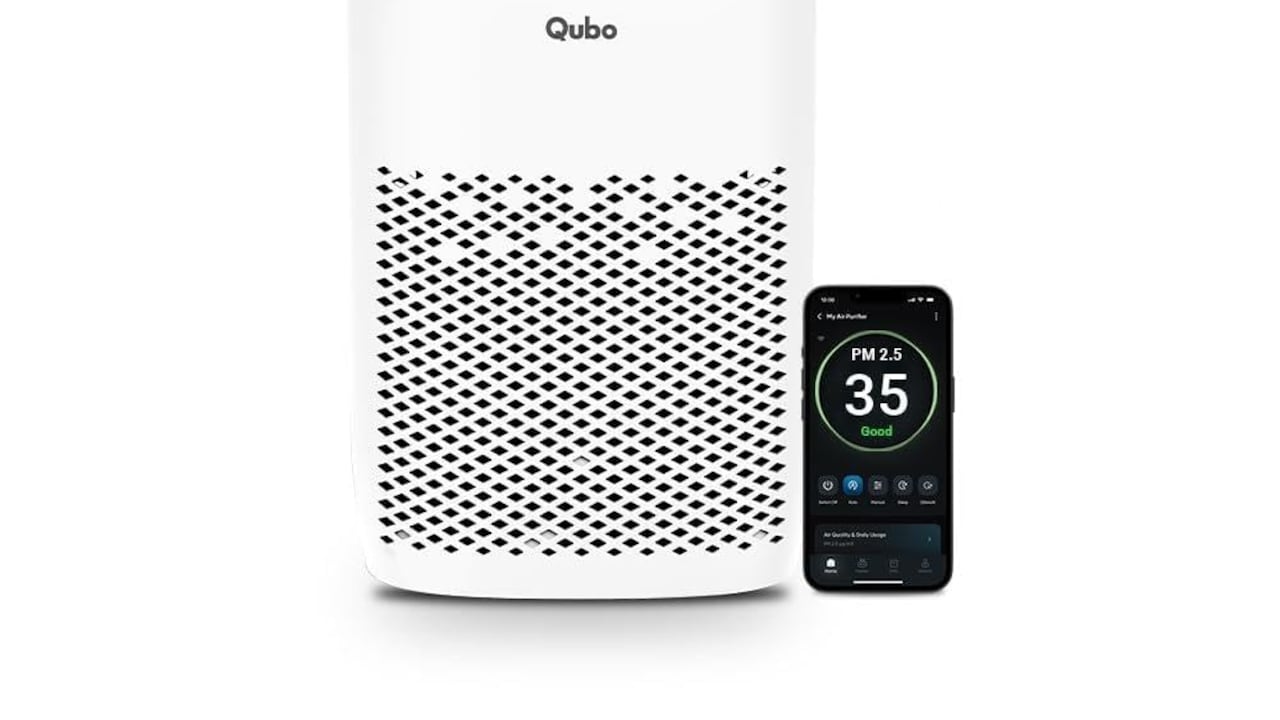
Why Air Purifiers Do Not Work In Some Homes: Placement Mistakes
Air purifiers have become modern household essentials, especially in cities where dust seems to arrive uninvited every single day. Whether it is traffic fumes sneaking through windows, construction debris settling on furniture, or seasonal allergies causing endless sneezing, many families invest in purifiers hoping for immediate relief. Yet reality can feel frustrating. The machine hums away faithfully, filters cost a small fortune, and still the room feels stuffy. For many, this leads to the conclusion that air purifiers simply do not work. In truth, most devices fail not because of poor technology but because of poor positioning.
Placement matters far more than many realise. Air purifiers need proper airflow, strategic positioning, and awareness of surrounding pollutants to perform effectively. A badly placed purifier struggles like a ceiling fan in an open field during summer, technically running, but barely useful.
Understanding these common mistakes can transform an underperforming purifier into a truly effective ally for healthier living.
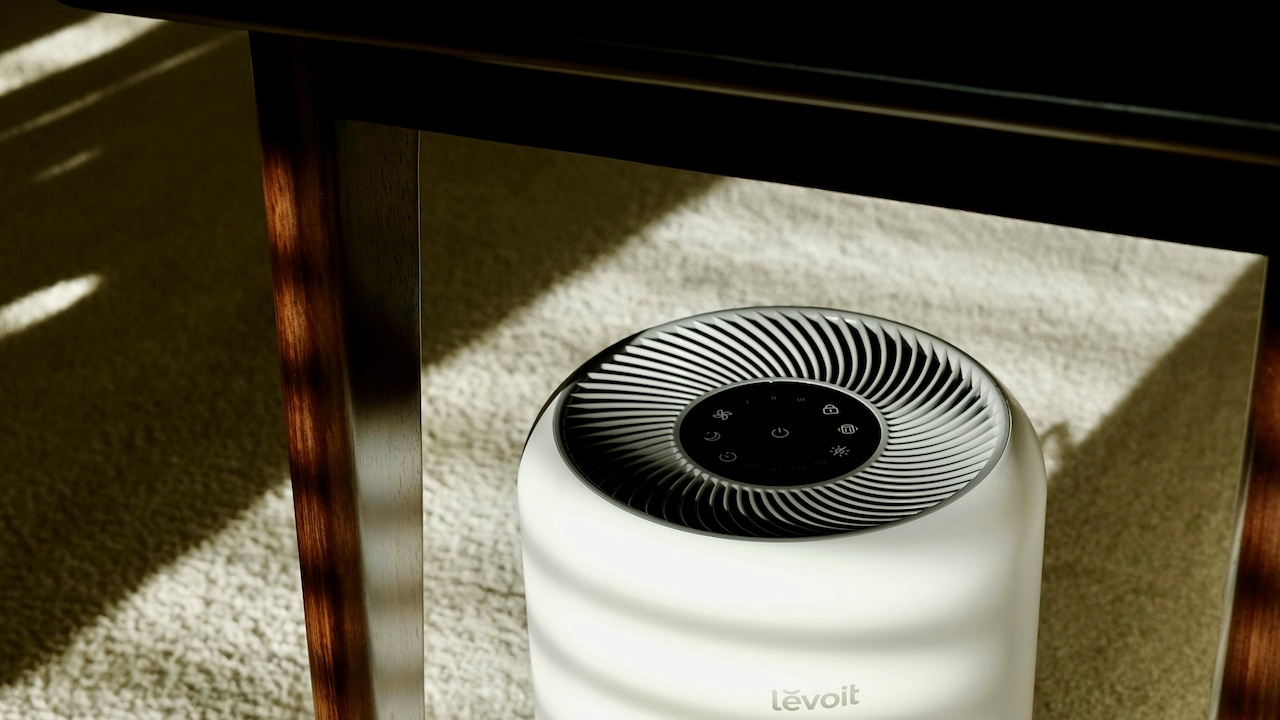
Why Air Purifiers Do Not Work In Some Homes: Placement Mistakes
Photo Credit: Unsplash
Common Placement Mistakes That Reduce Air Purifier Effectiveness
Blocking Airflow With Walls And Furniture
One of the biggest mistakes homeowners make involves pushing air purifiers against walls, tucking them behind sofas, or hiding them beside cupboards to save space. While this may make the room look tidier, it severely limits airflow.
Air purifiers work by pulling in contaminated air, filtering it, and releasing clean air back into the room. When furniture or walls block intake or output vents, circulation drops sharply. Instead of cleaning the entire room, the purifier repeatedly processes the same pocket of air.
Imagine trying to breathe through a scarf wrapped too tightly around the face. That is essentially what happens to the machine.
Many living rooms place expensive purifiers in decorative corners where performance suffers. Ideally, the device needs at least a few feet of open space on all sides. This allows pollutants like dust, pet dander, and smoke particles to flow naturally into the system.
A purifier hidden for aesthetic reasons may preserve room décor, but it sacrifices the very purpose it serves.
Positioning The Purifier Too Close To Pollution Sources
At first glance, placing an air purifier directly beside a window, kitchen stove, or smoking area may seem logical. After all, should it not tackle pollution at the source?
Unfortunately, this strategy often backfires. Constant heavy exposure can overwhelm filters before they effectively circulate clean air throughout the room. For example, positioning a purifier right next to an open window during peak traffic hours means it continuously battles incoming pollutants without improving broader air quality.
Similarly, kitchens produce grease, smoke, and moisture that can clog filters faster than expected. This increases maintenance costs and reduces lifespan.
A purifier functions best when placed strategically within the room, where it can create balanced airflow. It should remain close enough to problem areas to address pollution, but not so close that it becomes overloaded.
Think of it as managing traffic flow rather than parking a police officer permanently in the busiest junction.
Keeping It On The Floor When Elevation Matters
Many people instinctively place air purifiers on the floor, much like a pedestal fan or heater. However, this common habit can reduce effectiveness depending on the room's pollution profile.
Dust often settles lower, but airborne pollutants such as smoke, pollen, and microscopic allergens float at varying heights. Bedrooms, for instance, benefit from purifiers positioned closer to breathing level, particularly near beds.
Placing the unit on a raised platform or sturdy table can significantly improve circulation in certain spaces. This proves especially useful in homes near busy roads where fine particles linger in the air.
Of course, balance remains essential. Positioning the purifier too high may miss heavier particles, while positioning it too low may limit broader coverage.
The key lies in understanding room dynamics. A purifier should target where air pollution actively circulates, not merely where floor space permits.
In many cases, raising the device slightly can create cleaner, fresher air exactly where it matters most.
Using One Purifier For The Entire House
A surprisingly common misconception suggests that one air purifier can clean an entire home, regardless of layout. This belief often leads families to place a single device in a hallway or central location and expect magic.
Sadly, indoor air does not flow so obediently.
Walls, doors, furniture arrangements, and room size all restrict circulation. Bedrooms with closed doors, separate kitchens, or distant study rooms may receive little benefit from a centrally placed purifier.
Even powerful units have coverage limits measured in square feet. Ignoring these specifications results in poor performance and frustration.
For larger homes, strategic room-specific placement works far better. Bedrooms, living spaces, or work areas where people spend the most time deserve priority.
A single purifier in the wrong place can feel like using one mosquito coil for an entire bungalow during monsoon season, hopeful, but unrealistic.
Matching purifier size and placement to actual living patterns ensures cleaner air reaches people where they truly need it.
Ignoring Doors And Windows
An air purifier cannot perform effectively if doors and windows constantly invite outdoor pollution indoors. Yet many households operate purifiers while leaving balcony doors, kitchen windows, or main entrances open for extended periods.
This creates an endless loop of contamination.
The purifier continuously cleans incoming pollutants without ever achieving stable air quality. During high-pollution days, especially in urban centres, this significantly reduces effectiveness while increasing electricity bills.
Placement near frequently opened entry points can worsen the issue by exposing the machine to constant air disruption.
While ventilation remains important, timing matters. Opening windows during lower pollution hours and closing them during peak traffic times helps maintain indoor air quality.
Purifiers work best in controlled environments where they can steadily reduce contaminants rather than chase an endless stream.
Think of it like mopping the floor while someone keeps walking in with muddy shoes. Without controlling the source, results remain disappointing.
Also Read: 5 Air Purifiers For Dust-Prone Homes That Need Real Relief
Placing Purifiers In Humid Or Greasy Areas
Some households position air purifiers in kitchens, bathrooms, or laundry areas, hoping to tackle odours and dampness. Unfortunately, these spaces often challenge purifier performance.
Bathrooms generate excess moisture, which can damage filters and internal components. Kitchens release grease particles that stick to filters, reducing efficiency faster than normal dust.
Air purifiers are not dehumidifiers or exhaust fans. They excel at filtering particles, not managing steam or oil-heavy air.
In homes where cooking aromas dominate, purifier placement should focus on adjacent living spaces rather than directly beside stoves.
Similarly, damp rooms require moisture control first.
Misusing purifiers in unsuitable environments not only limits effectiveness but also leads to costly maintenance. Replacement HEPA and carbon filters already cost enough without unnecessary damage.
Understanding each appliance's purpose prevents disappointment and ensures smarter investments in home air quality.
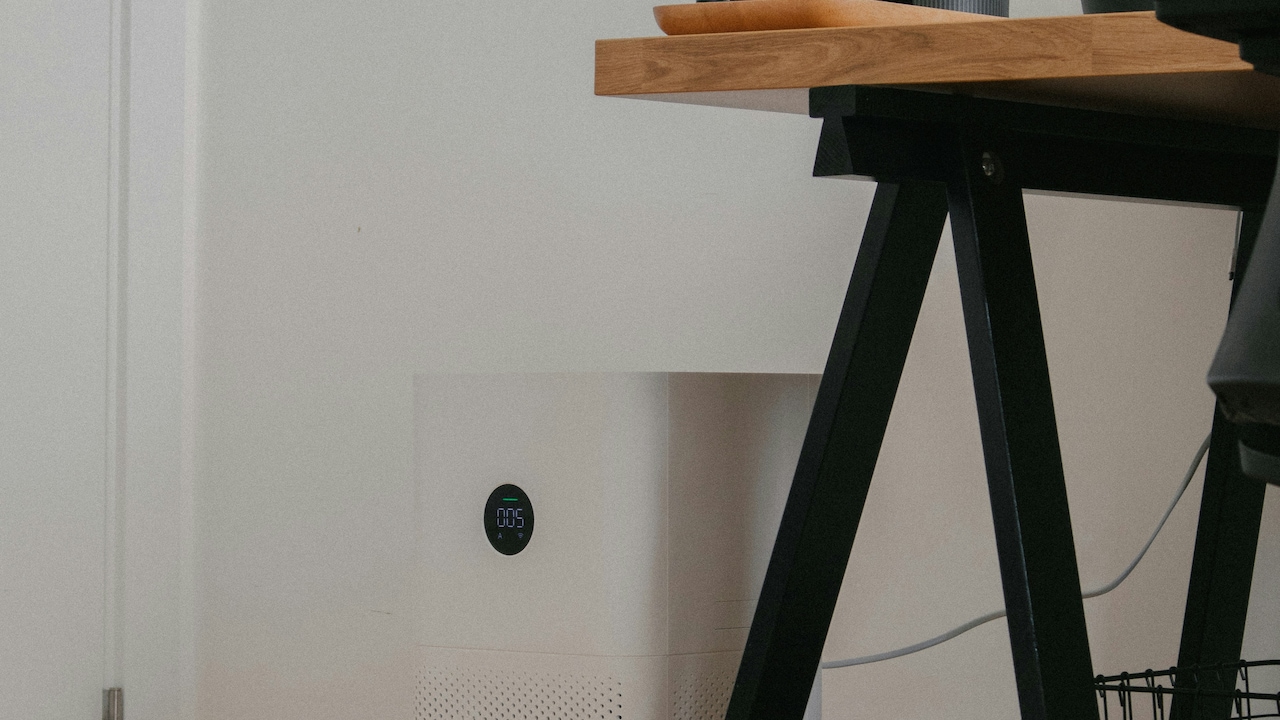
Why Air Purifiers Do Not Work In Some Homes: Placement Mistakes
Photo Credit: Unsplash
Overlooking Bedroom Placement For Night-Time Benefits
Bedrooms often serve as sanctuaries after long, exhausting days. Yet many people place purifiers exclusively in living rooms while ignoring sleeping spaces where clean air matters most.
Night-time exposure to allergens can worsen sneezing, congestion, and poor sleep quality. Dust mites, fabric fibres, and outdoor pollutants often linger in bedrooms, particularly when windows remain partially open.
Positioning a purifier too far from the bed or near obstructed furniture limits its benefits.
Ideally, the unit should sit within a few metres of the sleeping area while maintaining clear airflow. This creates a cleaner breathing zone during sleep.
Given how much time people spend in bedrooms, proper placement here often delivers the most noticeable health improvements.
For allergy sufferers, this can mean fewer morning headaches, less nasal irritation, and genuinely restful sleep.
Ignoring bedroom placement may leave significant health benefits untapped despite owning a quality purifier.
Forgetting Room Size Compatibility
Even the best air purifier struggles when placed in rooms larger than its intended coverage area. Yet many buyers focus on price or design rather than technical specifications.
A purifier designed for a small bedroom may underperform dramatically in a spacious hall.
Large living rooms with high ceilings, open layouts, or connected dining areas require higher Clean Air Delivery Rates (CADR). Without sufficient power, air cleaning remains incomplete and uneven.
Placement cannot compensate for undersized equipment, but poor positioning worsens the issue further.
In expansive rooms, central placement with unobstructed airflow offers the best chance of efficiency. However, realistic expectations remain crucial.
Buying a budget purifier for ₹7,000 and expecting it to clean a large open-plan flat may save money initially, but it often leads to disappointment.
Matching room dimensions with purifier capacity creates better long-term value and healthier indoor spaces.
Neglecting Regular Movement Based On Seasonal Changes
Homes are dynamic environments. Pollution sources shift with seasons, weather, and lifestyle habits. Yet many households place their purifier once and never reconsider.
During winter, closed windows may trap indoor pollutants. Summer may increase dust infiltration from fans and ventilation. Festival seasons can introduce smoke from crackers or incense.
Static placement ignores these changing conditions.
Moving the purifier occasionally to adapt to seasonal needs can improve performance dramatically. During high-smog periods, placing it near main living areas may prove most useful. During allergy seasons, bedrooms may deserve priority. Flexibility matters.
Treating an air purifier as a permanent decorative fixture limits its potential. Like adjusting curtains for sunlight or fans for cooling, purifier placement should evolve with household needs.
Small adjustments can yield surprisingly large improvements in air quality.
Assuming Technology Alone Solves Everything
Modern air purifiers often come packed with smart sensors, app controls, and sleek marketing promises. While these features add convenience, they cannot overcome poor placement.
Technology supports performance, but fundamentals remain essential.
A premium purifier worth ₹35,000 placed incorrectly may perform worse than a modest unit positioned wisely.
Many consumers trust automation too heavily, assuming sensors will compensate for environmental limitations. Yet airflow physics still governs effectiveness.
Understanding room structure, pollution patterns, and daily habits remains just as important as choosing advanced filtration systems.
Cleaner air requires thoughtful integration, not blind faith in gadgets.
Ultimately, successful air purification combines technology with common sense. Proper placement, routine maintenance, and realistic expectations determine whether the investment delivers healthier living or expensive disappointment.
Why Air Purifiers Do Not Work In Some Homes: Placement Mistakes
Photo Credit: Unsplash
Products Related To This Article
1. Coway Airmega 150 (Ap-1019C) Air Purifier For Home
2. Qubo Smart Air Purifier Q200 for Home by Hero Group
3. LEVOIT Core Mini Air Purifier For Coverage Area
4. Honeywell Air Purifier for Home & Office
5. Philips Air Purifier AC2220
Air purifiers can absolutely improve indoor air quality, but only when used intelligently. Many households mistakenly blame the device when placement errors quietly undermine results.
From cramped corners and oversized rooms to humid spaces and poor bedroom strategy, these mistakes reduce efficiency more than most realise.
The good news is that better performance often requires simple adjustments rather than costly upgrades. Moving a purifier into open space, choosing the right room, and adapting placement to household habits can dramatically improve results.
In the end, air purifiers are not miracle machines. They are practical tools that work best when given the right conditions.
For families seeking fresher air, fewer allergies, and healthier homes, understanding placement may be the missing piece that turns frustration into genuine relief.
(Disclaimer: This article may include references to or features of products and services made available through affiliate marketing campaigns. NDTV Convergence Limited (“NDTV”) strives to maintain editorial independence while participating in such campaigns. NDTV does not assume responsibility for the performance or claims of any featured products or services.)