Can A TENS Machine Help With Period Pain At Home
Can a TENS machine help with period pain at home? Learn how it works, its benefits, safety tips, and practical ways to manage cramps effectively at home.

Can A TENS Machine Help With Period Pain At Home
Periods can feel very different from one person to another. For some, it's a manageable inconvenience. For others, it might mean curling up with a heating pad, cancelling plans or trying to keep it together while the cramps hurt too much. As conversations around menstrual wellness become more open, many people are now looking beyond painkillers and trying at-home remedies that feel gentler and more convenient.

Discover how to use a TENS machine safely at home for effective period pain relief; Photo Credit: iStock
One option that keeps showing up on social media and wellness forums is the TENS machine. It's small, portable, and often recommended for muscle pain, but can it actually help with period cramps too? Let's break down how a TENS machine works, whether it can ease period pain at home, and what you should know before trying one.
Also Read: Support Moms In Menopause: Best Foods And Supplements To Grab For Mother's Day 2026
What Is A TENS Machine?
A TENS machine stands for Transcutaneous Electrical Nerve Stimulation machine. That's basically a small electronic device that sends those mild electrical impulses through pads that are attached to the skin, not deep inside. The idea is that these impulses interfere with the pain signals moving toward the brain, and in some cases they may also help the body release endorphins. TENS machines are often used for back discomfort, joint pain, sports recovery, and muscle soreness too.
Can A TENS Machine Help With Period Pain?
Yes, a TENS machine could be helpful with period pain for some people. The gentle electrical pulses sort of distract the nerves, so the pain signals get sent less, or they feel less loud. That way, cramps may feel more manageable, but it's not a true cure for period pain, and what you get out of it depends on how strong the cramps are.
How Does A TENS Machine Work For Cramps?
The sticky pads are usually put on the lower abdomen or on the lower back, where cramps feel strongest. After the machine is turned on, it shoots low-voltage electrical pulses through the skin.
These pulses might help in two different ways, not just one. At first, they can stop pain messages before they even arrive at the brain. They may also boost endorphin production, helping you feel calmer and more at ease.
Most TENS devices let you tune the intensity levels. So people can land on a setting that feels tolerable or comfortable, not painful.
Is It Safe To Use A TENS Machine At Home?
For most healthy adults, TENS machines are usually considered safe when they're used correctly. Still, there are a few things to watch out for.
Try not to place the pads on broken skin, don't put them straight over the spine, and avoid the area near the chest. If someone has a pacemaker, epilepsy, or specific heart issues, it's best to speak with a doctor first. Also, be sure to stick to the steps in the manual and don't run the intensity at extremely high levels.
And if menstrual cramps or period pain suddenly become unusually strong or they change in a noticeable way, it's smart to check in with a healthcare professional.
How To Use A TENS Machine For Period Pain
Step 1: Clean And Dry The Skin
Before attaching the electrode pads, make sure the skin is clean and dry. In case it's a little damp or has sweat, the pads might not stick as well, and it can lower the conductivity. Try not to use lotions or oils in that same zone, where the electrode pads are going to sit; just keep it bare.
Step 2: Place The Pads Correctly
Most people place the pads on the lower abdomen or lower back, depending on where the cramps feel strongest. Keep the pads slightly apart instead of touching each other directly. Make sure you always follow the placement instructions that come with your device.
Step 3: Start With A Low Intensity
Turn the machine on at the lowest setting. The sensation should feel like a mild tingling or pulsing. Then you can slowly ramp up the intensity until it feels comfortable and effective. Don't rush; just go gradually.
Step 4: Use It For Short Sessions
Many users keep the device on for around 20 to 30 minutes at a time. You can even use some portable models discreetly while working or relaxing at home. Stop immediately if the sensation feels uncomfortable or irritating.
Step 5: Pair It With Rest Or Heat Therapy
Some people feel better relief when using a TENS machine, along with a heating pad, a warm bath, and some light stretching too. When you blend these different comfort methods, the body seems to relax more during those painful cramps.
Step 6: Stay Hydrated During Your Period
Drinking enough water during your period may help reduce bloating and muscle tension. While hydration by itself might not stop cramps, it can still help with general comfort and make the body seem less sluggish.
Step 7: Clean The Pads After Use
After each session, gently peel off the adhesive pads and put them in a safe place. Try to keep the pads clean so they can last longer and maintain solid skin contact for later use.
Step 8: Monitor How Your Body Responds
Pay attention to how the TENS device truly helps your cramps over time. If you start noticing irritation, unease, or basically no improvement after a few cycles, then it's worth trying another approach, or speaking with a healthcare professional, instead.
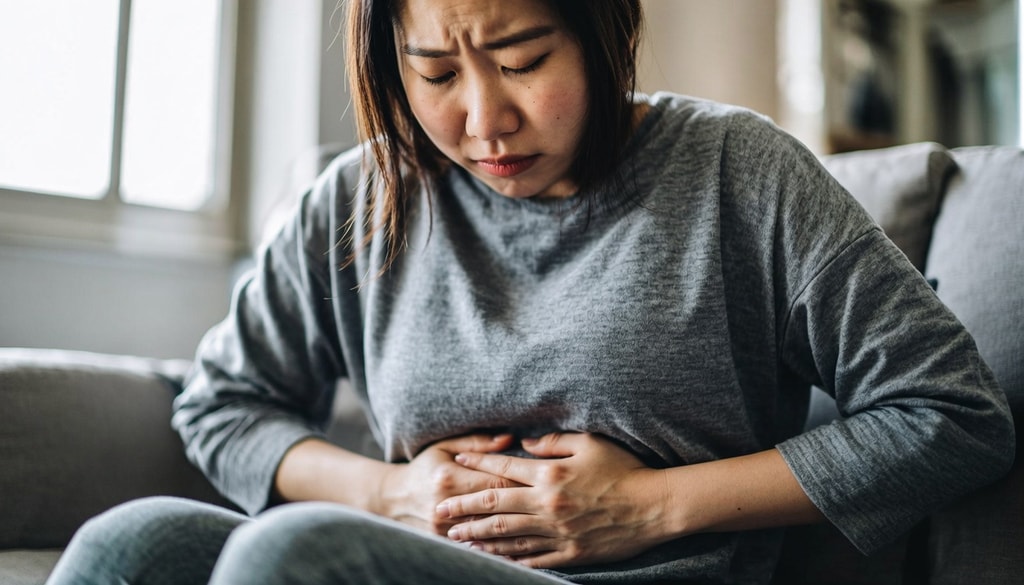
Practical ways and safety tips to manage your menstrual cramps using a home TENS machine; Photo Credit: iStock
Are There Any Benefits Beyond Pain Relief?
One reason that a lot of people like TENS machines is that they give a no-drug approach to managing discomfort. For some, this is useful, especially if they cannot take certain pain medications regularly or they just prefer natural ways. Portable TENS devices are also compact and reusable, making them suitable for everyday use or travel.
Some TENS Machine Products You May Like
1. Beurer Pain Relief Products With Reliable German Technology
2. UltraCare PRO TENS 1.0 TENS Machine for Pain Relief
3. PHYSIOTREX Professional Ultrasound/Ultrasonic with TENS Machine
4. MEDITIVE 24 Modes Tens Unit Rechargeable Pain Relief
5. Physiowell TENS & MS Combo Physiotherapy Machine
6. Physiogears 4 Channel Corded Electric Tens
7. AGARO Battery-Powered Tens Massager Pads
A TENS machine sends gentle pulses that help calm pain and ease cramps so you can rest, work, or go about your day. Small, light, and battery-powered, it fits in your bag and works at home, in the office, or while you travel. Do not let pain take over your month. Shop now on Amazon, pick one that suits you, and take back your comfort today.
Frequently Asked Questions (FAQs)
1. Can I use a TENS machine every day during my period?
Yes, a lot of people use it every day during those painful periods. Just stick to the recommended session timing and try not to overuse the high-intensity settings too much.
2. Does a TENS machine completely stop period cramps?
Not always; it might lower the intensity of cramps, but the amount of relief can vary from person to person.
3. Can teenagers use a TENS machine for period pain?
Teenagers can use it too, but it's better to talk to a healthcare professional first, especially if they have some underlying conditions that could complicate things.
4. Is a TENS machine better than a heating pad?
Both can help in different ways. Some people prefer a TENS machine while others find a heating pad more soothing. A few also mix them both, like using one, then the other.
5. When should I avoid using a TENS machine?
Try not to use it if you've got a pacemaker, specific heart conditions, epilepsy, or irritated skin in the treatment area, unless advised by a doctor.
(Disclaimer: This article may include references to or features of products and services made available through affiliate marketing campaigns. NDTV Convergence Limited (“NDTV”) strives to maintain editorial independence while participating in such campaigns. NDTV does not assume responsibility for the performance or claims of any featured products or services.)