Support Moms In Menopause: Best Foods And Supplements To Grab For Mother's Day 2026
This Mother's Day, go beyond traditional gifts and support moms in ways that ensure their well-being. Explore different foods and supplements to support the menopause phase for a stronger and healthier future.

Foods and supplements that can help women dealing with menopause
Mother's Day celebration has always been about bouquets, cakes, and gifts. It's a special occasion for expressing gratitude through small gestures. But in 2026, it's high time to move beyond the basics and step into intentional care. For mothers worldwide, ageing doesn't limit to saggy skin, grey hair, and constant tiredness. Instead, it involves menopause, a biological phase that reshapes their body system. So, if you want your Mother's Day 2026 celebration to revolve around science, nutrition, and well-being, here's how you can support it with the best foods and supplements.

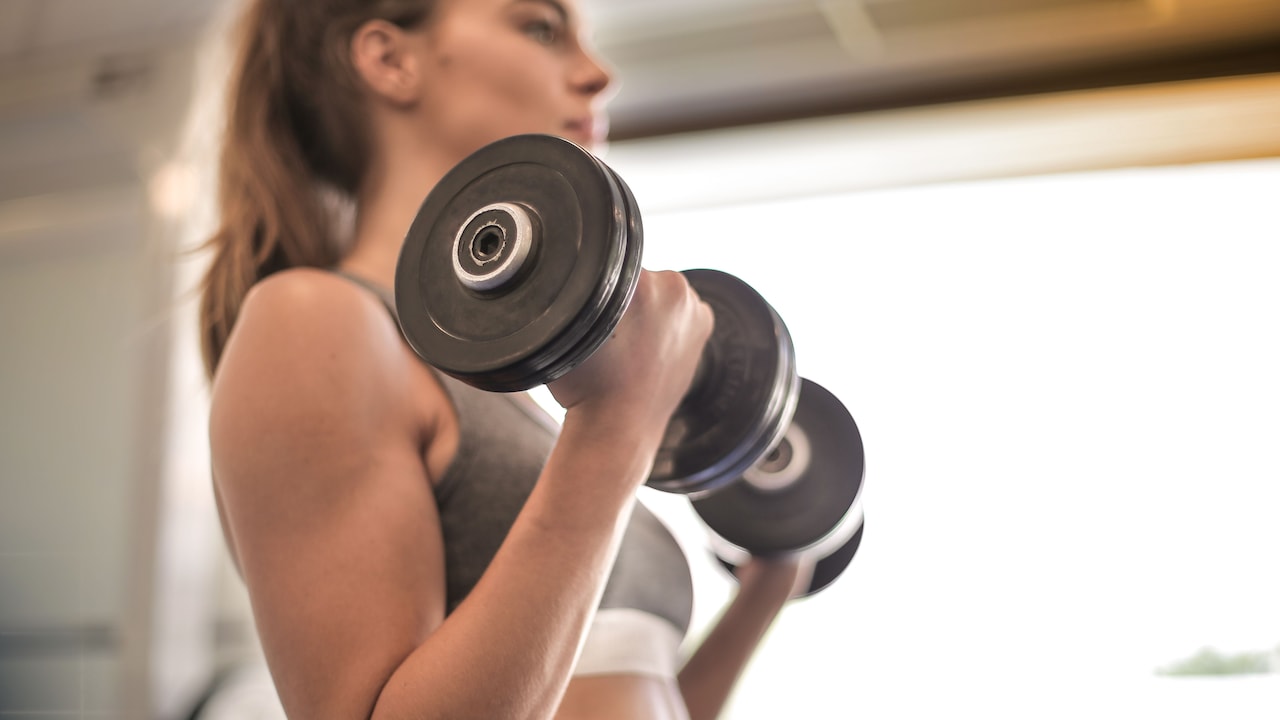
Tips to support health and wellness of moms dealing with menopause; Photo Credit: Pexels
Despite affecting half the population, menopause isn't discussed enough. It doesn't just stop periods, but affects confidence, stress levels, mood, and other things. Many mothers battle with this natural transition without asking for help. Luckily, choosing the right foods and supplements can improve her quality of life. Here is a detailed breakdown of menopause and how nutrition plays a crucial role.
Also Read: Mother's Day 2026: 10 Home Decor Gifts That Will Instantly Win Your Mom's Heart
What Is Menopause?
Menopause is a natural stage in every woman's life. It is marked by the permanent end of menstrual cycles. Generally occuring between the ages of 45 and 55, menopause signals your ovaries to stop producing key reproductive hormones. Females who experience menopause before the age of 45 are said to have an early or premature menopause.
Stages Of Menopause
Menopause isn't an overnight change in hormones but a gradual biological transition. Instead, it is observed in three stages, each with a set of challenges and symptoms. Understanding these phases can help women prepare accordingly.
1. Perimenopause: This is the early stage leading to menopause and can last for many years. During this time, ovaries start producing less estrogen, leading to symptoms like irregular periods.
2. Menopause: This is the stage when you no longer experience periods. At this point, your ovaries stop releasing eggs and you may go through 12 consecutive months without having a period cycle.
3. Postmenopause: Postmenopause stays throughout your life and is the stage when you experience mild menopausal symptoms.
Effects Of Menopause
During this transition, menopause results in a dramatic decline in the production of estrogen and progesterone. This leads to a mix of physical and emotional changes in women. Although these shifts can vary from person to person, here are the most commonly observed effects:
- Changes in menstrual cycle including irregular and shorter period.
- Hot flashes and heavy night sweating despite the weather outside.
- Loss of bladder control and sudden urge to urinate while sneezing, laughing, or exercising.
- Difficulty in sleeping peacefully or waking up frequently throughout the night.
- Feeling extra tired, restless, and irritable all the time.
In simple words, menopause results in a full-body transformation. And that's why eating right foods and nutrition becomes essential and not optional.

Menopause can result in physical and emotional symptoms; Photo Credit: Pexels
Everyday Foods For Menopause That Can Help
A balanced diet consisting of fresh fruits, veegtables, and whole grains is important for good health. However, these things become even more crucial during menopause. As certain hormones decline, your body starts demand different nutrients. Similarly, you may witness a change in your muscle mass, bone density, energy, mood, and metabolism. Luckily, including specific foods in your diet can make this transition easier.
1. Protein-Rich Foods
Women going through menopause should eat a protein-rich diet everyday. This can help deal with the decrease in muscle mass and bone strength caused by a decline in estrogen.
- Eggs
- Meat
- Fish
- Legumes
- Dairy Products
2. Soy-Based Foods
Several soy-based food are naturally packed of phytoestrogens, plant-derived compounds that mimic estrogen in your body. Including them in your diet may improve overall health and ease down symptoms.
- Soybeans
- Peanuts
- Flaxseed
- Chickpeas
- Tofu
- Berries
3. Dairy Products
Dairy products which are full of Vitamin D and calcium can improve bone health in women dealing with menopause.
- Milk
- Yoghurt
- Cheese
4. Healthy Fats
- Fish
- Flaxseeds
- Chia seeds
- Nuts
Foods To Avoid In Menopause
Let's be honest, menopause is completely natural and impossible to escape from. However, limiting the consumption of certain food items can result in less severe symptoms. This includes:
- Highly processed snacks
- Sugary drinks
- Alcohol
- Caffeine
- High salt foods
Get Additional Help With Supplements
Between juggling home, work, and everything in between, eating a balanced diet can feel impossible. And that's where supplements come in. They provide additional assistance and bridge nutritional gaps gradually. But buying randomg supplements cannot guarantee results. For women dealing with menopause, here are a few things that can help:
1. Carbamide Forte Vitamin D Tablets
These are plant-based Vitamin D K2 tablets that get absorbed faster than other types. They are vegan, unflavoured, and gluten-free as well. Derived from lichen, these tablets can support good bone and heart health.
2. TATA 1mg Calcium & Vitamin D3 supplement
This supplement presents a mix of calcium, Vitamin D3, Vitamin K2-7, magnesium, and zinc. From supporting healthy bones and muscles to promoting growth, these tablets offer various benefits. Moreover, they also feature a high asborption rate.
3. Wellcore Pure Micronised Creatine Powder
This is unflavoured creatine powder which boosts muscle strength and growth. It also reduces fatigue and keeps you energised.
4. Carbamide Forte Chelated Magnesium Glycinate Supplement
These magnesium tablets calm brain and improve sleep quality, so you can have uninterrupted peaceful nights. They are unflavoured, vegetarian, and free from preservatives.
5. Centrum Women -Multivitamin Tablet
The Centrum Women multivitamin tablets consist 23 different nutrients to boost immunity, energy, and overall health. They are plant-based, gluten free, and do not contain artificial sweeteners.
6. Neuherbs Deep Sea Omega 3 Fish Oil Capsules
These fish oil capsules reduce inflammation, bad cholesterol, and triglycerdies. They improve heart, brain, and joint health without leaving a fishy aftertaste.
Additional Tips To Deal With Menopause
- Eat a healthy and balanced diet
- Exercise regularly and do weight training
- Get plenty of rest and sleep
- Reduce caffeine intake
- Dress in comfortable layers that are easy to take off during hot flashes
- Limit the consumption of spicy foods
- Practice yoga and meditation for stress management
Mother's Day gifts don't always have to revolve around fashion, beauty, and fancy dates. Instead, you can support the changing needs of her body with age. From experiencing hot flashes to feeling constantly tired, getting the right diet and supplements can nourish her body and support good health. So this Mother's Day, remind your mom that she doesn't have to go through all this alone.
Frequently Asked Questions (FAQs)
1. What not to eat when menopausal?
During menopause, limit caffeine, alcohol, processed snacks, and sugary drinks that can worsen symptoms.
2. What are the best foods for menopause symptoms?
Foods rich in calcium, vitamin D, Omega-3s, and healthy fats can help manage menopause symptoms.
3. How to deal with a menopausal wife?
Be patient, offer emotional support, and educate yourself about the symptoms to help her during this biological transition.
4. What are early signs of menopause?
Early signs of menopause include irregular periods, hot flashes, night sweats, and sleep disturbances.
5. What happens during menopause?
During menopause, the body faces a sharp decline in estrogen production. This affects bone health, hormones, mood, and sleep as well.
(Disclaimer: This article may include references to or features of products and services made available through affiliate marketing campaigns. NDTV Convergence Limited (“NDTV”) strives to maintain editorial independence while participating in such campaigns. NDTV does not assume responsibility for the performance or claims of any featured products or services.)