Does A Finer Setting Always Mean A More Even Grind? 10 Coffee-Grinder Myths Explained
Does a finer grind really mean better coffee? This article busts 10 common coffee-grinder myths, from grind size and burrs to freshness, cleaning and price, so you can make smarter adjustments and brew a more balanced cup.
Does A Finer Setting Always Mean A More Even Grind? 10 Coffee-Grinder Myths Explained
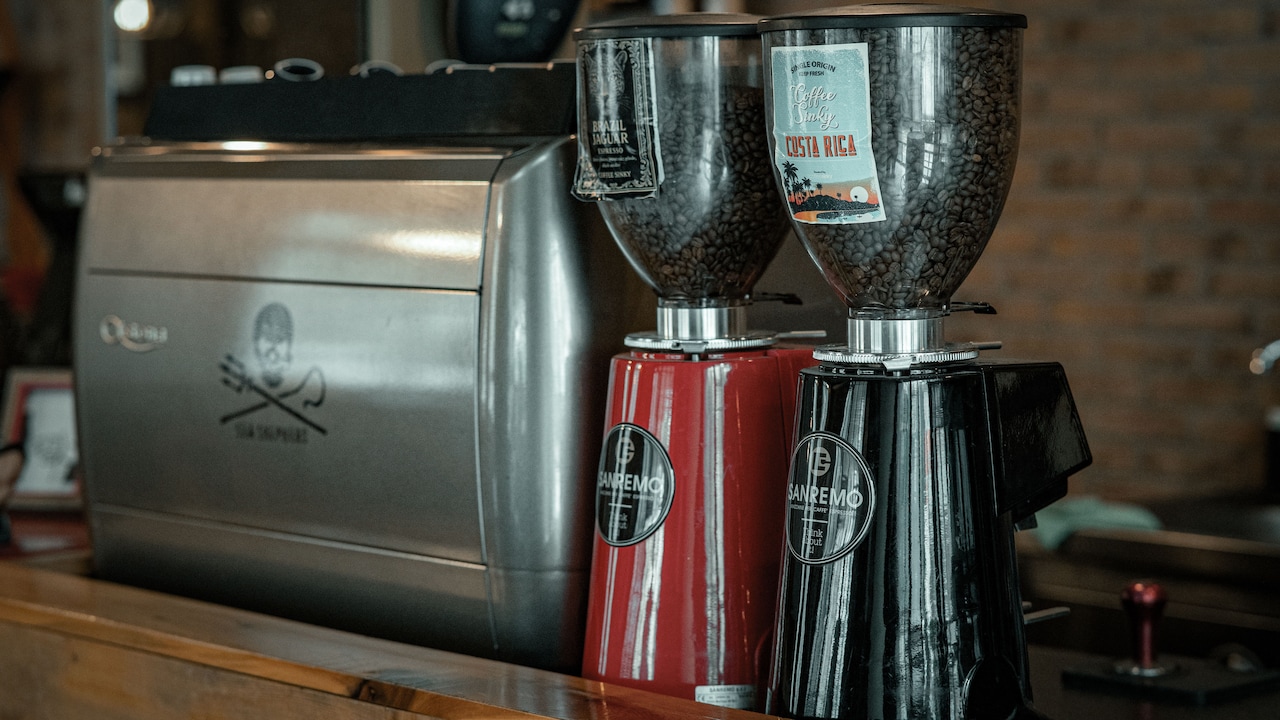
Good coffee often starts long before hot water touches the grounds. The grinder plays a starring role, quietly deciding how quickly flavour leaves each coffee particle and enters the cup. That sounds straightforward until grinder advice starts flying around. Set it finer for stronger coffee. Buy more blades for a better grind. Keep the beans in the hopper because grinders store them safely. Spend ₹30,000 and every brew will suddenly taste like something from a speciality café. Coffee rarely works in such neat equations.
Does A Finer Setting Always Mean A More Even Grind? 10 Coffee-Grinder Myths Explained
Photo Credit: Pexels
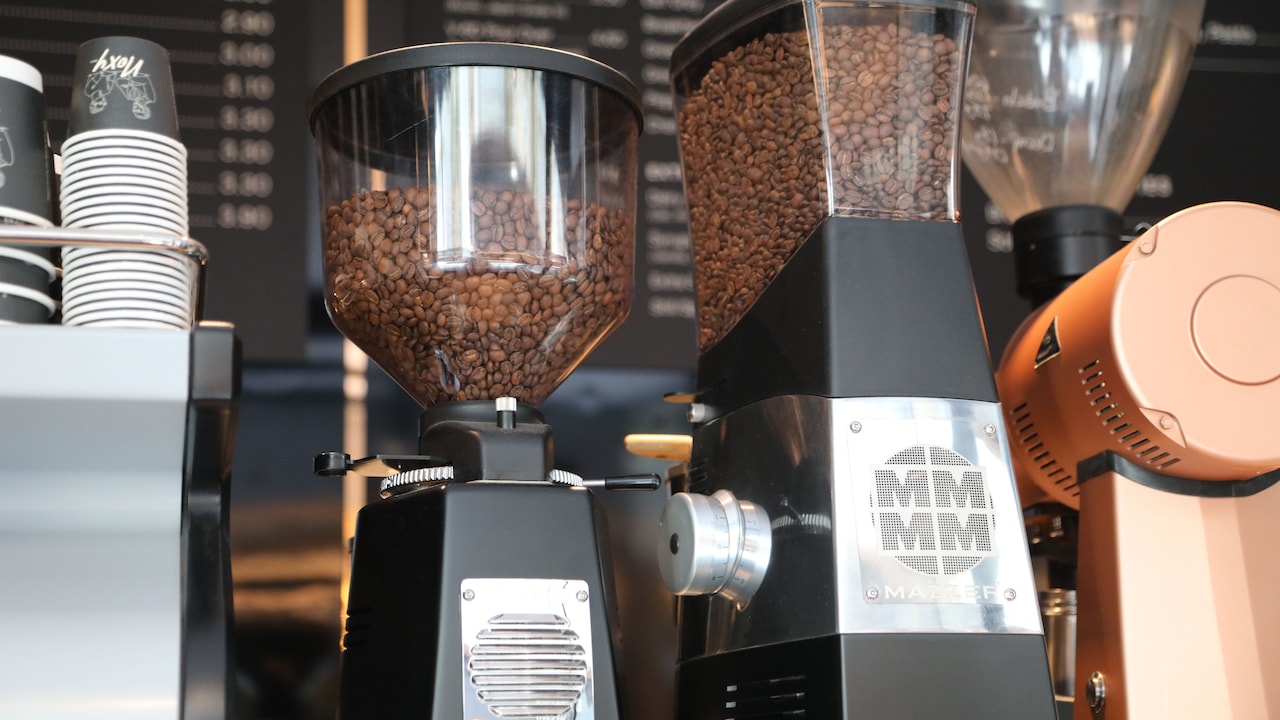
Grind quality depends on particle consistency, burr design, alignment, brewing method, bean characteristics and even how the grinder handles static. One setting that produces a lovely espresso today might choke the machine with a different coffee tomorrow.
So, before turning that adjustment dial with unnecessary confidence, it helps to separate useful principles from well-brewed fiction.
The Truth Behind Common Coffee-Grinder Beliefs
1. Myth: A Finer Setting Always Produces A More Even Grind
It sounds logical. If a grinder crushes coffee into smaller pieces, surely those pieces become more uniform too. Unfortunately, particle size and particle consistency are different things.
Turning the dial finer simply asks the grinder to produce smaller grounds. It does not guarantee that every particle will suddenly become identical. Depending on the burrs, alignment and beans, grinding very fine can create plenty of powder-like particles known as fines alongside larger fragments.
Those differences matter during brewing. Tiny particles release flavour quickly, while larger ones extract more slowly. When both appear in large quantities, the cup can taste bitter and oddly weak at the same time.
Picture crushing biscuits for cheesecake. Pressing harder may create more powder, but a few stubborn chunks can still survive.
A good grinder aims for a relatively narrow spread of particle sizes at the setting required for the brewing method. That matters far more than simply chasing the finest possible setting.
Finer, in other words, means smaller. It does not automatically mean more even.
2. Myth: More Expensive Grinders Always Make Better Coffee
Price matters in coffee equipment, but it does not work like a magical flavour subscription.
A grinder costing ₹40,000 may offer excellent burrs, quieter operation, precise adjustments and impressive consistency. Yet buying one does not guarantee a delicious cup. A modest grinder used correctly can easily outperform an expensive model paired with stale beans, unsuitable settings or sloppy brewing.
Higher prices also pay for features beyond grind quality. Premium materials, digital controls, dosing systems, low-retention designs and polished finishes can all push the bill upwards.
The better question is not, “What is the most expensive grinder?” It is, “What suits the coffee being brewed?”
Someone making French press every morning may not need microscopic espresso adjustments. An espresso enthusiast, meanwhile, may find those tiny adjustments essential.
Budget should follow brewing needs rather than coffee-shop envy.
A grinder becomes good value when it produces consistent grounds at the required sizes, adjusts reliably and fits comfortably into everyday routines. Spending ₹8,000 on the right grinder can make far more sense than spending ₹35,000 on features that rarely leave the box.
Also Read: Kitchen Barista Kit: Solimo, Agaro To Pigeon - 10 Essentials for Perfect Home Coffee
3. Myth: Blade Grinders And Burr Grinders Work Basically The Same Way
Both machines turn coffee beans into smaller pieces. That is roughly where the similarity ends.
A blade grinder chops beans using fast-spinning blades. The coffee repeatedly tumbles into their path until someone stops the motor. Some pieces become powder while others remain chunky, particularly when grinding for longer.
A burr grinder takes a different approach. Two abrasive surfaces crush beans as they pass through a controlled gap. Changing that gap adjusts the grind size.
That mechanical difference makes burr grinders much easier to control.
Think of chopping onions randomly with a spinning fan versus feeding them through a carefully spaced cutter. Both approaches make the onion smaller, but only one offers much hope of consistency.
Blade grinders can still serve a purpose, especially when budgets remain tight. A short, pulsing technique can reduce some unevenness. However, anyone who regularly notices sour, bitter or unpredictable brews may find the grinder holds more responsibility than expected.
For coffee, control matters. Burrs usually provide much more of it.
4. Myth: One Grind Setting Works For Every Coffee
Finding the “perfect” grinder number feels satisfying. Sadly, coffee refuses to respect permanent settings.
Beans change. A dense, lightly roasted coffee from one region may behave very differently from a darker roast with a more brittle structure. Age also matters. Coffee releases gases and changes after roasting, which means the setting that worked beautifully last week may need adjustment today.
Weather can join the drama too, particularly with espresso. Changes in humidity and temperature can affect how beans grind and how water moves through the coffee bed.
This does not mean turning breakfast into a laboratory experiment.
Small adjustments usually do the job. If espresso races through and tastes sharp, a finer setting may slow it down. If a pour-over drains painfully slowly and tastes dry or bitter, grinding slightly coarser can help.
Treat the grinder dial more like a volume knob than a light switch. It exists for regular adjustment.
The goal is not to discover one sacred number and protect it forever. The goal is to respond to what the coffee actually does.
5. Myth: A Coarser Grind Always Makes Weak Coffee
Coarse grounds often appear in lighter-tasting brewing methods, so the association makes sense. Yet grind size does not decide strength on its own.
Coffee strength largely reflects how much dissolved coffee ends up in the water. Dose, water quantity, brewing time, agitation and grind size all influence that result.
Take a French press. Its grounds look dramatically coarser than espresso grounds, yet a generous coffee dose and several minutes of steeping can produce a rich, full cup.
Espresso uses fine grounds partly because water spends very little time in contact with the coffee. The finer particles offer more accessible surface area, allowing extraction to happen quickly.
This distinction between strength and extraction causes endless confusion. A cup can taste strong yet bitter from excessive extraction. Another can taste concentrated but unpleasantly sour because water failed to extract enough desirable compounds.
Grind size works as one lever among several.
So, reaching automatically for a finer setting whenever coffee tastes weak can create a new problem instead of fixing the original one. Sometimes the answer lies in adding more coffee, changing the ratio or extending brewing time.
6. Myth: Freshly Ground Coffee Stays Fresh For Hours
Grinding coffee creates one of life's nicest kitchen smells, but that aroma comes with a catch. Many of those fragrant compounds become easier to lose once the bean breaks apart.
Whole beans protect their interiors surprisingly well. Grinding dramatically increases the surface area exposed to oxygen. Aromatic compounds begin escaping quickly, while oxidation gradually changes the coffee's flavour.
That does not mean a cup becomes undrinkable ten minutes after grinding. Coffee enthusiasts sometimes turn freshness into an unnecessary stopwatch competition.
Still, grinding close to brewing generally produces livelier results.
The difference becomes especially noticeable when comparing coffee ground several hours earlier with coffee ground moments before brewing. Freshly ground beans often smell brighter and offer clearer flavours.
That makes pre-grinding an entire week's supply less appealing, even if it saves a few minutes on busy mornings.
Grinding each dose takes little time and gives the beans fewer opportunities to lose character. When spending ₹500 or ₹800 on a good bag of coffee, letting much of its aroma disappear inside a container feels like buying crispy samosas and deliberately leaving the packet open.
Does A Finer Setting Always Mean A More Even Grind? 10 Coffee-Grinder Myths Explained
Photo Credit: Pexels
7. Myth: Keeping Beans In The Grinder Hopper Is Perfectly Fine
A hopper looks like storage because it holds beans. Its real job, however, is feeding them into the grinder.
Leaving coffee there for days exposes it to conditions that freshness dislikes. Many hoppers are transparent, allowing light to reach the beans. They rarely seal completely against air, and kitchens can become warm, particularly near ovens, windows or enthusiastic afternoon sunshine.
The hopper works perfectly well when beans will disappear quickly. A busy café can refill one repeatedly during the day without worrying about long storage.
At home, the situation changes.
Someone brewing one or two cups daily may leave the same beans sitting there for a week. Keeping the main supply in a properly sealed container away from heat and direct light usually makes more sense.
Then comes the charming ritual of weighing a dose, tipping it into the grinder and brewing immediately.
It also makes switching coffees easier. Nobody wants to excavate yesterday's dark roast from the hopper just because a fruity new bag has arrived.
A hopper should feed the grinder, not moonlight as a long-term coffee cupboard.
8. Myth: Grinder Numbers Represent Universal Grind Sizes
A setting marked “10” sounds reassuringly precise. Unfortunately, it means almost nothing outside that particular grinder.
Manufacturers use their own adjustment systems. Setting 15 on one model might suit espresso, while another grinder may use 15 for filter coffee. Even two units of the same model can differ slightly because of calibration, burr wear or manufacturing tolerances.
This makes online recipes slightly tricky.
When a recipe says “grind at setting 18”, treat that figure as useful only if the author uses the same grinder. Otherwise, descriptions such as fine, medium-fine or coarse offer a better starting point.
Even those descriptions remain approximate.
The brew itself provides better clues. Watch how quickly water passes through a pour-over. Check how long an espresso shot takes. Most importantly, taste the result.
Coffee does not know what number appears on the grinder dial.
Think of the markings as coordinates for finding a setting again rather than universal measurements. Once a particular coffee tastes great at 22 on the home grinder, that number becomes useful. On somebody else's machine, it may tell an entirely different story.
9. Myth: Cleaning A Grinder Is Optional
Coffee may smell wonderful, but the oils and tiny particles it leaves behind eventually become less charming.
Ground coffee can hide around burrs, chutes and internal surfaces. Over time, those remnants grow stale. Oily dark-roasted beans can leave particularly noticeable residue.
A neglected grinder may then introduce old flavours into fresh coffee. Build-up can also affect performance by restricting movement or altering how grounds exit the machine.
Cleaning does not need to become a Sunday engineering project.
Regularly brushing accessible areas and following the manufacturer's cleaning instructions can prevent most trouble. Always unplug an electric grinder before working around its burrs, and avoid introducing water into areas not designed for it.
How often cleaning becomes necessary depends on usage and coffee style. Someone grinding several doses every day will need more frequent attention than an occasional weekend brewer.
The easiest clue often comes from sight and smell. Visible residue or stale aromas deserve attention.
A clean grinder will not rescue poor beans, but dirty equipment can certainly dull good ones. That makes cleaning less glamorous than buying new gear, yet far more useful than many upgrades.
10. Myth: The Grinder Alone Determines Coffee Quality
Grinders receive enormous attention because they genuinely matter. Yet they cannot carry an entire cup on their burrs.
Great coffee needs several elements to cooperate. Fresh beans, suitable water, sensible ratios, steady temperatures and good technique all influence the final flavour.
Even an exceptional grinder cannot make badly stored coffee taste freshly roasted. Nor can perfectly uniform grounds rescue a pour-over drowned in far too much water.
This is useful news for anyone worried about building a ₹1 lakh coffee station before making an enjoyable morning brew.
Start with the weakest link.
If coffee comes pre-ground and tastes flat, a grinder could create a noticeable improvement. If the grind already looks consistent but every cup tastes harsh, water temperature or brewing technique may deserve attention instead.
Coffee rewards balance more than obsession.
A grinder acts like an important member of a cricket side: capable of changing the match, but still dependent on the rest of the team. Good brewing comes from making several sensible choices work together, not expecting one shiny appliance to perform miracles before breakfast.
Does A Finer Setting Always Mean A More Even Grind? 10 Coffee-Grinder Myths Explained
Photo Credit: Pexels
Products Related To This Article
1. Supvox Manual Coffee Grinder SUS Metal CNC Grind Burr
2. InstaCuppa Manual Coffee Bean Grinder with 40 Adjustable Grind Settings
3. AGARO Elite Manual Coffee Grinder, Ceramic Grinder with Glass jar
4. HEYCOME Electric Coffee Grinder Spice & Coffee Bean Grinder Stainless Steel
5. Even Manual Coffee Grinder, Stainless Steel, Adjustable Ceramic Burr Mill
6. AGARO Grand Electric Coffee Grinder, Stainless Steel Blades
7. SHARDOR Electric Coffee Grinder | Portable Electric Dry Spice
Coffee-grinder myths survive because simple rules feel wonderfully convenient. Finer means better. Expensive means superior. One setting should work forever. Unfortunately for neat kitchen wisdom, coffee prefers context.
The best grind depends on the brewing method, beans, equipment and desired flavour. Consistency matters, but so does knowing when to adjust. Freshness helps, maintenance matters and even excellent burrs cannot compensate for every mistake elsewhere in the brewing process.
None of this needs to turn the morning cup into a chemistry examination. A little curiosity goes a long way. Change one variable, taste the result and pay attention to what improves. The grinder dial should feel like a useful tool rather than a combination lock guarding the secret to good coffee. And if setting 17 makes today's cup delicious, enjoy it. Just do not be too surprised when tomorrow's beans ask for 18.
(Disclaimer: This article may include references to or features of products and services made available through affiliate marketing campaigns. NDTV Convergence Limited (“NDTV”) strives to maintain editorial independence while participating in such campaigns. NDTV does not assume responsibility for the performance or claims of any featured products or services.)