Digital Vs Traditional Locks: Which Is Better For Single Occupancy Flat Security?
Choosing between digital and traditional locks affects safety, convenience, and cost. This guide compares both options to help single occupants secure their flats with confidence and ease.
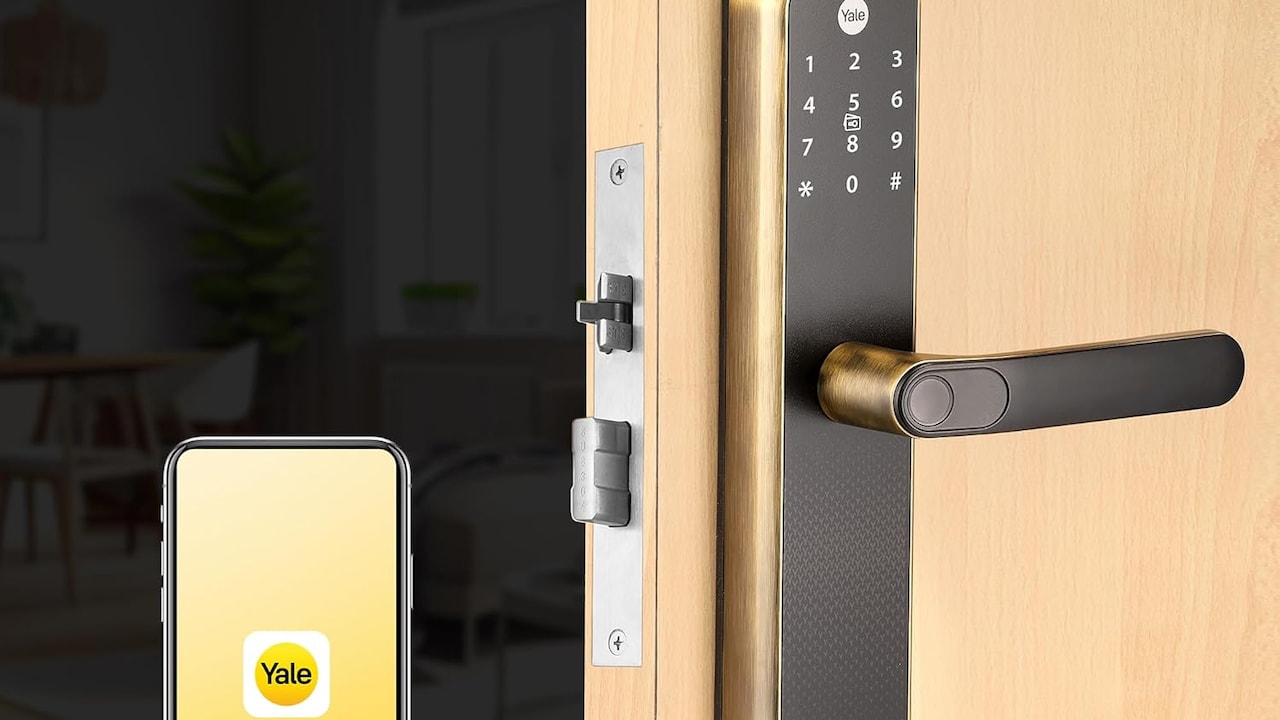
Digital Vs Traditional Locks: Check Out These Pros And Cons For Secure Single Occupancy Flats.
A quiet evening, a locked door, and the comfort of knowing everything is secure inside. For anyone living alone, that feeling matters more than most realise. A flat is not just a place to sleep; it becomes a personal sanctuary, a workspace, and sometimes even a refuge from a chaotic world outside.
The humble lock, often overlooked, plays a starring role in this sense of security. Yet, with technology stepping into everyday life, locks are no longer limited to keys and metal bolts. Digital locks, with their sleek designs and keypad entries, promise convenience and modern security. Traditional locks, on the other hand, carry the weight of familiarity and trust built over decades.
The real question is not which is better in general, but which fits better into the rhythm of a single occupant's life. From late-night food deliveries to unexpected power cuts, every little detail shapes this choice. Let's explore the pros and cons of both systems through a closer, more practical lens.
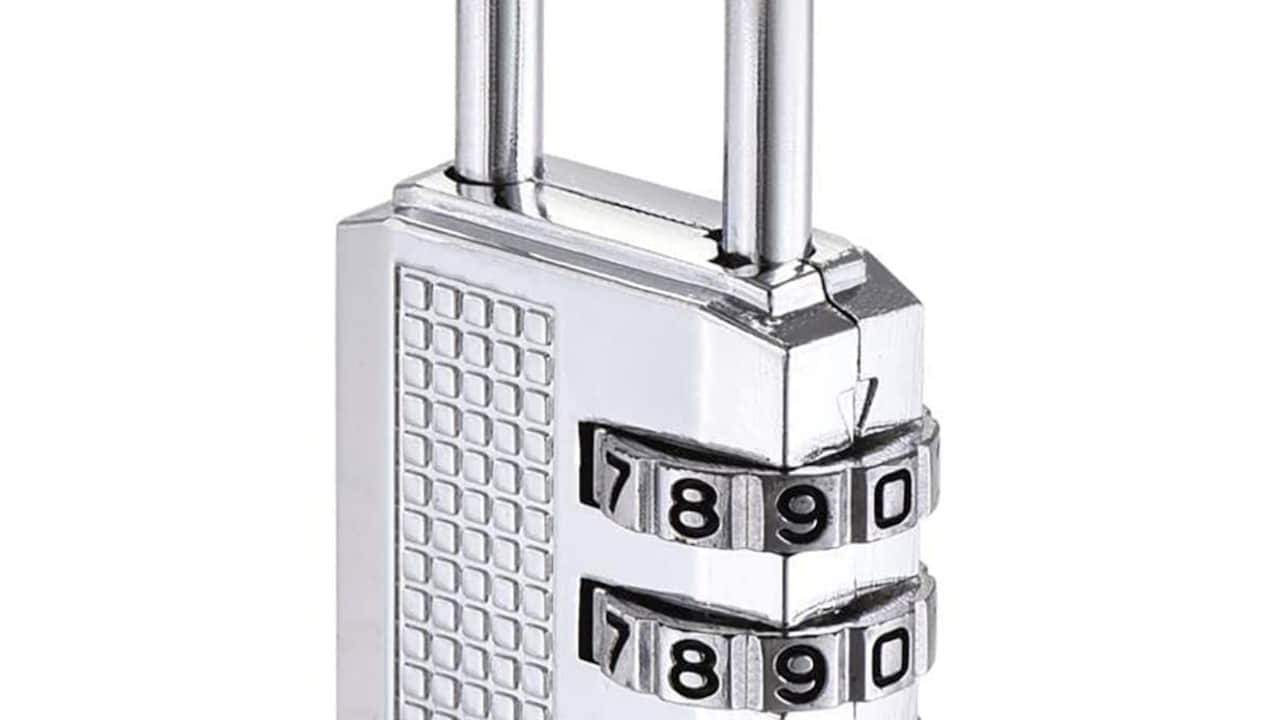
Digital Vs Traditional Locks: Pros And Cons For Secure Single Occupancy Flats
Photo Credit: Amazon
Understanding The Real Differences Between Digital And Traditional Locks
Convenience In Daily Living
Digital locks often feel like a small luxury that quickly becomes essential. No more fumbling through bags for keys while juggling grocery packets or answering a buzzing phone. A quick code entry or fingerprint scan, and the door opens effortlessly. For someone returning home late after work, this ease can feel like a blessing.
Traditional locks, however, bring a different kind of comfort. The act of turning a key feels simple and reliable. There is no need to remember passcodes or worry about sensors failing. In many ways, it aligns with a slower, more predictable routine.
Yet, convenience is not always about speed. It is also about consistency. Digital locks can occasionally glitch, especially if the battery runs low or the system needs resetting. Imagine standing outside after a long day, waiting for a lock to respond. That moment can quickly turn convenience into frustration.
Traditional locks rarely surprise in that way. They may wear out over time, but they do not depend on software updates or electronic components. For someone who values straightforward living, that predictability often wins.
Security Against Break-Ins
Security sits at the heart of this debate. Digital locks come equipped with features that sound straight out of a spy film. Some models send alerts when someone attempts to tamper with them. Others lock automatically after a few seconds or allow remote monitoring through a mobile app.
Traditional locks rely on physical strength. A high-quality deadbolt can withstand significant force, and experienced locksmiths often trust these systems for their durability. There is a reason they remain common in many homes.
However, digital locks are not invincible. Skilled hackers or technical failures can compromise them. While such cases remain rare, the idea alone can make some people uneasy.
On the other hand, traditional locks face risks like lock picking or key duplication. Losing a key can feel like losing control over the entire flat. Changing locks often costs anywhere between ₹1,500 to ₹5,000, depending on quality.
Both systems have vulnerabilities, but the choice often depends on whether one trusts technology or tangible mechanisms more.
Cost And Long-Term Investment
Money often shapes decisions more than preference. Digital locks usually come with a higher upfront cost. A decent model can range from ₹8,000 to ₹25,000 or more, depending on features like biometric access or remote connectivity.
Traditional locks are far more budget-friendly. A sturdy lock can cost anywhere between ₹500 and ₹3,000. Even premium variants rarely match the price of digital systems.
However, the story does not end there. Digital locks may require battery replacements or occasional servicing. Over time, these small costs add up. Yet, they also offer value through added features like access logs and multiple entry options.
Traditional locks, while cheaper initially, might need replacement if keys are lost or if wear and tear sets in. Still, their maintenance remains minimal.
For someone living alone and managing expenses carefully, the decision often comes down to balancing immediate affordability with long-term benefits.
Ease Of Use For Guests And Service Staff
Life rarely runs on a strict schedule. There are delivery agents, housekeeping staff, or even friends dropping by unexpectedly. Digital locks shine in such scenarios. Temporary codes can be shared and revoked easily, removing the need to hand over physical keys.
This flexibility feels particularly useful during busy weeks. A quick code sent over a message can solve many logistical headaches.
Traditional locks, however, demand physical exchange. Leaving a key under a doormat or with a neighbour might work, but it always carries a hint of risk. Misplaced keys or delayed returns can lead to unnecessary stress.
Yet, digital systems require a certain level of comfort with technology. Not everyone finds it easy to operate keypads or apps. A delivery person struggling to enter a code can quickly turn a simple task into a prolonged interaction.
So, while digital locks offer modern convenience, traditional locks keep things universally understandable.
Power Dependency And Reliability
One of the biggest concerns with digital locks is their reliance on power. Most run on batteries, and while they often provide warnings before running out, there is always a small chance of being locked out.
Power cuts, which still occur in many areas, can add to this anxiety. Although many digital locks have backup options, the thought of depending on electricity for entry can feel unsettling.
Traditional locks stand strong in this regard. They do not need power, software updates, or connectivity. As long as the key is available, the door opens.
Reliability, in this case, leans heavily towards traditional systems. Digital locks may offer advanced features, but they also introduce new points of failure.
For someone who prefers absolute dependability over innovation, this factor alone can influence the decision significantly.
Aesthetic Appeal And Modern Living
There is no denying the visual appeal of digital locks. Sleek panels, touchscreens, and minimal designs add a modern touch to any door. They complement contemporary interiors and often become a subtle statement piece.
Traditional locks, though less flashy, carry their own charm. Brass finishes and sturdy handles evoke a sense of solidity and heritage. They may not turn heads, but they rarely look out of place.
For single occupants who take pride in their living space, aesthetics matter more than expected. A digital lock can make a flat feel more up-to-date, almost like stepping into the future.
Yet, style should not overshadow practicality. A lock, after all, serves a purpose beyond decoration. Still, the way it looks can influence how a space feels, and that emotional aspect often plays a quiet but important role.
Learning Curve And Adaptability
Switching to digital locks requires a bit of adjustment. Remembering passcodes, understanding features, and navigating apps can feel overwhelming at first. Over time, it becomes second nature, but the initial phase can test patience.
Traditional locks, in contrast, need no learning. Everyone understands how a key works. There is comfort in that simplicity.
However, adaptability varies from person to person. Some enjoy exploring new technology, while others prefer sticking to what they know. For someone who enjoys gadgets and smart devices, digital locks can feel exciting rather than complicated.
The real question lies in the willingness to adapt. Technology rewards those who engage with it, but it can frustrate those who prefer straightforward solutions.
Emergency Situations And Access Control
Emergencies rarely announce themselves. A medical situation or urgent repair might require immediate access to the flat. Digital locks can simplify this by allowing remote unlocking or sharing access instantly.
This feature can provide peace of mind, especially when living alone. Knowing that help can enter without breaking doors feels reassuring.
Traditional locks, however, depend entirely on physical keys. In emergencies, this can create delays. Breaking a lock becomes the only option in some cases, leading to additional costs and inconvenience.
Yet, digital systems are not flawless. Technical failures during critical moments can complicate matters. Backup mechanisms exist, but they require prior awareness and preparation.
Both systems handle emergencies differently, and the choice often depends on how much control one wishes to retain over access.
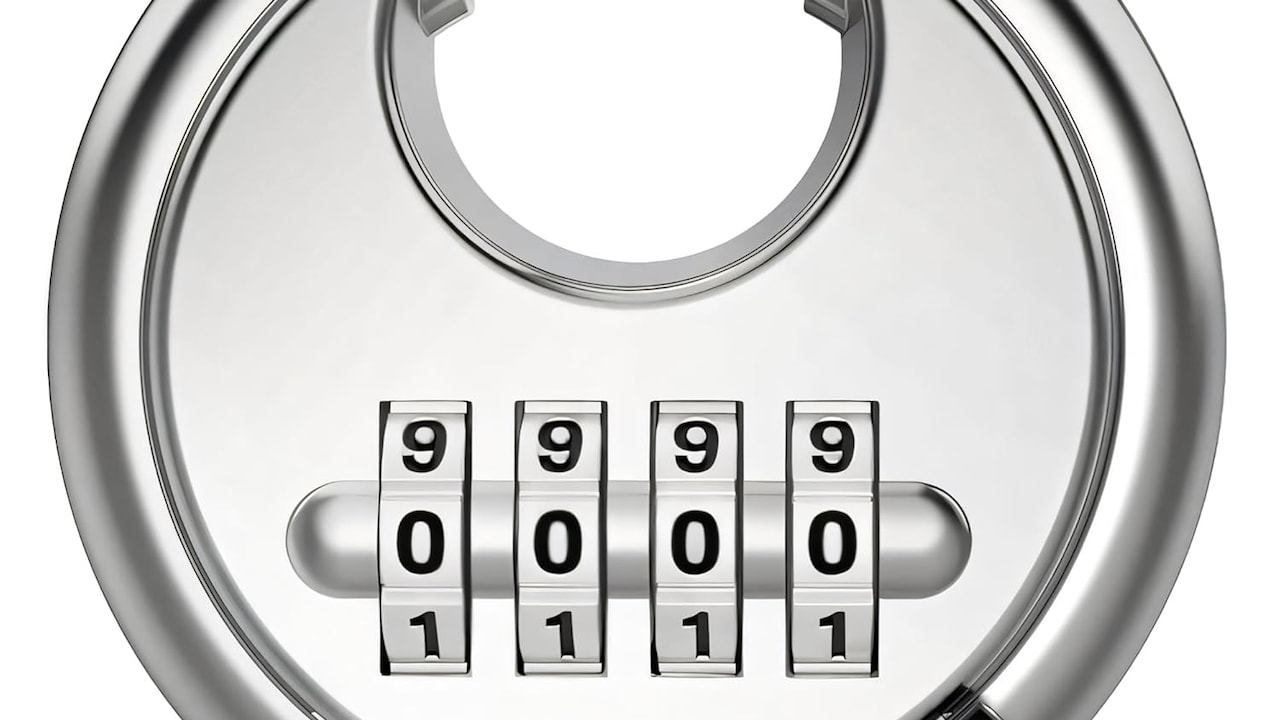
Digital Vs Traditional Locks: Pros And Cons For Secure Single Occupancy Flats
Photo Credit: Amazon
Privacy And Data Concerns
Digital locks introduce a new dimension to security: data. Access logs, user profiles, and connectivity features raise questions about privacy. While these features offer convenience, they also require trust in technology providers.
Some people find comfort in knowing who entered and when. Others feel uneasy about their personal data being stored somewhere beyond their control.
Traditional locks avoid this entirely. They operate without recording or transmitting any information. Privacy remains absolute, though at the cost of losing tracking capabilities.
For those who value discretion, traditional locks may feel more reassuring. Digital locks, meanwhile, appeal to those who appreciate detailed insights and control.
Maintenance And Longevity
Every system requires care, but the nature of maintenance differs greatly. Digital locks need battery replacements, occasional servicing, and sometimes software updates. Neglecting these can lead to sudden failures.
Traditional locks demand less attention. A bit of lubrication and occasional checks usually suffice. Their lifespan often extends for years without major issues.
However, digital locks continue to evolve. New models bring improved durability and features, making older versions feel outdated. Traditional locks, in contrast, remain largely unchanged, offering consistency over time.
For someone living alone, maintenance becomes a personal responsibility. The choice depends on whether one prefers minimal upkeep or does not mind managing a slightly more complex system.
Products Related To This Article
1. Godrej Smart Lock
2. Atomberg Azhero Smart Door Lock
3. QUBO Smart Door Lock Select from Hero Group
4. Native by Urban Company Lock Pro Smart Door Lock with in-Built HD Camera & Home Doorbell Connect
5. LAVNA Digital Smart Door Lock | 6 Way Unlock | Fingerprint
Choosing between digital and traditional locks is less about right or wrong and more about lifestyle. Digital locks bring convenience, modern features, and a sense of control that fits well with fast-paced living. Traditional locks offer reliability, simplicity, and a timeless sense of security.
For a single occupant, the decision often reflects daily habits. Those who enjoy technology and flexibility may lean towards digital systems. Those who value predictability and ease may find comfort in traditional locks.
In many cases, a combination of both works best. A digital lock paired with a sturdy manual backup can offer the best of both worlds. After all, security is not just about locking doors; it is about feeling safe, relaxed, and truly at home.
(Disclaimer: This article may include references to or features of products and services made available through affiliate marketing campaigns. NDTV Convergence Limited (“NDTV”) strives to maintain editorial independence while participating in such campaigns. NDTV does not assume responsibility for the performance or claims of any featured products or services.)