Are Minimal Wall Clocks Trending? How To Pick Clean Designs
Minimal wall clocks are quietly replacing ornate designs in modern homes. But are they truly trending? Discover why clean styles work so well, and how to choose one that adds calm, not clutter.

Are Minimal Wall Clocks Trending In 2026? How To Choose The Perfect Clean Design.
Homes today look different from those of a decade ago. Heavy wooden cabinets have made way for lighter furniture. Walls no longer groan under oversized calendars and decorative plates. Instead, clean lines and breathable spaces rule the mood. Amid this shift, wall clocks have transformed, too.
The ornate pendulum clock that once commanded the living room now competes with slim, silent designs that almost blend into the wall. Yet the charm of a wall clock remains unchanged. It anchors a space, adds rhythm to daily life and, in a country where time often dances to its own tune, gently reminds everyone to hurry.
Minimal wall clocks feel modern, but they also suit compact flats, rented apartments and newly built homes. They promise style without fuss. The question remains: are they just a fleeting aesthetic, or a lasting design choice? And how does one choose a clock that feels elegant rather than empty? The answers lie in understanding both trend and taste.

Are Minimal Wall Clocks Trending? How To Pick Clean Designs
Photo Credit: Pexels
What Makes Minimal Wall Clocks So Popular Today?
The Rise Of Minimalism In Modern Homes
Minimalism no longer belongs only to architects and design magazines. It shows up in studio apartments, newlywed homes and even renovated ancestral houses. Rising property prices have nudged many families into smaller spaces, where every inch counts. A bulky clock with elaborate carvings can easily overwhelm a modest living room.
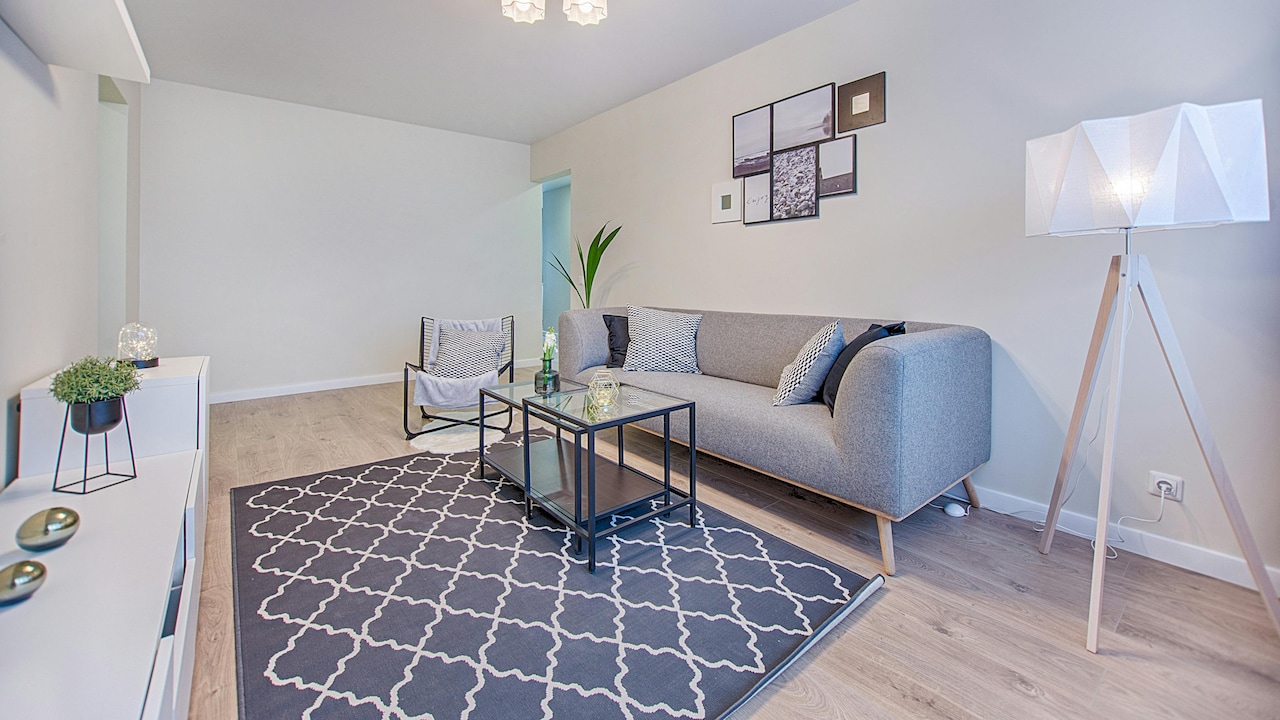
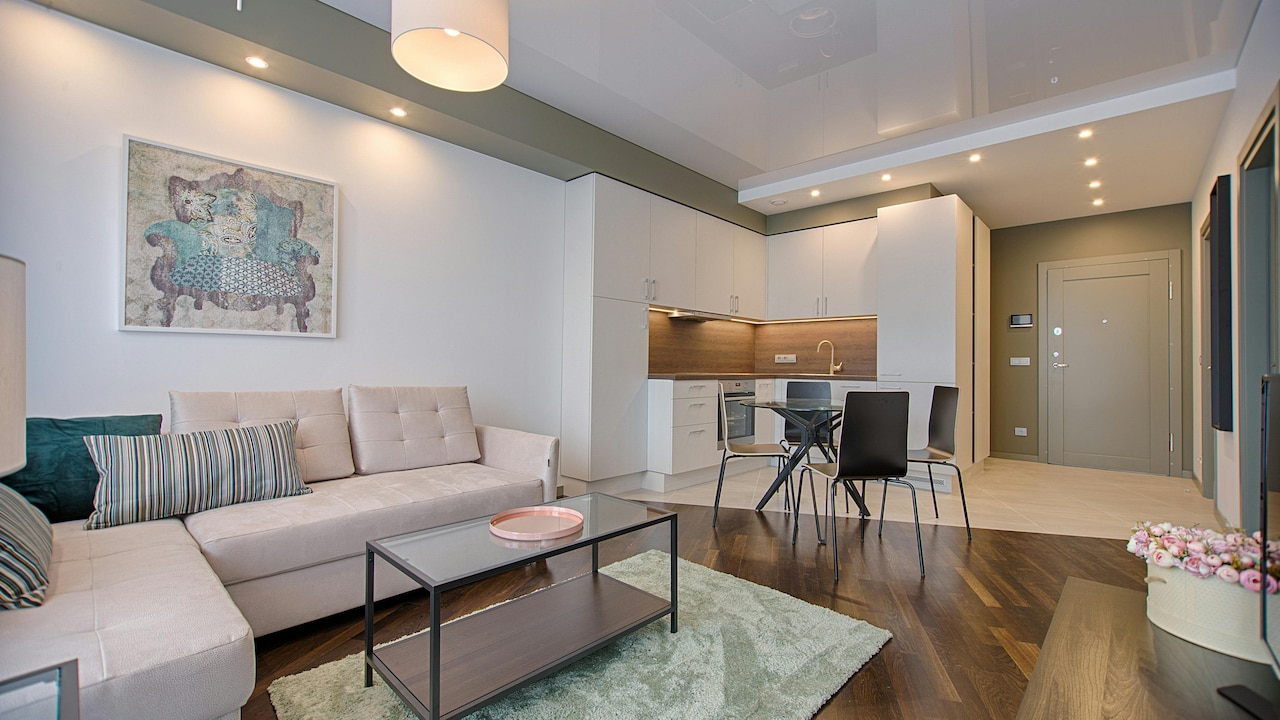
Clean interiors help spaces breathe. Soft beige walls, cane chairs, indoor plants and simple lighting now dominate many homes. Against such backdrops, a sleek wall clock fits naturally. It does not scream for attention. Instead, it complements.
Social media also fuels this trend. Scroll through décor pages, and one sees neutral palettes, textured walls and uncluttered shelves. A minimal clock sits comfortably within this aesthetic. It signals calm and order in a fast-moving world.
Minimalism, however, does not mean boring. It celebrates restraint. It values thoughtful design. A well-chosen clock can transform a plain wall into a refined focal point without adding visual noise. That balance explains why minimal wall clocks continue to gain popularity.
Why Less Truly Feels More
A wall clock serves a simple purpose: it tells time. When designers strip away extra patterns, glitter and loud numerals, the clock returns to that core function. The result feels soothing.
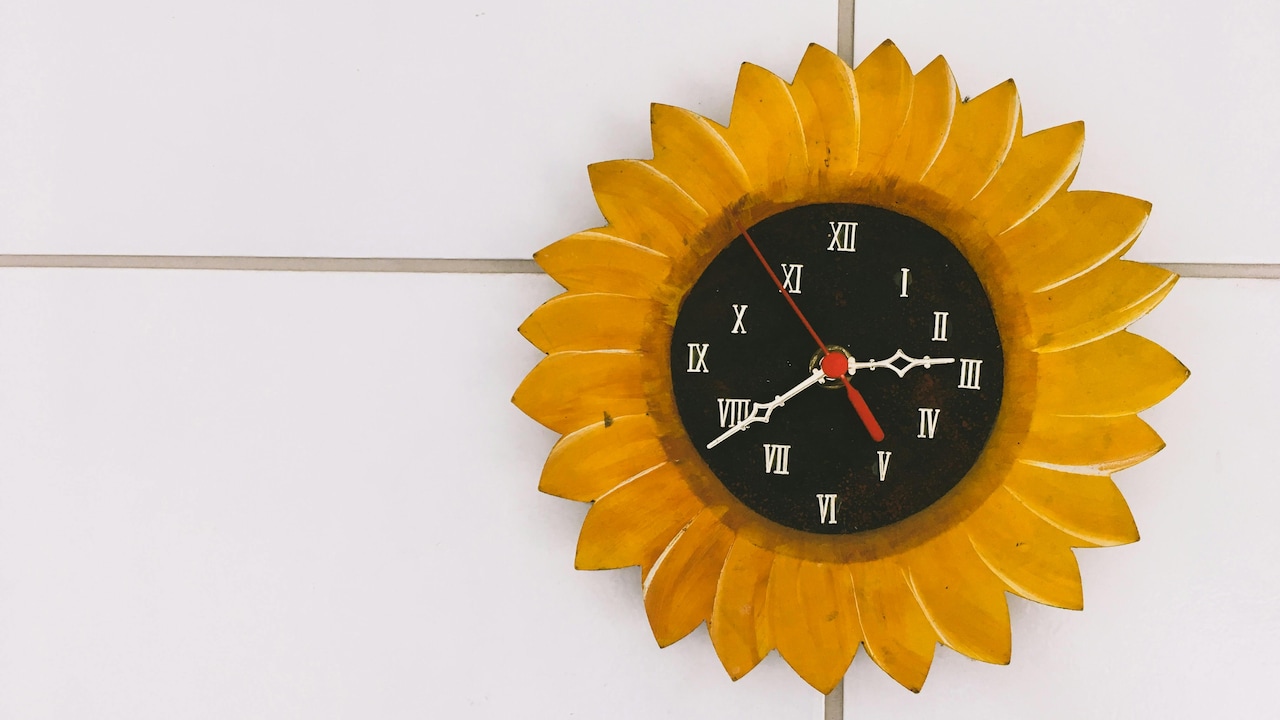
Large Roman numerals and busy backgrounds once symbolised grandeur. Today, many homeowners prefer thin metal hands, subtle markers and silent movement. These details create a sense of order. Even during chaotic mornings, a clean clock face offers visual relief.
Less clutter also allows other décor elements to shine. A textured wall, framed artwork or a statement sofa gains prominence when the clock does not compete for attention. Minimal designs often rely on symmetry and proportion, which naturally appeal to the human eye.
That said, minimal does not mean invisible. A matte black clock on a pale wall can look striking. A wooden frame against a pastel background can add warmth. The magic lies in thoughtful contrast. When a clock balances simplicity with subtle character, it embodies the “less is more” philosophy perfectly.
Understanding Clean Design Principles
Clean design follows a few unspoken rules. It values proportion, harmony and negative space. When selecting a minimal wall clock, attention to these principles matters.
First comes scale. A tiny clock on a large wall looks lost. An oversized dial in a narrow corridor feels awkward. Measure the available space before shopping. Designers often suggest that a clock should occupy about two-thirds of the empty wall space it sits on. That guideline prevents imbalance.
Colour harmony plays an equal role. Neutral shades such as white, grey, beige and muted green pair easily with most interiors. Bold colours can work too, but they demand intention. A mustard clock against a charcoal wall may look stylish, while the same clock on a busy wallpaper could clash.
Material choice influences mood. Metal frames suggest contemporary flair. Wood introduces warmth. Acrylic offers a modern, lightweight option. Understanding these elements helps transform a simple purchase into a design decision.
A minimal clock thrives on thoughtful restraint. Every detail counts because there are so few of them.
Choosing The Right Size For Your Space
Many buyers focus on design and forget scale. Size often determines whether a clock enhances or disrupts a room.
In a compact bedroom, a 10 to 12-inch clock usually suffices. It remains visible without dominating the wall. In larger living areas, diameters between 16 and 24 inches create a better presence. For double-height walls, oversized clocks can become statement pieces.
Consider viewing distance as well. A clock placed above a television or sofa should remain readable from across the room. Slim hands look elegant, but they must contrast enough with the dial to remain practical.
Budget also plays a part. Prices range from ₹800 for basic, minimal designs to ₹6,000 or more for premium materials and silent mechanisms. Spending wisely matters more than spending heavily. A well-sized, thoughtfully placed clock often looks far more expensive than its price tag suggests.
When size aligns with space, the clock feels intentional rather than accidental. That harmony elevates the entire room.
Materials That Add Subtle Character
Material choice can turn a plain clock into a conversation starter. Wood remains a favourite for those who prefer warmth. Teak, oak-inspired finishes and bamboo textures blend beautifully with earthy décor and indoor plants.
Metal frames, especially in matte black or brushed gold, create a contemporary edge. They pair well with industrial-style lighting and exposed brick walls. Glass and acrylic designs suit sleek apartments with glossy finishes.
Some designers experiment with concrete or stone textures. These options feel bold yet understated. They work particularly well in modern flats with neutral palettes.
Durability should not take a back seat to aesthetics. Humid climates demand materials that resist warping or rust. Checking product specifications prevents regret later.
A minimal clock relies heavily on material quality because it lacks decorative distractions. When the surface looks refined and the finish feels sturdy, the clock radiates quiet confidence.
Silent Mechanisms And Modern Living
Noise often goes unnoticed until silence disappears. Traditional clocks tick audibly, which can disturb sleep or concentration. Minimal wall clocks frequently feature silent sweep mechanisms. This small innovation makes a significant difference.
In home offices and study areas, silence supports focus. In bedrooms, it encourages restful nights. Even in living rooms, a quiet clock maintains the calm atmosphere that minimal décor seeks to create.
Battery quality also matters. Frequent replacements can irritate anyone. Investing in a reliable mechanism saves both time and money. While premium silent clocks may cost a little more, often starting around ₹1,500, the comfort they offer justifies the expense.
Modern lifestyles demand functionality alongside style. A clock that looks elegant but disrupts peace fails its purpose. Silent mechanisms align perfectly with the ethos of minimal design: useful, efficient and unobtrusive.
Matching Clocks With Different Interior Styles
Minimal wall clocks adapt surprisingly well to varied interior styles. In Scandinavian-inspired homes, white dials with pale wooden frames complement light furniture and soft textiles. They enhance brightness without adding clutter.
Industrial interiors favour darker tones. Black metal clocks with bold, simple hands echo raw finishes and exposed elements. In bohemian spaces filled with patterns and colours, a clean clock provides visual balance. It prevents the room from feeling chaotic.
Ultra-modern flats often benefit from frameless or monochrome designs. These clocks almost float against the wall, reinforcing the sleek aesthetic.
Understanding the room's personality helps narrow choices. The clock should feel like part of the conversation, not a stranger on the wall. When design aligns with décor, harmony emerges naturally.
Budget-Friendly Finds Without Compromising Style
Minimal design does not demand a luxury budget. Many affordable brands offer clean, durable options that rival high-end pieces in appearance. The key lies in careful selection.
Examine finishing closely. Even a ₹1,000 clock can look refined if its paint appears smooth and its hands align properly. Avoid overly glossy finishes that may cheapen the look. Matte surfaces often feel more sophisticated.
Online marketplaces frequently run festive discounts. Seasonal sales can bring mid-range clocks within reach for ₹2,000 to ₹3,000. However, reading reviews matters. Check feedback on durability, noise and accuracy before purchasing.
Local home décor stores also stock hidden gems. Exploring nearby markets sometimes leads to unique finds at reasonable prices. A thoughtful choice can elevate a room without straining finances.
Minimalism celebrates intentional spending. Choosing fewer but better pieces often proves more satisfying than filling walls with random décor.
Are Minimal Wall Clocks Trending? How To Pick Clean Designs
Photo Credit: Pexels
Common Mistakes To Avoid When Buying
Minimal wall clocks seem simple, yet buyers often make avoidable errors. One common mistake involves ignoring wall colour. A white clock on a white wall may disappear entirely. Contrast ensures visibility and impact.
Another misstep includes neglecting placement height. A clock hung too high or too low disrupts balance. Ideally, the centre should sit at eye level. This positioning improves readability and aesthetics.
Overlooking maintenance can also cause trouble. Dust settles easily on flat surfaces. Choosing materials that wipe clean without damage helps maintain the clock's fresh look.
Some buyers chase trends blindly. A design that looks attractive online may not suit every home. Personal taste and room context should guide decisions more than fleeting fads.
A minimal clock should feel timeless rather than trendy. Avoiding these common pitfalls ensures the purchase remains satisfying long after installation.
Products Related To This Article
1. OLIVE TREE Copper Plastic Large Display Round Battery Analogue Wall Clock
2. TEAL BY CHUMBAK Ele Garden Teal & White Printed Contemporary Round Shaped Wall Clock
3. RANDOM Brown Round Shape Contemporary Step Movement Analogue Wall Clock
4. Aura Orange & Black Printed Traditional Wall Clock
5. THE ARTMENT Black & Gold-Toned Geometric Contemporary Wall Clock
Minimal wall clocks have indeed carved a strong presence in contemporary homes. They reflect changing lifestyles, smaller spaces and a collective desire for calm surroundings. Yet their appeal extends beyond the trend. Clean designs focus on purpose, proportion and quiet elegance.
Choosing the right clock involves more than picking a pretty face. Size, material, mechanism and placement all influence the final result. When these elements align, the clock becomes both a functional tool and a design accent.
In a world that often feels rushed and crowded, a simple wall clock offers a subtle reminder to slow down. Its steady hands move without drama. Its face remains uncluttered. It quietly marks moments that shape everyday life.
Minimal wall clocks may be trending, but their true strength lies in timeless simplicity. Select wisely, and that clean dial will tick gracefully through changing seasons, décor shifts and countless cups of evening chai.
(Disclaimer: This article may include references to or features of products and services made available through affiliate marketing campaigns. NDTV Convergence Limited (“NDTV”) strives to maintain editorial independence while participating in such campaigns. NDTV does not assume responsibility for the performance or claims of any featured products or services.)








![Steam Iron Teflon Shoe Cover for ES-300,ST-96 [Only For ES-300 and ST-96 Model Electric Steam Irons]](https://m.media-amazon.com/images/I/51wwkttondL._SL160_.jpg)