Dishwasher Not Cleaning Properly? 10 Common Loading and Cycle Mistakes to Fix
If your dishwasher leaves grease, spots, or stuck food behind, the issue may be how it's loaded or the cycle used. These 10 practical fixes can restore proper cleaning. Explore 10 easy tips to fix a dishwasher not cleaning properly.
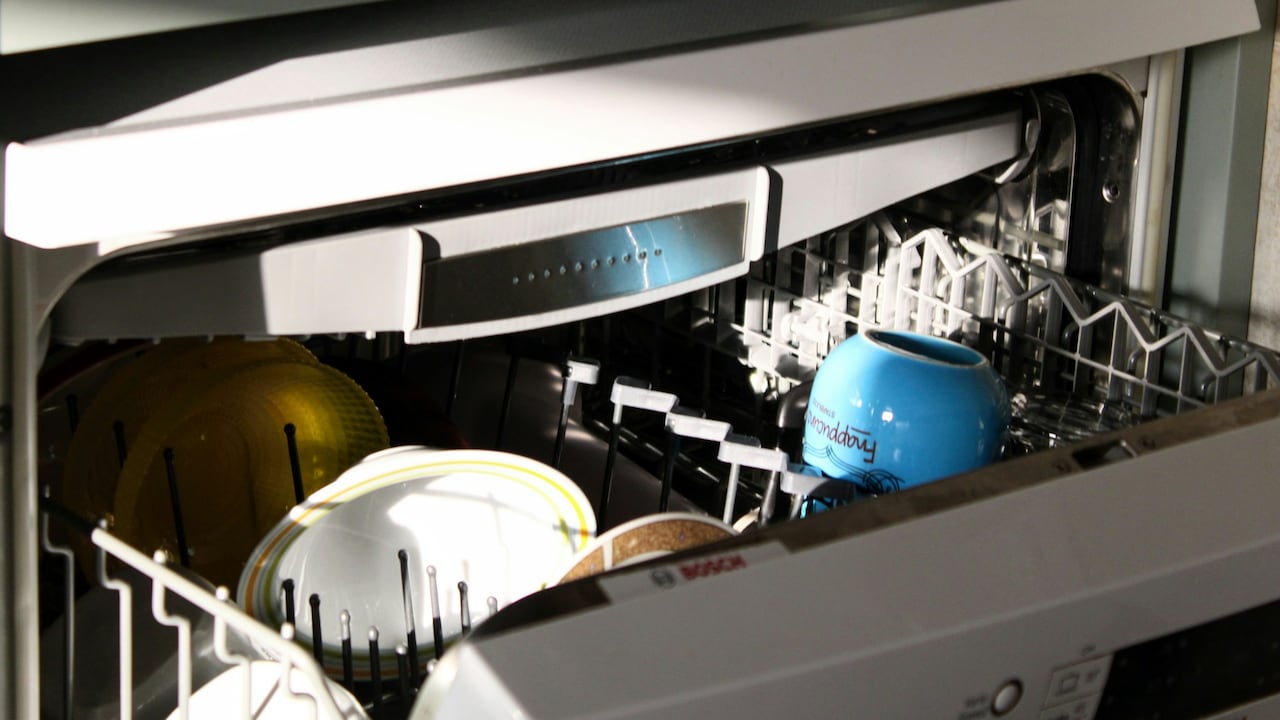
Dishwasher Not Getting Dishes Clean? 10 Common Loading and Cycle Mistakes You Can Easily Fix.
Few kitchen moments feel as disappointing as opening the dishwasher door and spotting half-clean plates. The cycle ran. The detergent went in. Water splashed around for nearly an hour. Still, the results fall short. Many people assume the appliance has reached the end of its life. In reality, dishwashers often struggle due to simple usage mistakes rather than mechanical faults.
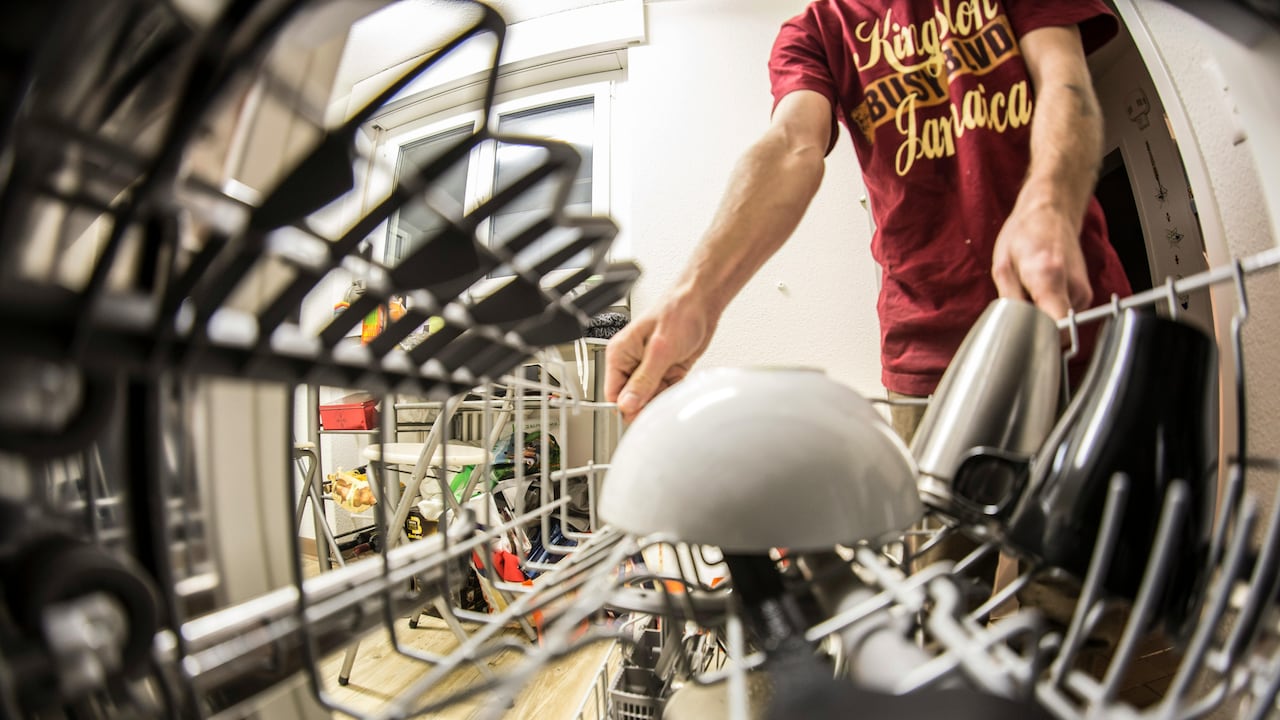
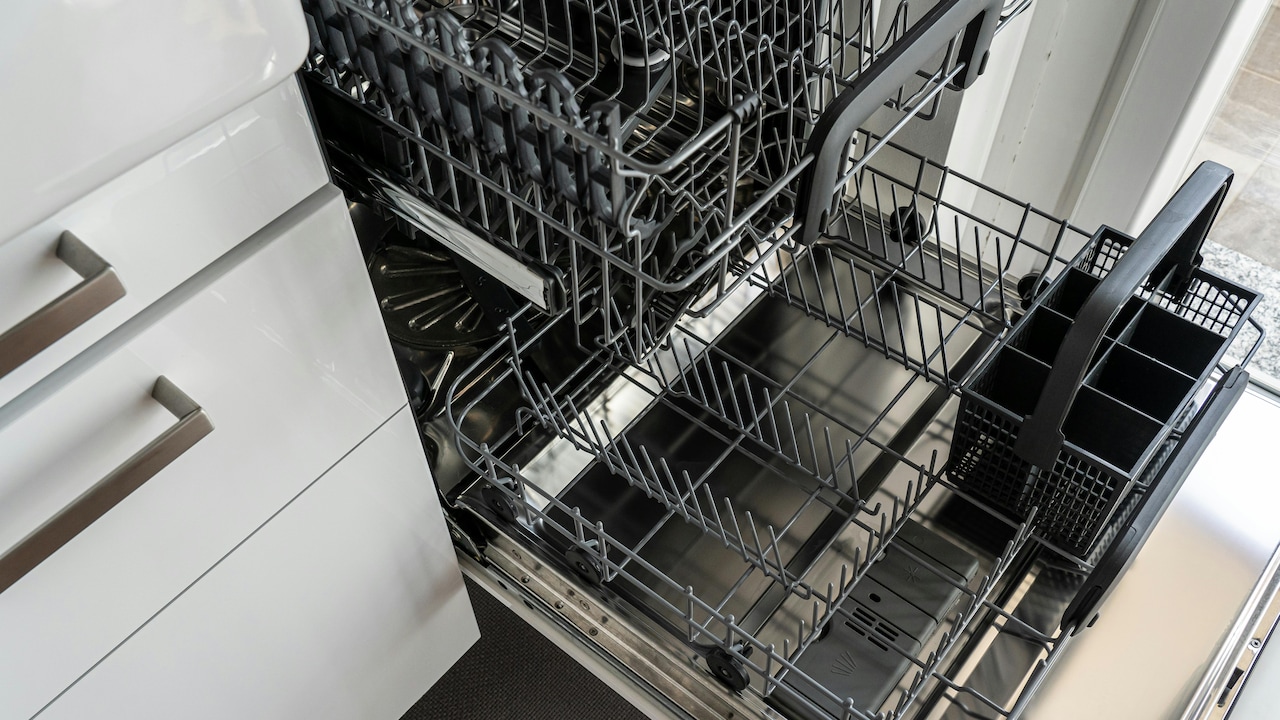
Here's how you can fix a dishwasher not cleaning properly; Photo Credit: Pexels
Modern dishwashers work hard, but they rely on correct loading, suitable cycles, and a bit of routine care. A family meal with oily gravies, rice starch, and masala residues demands a different approach compared to a light snack load. Understanding how the machine thinks can transform results. The fixes below focus on loading smarter and choosing cycles wisely.
Also Read: Bosch, IFB To LG, 5 Top-Rated Dishwashers That Serve and Conserve
Loading and Cycle Mistakes That Affect Cleaning Performance
1. Stop Overcrowding: Give Water and Detergent Space to Work
Overcrowding ranks as the most common reason dishes come out dirty. It feels tempting to squeeze in one more plate or bowl, especially after a big family meal. However, dishwashers clean by spraying water at high pressure. When dishes block each other, water cannot reach the surfaces properly.
Large plates placed too close together act like walls. Bowls stacked tightly trap food particles. Cutlery clumped in one section hides grease from detergent. Leaving small gaps allows spray arms to rotate freely and reach every corner. Think of it like traffic on a busy road. Fewer obstacles mean smoother flow.
Loading fewer items may feel inefficient, but it often saves time overall. A second quick load beats rewashing greasy utensils by hand. As a rule, avoid letting dishes touch each other. If a utensil blocks another, the cleaning quality drops sharply. Giving each item breathing space ensures the machine does the job it was designed to do.
2. Face Dishes Towards the Spray Arms, Not Randomly
Dishwashers do not clean from all directions equally. The spray arms sit at the bottom and sometimes in the middle. They throw water upwards and outwards. Dishes placed facing away from these jets miss the action entirely.
Plates work best when angled inwards. Bowls should tilt slightly downwards so water runs off rather than pooling inside. Deep kadhai-style bowls placed flat often collect dirty water, leaving food residue behind. Cups loaded upright trap water at the base, causing stains and gritty marks.
A simple test helps. After loading, spin the spray arms by hand. If anything blocks their movement, reposition the item. When dishes face the spray directly, detergent dissolves evenly, and grease breaks down faster. This small adjustment often produces noticeably cleaner results without changing detergent or cycle length.
3. Choose the Right Cycle for the Right Mess
Not all loads deserve the same cycle. A quick wash works for lightly soiled tea cups and snack plates. It struggles with oily curries, dried rice, and heavy cookware. Using a short cycle for a heavy load often leads to disappointment.
Most dishwashers offer multiple settings for a reason. Intensive or heavy cycles use hotter water and longer wash times. They handle stubborn grease better. Eco modes save electricity and water but may leave residue on heavily soiled dishes. Selecting the wrong cycle creates the illusion of a faulty machine.
Consider the meal type before pressing start. A full dinner with rich gravies benefits from a longer, hotter cycle. The extra electricity cost often stays under ₹10 per wash but saves time and effort later. Matching the cycle to the mess ensures consistent cleaning and extends the life of the appliance.
4. Rinse Smart, Not Excessively
Pre-rinsing dishes remains a debated topic. Some people rinse thoroughly until the plates look almost clean. Others load dishes straight from the table. The truth lies somewhere in between.
Modern dishwashers need a bit of food residue to work well. Detergents activate better when they detect grease and particles. Over-rinsing can confuse sensors, leading to shorter cycles and weaker cleaning. However, leaving large chunks of food causes clogs and poor performance.
The best approach involves scraping, not rinsing. Remove bones, peels, and leftover rice with a spoon. Leave light grease and sauce stains behind. This balance allows detergent to grip the grime without overwhelming filters. Smart rinsing improves wash quality while reducing water waste and maintenance issues.
5. Load Cutlery Separately and Mix Directions
Cutlery often looks clean at first glance, but feels gritty on closer inspection. The problem usually lies in how spoons, forks, and knives sit in the basket. When loaded facing the same direction, they nest together. Water fails to reach hidden surfaces.
Mixing directions solves this issue. Place some spoons facing up and others down. Alternate forks and knives. Avoid stacking similar items side by side. Sharp knives should point down for safety, but spoons benefit from facing upwards occasionally.
Spacing matters here as much as direction. Overloaded cutlery baskets trap grease and detergent residue. Spreading items across compartments improves results. Clean cutlery not only looks better but also feels more hygienic, especially when used for eating straight away.

Load your cutlery separately in different directions; Photo Credit: Pexels
6. Avoid Blocking the Detergent Dispenser
The detergent dispenser door opens mid-cycle. If a large plate or pan blocks it, the detergent remains trapped inside. The dishwasher then runs almost detergent-free, leaving dishes greasy and dull.
This issue often goes unnoticed. The cycle completes as usual, but cleaning suffers. To prevent this, keep tall items away from the dispenser area. Check the manual to locate the dispenser position. After loading, open the door slightly and ensure the flap can open freely.
Using detergent tablets or powder makes no difference if the dispenser cannot release them. A quick visual check before starting the cycle avoids wasted detergent and poor results. This simple habit saves frustration and improves consistency.
7. Use the Upper and Lower Racks Correctly
Each rack serves a specific purpose. The lower rack handles plates, pans, and heavily soiled items. The upper rack suits glasses, cups, and lightweight bowls. Mixing these roles often leads to breakage and poor cleaning.
Heavy items placed on the upper rack strain the rack mechanism and block water flow. Lightweight items on the lower rack may flip over due to strong spray pressure. This leads to water pooling and dirty surfaces.
Following rack guidelines improves cleaning and protects the dishwasher's structure. Adjusting rack height, if available, also helps fit larger items without compromising spray movement. Correct rack usage creates balanced water distribution and better overall results.
8. Do Not Ignore Load Balance
An uneven load affects more than cleaning quality. When heavy items cluster on one side, the dishwasher vibrates more. Spray arms may hit utensils, reducing rotation speed. Water distribution becomes uneven.
Balancing the load across both sides keeps the machine stable. Spread heavy pots evenly. Avoid placing all large plates in one corner. Balanced loads allow smooth operation and even cleaning.
Over time, poor balance contributes to wear and tear. Noise levels increase. Parts loosen. A few seconds spent balancing items prevents long-term issues and ensures consistent performance.
9. Match Detergent Quantity to Load Size
More detergent does not mean cleaner dishes. Excess detergent leaves residue and streaks, especially on glassware. Too little detergent struggles with grease.
Most machines recommend specific quantities based on load size and soil level. Hard water areas may need slightly more detergent, while soft water requires less. Using the correct amount prevents film buildup and keeps dishes sparkling.
Experimenting slightly helps find the right balance. Adjust gradually rather than making big changes. Proper detergent use improves results and reduces unnecessary expense over time.
10. Clean Filters Regularly for Better Cycles
Even perfect loading fails if filters clog. Food particles trapped in filters recirculate during cycles, settling back onto dishes. Cleaning filters once a week makes a noticeable difference.
Most filters twist out easily from the bottom of the dishwasher. Rinse under running water. Use a soft brush to remove grease buildup. Avoid harsh scrubbing tools.
Clean filters improve water flow and spray pressure. Cycles run more efficiently. Dishes come out cleaner with less effort. Regular filter care supports every other fix mentioned above.
Products Related To This Article
1. Bosch 13 Place Setting Dishwasher with Intensive Kadhai Program
2. Bosch 14 Place Setting Dishwasher with Intensive Kadhai Program
3. IFB 14 Place Settings with DeepClean® Technology Freestanding Dishwasher
4. Faber 12 Place Dishwasher
5. Electrolux 14 Place Settings Dishwasher Machine for Home
A dishwasher that fails to clean often sends the wrong message. It suggests breakdowns, repairs, or replacement. In reality, everyday habits usually hold the key. Loading smarter, choosing the right cycle, and paying attention to small details transform performance.
These fixes cost nothing but a bit of awareness. They fit into daily routines without fuss. When dishes come out clean, dry, and ready to use, the dishwasher finally feels like the helpful kitchen partner it was meant to be. A few thoughtful changes turn frustration into quiet satisfaction, right after opening that door.
(Disclaimer: This article may include references to or features of products and services made available through affiliate marketing campaigns. NDTV Convergence Limited (“NDTV”) strives to maintain editorial independence while participating in such campaigns. NDTV does not assume responsibility for the performance or claims of any featured products or services.)