Do Dishwashers Really Work On Greasy Utensils? Breaking The Biggest Myth With Real Use Cases
Can a dishwasher really clean greasy utensils after heavy cooking? This article breaks the myth with real use cases, showing how modern dishwashers tackle oil, save water and simplify everyday kitchen cleanup.
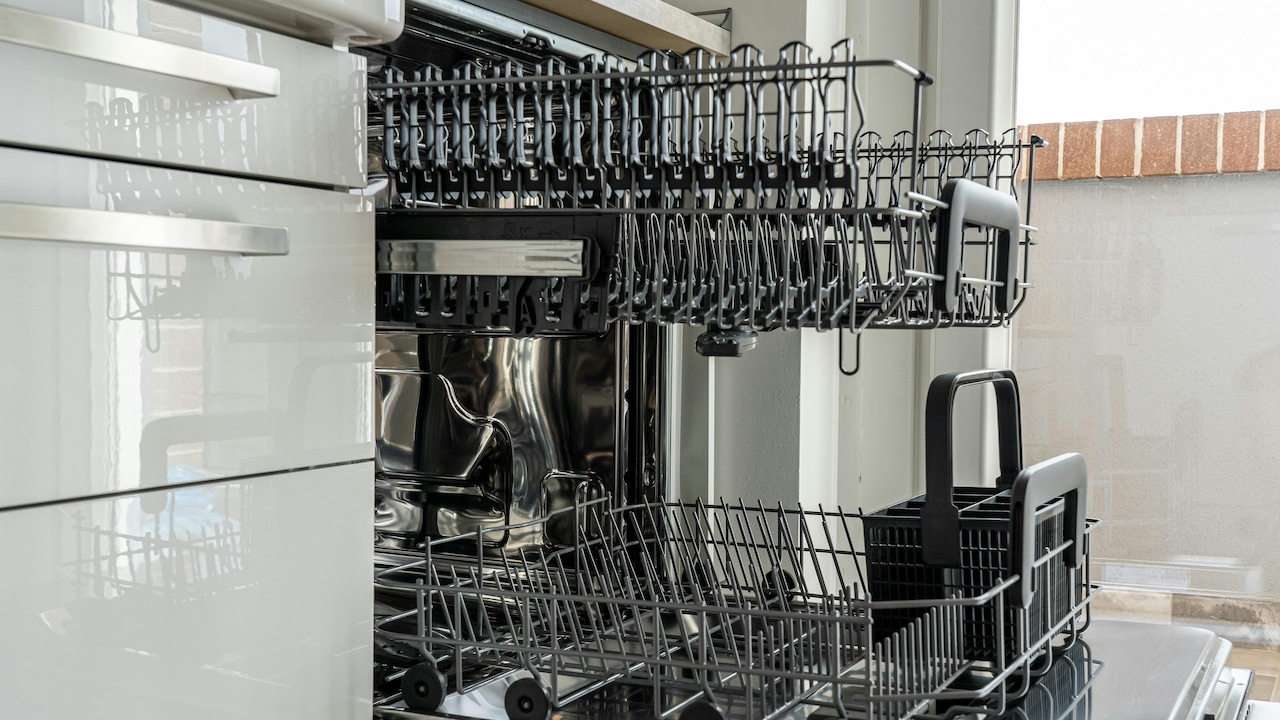
Dishwasher Vs Greasy Utensils: What Actually Works In Everyday Kitchens
Step into any busy household kitchen and a familiar scene unfolds: piles of plates streaked with turmeric, oily kadais resting in the sink, and steel tumblers waiting their turn. Cooking here isn't gentle. It involves tadkas, deep frying, slow simmering, and layers of spice that cling to every surface. Naturally, the question arises: can a dishwasher truly cope with this level of grease?
For years, scepticism has ruled. Many believe dishwashers are designed for lighter cooking styles, not for kitchens where oil splatters and masalas define daily meals. Others assume pre-scrubbing defeats the purpose altogether. Yet, as lifestyles evolve and time becomes more precious, more households are reconsidering this appliance.
The truth, as it turns out, lies somewhere between myth and misunderstanding. Modern dishwashers are not only capable but surprisingly effective, provided they are used correctly. From handling oily pans to saving water and effort, real-world experiences paint a different picture from long-held assumptions.
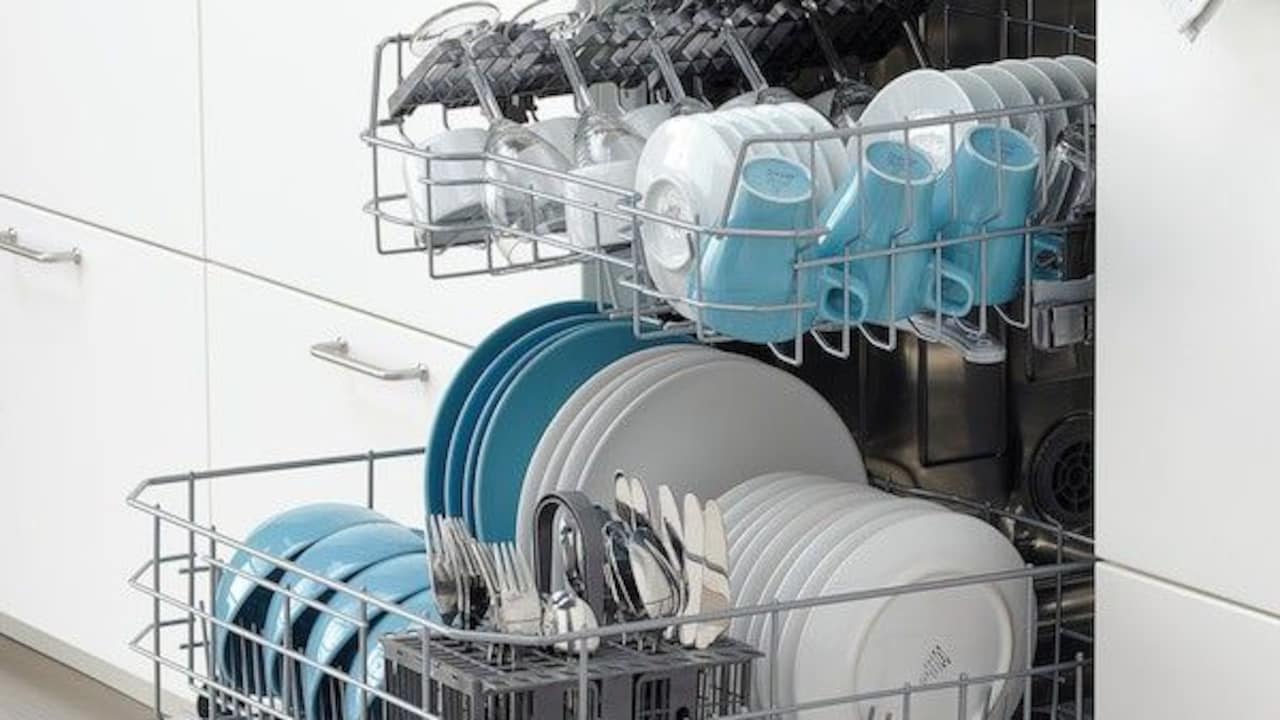
Dishwasher Vs Greasy Utensils: What Actually Works In Everyday Kitchens; Photo Credit: Pexels
What Really Happens When Greasy Utensils Meet A Dishwasher
The Grease Myth That Refuses To Fade
The biggest hesitation stems from a simple belief: dishwashers cannot handle heavy grease. This assumption often comes from early models or second-hand opinions rather than actual experience. In reality, modern machines are engineered with powerful jets and high-temperature cycles designed to break down stubborn oils.
Grease behaves differently under heat. When exposed to hot water and specialised detergent, it loosens and lifts away rather than spreading. This is where dishwashers shine. Unlike handwashing, where cold or lukewarm water often dominates, dishwashers consistently use temperatures that dissolve grease efficiently.
Households that switch often notice an unexpected result. Utensils come out cleaner, with less residue than hand-washed items. Even steel surfaces regain their shine without constant scrubbing. The myth persists mainly because many people underestimate how technology has evolved over the years.
Also Read: Best Dishwashers That Clean Greasy Utensils Without The Pre-Rinsing Stage
Real Kitchens, Real Tests
Consider a typical dinner preparation involving paneer butter masala, fried puris, and a tempering of garlic and chillies. The aftermath includes oil-heavy pans, greasy ladles, and plates coated with rich gravies. These are not gentle loads by any standard.
When such utensils go into a dishwasher, the results can be surprisingly satisfying. With proper loading and the right detergent, most grease disappears in a single cycle. The key lies in allowing the machine to do its job without interference. Pre-rinsing lightly to remove large food particles helps, but aggressive scrubbing is unnecessary.
Families who have adopted dishwashers often report a shift in perception within weeks. Initially doubtful, they begin to trust the process as consistent results appear. The machine handles everyday cooking messes with ease, even after festive meals or weekend indulgences.
The Role Of Detergents In Breaking Oil
One overlooked factor is the detergent itself. Unlike regular dishwashing liquids, dishwasher detergents contain enzymes and agents specifically designed to tackle grease and protein residues. These formulations work best under high temperatures, creating a chemical reaction that lifts grime effectively.
Choosing the right detergent makes a noticeable difference. Premium options may cost slightly more, but the payoff comes in cleaner utensils and fewer repeat cycles. Over time, this balances out in terms of value.
There is also a common mistake of using too little detergent in an attempt to save money. This often leads to subpar results and reinforces the myth that dishwashers don't work well. In reality, correct usage ensures optimal performance and reduces the need for manual intervention.

Dishwasher Vs Greasy Utensils: What Actually Works In Everyday Kitchens; Photo Credit: Pexels
Temperature: The Hidden Advantage
Handwashing rarely involves water hot enough to break down grease completely. Comfort limits how hot the water can be, especially during long washing sessions. Dishwashers, on the other hand, operate at temperatures that would be uncomfortable for bare hands.
This high heat is crucial. It melts oils, sanitises surfaces, and ensures a deeper clean. For utensils that carry strong aromas or stubborn stains, the difference becomes evident after just one wash.
Pressure cookers, for instance, often retain a faint smell even after manual cleaning. A dishwasher cycle eliminates this more effectively, leaving utensils fresh and odour-free. The combination of heat and pressure creates a level of cleaning that is difficult to achieve by hand.
Water Usage: Less Than Expected
There is a common belief that dishwashers consume excessive water. Surprisingly, the opposite is often true. A typical dishwasher uses significantly less water than washing the same load by hand under a running tap.
In many households, taps run continuously during cleaning, leading to unnecessary wastage. Dishwashers, however, use controlled amounts of water and recycle it during the wash cycle. This makes them more efficient in the long run.
With rising water concerns and increasing utility costs, this efficiency becomes an important factor. Over time, the savings in water and effort contribute to a more sustainable lifestyle without compromising cleanliness.
Handling Tough Utensils Like Kadai And Tawa
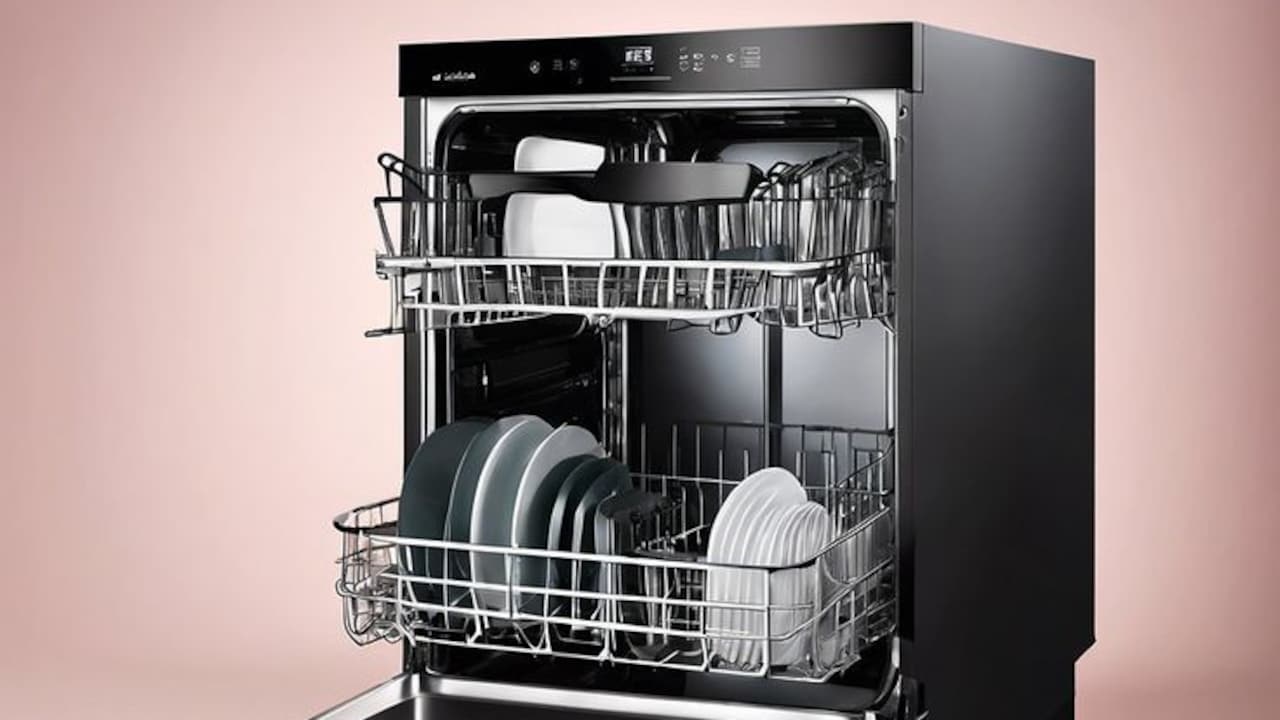
Heavy cookware often raises doubts. Can a dishwasher handle a greasy kadai or a tawa coated with oil? The answer depends on proper placement and cycle selection.
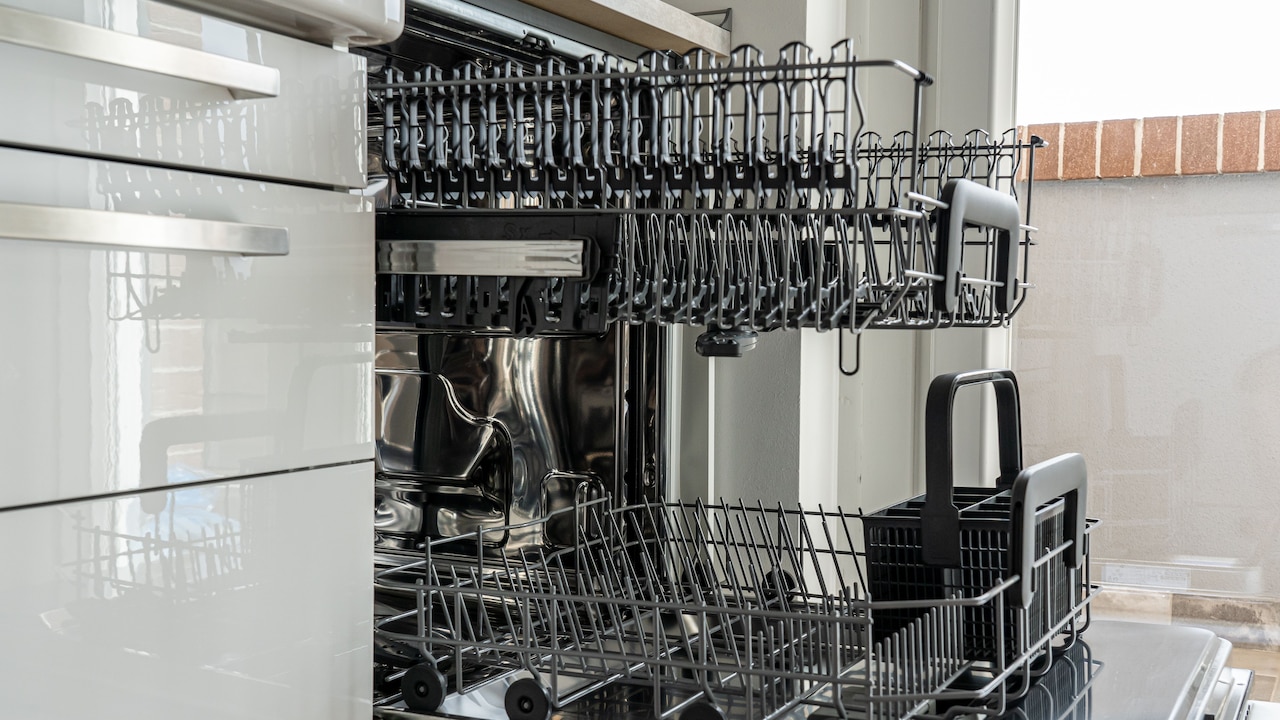
Modern dishwashers include intensive wash modes specifically designed for heavily soiled items. These cycles use stronger water jets and longer durations to tackle stubborn grime. When placed correctly, even thick oil layers break down effectively.
It is important, however, to avoid overcrowding. Each utensil needs space for water to circulate freely. When loaded thoughtfully, even the toughest cookware comes out clean, reducing the need for manual scrubbing.
Dishwasher Vs Greasy Utensils: What Actually Works In Everyday Kitchens; Photo Credit: Pexels
Time Saved Is Energy Saved
Washing utensils after a long day can feel exhausting. Dishwashers offer a different approach. Instead of standing at the sink for extended periods, utensils can be loaded gradually and washed in one go.
This shift frees up time for other activities, whether it's relaxing with family or focusing on work. The mental relief of not facing a pile of dishes every evening is often underestimated.
Many households find that once they adapt to this routine, going back to manual washing feels inconvenient. The dishwasher becomes less of a luxury and more of a practical necessity.
Hygiene And Consistency
Manual washing can vary depending on who is cleaning and how thorough the process is. Dishwashers, however, provide consistent results every time. Each cycle follows the same pattern, ensuring uniform cleaning.
The high temperatures also contribute to better hygiene. Bacteria and germs are effectively reduced, making utensils safer for daily use. This is particularly beneficial for families with young children or elderly members.
Consistency builds trust. Once users see that the machine delivers reliable results, hesitation fades, and the dishwasher becomes a dependable part of the kitchen routine.
Electricity Costs Versus Convenience
Another concern revolves around electricity consumption. While dishwashers do use power, modern models are designed to be energy-efficient. When compared to the time and effort saved, the trade-off often feels reasonable.
Running a dishwasher once a day typically costs less than expected, especially when used during off-peak hours. Over time, the convenience it offers outweighs the additional electricity expense.
In households where domestic help is limited or unavailable, this becomes even more valuable. The dishwasher ensures that daily chores remain manageable without adding stress.
Real Stories That Change Perceptions
Many families begin their dishwasher journey with hesitation. Some even keep it unused for months before finally giving it a chance. Once they do, the shift in perspective is often immediate.
Stories emerge of spotless steel plates, grease-free pans, and the joy of waking up to a clean kitchen. Even sceptics become advocates, sharing their experiences with friends and neighbours.
These real-life examples highlight a simple truth. Dishwashers are not just capable; they are effective when used correctly. The biggest barrier is not the machine itself but the mindset surrounding it.
Products Related To This Article
1. Bosch 13 Place Setting (fits up to 70 utensils) Free-Standing Dishwasher for Indian Utensils
2. IFB 14 Place Settings with DeepClean
3. Faber 12 Place Settings Dishwasher (FFSD 6PR 12S, Neo Black, Best Suited for Indian Kitchen, Hygiene Wash)
4. Hafele Aqua Chrome Dishwasher
5. Electrolux 14 Place Settings Dishwasher Machine for Home
The belief that dishwashers in kitchens cannot handle greasy utensils has lingered for years, shaped by outdated experiences and incomplete information. Yet, modern machines tell a different story. With the right detergent, proper loading, and suitable settings, they tackle even the toughest kitchen challenges with ease.
Beyond cleaning, they offer consistency, save water, and reduce daily effort. They transform a repetitive chore into a manageable task, freeing up time and energy for more meaningful moments.
In the end, the question is not whether dishwashers work on greasy utensils. The real question is whether one is ready to let go of old assumptions and embrace a smarter way of managing the kitchen.
(Disclaimer: This article may include references to or features of products and services made available through affiliate marketing campaigns. NDTV Convergence Limited (“NDTV”) strives to maintain editorial independence while participating in such campaigns. NDTV does not assume responsibility for the performance or claims of any featured products or services.)