10 Reasons Vegetables Freeze On Certain Refrigerator Shelves And How To Prevent It
Freezing vegetables in the fridge? Uneven cooling, blocked vents and wrong shelf placement may be to blame. Here are 10 common causes and simple ways to keep vegetables fresh, crisp and frost-free.
10 Reasons Vegetables Freeze On Certain Refrigerator Shelves And How To Prevent It
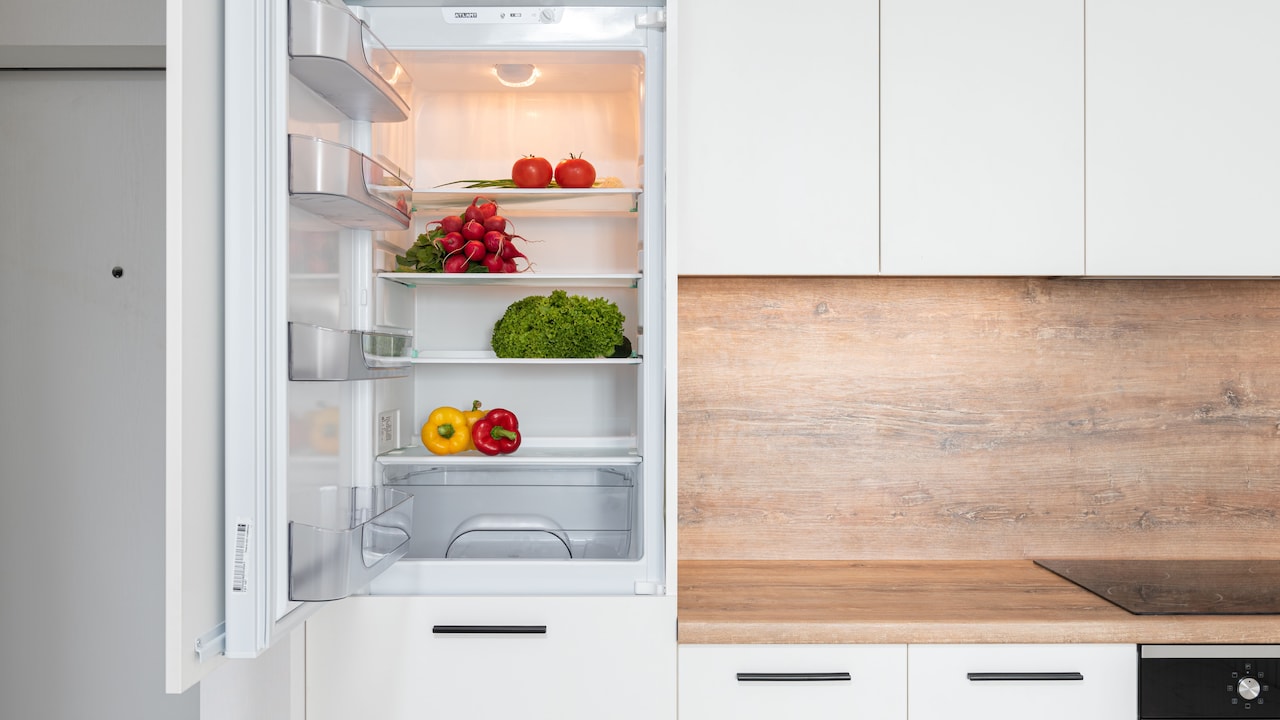
A Sunday vegetable run often ends with a refrigerator full of colourful promise: crisp carrots, tender spinach, glossy capsicum, fresh coriander and perhaps a few tomatoes squeezed into whatever space remains. Two days later, the surprise appears. The spinach has dark, watery patches. The cucumber feels stiff. Coriander leaves look as though they survived a tiny snowstorm. This problem is more common than many households realise.
10 Reasons Vegetables Freeze On Certain Refrigerator Shelves And How To Prevent It
Photo Credit: Pexels
A refrigerator does not maintain exactly the same temperature everywhere. Cold air moves through vents, settles in certain zones and reacts to how food is arranged. Some shelves become colder than others, especially near the back wall or close to air outlets. Refrigerator settings, weather changes, door habits and even the quantity of food inside can make the problem worse.
Fortunately, frozen vegetables rarely mean the appliance is beyond saving. Small changes in storage can make a noticeable difference. Here are ten common reasons vegetables freeze on particular refrigerator shelves, along with practical ways to keep them fresh, crisp and ready for the next sabzi, salad or snack.
Why Vegetables Freeze In The Fridge And What You Can Do About It
1. Vegetables Are Stored Too Close To The Rear Wall
The back wall of many refrigerators is one of the coldest places inside the cabinet. Cold air circulates nearby, and in some models the cooling system sits directly behind this surface. When vegetables touch the wall, especially those with high water content, their temperature can fall low enough for ice crystals to form.
Cucumber, spinach, lettuce, bottle gourd and capsicum are particularly vulnerable. A cucumber pushed against the rear panel may look perfectly normal from the front while the side touching the wall turns glassy and soft after thawing.
Leave a small gap between vegetables and the refrigerator wall. Even three to five centimetres can improve air movement and reduce direct exposure to intense cold.
Avoid pushing storage boxes all the way back simply to create more space at the front. That extra inch of convenience may cost a whole bunch of leafy greens.
The simple rule is easy to remember: vegetables need breathing room. Treat the rear wall like the front row at a winter concert. Close enough to enjoy the cool air, but not close enough to freeze.
2. Cold-Air Vents Blow Directly Onto The Produce
Refrigerator vents distribute chilled air throughout the compartment, but the airflow is not always gentle. Vegetables placed directly in front of these vents may receive a steady blast of cold air, causing local temperatures to drop below freezing even when the overall fridge setting appears normal.
The exact vent position varies by model. Some refrigerators have vents near the top shelf, while others place them along the rear panel. Frost-free models often circulate cold air more aggressively than older direct-cool refrigerators.
Check the inside walls for small openings or slotted panels. Keep delicate vegetables away from these areas. Leafy greens, herbs, mushrooms and cucumbers usually fare better in a crisper drawer or on a middle shelf with softer airflow.
Do not block the vents completely, either. Covering them with large containers can disrupt circulation and create strange temperature differences elsewhere.
Think of refrigerator airflow like the breeze from a powerful ceiling fan. Standing directly underneath feels very different from sitting across the room. Moving vegetables just a little away from that chilly blast can often solve the freezing problem.
3. The Refrigerator Temperature Is Set Too Low
Turning the refrigerator colder may seem like a sensible way to keep food fresh during hot weather, but excessive cooling can create another problem. Vegetables begin freezing when temperatures around them fall close to 0°C, particularly in naturally colder sections of the appliance.
For everyday food storage, a refrigerator compartment generally works best around 3°C to 5°C. If the control is set unusually low, certain shelves may become much colder than the displayed or expected average.
This often happens after someone adjusts the temperature during peak summer and forgets to change it later. A setting that seemed useful during a sweltering May afternoon may become too aggressive during cooler weather or the monsoon.
Use a refrigerator thermometer if the appliance has no digital temperature display. These are inexpensive and can reveal whether one particular shelf is dipping too close to freezing.
Adjust the cooling gradually rather than making dramatic changes. Give the refrigerator several hours to stabilise before checking again.
More cooling is not always better. Fresh vegetables prefer a cool neighbourhood, not a Himalayan expedition.
4. The Crisper Drawer Setting Is Wrong
Many modern refrigerators have adjustable crisper drawers with humidity controls. These sliders may look like minor features, but they can make a significant difference to vegetable quality.
Leafy vegetables generally prefer higher humidity because moisture helps prevent wilting. Fruits such as apples and pears often do better with lower humidity because they release ethylene gas and benefit from greater airflow.
Trouble begins when vegetables are placed in the wrong drawer or when a vent inside the crisper allows unusually cold air to enter. In some models, the drawer closest to the cooling outlet becomes considerably colder than the other.
Check the refrigerator manual or labels around the crisper controls. Set leafy greens, beans, carrots and similar vegetables in the high-humidity section where appropriate. Keep produce that releases more ethylene separate when possible.
Also avoid packing the drawer so tightly that air cannot circulate. A crisper drawer filled like a Mumbai local at rush hour will struggle to maintain an even environment.
Used correctly, the humble vegetable drawer acts as a small climate-controlled zone. Used carelessly, it can become the coldest corner of the kitchen.
10 Reasons Vegetables Freeze On Certain Refrigerator Shelves And How To Prevent It
Photo Credit: Pexels
5. The Refrigerator Is Too Empty
An almost empty refrigerator may cool less evenly than expected. Food and containers help absorb cold and stabilise the internal temperature. When only a few items remain inside, cold air can circulate rapidly and create sharper temperature swings.
That means a lonely bunch of coriander sitting near a vent may receive far more cold air than it would in a moderately stocked refrigerator.
This does not mean filling every shelf with unnecessary groceries. Overcrowding causes its own problems. The aim is balance.
If the fridge frequently remains nearly empty, place a few bottles of water inside. They can help provide thermal mass and reduce sudden changes when the compressor switches on and off.
Position vegetables in the middle section rather than leaving them exposed in the coldest zones.
This situation often appears after a household returns from travelling or just before the weekly grocery run. The refrigerator looks wonderfully spacious, yet that empty space can make temperature control less forgiving.
A reasonably stocked fridge tends to behave more predictably. Like a good dinner table, it works best when occupied without becoming overcrowded.
6. The Refrigerator Is Overloaded
At the opposite extreme, stuffing the refrigerator with groceries can also make certain vegetables freeze. When shelves are packed tightly, cold air cannot circulate properly. Some areas receive too much cooling while others remain warmer than they should.
A common scene follows a large weekend shopping trip: milk packets stacked beside containers, vegetables squeezed into every available corner and leftovers balanced wherever they fit. The refrigerator door closes, but airflow quietly loses the battle.
Large containers can block vents and redirect cold air straight towards vegetables. Bags pressed against the rear wall may also become much colder than produce stored closer to the front.
Leave visible gaps between containers and avoid turning shelves into solid walls of food. Move bulky vessels away from air vents. Divide vegetables between the crisper and suitable shelves rather than forcing everything into one crowded drawer.
Good organisation matters more than perfect neatness. Cold air needs pathways.
If retrieving one tomato requires removing six containers and a pressure-cooker bowl, the refrigerator is probably asking for some space.
Also Read: The Ultimate Guide To Choosing The Right Refrigerator For Your Family
7. Vegetables Contain Too Much Surface Moisture
Washing vegetables before refrigeration feels practical, especially after returning from the market. However, storing them while still wet can encourage faster freezing in very cold areas.
Water droplets on leaves and vegetable surfaces can form ice crystals when exposed to low temperatures. Once frozen, these crystals may damage delicate plant cells. After thawing, the vegetables can become limp, watery or discoloured.
Leafy greens are especially sensitive. Coriander, spinach, fenugreek and lettuce can suffer badly when trapped moisture combines with a cold shelf.
If vegetables are washed before storage, dry them thoroughly. A clean kitchen towel or salad spinner can help remove excess water. Store leafy produce in breathable containers or wrap it loosely in absorbent paper before placing it in the crisper.
Avoid sealing dripping vegetables inside airtight plastic bags.
Moisture management is not about keeping produce bone-dry. Vegetables still need enough humidity to remain fresh. The goal is to remove unnecessary surface water.
Fresh coriander should arrive at the chutney stage fragrant and green, not emerge from the fridge wearing a coat of frost.
8. Temperature Sensors Are Being Blocked
Modern refrigerators use sensors to decide when cooling should begin or stop. If food containers or vegetable bags block these sensors, the appliance may receive an inaccurate picture of the internal temperature.
The result can be excessive cooling.
Sensor locations differ between brands and models. They may sit along the side wall, rear panel or close to an air duct. A large steel container placed directly in front of one can interfere with normal temperature regulation.
Check the appliance manual to locate internal sensors and recommended clearance areas. Keep bulky containers, grocery bags and produce baskets away from them.
This becomes especially important after rearranging shelves. A layout that worked perfectly for months can suddenly cause problems when a large birthday cake box, stockpot or stack of meal-prep containers changes the airflow around the sensor.
If vegetables start freezing shortly after the refrigerator has been reorganised, the new arrangement may be responsible.
Sometimes the appliance is not malfunctioning at all. It is simply receiving confusing signals because yesterday's dal container has accidentally become part of the climate-control system.
9. Frequent Door Opening Creates Temperature Swings
Opening the refrigerator door allows warm, humid air from the kitchen to rush inside. The appliance then works harder to restore the set temperature. Repeated cycles can cause stronger cooling in certain sections, especially near vents and the rear wall.
This is common during busy cooking hours. The door opens for tomatoes, closes, opens again for ginger, closes, then opens once more because someone forgot the coriander.
Each visit may feel harmless, but frequent opening affects the internal environment.
Plan ingredient retrieval where practical. Take out several items at once before starting the tadka or chopping session. Avoid leaving the refrigerator door open while deciding what to cook.
Check that the door seal is clean and closes firmly. A damaged gasket can allow warm air to leak inside continuously, forcing the compressor to run more often.
Stable temperatures protect vegetables better than constant cooling and reheating cycles.
The refrigerator door need not become forbidden territory. It simply works better when treated less like a cupboard that can remain open during family negotiations over dinner.
10. The Thermostat Or Cooling System Needs Attention
If vegetables keep freezing despite sensible temperature settings and careful storage, the refrigerator itself may need inspection.
A faulty thermostat can cause the compressor to run longer than necessary. Problems with temperature sensors, dampers or airflow controls can also make one section unusually cold while the rest of the refrigerator seems normal.
Watch for patterns. If milk, leftovers and vegetables all begin freezing on the same shelf, or if ice repeatedly forms where it never appeared before, the problem may go beyond food placement.
Try adjusting the temperature slightly higher and monitor the refrigerator for a day. If freezing continues, contact an authorised service technician rather than repeatedly changing settings.
Repairs may cost anything from a modest service fee to several thousand rupees depending on the fault, model and replacement part required. Getting the problem checked early can prevent food waste and potentially avoid a larger repair later.
A refrigerator occasionally freezing one cucumber is annoying. A refrigerator regularly turning an entire vegetable shelf into a freezer compartment is sending a fairly clear message: something deserves professional attention.
10 Reasons Vegetables Freeze On Certain Refrigerator Shelves And How To Prevent It
Photo Credit: Pexels
Products Related To This Article
1. Bosch 302L, 3 Star, MaxFlex Convert Frost Free Triple Door Refrigerator
2. Haier 328 L 2 Star Frost Free Triple Inverter Double Door Refrigerator with Digital Touch Display
3. Whirlpool 235 L 3 Star Frost-free inverter Double Door Refrigerator
4. LG 276 L, 2 Star, Smart Inverter, Smart & Dairy Mode
5. Samsung 256 L, 3 Star, Convertible
6. Voltas Beko, A Tata Product 563 L Side by Side Frost Free Refrigerator with ProSmart Inverter Compressor
7. Haier 596 L 3 Star Frost Free Expert Inverter Smart Sense AI enabled 2-Door Side by Side Refrigerator
Frozen vegetables do not always point to a serious refrigerator fault. More often, the problem comes from temperature pockets, strong airflow, poor positioning or everyday storage habits.
Keeping produce away from the rear wall, checking air vents, using the crisper correctly and maintaining a sensible temperature can solve many cases. Balanced loading also matters. A refrigerator packed to the ceiling struggles just as much as one sitting almost empty.
Pay attention to patterns. If only vegetables near one vent freeze, move them. If the entire compartment feels unusually cold, check the temperature setting. If food continues freezing regardless of adjustments, a technician may need to inspect the appliance.
A little refrigerator awareness can save more than a few wilted greens. It can reduce waste, protect weekly grocery spending and spare the disappointment of discovering that tonight's fresh salad has quietly become an accidental frozen-food experiment.
The best refrigerator is not the coldest one. It is the one that keeps vegetables fresh enough to crunch, chop, cook and enjoy exactly when needed.
(Disclaimer: This article may include references to or features of products and services made available through affiliate marketing campaigns. NDTV Convergence Limited (“NDTV”) strives to maintain editorial independence while participating in such campaigns. NDTV does not assume responsibility for the performance or claims of any featured products or services.)