Manual Juicers Vs Electric Juicers: Which One Extracts More Nutrition?
Manual or electric, which juicer truly preserves more nutrients? This guide breaks down how each works, comparing efficiency, oxidation and real-life use to help you choose the better option.
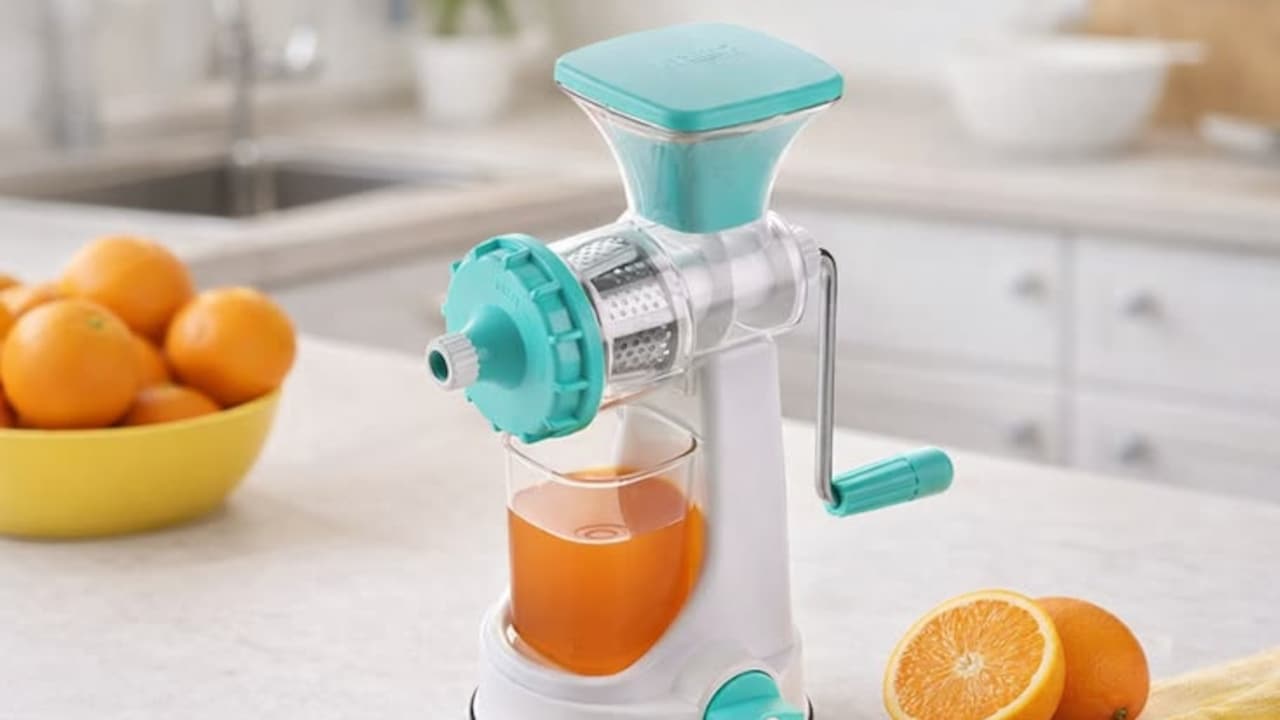
Do Manual Or Electric Juicers Extract More Nutrition? A Complete Comparison.
Morning routines across homes often begin with a familiar ritual: slicing fruits, pressing citrus, or feeding carrots into a machine that hums like it means business. Fresh juice has long held a place of pride on breakfast tables, praised for its vitamins, freshness, and instant energy boost. Yet, the choice of a juicer often sparks quiet disagreements, usually between convenience and tradition.
Manual juicers carry a certain old-school charm. They demand effort, patience, and a bit of wrist strength, but reward that effort with a sense of involvement. Electric juicers, on the other hand, promise speed and efficiency, perfect for busy mornings when every minute counts.
But beyond convenience lies the real question: which method actually retains more nutrition? Does the slow, hands-on approach preserve delicate vitamins better, or do modern machines extract more goodness through sheer power? The answer is not as straightforward as it seems.
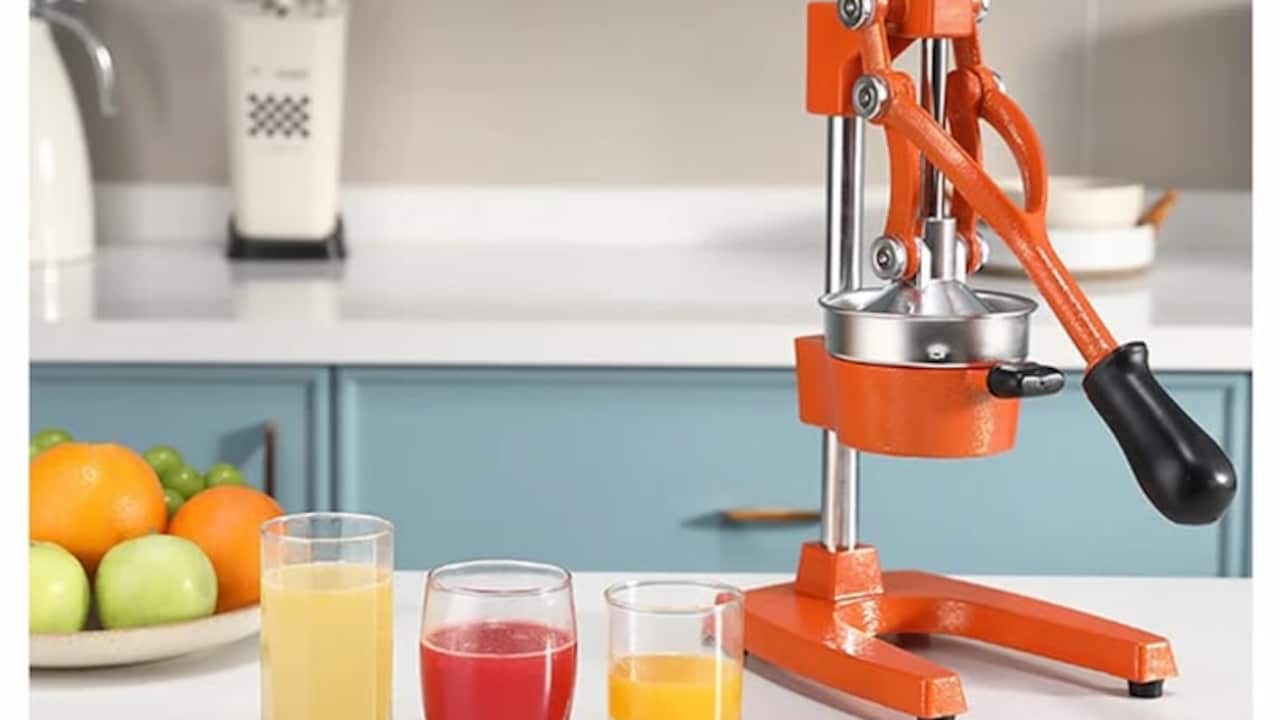
Manual Juicers Vs Electric Juicers: Which One Preserves More Nutrients?; Photo Credit: Pexels
Key Factors That Determine Nutritional Value In Juicing
The Science Of Juice Extraction
Juicing, at its core, is about separating liquid from fibre. This process, however simple it sounds, has a direct impact on nutrient retention. Vitamins like Vitamin C and certain antioxidants are sensitive to heat, light, and air exposure. When fruits or vegetables are processed aggressively, these nutrients can degrade quickly.
Manual juicers operate slowly and gently. They rely on pressure rather than speed, which reduces heat and oxidation. This means the juice remains closer to its natural state. Electric juicers, especially centrifugal ones, spin rapidly. That speed introduces heat and more air, which can lead to faster nutrient loss.
Yet, not all electric juicers behave the same way. Slow juicers, also called cold-press juicers, mimic the manual process but with greater efficiency. They crush and press ingredients rather than shredding them. So, while speed can harm nutrients, technology has found ways to balance it.
Understanding this basic science helps clarify why the debate exists in the first place.
Nutrient Retention: Does Slower Mean Better?
There is a common belief that slower juicing equals better nutrition, and there is some truth to it. When fruits and vegetables are exposed to less heat and oxygen, they tend to retain more vitamins. Manual juicers excel in this area because they operate at a human pace.
Imagine squeezing a fresh orange by hand. The juice flows out gradually, without froth or foam. This minimal exposure to air helps preserve Vitamin C, which otherwise breaks down quickly. The taste often feels fresher, sharper, and more natural.
Electric juicers, particularly fast ones, create foam due to oxidation. That foam is not harmful, but it signals that the juice has interacted more with air. Over time, this reduces nutritional quality, especially if the juice is not consumed immediately.
However, slow electric juicers challenge this idea. They produce juice with minimal oxidation, almost comparable to manual methods. So, while slower often means better, the type of electric juicer makes a significant difference.
Also Read: Upgrade Your Kitchen: Top 5 Juicer Mixer Grinders In India
Juice Yield: Extracting Every Drop
Nutrition is not just about quality; quantity matters too. A juicer that extracts more liquid from the same amount of produce can deliver more nutrients overall. This is where electric juicers often take the lead.
Manual juicers tend to leave some juice behind, especially with harder fruits like apples or vegetables like carrots. Extracting every drop requires effort and sometimes multiple attempts. Over time, this can feel tedious, especially when preparing juice for a family.
Electric juicers, particularly masticating ones, are designed to maximise yield. They crush and press thoroughly, leaving behind dry pulp. This efficiency ensures that more vitamins, minerals, and enzymes make it into the glass.
From a practical standpoint, this also saves money. Fruits and vegetables can be expensive, and wasting even a small portion adds up. Spending ₹150 on fresh produce and extracting only part of it does not feel ideal.
So, while manual juicers may preserve nutrients better per drop, electric juicers often deliver more total nutrients due to higher yield.
Heat And Oxidation: The Hidden Enemies
Heat and oxidation quietly influence the nutritional value of juice. These factors rarely get noticed during daily use but play a crucial role behind the scenes.
Manual juicers generate almost no heat. The process remains cool, which protects heat-sensitive nutrients. Oxidation also stays minimal because the juice is not aggressively exposed to air. This results in juice that stays fresh slightly longer.
Centrifugal electric juicers, however, spin at high speeds. This creates friction and heat. Even a small rise in temperature can affect delicate compounds like enzymes and antioxidants. Additionally, the rapid spinning introduces more air into the juice.
The result often appears as a layer of foam on top. While harmless, it indicates that oxidation has begun. Juice from such machines is best consumed immediately.
Cold-press electric juicers offer a middle ground. They minimise both heat and oxidation, making them closer to manual methods in preserving nutrients while still being convenient.
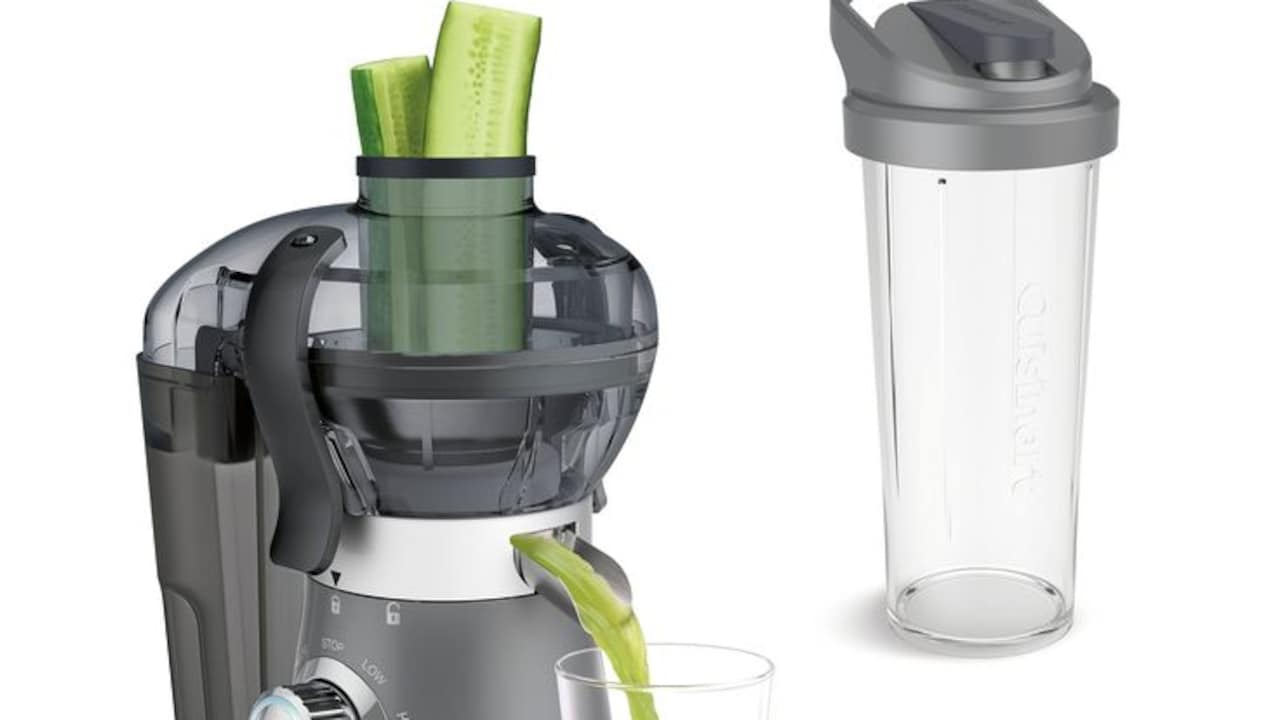
Manual Juicers Vs Electric Juicers: Which One Preserves More Nutrients?; Photo Credit: Pexels
Convenience Vs Consistency
Life rarely allows leisurely mornings every day. This is where electric juicers shine. They reduce preparation time, effort, and cleanup—three things that matter more than expected.
Manual juicing requires patience. Cutting fruits into manageable pieces, applying pressure, and repeating the process can feel like a mini workout. On a relaxed weekend, this might feel enjoyable. On a rushed weekday, it can feel like a chore.
Electric juicers simplify the process. With a press of a button, juice gets ready in minutes. This convenience often leads to consistency. And consistency matters more than perfection when it comes to nutrition.
Drinking fresh juice daily, even if slightly less nutrient-dense, can be more beneficial than occasionally consuming the “perfect” juice. After all, habits shape health more than one-time efforts.
So, while manual juicers may win in nutrient preservation, electric juicers often win in real-life usage.
Taste And Texture: A Subtle Difference
Taste is deeply personal, yet most people notice a difference between manually extracted juice and machine-made juice. Manual juicing tends to produce clearer, less frothy juice with a more natural flavour.
There is a certain brightness to manually squeezed juice. It feels closer to the fruit itself, with fewer air bubbles and a smoother mouthfeel. This often makes citrus juices taste sharper and more refreshing.
Electric juicers, especially centrifugal ones, create a slightly aerated texture. The foam can alter the taste subtly, making it feel lighter but sometimes less intense. Some people enjoy this, while others prefer the richer flavour of manual juice.
Cold-press juicers again strike a balance. They produce juice that tastes closer to manual extraction but with added efficiency.
In the end, taste can influence how often juice is consumed. A method that feels more enjoyable naturally becomes part of daily life.
Cost And Accessibility
Budget often guides household decisions more than any technical detail. Manual juicers are significantly more affordable. A sturdy hand juicer can cost anywhere between ₹200 to ₹800, making it accessible to almost everyone.
Electric juicers, however, come with a wider price range. Basic models start around ₹2,000, while advanced cold-press machines can go beyond ₹15,000. This makes them a considered purchase rather than an impulse buy.
Maintenance costs also differ. Manual juicers rarely need repairs. Electric ones may require servicing, replacement parts, or careful handling to ensure longevity.
For someone just starting with juicing, a manual option feels like a safe entry point. It allows experimentation without a heavy investment. On the other hand, those committed to daily juicing may find value in investing in a reliable electric machine.
Cost does not directly affect nutrition, but it influences long-term usage, which ultimately matters more.
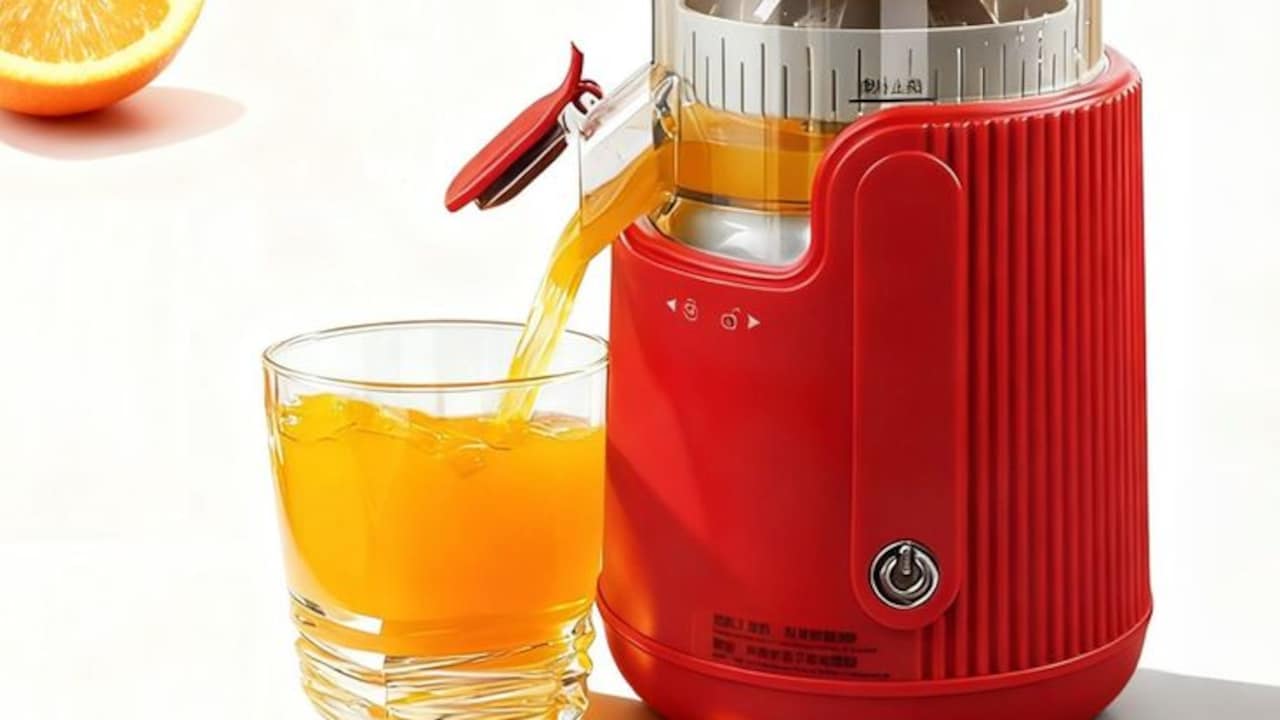
Manual Juicers Vs Electric Juicers: Which One Preserves More Nutrients?; Photo Credit: Amazon
Cleaning And Maintenance
No discussion about kitchen tools feels complete without addressing cleaning. It is often the deciding factor in whether a gadget becomes a daily companion or gathers dust in a cupboard.
Manual juicers are simple. They have fewer parts and can be cleaned quickly under running water. There is little risk of residue building up in hidden corners.
Electric juicers, especially complex ones, require more effort. Multiple components need to be dismantled and washed thoroughly. Pulp can get stuck in small crevices, demanding patience.
This extra step can discourage regular use. After a long day, cleaning a complicated machine feels less appealing than a quick rinse of a manual juicer.
However, many modern electric juicers now come with easier cleaning designs. Still, the simplicity of manual juicers remains unmatched in this aspect.
Versatility In Ingredients
Manual juicers work best with soft fruits, particularly citrus. Oranges, lemons, and pomegranates are their comfort zone. Trying to juice harder vegetables can quickly turn into a frustrating experience.
Electric juicers expand possibilities. They can handle carrots, beetroot, spinach, and even leafy greens. This versatility opens the door to more diverse and nutrient-rich combinations.
Green juices, for instance, require extracting juice from fibrous ingredients. Doing this manually is nearly impossible without significant effort. Electric juicers make it effortless.
This variety contributes to better nutrition overall. A wider range of ingredients means a broader spectrum of vitamins and minerals.
So, while manual juicers may preserve nutrients better in specific cases, electric juicers enable a more varied and balanced intake.
The Emotional Connection To Food
Food is not just about nutrients; it carries emotions, memories, and routines. Manual juicing often feels more connected and intentional. It brings a sense of involvement, almost like cooking a meal from scratch.
There is a quiet satisfaction in squeezing fresh juice by hand. It slows things down, even if only for a few minutes. In a fast-paced lifestyle, this pause can feel grounding.
Electric juicers, in contrast, align with modern efficiency. They fit seamlessly into busy schedules, ensuring that nutrition does not get sidelined.
Both approaches have their own emotional value. One offers mindfulness, the other offers practicality. Neither is inherently better—it depends on what feels sustainable and enjoyable.
Products Related To This Article
1. CHEFWARE Aluminum Instant Hand Press Citrus Fruits and Vegetable Juicer
2. NutriPro Juicer Mixer Grinder - Smoothie Maker - 500 Watts
3. Aluminum Hand Press Juicer Manual Citrus & Fruit Juicer for Kitchen Use Sturdy Metal Juicer for Home
4. INALSA Stainless Steel Electric Juicer Machine 900 Watt Juicer with 3 Inch Big Mouth
5. Juicer For Home LUMONY Manual Hand Press Juicer
So, which juicer extracts more nutrition? The answer lies somewhere in between.
Manual juicers excel in preserving delicate nutrients due to minimal heat and oxidation. They offer freshness, simplicity, and a sense of connection. However, they fall short in efficiency, versatility, and convenience.
Electric juicers, particularly cold-press ones, strike a balance. They extract more juice, handle a wider range of ingredients, and fit into busy lifestyles. While some nutrient loss may occur in high-speed models, the overall intake often compensates for it.
In real life, the best juicer is the one that gets used regularly. A glass of fresh juice every day, regardless of the method, contributes more to well-being than occasional perfection.
Ultimately, the choice is less about machines and more about habits. Whether powered by hand or electricity, the goal remains the same: a healthier, more refreshing start to the day.
(Disclaimer: This article may include references to or features of products and services made available through affiliate marketing campaigns. NDTV Convergence Limited (“NDTV”) strives to maintain editorial independence while participating in such campaigns. NDTV does not assume responsibility for the performance or claims of any featured products or services.)