Why Certain Water Purifiers Reduce Water Taste Quality: Top Tips To Pick The Right One
Many water purifiers remove essential minerals along with impurities, leaving water tasting flat or bitter. Here’s how to choose a purifier that keeps water both safe and pleasant to drink.
Does Your Water Purifier Make Water Taste Bad? This Is How To Fix It
A glass of water should feel refreshing. It should cool the throat after a long afternoon in traffic, pair perfectly with a plate of spicy biryani, or simply taste clean enough to encourage another sip. Yet many homes discover an odd problem soon after installing a new purifier. The water looks crystal clear but tastes dull, salty, bitter, or almost medicinal. Suddenly, everyone reaches for hot tea, juice, or fizzy drinks instead. The irony feels hard to ignore. A machine bought to improve water quality sometimes makes water less pleasant to drink. In many cases, the purifier itself is not faulty. The real issue lies in choosing the wrong purification method for the local water source or ignoring basic upkeep. Water taste depends on minerals, balance, freshness, and storage conditions. Remove too much, and water loses character. Leave contamination behind, and the flavour turns unpleasant for entirely different reasons.
Does Your Water Purifier Make Water Taste Bad? This Is How To Fix It; Photo Credit: Pexels
With water purifiers becoming common in flats, villas, offices, and even small roadside cafés, understanding how these systems affect taste matters more than ever. No one wants to spend ₹15,000 or more on a purifier only to end up boiling water separately because “the machine water tastes weird”. The good news is that a few smart decisions can solve most of these issues. The right purifier should protect health without turning every glass into a chemistry experiment.
Why Water Purifier Taste Problems Deserve Attention
Understanding Why Water Needs Minerals
Water without minerals often tastes lifeless. Calcium, magnesium, potassium, and sodium naturally add a subtle flavour that gives drinking water its fresh feel. Some purification systems remove nearly everything from the water, leaving behind a flat taste that many people compare to boiled rainwater.
Reverse osmosis systems frequently cause this issue when used unnecessarily. In areas where the municipal supply already falls within safe limits, an aggressive RO purifier strips away beneficial minerals along with contaminants. The result tastes strangely empty. Even chilled water cannot hide that bland finish.
Many households notice this problem only after switching from traditional filtered water stored in clay pots. Earthen pots naturally cool water and preserve some mineral character. Modern purifiers, on the other hand, sometimes focus so heavily on purity that taste becomes an afterthought.
A good purifier should balance safety and flavour. Mineral retention technology or post-treatment mineral cartridges can improve taste significantly. Before buying any machine, checking the Total Dissolved Solids level of local water helps avoid unnecessary over-purification. Water does not need to taste like distilled laboratory liquid to be safe.
Also Read: Grab Best Deals On Hot And Normal Water Purifiers For Home: Compare Features And Price
The Hidden Problem Of Over-Purification
More purification does not always mean better water. Marketing campaigns often convince buyers that a purifier with six, seven, or even ten stages must automatically deliver superior results. Reality works differently.
In many cities, treated municipal water already undergoes basic purification before reaching homes. Installing an advanced RO system on top of that process can push filtration too far. The machine removes not only harmful substances but also naturally occurring minerals that support flavour.
The taste changes slowly at first. Tea may start tasting slightly odd. Rice cooked with purified water may feel softer than usual. Eventually, even plain drinking water feels unpleasantly neutral.
Over-purification also increases water wastage. Some RO systems reject two to three litres for every litre purified. During summer shortages, watching gallons flow down the drain feels painful enough to make anyone mutter under their breath.
The smarter approach involves matching technology with actual water quality. Hard groundwater often requires RO purification. Soft municipal water may only need UV or UF treatment. A simple water test can prevent costly mistakes and save thousands of rupees over time. Buying the strongest purifier available without understanding local water conditions resembles wearing a winter jacket during a Mumbai heatwave. Technically possible, but deeply uncomfortable.
Does Your Water Purifier Make Water Taste Bad? This Is How To Fix It; Photo Credit: Pexels
Why Filter Maintenance Changes Water Taste
Even the best purifier loses effectiveness without proper maintenance. Filters collect dirt, bacteria, sediments, and chemical particles over time. Once clogged, they stop functioning properly and begin affecting the water's flavour.
A neglected purifier often produces water with a musty smell or metallic aftertaste. Some households blame the water source, while the real culprit quietly sits inside the machine. Old filters can also slow purification speed, causing unusual sounds and inconsistent taste.
Service schedules matter more than many people realise. Delaying maintenance by several months may save ₹1,500 temporarily, but it compromises water quality. In humid weather, dirty filters become breeding grounds for microorganisms. The purifier then does the exact opposite of its intended purpose.
Storage tanks require equal attention. Many families clean kitchen shelves every week yet forget the purifier tank entirely. Over time, slime and residue build up inside. The first glass poured each morning may carry a stale flavour because the tank has not seen proper cleaning in years.
Regular servicing keeps the taste consistent and improves the machine's lifespan. Water should never smell suspicious enough to make guests politely ask for chai instead.
The Role Of TDS Levels In Water Flavour
Total Dissolved Solids, commonly called TDS, influence how water tastes. Extremely high TDS creates salty or bitter water, while extremely low TDS produces flatness. The sweet spot usually lies somewhere in the middle.
Many modern purifiers aggressively reduce TDS because consumers associate lower numbers with cleaner water. That assumption confuses. Water with very low TDS may technically appear pure, yet taste unpleasant due to mineral loss.
Some machines now include TDS controllers that retain essential minerals while reducing harmful substances. These systems offer a more balanced flavour and often encourage better hydration habits. People naturally drink more water when it tastes fresh.
Taste preferences also vary regionally. In some places, families grow accustomed to slightly mineral-rich groundwater. Suddenly switching to ultra-purified water can feel jarring. The tongue notices even small changes quickly.
Checking local water reports before buying a purifier makes practical sense. Several brands advertise advanced technology without explaining whether it suits the existing supply. A purifier should adapt to the water, not force every household into the same treatment style.
After all, drinking water should feel inviting. No one wants every sip to taste as if it came from a hospital corridor dispenser.
How Storage Conditions Affect Purified Water
Purification forms only one part of the story. Storage conditions also shape taste quality. Water left standing for too long loses freshness regardless of how advanced the purifier may be.
Direct sunlight creates problems quickly. Warm storage encourages bacterial growth and gives water a stale flavour. Plastic containers sometimes add a faint chemical smell, especially during hot afternoons when kitchen temperatures rise sharply.
Many homes store purified water in steel vessels or decorative dispensers without regular cleaning. Over time, residue develops along the edges. Even invisible build-up changes flavour noticeably.
Power cuts create another overlooked issue. During outages, stagnant water may remain inside the purifier tank for several hours. If this happens repeatedly, taste quality declines gradually.
Fresh circulation matters. Families that consume and refill water regularly often notice better taste than homes where water sits untouched all day. Smaller storage tanks sometimes maintain freshness better because water cycles more frequently.
Traditional clay matkas continue to survive for good reason. They naturally cool water while allowing slight aeration, creating a refreshing taste difficult for plastic bottles to match. Combining modern purification with sensible storage methods often delivers the best results.
Technology can clean water brilliantly, but common sense still plays an equally important role.
Choosing The Right Purifier For Groundwater
Groundwater quality differs drastically between regions. In some areas, the water carries excess hardness, iron, or salinity. In others, contamination levels remain relatively moderate. Using the wrong purifier creates unnecessary taste issues.
RO systems usually work best for hard groundwater with high TDS levels. They remove dissolved salts effectively and improve drinkability. However, poor-quality RO membranes may leave water tasting artificial or overly processed.
Iron contamination presents another challenge. Water with excess iron often develops a metallic flavour and a yellowish tint. Specialised filtration systems help tackle this issue more effectively than generic purifiers.
Borewell water frequently changes seasonally, too. During monsoon months, contamination risks rise because rainwater affects underground sources. A purifier suited for summer conditions may struggle during heavy rainfall periods.
This explains why neighbours living in the same building sometimes report different water experiences. Storage tanks, plumbing age, and floor level all influence supply quality.
Consulting a proper water analysis service before purchasing a purifier can prevent frustration later. Spending ₹500 on testing often saves far more than blindly purchasing an expensive machine based solely on flashy advertisements featuring celebrities holding sparkling glasses.
Water treatment should solve problems quietly. If family members constantly discuss strange-tasting water at dinner, something has gone wrong.
Does Your Water Purifier Make Water Taste Bad? This Is How To Fix It; Photo Credit: Pexels
Why Cheap Purifiers Often Compromise Taste
Budget-friendly appliances attract attention easily, especially during online festive sales. A purifier priced dramatically lower than competitors may appear tempting, but hidden compromises often affect performance and taste.
Low-cost systems sometimes use inferior filters that fail to maintain consistent purification quality. Initially, the water may seem acceptable. Within months, unusual tastes begin appearing because the filters degrade faster than expected.
Poor sealing inside storage tanks creates another issue. Tiny leaks allow contamination and odours to enter. Water then develops a stale or plasticky flavour that grows stronger over time.
Replacement parts also matter. Some lesser-known brands disappear quickly from the market, leaving customers struggling to find compatible filters. Households continue using expired cartridges simply because replacements remain unavailable.
That decision affects both health and flavour.
A reliable purifier represents a long-term investment rather than an impulse purchase. Spending slightly more upfront often ensures better durability, stronger after-sales support, and stable taste quality.
Nobody enjoys discovering that the “amazing deal” from last Diwali now produces water tasting faintly like wet cardboard.
Smart buyers focus on certification standards, servicing networks, and genuine customer feedback instead of dramatic discount banners alone.
The Influence Of Chlorine On Taste
Municipal water treatment plants commonly use chlorine to kill harmful microorganisms. While chlorine improves safety, excess levels create a strong chemical taste and smell.
Many people describe chlorinated water as similar to swimming pool water. That sharp flavour becomes particularly noticeable in tea, coffee, and soups. Even homemade lemonade tastes slightly off when chlorine levels rise.
Carbon filters help reduce chlorine effectively. However, old carbon cartridges lose efficiency over time. Once saturated, they stop absorbing chemicals properly and may even release trapped contaminants back into the water.
Seasonal changes influence chlorine levels, too. During monsoon periods, treatment plants often increase disinfection measures to handle contamination risks. Residents may suddenly notice stronger odours despite using the same purifier.
Allowing water to breathe slightly before drinking can improve flavour in mild cases. Refrigeration also reduces the chlorine smell somewhat. However, persistent taste issues usually indicate filter replacement needs.
Many households assume all unpleasant flavours come from purifier faults when the municipal supply itself changes periodically. Understanding this distinction helps avoid unnecessary panic.
Good water should support daily life quietly in the background. It should not spark dramatic family debates every time someone fills a bottle before bed.
Why Water Temperature Impacts Taste Perception
Temperature changes how people experience flavour. Slightly cool water generally tastes fresher because lower temperatures suppress unpleasant notes. Warm water exposes bitterness and chemical aftertastes more strongly.
This explains why some purified water tastes acceptable straight from the fridge but unpleasant at room temperature. The cooling masks flavour imbalances temporarily.
Kitchen placement matters here. Purifiers installed near gas stoves or direct sunlight often store water at higher temperatures. During peak summer afternoons, tank water may become lukewarm and reveal hidden taste problems.
Steel bottles preserve flavour better than low-quality plastic containers left inside parked cars or balconies. Heat exposure causes certain plastics to release odours that affect drinking quality significantly.
Restaurants understand this principle well. Even average water tastes more refreshing when served chilled in clean glasses. Meanwhile, perfectly purified water can seem unappealing if stored poorly.
Families often overlook environmental conditions while blaming purification technology alone. Sometimes, simply relocating the purifier away from heat sources improves taste noticeably.
Small details shape daily comfort more than people realise. A satisfying glass of water after returning home from crowded local trains should feel genuinely refreshing, not like a compromise forced by expensive machinery.
Balancing Health, Taste, And Practicality
The perfect purifier does not exist because every household faces different water conditions. The ideal choice balances safety, taste, maintenance, and practicality without becoming unnecessarily complicated.
Many buyers focus entirely on advanced technology while ignoring everyday usability. Complicated systems with endless settings often confuse users. Simpler, well-designed purifiers usually perform more consistently.
Taste matters because it influences hydration habits. When water tastes pleasant, families drink more naturally. Children stop demanding sugary alternatives constantly. Guests refill glasses without hesitation.
Health remains the primary goal, of course. Yet safe water should still feel enjoyable. A purifier that destroys flavour completely may discourage proper hydration, especially among elderly family members who already struggle to drink enough water daily.
Long-term maintenance costs deserve attention, too. Some affordable machines require expensive yearly servicing, while premium models may offer lower operating expenses over time.
The best purchase decisions combine local water testing, realistic budgeting, and careful brand research. Fancy advertising cannot replace suitability.
At its core, water should support comfort, routine, and well-being effortlessly. The right purifier fades quietly into daily life. Nobody talks about it much because it simply works. That silent reliability often matters far more than flashy digital displays or futuristic marketing promises.
Products Related To This Article
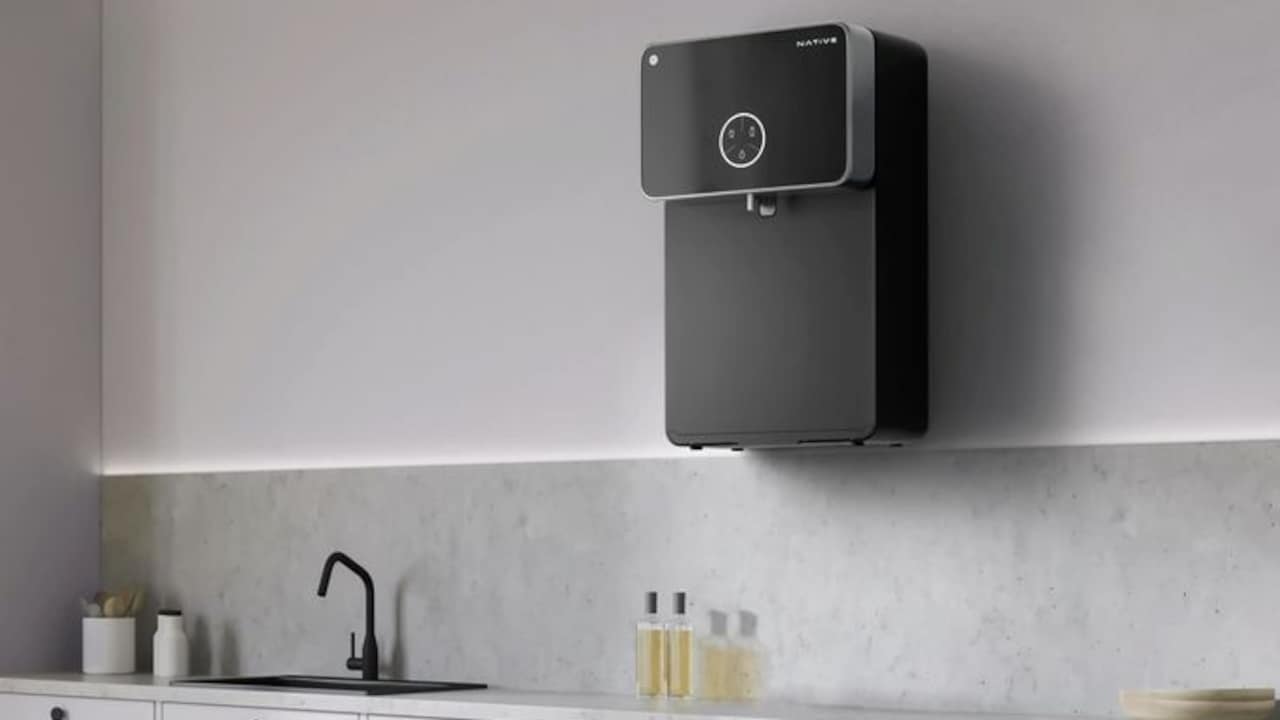
1. Native M1 Pro Water Purifier by Urban Company
2. Pureit Wave Prime Water Purifier for Home (Black) with RO+MF Filtration
3. AquaX Pure Ro water Purifier RO+UV+COPPER+ZINC 10 Stages Purification
4. AQUA D PURE 4 in 1 Copper RO Water Purifier with 10 Stage Purification Filtration
5. Proven Swift Aqua RO + UV + UF Water Purifier
6. Kinsco Aqua Punch 15 Litre Copper + RO + UV + UF + TDS Adjuster Pure Copper Water Purifier Dispenser Machine
7. KENT Grand RO Water Purifier | Advanced RO Tech for Sabse Shudh Paani
Water purifiers play an essential role in protecting households from contamination, yet the wrong system can easily ruin the simple pleasure of drinking water. Flatness, bitterness, metallic notes, or chemical smells usually stem from over-purification, poor maintenance, unsuitable filtration methods, or bad storage habits.
Choosing the right purifier begins with understanding local water quality rather than blindly following trends or advertisements. Mineral balance, TDS levels, filter condition, storage practices, and seasonal changes all shape flavour in subtle but important ways.
A good purifier should make water feel clean, refreshing, and pleasant enough to encourage healthy hydration every day. Safe water does not need to taste lifeless. With thoughtful selection and proper care, households can enjoy the best of both worlds, protection and flavour in every glass.
(Disclaimer: This article may include references to or features of products and services made available through affiliate marketing campaigns. NDTV Convergence Limited (“NDTV”) strives to maintain editorial independence while participating in such campaigns. NDTV does not assume responsibility for the performance or claims of any featured products or services.)