Does A Taller Fan Move More Air? 10 Cooling Myths Explained
Do taller fans move more air? Discover the truth behind 10 common cooling myths about fan height, blade size, speed, airflow, energy use and room comfort.
Does A Taller Fan Move More Air? 10 Cooling Myths Explained
Fans rarely get much attention until the afternoon heat turns a room into something resembling a pressure cooker. Then every detail suddenly matters. Should the pedestal fan stand higher? Do more blades mean stronger airflow? Does running a ceiling fan at full speed cool the room faster? And does an expensive model automatically perform better? These questions have helped several cooling myths settle comfortably into everyday conversation. Some started with older fan designs. Others grew from clever marketing or simple assumptions that sound convincing enough to repeat. The reality is more interesting. A fan does not lower room temperature in the same way an air conditioner does. Instead, it moves air across the body, helping sweat evaporate and making the surroundings feel more comfortable. Its performance depends on factors such as blade design, motor efficiency, speed, placement, and room size. So before raising a pedestal fan to its maximum height or assuming six blades must beat three, it helps to separate useful cooling logic from household folklore.
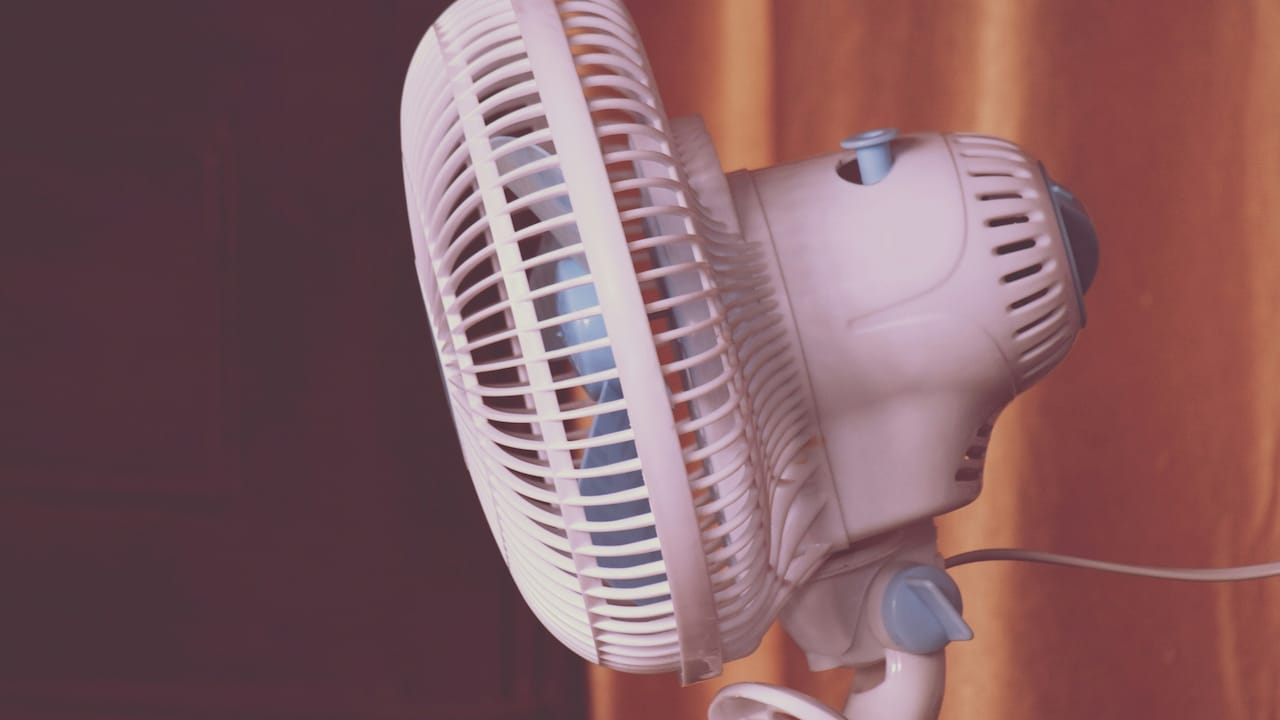
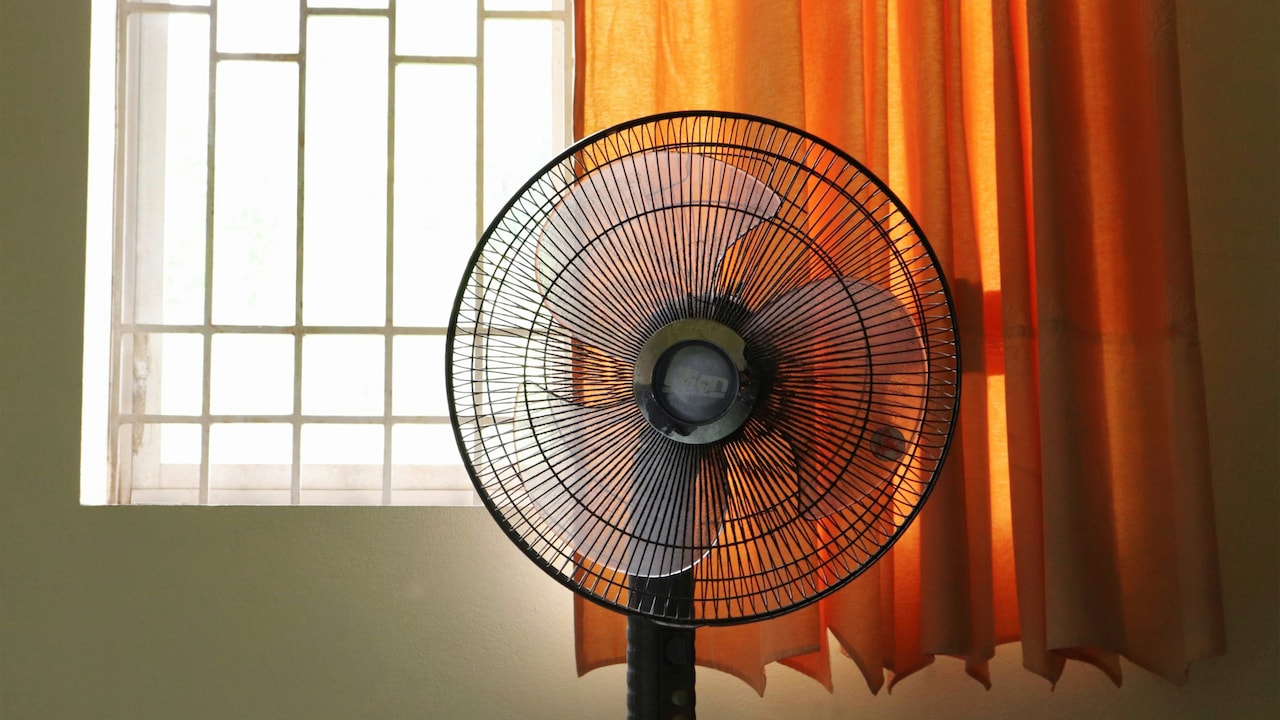
Does A Taller Fan Move More Air? 10 Cooling Myths Explained; Photo Credit: Pexels
10 Common Fan Cooling Myths You Should Stop Believing
1. A Taller Fan Always Moves More Air
This sounds sensible at first. A tall pedestal fan looks bigger, sits prominently in a room and can send air across beds, sofas and dining tables. Yet height does not automatically increase airflow.
The amount of air a fan moves depends mainly on its motor, blade size, blade shape, rotational speed and overall design. Raising the fan simply changes where that airflow travels.
Imagine a pedestal fan beside a sofa during a sticky May afternoon. At its lowest setting, most of the breeze may hit your knees. Raise the stand, and the same airflow reaches your face and upper body. The fan suddenly feels more effective, even though it may not move any additional air.
Height still matters for comfort. A taller position can help air clear furniture and spread through an occupied part of the room. It can also work better when several people need the breeze.
Think of height as an aiming tool rather than a horsepower button. The right level improves where the air goes. It does not magically create more of it.
Also Read: 7 Best Tower Fans For Small Rooms To Use This Summer In India
2. More Fan Blades Mean Stronger Cooling
A five-blade fan often looks more substantial than a three-blade model. That visual weight can create an easy assumption: more blades must mean more wind.
Not necessarily.
Blade count influences airflow, noise, drag and motor load, but the entire fan design matters far more than the number printed on the box. Blade angle, length, width, motor torque and rotation speed all work together.
A well-designed three-blade ceiling fan can deliver excellent airflow in a large bedroom. Meanwhile, a decorative fan with several narrow blades may prioritise appearance and quiet operation over sheer air movement.
More blades can sometimes produce smoother airflow because the gaps between passing blades become smaller. They may also increase resistance, meaning the motor must work harder to maintain speed.
So counting blades while shopping tells only part of the story. Air delivery figures, room-size recommendations and energy efficiency provide much more useful clues.
Choosing a fan purely by blade count is a little like judging a dosa by diameter. Size catches the eye, but the real experience depends on what went into making it.
3. Higher Speed Always Means Better Cooling
Turning the regulator to maximum feels almost ceremonial on a hot afternoon. One twist, a sudden rush of air, and relief arrives.
Higher speed generally increases airflow, but maximum speed does not always give the best comfort.
A powerful breeze can feel wonderful when you have just walked home under fierce sunshine. At night, however, the same setting may feel noisy, dry or irritating. Papers may flutter across the table, curtains may dance wildly and anyone sitting directly underneath may start searching for the regulator again.
Comfort depends on air movement across the skin, not simply the highest possible revolutions per minute. A medium setting can provide enough evaporation and circulation while using less electricity and creating less noise.
Room conditions matter too. During humid weather, stronger airflow often helps because sweat evaporates less easily. During cooler evenings, gentle circulation may do the job perfectly.
The best fan speed, then, is not automatically “full”. It is the lowest setting that keeps the space comfortable.
Sometimes cooling smarter means resisting the urge to treat the regulator like a volume knob at a wedding.

Does A Taller Fan Move More Air? 10 Cooling Myths Explained; Photo Credit: Pexels
4. A Fan Actually Lowers The Room Temperature
This may be the most persistent cooling myth of all.
A conventional fan does not significantly reduce the temperature of a closed room. It makes people feel cooler by moving air across their skin. That airflow speeds up evaporation and helps the body release heat more comfortably.
This explains a familiar experience. Walk into an empty bedroom where the fan has been running for an hour, and the room may not feel noticeably colder. Sit beneath the moving air, though, and comfort improves almost immediately.
In fact, the fan motor produces a small amount of heat while operating. Leaving several fans running in an empty home therefore does not “store” coolness for later.
The practical lesson is simple: switch fans off when nobody needs them, unless they serve another purpose such as ventilation.
Fans work brilliantly as personal cooling devices. They can also support air circulation when windows or doors allow fresh air to move through the space.
But expecting a fan to chill an empty room is like leaving a hand fan waving beside an unattended chair. The breeze only matters when someone is there to enjoy it.
5. Bigger Blades Always Give Better Airflow
Large blades can move impressive amounts of air, which makes this myth partly believable. Yet bigger does not always mean better.
Blade size must suit the motor, rotation speed and room dimensions. A wide sweep in a compact room may create unnecessary turbulence, while a small fan in a spacious hall may struggle to circulate air effectively.
Ceiling height matters as well. A large fan installed too close to walls, beams or cupboards cannot move air as efficiently as one with enough surrounding space.
Manufacturers design blade length and motor performance as a system. Simply choosing the largest sweep available may not produce the most comfortable result.
For a typical bedroom, the goal should be even air distribution rather than dramatic gusts directly beneath the fan. Larger living areas may need a bigger sweep or even two fans positioned intelligently.
Think about the room before admiring the blade diameter. Measure the space, check the recommended coverage and consider furniture placement.
A fan that suits the room often feels far more effective than an oversized model chosen because its blades look capable of launching a small aircraft.
6. A Ceiling Fan Should Always Run Clockwise
Direction often causes confusion, particularly because advice from colder countries regularly appears online.
Many ceiling fans rotate in one direction during normal operation, creating downward airflow that helps people feel cooler. Some reversible models can spin the opposite way to redistribute warm air near the ceiling during cold weather.
That second function makes more sense in places where homes use heating for long periods. In a warm climate, most households simply want strong downward airflow.
So rather than memorising “clockwise” or “anti-clockwise”, check what the fan actually does. Stand beneath it. If you feel a clear downward breeze, the direction suits summer cooling.
Fan designs can differ, so relying on direction alone creates unnecessary confusion.
The useful principle is airflow, not compass-style rules.
Reversible fans still have value, especially in air-conditioned spaces or regions with genuinely chilly winters. Yet for everyday hot-weather comfort, direct downward movement usually matters most.
A fan does not care which rule somebody shared in a family WhatsApp group. It responds to blade pitch, motor direction and physics. Your skin provides a surprisingly reliable test.
Does A Taller Fan Move More Air? 10 Cooling Myths Explained; Photo Credit: Pexels
7. Expensive Fans Always Cool Better
Price can reflect better materials, efficient motors, smarter controls, quieter operation and stronger warranties. It does not guarantee stronger airflow.
A ₹8,000 designer ceiling fan may look stunning above a carefully planned living room, but a simpler ₹3,000 model could deliver comparable or even greater air movement. The premium model may justify its price through finishes, remote controls, low noise or energy efficiency rather than raw cooling power.
That distinction matters while shopping.
Instead of assuming cost equals performance, compare specifications that affect everyday use. Look at air delivery, wattage, sweep size, noise claims, motor type and warranty terms.
Energy-efficient BLDC fans, for example, can cost more upfront than conventional models but consume substantially less electricity during regular use. For a fan that runs through long nights and warm afternoons, lower power consumption can become meaningful over time.
The best value therefore depends on priorities. Some homes need quiet operation. Others need maximum airflow. Design may matter greatly in a drawing room but far less in a study corner.
Price tells you what the fan costs. Specifications tell you what it actually does.
8. Fans Use Almost No Electricity
Compared with air conditioners, fans usually consume far less power. That difference sometimes creates another myth: fans use so little electricity that consumption barely matters.
One fan may not look significant, but several fans running for many hours can add up.
A conventional ceiling fan might operate for most of the day during hot months. Multiply that usage across bedrooms, living spaces and work areas, and electricity consumption becomes noticeable.
This is where efficient motors can make a genuine difference. Modern BLDC fans generally consume less power than many traditional induction-motor fans while still delivering useful airflow.
Usage habits matter too. Running a fan in an empty room wastes energy because the fan mainly cools people, not the room itself.
Simple behaviour helps. Switch unused fans off, choose an appropriate speed and keep blades clean so airflow does not suffer.
Nobody needs to patrol the house like an electricity inspector, of course. The point is simply that “small appliance” does not mean “free to run”.
A fan may sip electricity compared with an air conditioner, but five fans sipping all day can still finish the glass.
9. Dust On Fan Blades Does Not Affect Performance
That fuzzy grey layer along the edge of a ceiling-fan blade may look harmless. It is not merely a decoration supplied by summer.
Dust changes the blade surface and can interfere with smooth airflow. Heavy build-up may also create imbalance, vibration and extra noise.
Fans collect dust surprisingly quickly because their blades constantly move through indoor air. Kitchens can make the problem worse when airborne grease combines with dust and forms a stubborn coating.
Cleaning the blades will not transform an old fan into a wind tunnel, but regular maintenance helps it perform as intended. It also prevents clumps of dust from dropping onto beds, tables or freshly cleaned floors — usually five minutes after somebody finishes sweeping.
Switch the fan off completely before cleaning. Use a stable stool or ladder, and wipe each blade gently rather than bending or twisting it.
Pedestal and table fans need similar attention. Their guards and blades can gather enough dust to restrict airflow noticeably.
A clean fan often feels fresher, sounds better and looks less like it has survived three monsoons without supervision.
10. One Powerful Fan Can Cool Any Room
A powerful fan helps, but room layout still wins plenty of battles.
Large halls, L-shaped rooms and spaces divided by furniture can develop areas where airflow barely reaches. One strong fan at one end may create an excellent breeze near the sofa while leaving the dining table strangely untouched.
Placement matters just as much as power.
Ceiling fans work best when positioned to distribute air through occupied zones. Long rooms may benefit from two smaller fans rather than one enormous model in the centre. Pedestal fans can help direct air towards corners, work desks or seating areas where ceiling airflow feels weak.
Doors and windows also influence circulation. During cooler parts of the day, placing a fan where it encourages cross-ventilation can make the room feel much fresher.
The aim is not to create the strongest possible gust. It is to move air where people actually spend time.
So before replacing a fan because one corner feels warm, study the room for a moment. Sometimes the solution involves position rather than power.
Even the strongest fan cannot successfully negotiate with a wardrobe blocking half its airflow.
Products Related To This Article
1. V-Guard Esfera STS Plus Neo 2-in-1 400mm Pedestal & Table Fan|Red Black
2. NUUK LIT PRO Rechargeable Table Fan| 3 Mood Lights
3. DIGISMART 400 MM Bullet Fan/Farrata Fan, Pedestal Fan for Home
4. Bajaj Frore Neo 400 MM Oscillating Pedestal Fan For Home
5. IBELL 400mm (16 Inch) Pedestal Fan with Timer, High Speed Air Delivery
6. HAVAI 26-Inch BLDC Pedestal Fan
7. HAVAI 26″ Commercial Mist Fan, 260W Copper Motor
Fans may be simple appliances, but cooling well involves more than blade count, height or the highest speed setting.
A taller pedestal fan does not automatically move more air. It simply changes where that air travels. Bigger blades, extra blades and higher prices can influence performance, but none of them guarantees better cooling on their own. Motor design, air delivery, room size, placement and energy efficiency matter far more.
Good cooling also comes from sensible habits. Match the fan to the room, choose a comfortable speed, clean it regularly and switch it off when nobody needs the breeze.
Most importantly, remember what a fan actually does. It does not refrigerate the room. It helps the people inside feel cooler.
That small distinction clears up nearly every fan myth in one go. And when the temperature climbs, understanding the difference can help you choose a fan that works with the room rather than simply looking impressive in it.
(Disclaimer: This article may include references to or features of products and services made available through affiliate marketing campaigns. NDTV Convergence Limited (“NDTV”) strives to maintain editorial independence while participating in such campaigns. NDTV does not assume responsibility for the performance or claims of any featured products or services.)