Electric Kettle Safety: Essential Features You Need In 2026
Boiling water shouldn’t be a safety risk. In 2026, the right electric kettle needs smart shut-off, boil-dry protection, cool-touch design and stable wiring. Here’s what truly keeps your kitchen safe.
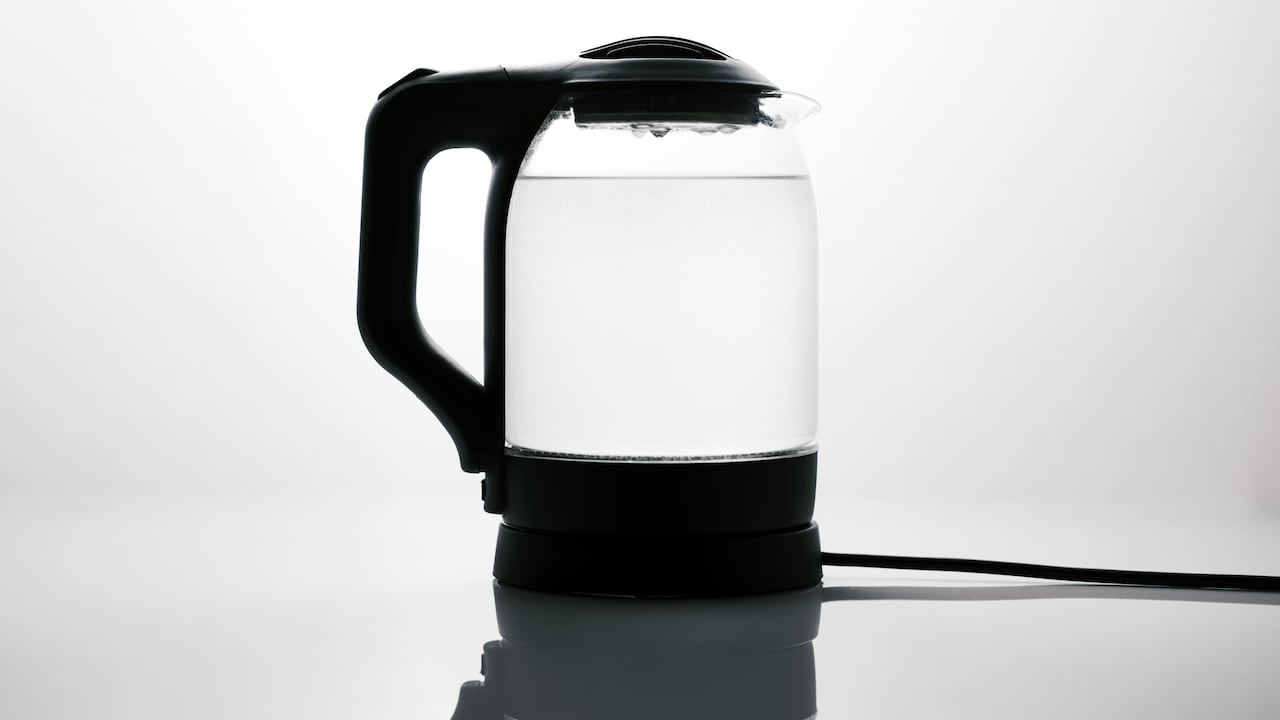
Electric Kettle Safety In 2026: Here Are The Top Must-Have Features For A Safer Kitchen.
A steaming cup of chai at 6 am. A late-night bowl of instant noodles during the monsoon. A quick green tea before logging into work. The electric kettle has earned its place as one of the most used small appliances in modern homes. It saves time, trims gas bills, and handles everything from coffee to oats without complaint.
Yet convenience often overshadows caution. A kettle boils water at 100°C. That's no small matter. A faulty lid, a weak cord, or poor insulation can turn a harmless routine into a painful accident. Stories of melted bases, electric sparks, and scalded fingers circulate every year. Many of these incidents could have been avoided with better safety features.
As households upgrade appliances in 2026, safety deserves equal weight as design and speed. Shiny finishes and quick-boil promises attract attention, but hidden engineering keeps families secure. The good news? Manufacturers now focus heavily on protective technologies. Trusted brands such as Philips and Havells have invested in smart safety mechanisms that reduce risk without inflating prices beyond ₹2,000–₹4,000 for mid-range models.
This guide explores essential safety features every electric kettle should offer in 2026, along with practical advice to make a smart and confident choice.
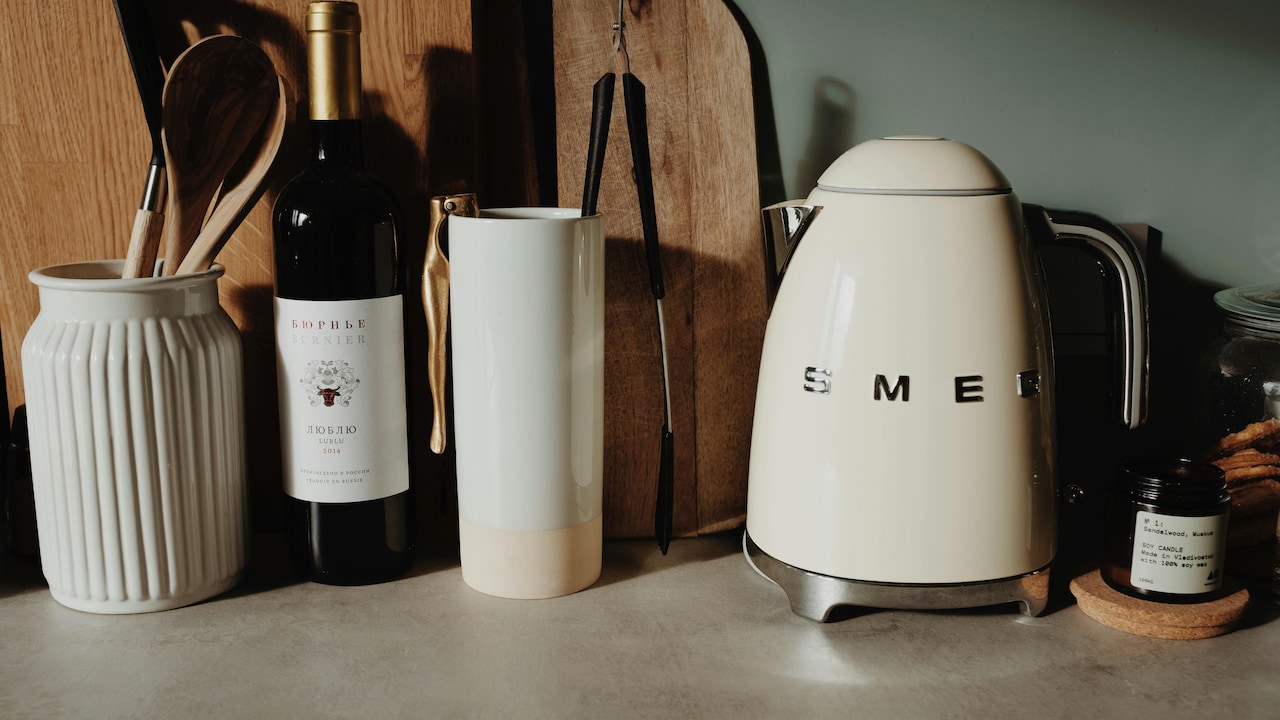
Top Electric Kettle Safety Features Every Home Needs In 2026
Photo Credit: Pexels
Automatic Shut-Off Technology
Automatic shut-off stands as the single most important safety feature in any electric kettle. Without it, water could continue boiling until the appliance overheats or burns dry. That scenario risks damaging the heating element and, in extreme cases, creating a fire hazard.
In 2026, automatic shut-off systems respond within seconds after water reaches boiling point. A thermostat detects the rising temperature and cuts power instantly. This feature prevents over-boiling and reduces electricity waste. In households juggling office calls, school runs, and traffic chaos, distractions happen. A kettle that switches off on its own becomes a quiet guardian in the kitchen.
Advanced models now include steam sensors positioned beneath the lid. As steam builds, the sensor triggers the switch. This design reduces mechanical failure and extends appliance life. A kettle priced around ₹2,500 with a reliable shut-off can last five years or more with proper care.
When shopping, check for certification marks and a clear mention of thermostat-based shut-off. Avoid models that vaguely promise “auto function” without explanation. Clear labelling signals better engineering and stronger consumer trust.
Boil-Dry Protection Mechanism
Boil-dry protection addresses a common mistake: switching on the kettle without enough water inside. It happens more often than admitted. Someone empties the kettle, places it back on the base, and presses the switch out of habit. Within minutes, the heating element strains under intense heat.
A kettle equipped with boil-dry protection senses insufficient water and immediately cuts power. This mechanism prevents internal damage and avoids potential sparks or burning smells. It also saves money by protecting the appliance from early failure.
Modern sensors rely on thermal cut-outs. If the base temperature rises unusually fast, the kettle assumes there's little or no water and switches off. The system resets automatically once it cools down, allowing safe reuse.
Boil-dry protection proves especially helpful in busy homes where multiple people share the kitchen. A teenager making late-night Maggi or an elder reheating water might forget to check the level. A kettle with this safeguard acts as backup protection.
Given rising electricity tariffs in many cities, protecting appliances from damage reduces long-term expenses. Spending ₹3,000 on a kettle with robust boil-dry technology makes far more sense than replacing a cheaper ₹1,200 unit every year.
Cool-Touch Exterior Design
The outer surface of a kettle can become dangerously hot, particularly in stainless steel models. A simple touch after boiling may result in painful burns. Cool-touch exteriors solve this problem with double-wall insulation.
In 2026, double-layer bodies have become more common, even in mid-range models. The inner layer handles heating, while the outer layer remains safe to touch. This design suits households with children, elders, or anyone prone to hurried movements during busy mornings.
Cool-touch exteriors also maintain water temperature longer. That bonus reduces the need to reboil water repeatedly, saving electricity over time. On humid summer afternoons, fewer reheating cycles mean less heat in the kitchen.
Plastic exteriors once dominated this category, but modern kettles combine stainless steel interiors with insulated outer shells for durability and hygiene. Look for BPA-free certifications if choosing plastic models.
A well-designed handle complements the cool-touch body. It should feel sturdy, slightly textured, and comfortable in grip. No wobbling. No sharp edges. A kettle may appear small, yet when filled with one litre of boiling water, it becomes surprisingly heavy. A safe exterior ensures confidence in every pour.
Secure Lid Lock And Spout Control
A loose lid creates one of the most common kettle accidents. When pouring hot water, steam pressure may push the lid open, causing sudden splashes. Even a minor spill at 100°C can cause severe burns.
Modern kettles now include locking lids that click firmly into place. Some designs require pressing a release button before opening, preventing accidental spills. The locking mechanism must feel solid, not flimsy. Test it in-store if possible.
Spout design also plays a crucial role in safety. Wide, uncontrolled spouts may release water too quickly. A well-engineered spout ensures smooth, steady pouring without dribbling. In smaller kitchens where counter space feels limited, controlled pouring reduces mess and slipping hazards.
Certain 2026 models feature mesh filters near the spout to trap limescale. This addition not only improves water quality but also prevents mineral flakes from splashing out unexpectedly.
Consider how often the kettle moves around the kitchen. Some households shift appliances frequently to manage space. A tightly secured lid ensures safety even if the kettle gets nudged or tilted slightly before pouring.
A simple click sound when closing the lid often signals quality engineering. That reassuring snap can mean the difference between safe tea time and an unwanted hospital visit.
Stable Base With Cord Management
The kettle base may not attract attention, yet it forms the backbone of electrical safety. A stable, anti-slip base prevents accidental tipping. Kitchens often have polished granite or tile counters that become slippery, especially during monsoon months.
A good base includes rubberised feet that grip the surface firmly. Even a gentle push should not send the kettle sliding. Rotational 360-degree bases have become standard in 2026, allowing easy placement from any angle.
Cord management adds another layer of safety. Excess cable dangling over the counter edge invites trouble. A child may tug it out of curiosity, or someone may snag it while passing by. Modern bases allow users to wind excess cord underneath, keeping surfaces tidy.
Electrical insulation quality matters deeply. Ensure the plug feels sturdy and the cord thickness appears adequate. Thin, flimsy cables often indicate compromised safety standards.
Voltage fluctuations remain common in many regions. While a kettle cannot replace a voltage stabiliser, strong internal wiring offers better resilience. Spending a little more on reliable engineering protects both the appliance and the household's electrical system.
A stable base may look like a small detail, yet it quietly prevents daily hazards that rarely make headlines but often cause injuries.
Heat-Resistant And Food-Grade Materials
Material choice directly affects safety and health. Low-quality plastics may release harmful chemicals when exposed to repeated high temperatures. Stainless steel interiors generally offer safer and more durable performance.
In 2026, reputable manufacturers highlight food-grade certifications prominently on packaging. Look for 304 stainless steel or similarly graded materials inside the kettle. These resist rust and do not react with boiling water.
Glass kettles have gained popularity due to their elegant appearance. However, they require careful handling. Tempered borosilicate glass withstands heat effectively, but users must avoid sudden temperature changes that may cause cracks.
A strong inner surface also resists limescale build-up. Hard water remains a challenge in many cities. Regular descaling helps, yet quality materials slow down mineral deposits.
Handles and lids should also use heat-resistant materials. Cheap plastic components may warp over time, weakening the safety structure. A kettle priced at ₹2,800 made with high-grade materials often proves safer and more economical over several years than a bargain model that deteriorates quickly.
Material quality might not sparkle on the outside, but it quietly protects health and ensures durability.
Ergonomic Handle And Balanced Weight
Safety does not stop at technology. Physical comfort matters equally. An awkward handle increases the risk of spills. When a kettle feels unbalanced, pouring becomes stressful rather than smooth.
In 2026, designers focus more on ergonomics. Handles now curve naturally to support wrist alignment. A slightly angled design allows better control during pouring. This small detail prevents strain, especially when the kettle holds 1.5 litres of water.
Balanced weight distribution ensures stability when lifting. Some poorly designed kettles feel top-heavy, which increases the chance of tipping. A well-balanced model sits securely in hand.
Textured grips also improve control in humid weather. During monsoon season, moisture in the air can make surfaces slippery. A non-slip grip reduces that risk.
Before purchasing, imagine pouring hot water into a narrow flask or cup. Does the design feel manageable? A kettle that looks stylish but strains the wrist may cause accidents over time.
Ergonomic design reflects thoughtful engineering. It transforms a daily chore into a safe, effortless habit.
Indicator Lights And Clear Water-Level Windows
Clear visibility enhances safety. Indicator lights confirm when the kettle operates. Without them, users may accidentally touch a hot surface, assuming it remains off.
Bright yet subtle LED indicators now dominate 2026 designs. Some kettles glow softly during boiling and switch off once the cycle completes. This visual cue prevents confusion in noisy kitchens.
A transparent water-level window ensures accurate filling. Overfilling can cause boiling water to spill from the spout. Underfilling risks triggering boil-dry protection repeatedly. Clear markings help measure precisely for one cup or several.
Backlit water windows have also emerged, making early morning use easier without switching on harsh lights. Such thoughtful touches blend safety with comfort.
Accurate filling also saves electricity. Heating exactly the required amount reduces energy waste. In households conscious of rising power bills, even small efficiency gains matter.
While these features may seem minor compared to shut-off technology, they contribute significantly to overall safety. Clear information reduces guesswork, and reduced guesswork lowers risk.
Temperature Control And Smart Sensors
Modern lifestyles demand more than simple boiling. Green tea requires lower temperatures than black tea. Baby formula needs carefully warmed water, not rolling boil heat.
Temperature control settings now feature prominently in advanced kettles. Adjustable modes allow users to choose 60°C, 80°C, or full boil. Smart sensors maintain selected temperatures with precision.
This feature enhances safety by preventing unnecessary reheating. Constant reboiling weakens internal components and increases energy consumption. Controlled heating reduces stress on the appliance.
Certain smart models connect with mobile apps, though many households prefer straightforward controls. A digital display on the kettle itself offers enough convenience without added complexity.
Temperature control also supports health considerations. Overheated water may alter delicate herbal flavours. Controlled heating preserves taste and prevents accidental scalding.
Although such models may cost ₹4,000 or more, the added control and safety justify the price for frequent users. Technology should simplify life, not complicate it. When designed thoughtfully, smart sensors add both convenience and protection.
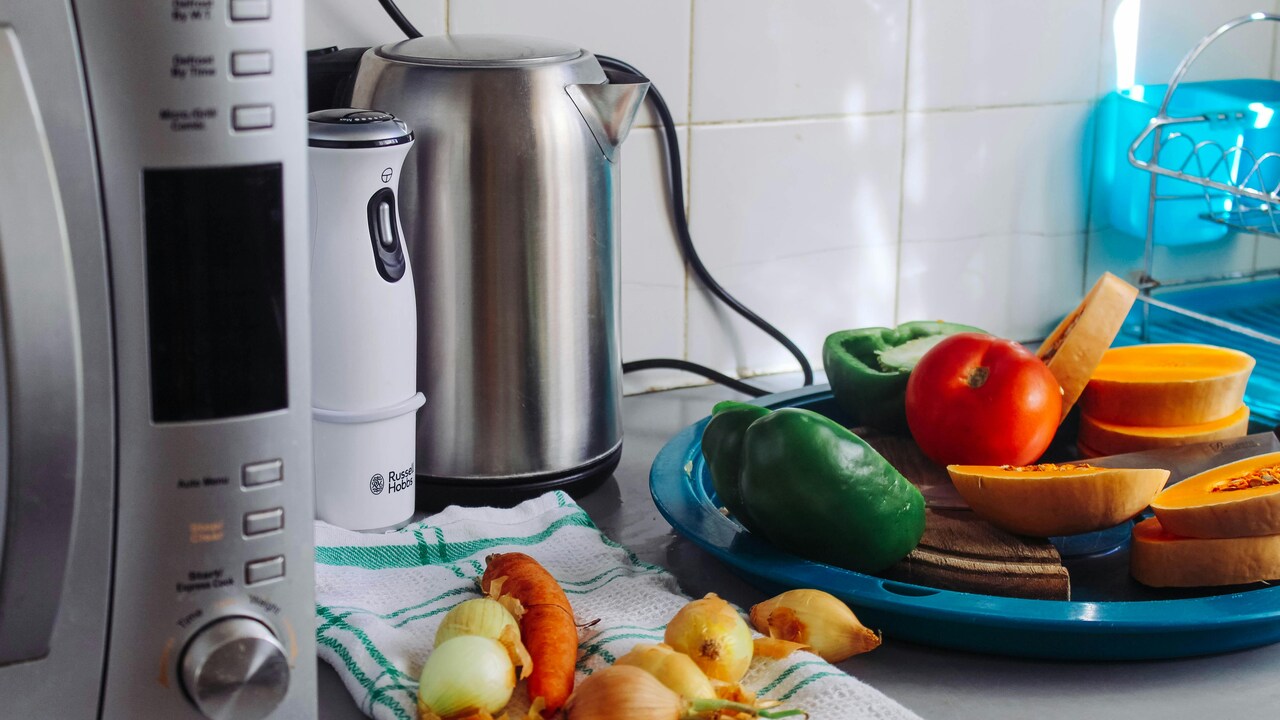
Top 5 Electric Kettle Safety Features Every Home Needs In 2026
Photo Credit: Pexels
Reliable Safety Certifications And Brand Support
Safety features mean little without proper certification. Always check for recognised safety marks and compliance with electrical standards. Certification confirms that the kettle passed testing for insulation, wiring, and heat resistance.
After-sales service also plays a crucial role. A one-year warranty should come as standard, with clear customer care access. Responsive service centres reduce stress if repairs become necessary.
Established brands invest in quality testing. Their products undergo repeated stress simulations before reaching stores. While lesser-known brands may offer tempting prices below ₹1,500, lack of quality control often leads to problems.
Service networks across major cities ensure spare parts remain available. Replacing a faulty thermostat or lid becomes easier when support exists.
Consumers often focus solely on wattage and design. Yet long-term reliability defines true value. Paying slightly more for dependable certification and brand backing protects both finances and family safety.
Trust builds not through advertising slogans but through consistent performance over years.
Products Related To This Article
1. Milton Rapid Electric Kettle 1.8L | 1500 Watts
2. Pigeon Amaze Plus Electric Kettle 1.5 L
3. Philips Plastic HD9314/90 Double-Walled Electric Kettle
4. Wipro Elato BK214 1.8 litre Glass LED electric Kettle
5. Borosil 1380 W Cooltouch 1.5L Electric Glass Kettle
The electric kettle may seem like a simple appliance, yet it carries immense responsibility. It handles boiling water daily, often in rushed environments filled with distractions. In 2026, safety features no longer count as luxuries. They form essential components of smart purchasing decisions.
Automatic shut-off, boil-dry protection, cool-touch exteriors, secure lids, stable bases, high-quality materials, ergonomic design, clear indicators, temperature control, and trusted certification together create a protective shield around everyday routines.
A safe kettle does more than boil water. It supports peaceful mornings, relaxed evenings, and spontaneous conversations over tea. It protects curious children, multitasking adults, and ageing parents alike.
When shopping next, look beyond shine and speed. Ask how the kettle protects the household. Read labels carefully. Test the lid. Check the grip. Consider the cord. Spending ₹3,000–₹4,000 wisely today may prevent medical expenses and appliance replacements tomorrow.
Tea tastes better when served with peace of mind. In a fast-moving world, small safety decisions often make the biggest difference.
(Disclaimer: This article may include references to or features of products and services made available through affiliate marketing campaigns. NDTV Convergence Limited (“NDTV”) strives to maintain editorial independence while participating in such campaigns. NDTV does not assume responsibility for the performance or claims of any featured products or services.)