Kettle Overheating Myths: The Limits of Auto Cut-Off
Auto cut-off isn’t foolproof. This article busts common kettle overheating myths and explains why dry boiling, limescale, and electrical faults can still turn a “safe” kettle into a hazard.
Learn all about how well the auto cut-off feature really protects electric kettles.
Electric kettles have become the quiet heroes of daily life. They rescue sleepy mornings, speed up instant noodles, and make evening chai feel like a five-minute plan instead of a full production. In many homes, the kettle gets used more than the mixer grinder.
And yet, there's a strange assumption that once an electric kettle has auto cut-off, it's basically foolproof. It has the common sense of a careful adult. The reality is less comforting and a bit more mechanical.
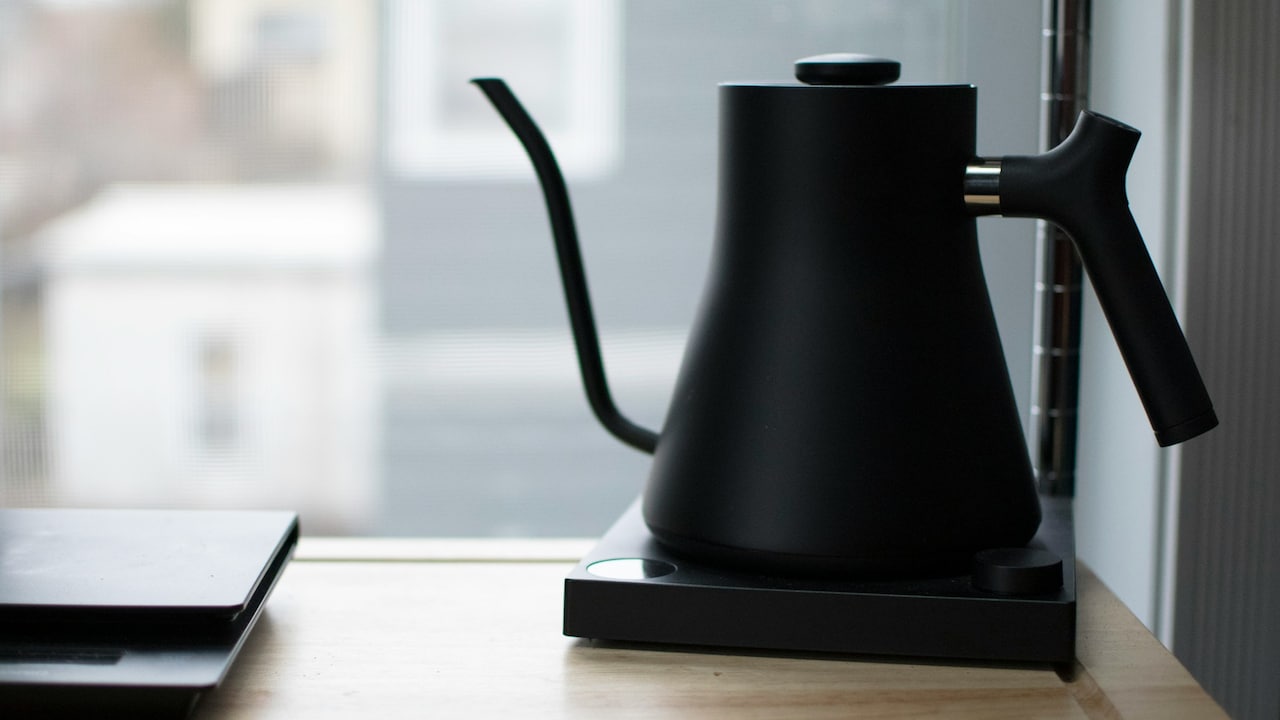
Things to know about electric kettle overhearting before buying one; Photo Credit: Unsplash
Auto cut-off is helpful, but it isn't magical. It's not a fireproof guarantee, and it doesn't protect against every type of overheating. Many of the scariest kettle incidents happen not because the feature fails completely, but because people expect it to cover situations it was never designed for.
So let's bust the myths, clear the confusion, and keep the kitchen peaceful.
Also Read: Boil Water Or Make Coffee In Seconds With 5 Affordable Electric Kettles
The Truth Behind Kettle Overheating
Auto Cut-Off Is Not A Smart Safety Brain
Many people treat auto cut-off like a tiny guardian living inside the kettle. Boil finishes, kettle stops, problem solved. But auto cut-off isn't “thinking”. It's reacting to a very specific physical condition.
Most kettles cut power when they detect steam rising from boiling water. That's the key detail. Steam triggers the mechanism. So the system works best when the kettle has enough water, the lid is closed properly, and steam flows exactly where the kettle expects it to go.
If steam does not reach the sensor in the right way, the kettle may keep heating longer than expected. If the lid is loose, or the steam channel is blocked by scale, or the kettle is overfilled and steam behaves oddly, cut-off timing can change.
So yes, auto cut-off is a safety feature. But it's a single tool, not a full safety system. It's like a seatbelt. Very useful, but it won't stop every kind of accident.
A Kettle Can Overheat Even If It Switches Off
Here's the sneaky part. A kettle can switch off and still feel dangerously hot. That doesn't mean it malfunctioned. It means heat doesn't disappear just because the switch clicked.
When water boils, the heating plate or coil becomes extremely hot. The metal base holds heat for a while, and the plastic body traps warmth like a stubborn tiffin box. If someone touches the kettle right after boiling, the outside can still feel fierce.
This often turns into a myth that the kettle “overheated” because it was too hot to handle. But that's normal heat retention, not a failure.
The real danger appears when the kettle is switched on again immediately after a boil, especially with very little water. Repeated heating cycles with short gaps can stress the thermostat. It also makes the base hotter than usual.
So the cut-off might work perfectly, yet the kettle can still run hotter than expected over time. The solution is simple: allow a short cooling gap, and avoid rapid repeat boils like it's a racing game.
Dry Boil Protection Is Not Guaranteed In Every Kettle
Some kettles advertise dry boil protection, and people assume every kettle has it. That's like assuming every car has six airbags. It's not always true.
Dry boil protection usually means the kettle shuts off if it's switched on with no water, or if the water level drops too low. But cheaper models sometimes have weaker protection, slower response, or inconsistent performance after months of use.
Even in better kettles, dry boil protection depends on the thermostat sensing temperature changes properly. If the thermostat gets coated in mineral deposits or gets slightly displaced due to wear, the kettle may not react quickly.
Dry boiling is one of the fastest ways to cause overheating. It can also warp the heating plate and create a burnt smell that never fully leaves.
If the kettle has ever been accidentally run dry, the safest approach is to stop using it until it has been checked. Saving ₹800 is not worth gambling with a kitchen fire.
Limescale Can Trick The Cut-Off Mechanism
Hard water is a daily reality in many cities. It leaves white deposits in kettles that look harmless, like chalky dust. But limescale is not just cosmetic. It interferes with heat transfer and steam flow.
When the heating plate is covered in scale, it has to work harder to boil the same amount of water. That means the plate runs hotter for longer. Over time, this stresses internal parts and increases the chance of overheating.
Scale can also block the steam channel. Remember, many cut-off systems rely on steam reaching a sensor. If the scale narrows that pathway, steam arrives late or weak. The kettle keeps heating, and the water boils aggressively.
That's when the kettle starts sounding angrier than usual. The boiling becomes loud, the body vibrates, and the kitchen smells slightly metallic.
Descaling is not a fancy maintenance habit. It's basic survival. A simple vinegar-water boil once in a while can keep the cut-off working as intended.
Overfilling Can Cause More Problems Than Underfilling
Most people worry about underfilling, but overfilling is equally risky. When water is filled above the maximum line, boiling becomes chaotic.
As water heats, it expands. When it boils, bubbles rise fast. If the kettle is too full, boiling water can splash into the lid area and the steam channel. That moisture can confuse the sensor, delay shut-off, or even cause water to spill through the spout.
This is also how kettles end up dripping hot water onto the base, the socket area, or the countertop. If the kettle sits on a powered base with water leaking near the connector pins, the situation turns from messy to dangerous quickly.
Overfilled kettles also tend to spit boiling water when the lid is opened. And yes, that is the kind of morning surprise nobody needs.
Keeping water between the minimum and maximum lines is not a suggestion. It's the kettle's comfort zone, and it's where the safety features behave properly.
Overfilling the kettle above its maximum line can cause more trouble than underfilling it; Photo Credit: Unsplash
The Lid Matters More Than People Think
A kettle lid seems like the least dramatic part of the appliance. It opens, it closes, it exists. But it plays a huge role in overheating protection.
Steam has to build pressure and travel in a controlled way. If the lid is not fully shut, steam escapes from random gaps. The sensor that triggers the cut-off might not receive enough steam at the right time.
Some kettles also have a lid switch that confirms closure. If it becomes loose, the cut-off behaviour can become unpredictable.
Then there's the classic issue: people boil water with the lid slightly open because they think it prevents “overboiling”. It does the opposite. It disrupts the steam path and can delay shut-off.
A loose lid can also cause boiling water to splash out. That water can land on hands, counters, or worse, electrical points.
So if the lid doesn't click shut cleanly, the kettle is not being fussy. It's warning you. Fix the hinge, replace the kettle, or stop using it.
Reboiling Again And Again Can Push The Kettle Too Hard
A kettle is built for short, occasional boils. But in many homes, it gets treated like a mini geyser. Boil, pour, top up, boil again, repeat all day.
This habit doesn't just waste electricity. It increases the internal temperature cycles, which stresses the thermostat and the cut-off switch. Over time, this can lead to delayed shut-off or inconsistent performance.
It also makes the kettle smell strange. People often describe it as a “hot plastic” smell, especially in kettles with lower-grade plastic bodies. That smell tends to appear more when the kettle is heated repeatedly without a full cool-down.
There's also the water quality angle. Reboiling the same water concentrates minerals. That increases scaling, which increases heating strain, which increases overheating risk. It becomes a neat little loop of trouble.
A better habit is to boil only what's needed. It sounds boring, but it's the simplest way to extend the kettle's life and keep it safer.
Auto Cut-Off Does Not Protect Against Electrical Issues
Auto cut-off stops heating. It doesn't fix electrical faults. That's a huge myth.
If the kettle's cord is damaged, if the base connector is loose, or if the socket has poor contact, overheating can happen in places the cut-off cannot control. The kettle may switch off properly, yet the plug, cord, or socket can still heat up.
This is often noticed as a warm plug top, a faint burning smell near the socket, or the kettle tripping the power during use. Many people ignore these early warnings because the kettle still “works”.
A kettle drawing high power on a weak extension board is also a recipe for trouble. Those cheap multi-plug boards can heat up quietly until something melts.
Auto cut-off is not a substitute for basic electrical safety. If the plug gets hot, stop using it. If the cord looks bent, cracked, or stiff, replace the kettle. No amount of “it still boils fine” should override that.
Cheap Kettles Often Have Weak Thermostats
Not every kettle is built the same, and pretending otherwise is wishful thinking. A kettle that costs ₹700 and one that costs ₹2,500 may look similar on the outside, but the internal components can be worlds apart.
The thermostat is the heart of the cut-off system. In cheaper kettles, thermostats may be less accurate, less durable, and more prone to wear. That means cut-off timing may drift. The kettle might boil longer than necessary, or cut off late, or behave inconsistently.
Low-cost kettles may also use thinner wiring and lower-quality connectors. Over time, these parts can heat up, especially in kitchens with high humidity or frequent usage.
This doesn't mean every affordable kettle is dangerous. But it does mean buyers should be realistic. A kettle is a high-power appliance. It pulls more electricity than many people expect.
If the kettle is used daily, spending a little more for a better brand and a stronger thermostat is not a luxury. It's basic risk management.
Warning Signs Often Show Up Before A Real Overheating Incident
Kettles rarely go from “perfectly fine” to “full disaster” overnight. They usually whisper warnings first. People just don't listen because life is busy.
One common sign is a change in the boiling sound. If the kettle starts boiling louder, rattling, or vibrating, scale buildup or heating plate issues may be developing.
Another sign is smell. A mild warm smell can be normal, especially in a new kettle. But a sharp plastic smell, burning odour, or electrical smell is not normal. That is the kettle asking for attention.
Slow boiling is another clue. If the kettle takes longer than usual, it may be struggling due to scale or a failing element. People often assume it's just “old age”. But the overheating risk increases when components work harder.
Also, watch for inconsistent shut-off. If it cuts off too early, too late, or sometimes not at all, stop using it.
Kettles are small, but they handle serious heat. Treat them like a proper appliance, not a toy.
Products Related To This Article
1. Wipro Elato BK214 1.8 litre Glass LED electric Kettle
2. Pigeon Amaze Plus Electric Kettle 1.5 L, 1300 Watt, Stainless Steel Body with Auto Shut-off Feature Used for Boiling Water
3. Philips Plastic HD9314/90 Double-Walled Electric Kettle
4. Amazon Basics 1.8 Litre Electric Glass Kettle
5. Butterfly EKN 1.5 Litre Stainless Steel Electric Kettle
Auto cut-off is a brilliant feature, but it has limits. It is designed for one main job: stopping the kettle when water boils under normal conditions. It does not protect against every mistake, every electrical issue, or every form of wear and tear.
Overheating myths usually come from over-trust. People assume the kettle is “smart”, but it's simply mechanical. It responds to steam, temperature, and design conditions. When those conditions change due to scale, lid problems, overfilling, repeated use, or electrical faults, safety can weaken.
The good news is that most overheating problems are preventable with small habits. Keep the kettle clean, fill it correctly, avoid repeated boiling, and take smells and strange sounds seriously.
An electric kettle should make life easier, not more exciting. And in a kitchen, “exciting” is rarely a compliment.
(Disclaimer: This article may include references to or features of products and services made available through affiliate marketing campaigns. NDTV Convergence Limited (“NDTV”) strives to maintain editorial independence while participating in such campaigns. NDTV does not assume responsibility for the performance or claims of any featured products or services.)