Handheld Vs Standing Garment Steamer: Which One Suits Small Homes Better?
Short on space but tired of crumpled clothes? Here’s how handheld and standing garment steamers compare for compact homes, daily outfits, delicate fabrics and quick last-minute fixes.
Handheld Vs Standing Garment Steamer: Which One Suits Small Homes Better?
A small home teaches many life skills. It teaches how to fold bedsheets with military discipline, how to dry clothes during the monsoon without turning the room into a damp cave, and how to make one corner serve as a wardrobe, ironing station and emergency storage zone. In such homes, every appliance must earn its place. That is where the garment steamer enters the conversation. It promises wrinkle-free clothes without the drama of dragging out an ironing board. It also feels kinder to delicate fabrics, festive wear, pleated outfits and office shirts that somehow crease the moment they leave the hanger. But the real question is not whether a garment steamer is useful. The better question is this: should a small home make space for a handheld steamer or a standing one? Both have their charm. A handheld steamer looks compact, quick and easy to hide in a drawer. A standing steamer feels more powerful, more stable and better suited for big steaming sessions. The right choice depends on your wardrobe, space, routine and patience level. After all, nobody wants an appliance that looks exciting for one week and then retires behind the suitcase.
Handheld Vs Standing Garment Steamer: Which One Suits Small Homes Better?; Photo Credit: Pexels
How To Choose The Right Garment Steamer For A Small Home
1. The Space Test: Which One Actually Fits Better?
In a compact home, space is never just space. It is a negotiation. The corner near the cupboard may already hold a laundry basket. The shelf above the wardrobe may house winter blankets, spare bags and things nobody has used since last Diwali. So, when choosing between a handheld and a standing garment steamer, size matters more than glossy features.
A handheld steamer clearly wins on storage. Most models can sit inside a drawer, on a bathroom shelf or in a corner of the wardrobe. This makes it ideal for rental flats, hostel rooms, studio apartments and homes where appliances must disappear after use. It does not demand a permanent spot.
A standing steamer, on the other hand, needs floor space. Even foldable models need a corner to rest. Some come with a tall pole, hanger and larger water tank, which makes them awkward in homes with narrow passages or packed bedrooms. They are not impossible to manage, but they do ask for planning.
So, for homes where every square foot already has a job, a handheld steamer feels less intrusive. It slips into the rhythm of a small home instead of announcing its arrival like new furniture.
Also Read: 5 Best Portable Steamers For Clothes Under ₹3000
2. Daily Touch-Ups: Handheld Steamers Feel More Practical
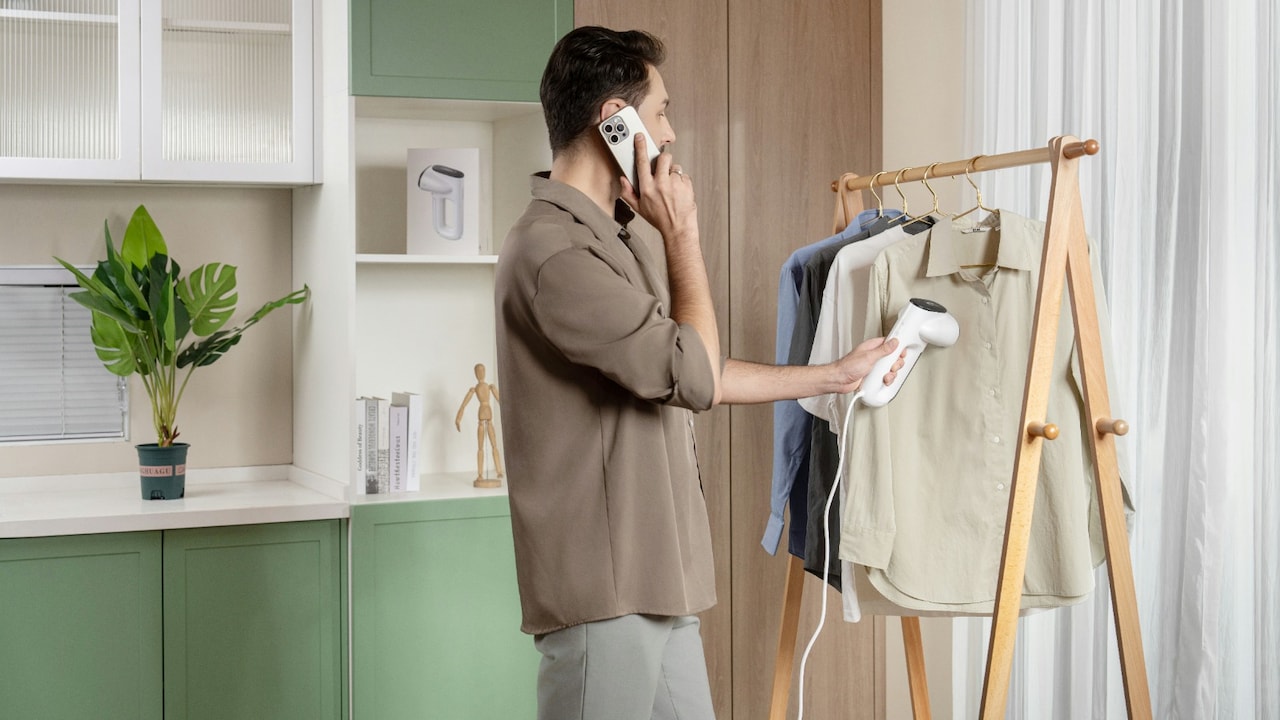
Daily life does not always allow a grand ironing session. Sometimes, the kurta looks fine until sunlight exposes those stubborn folds. Sometimes, the office shirt sits in the cupboard for two days and comes out looking tired. Sometimes, a top needs a quick fix ten minutes before leaving.
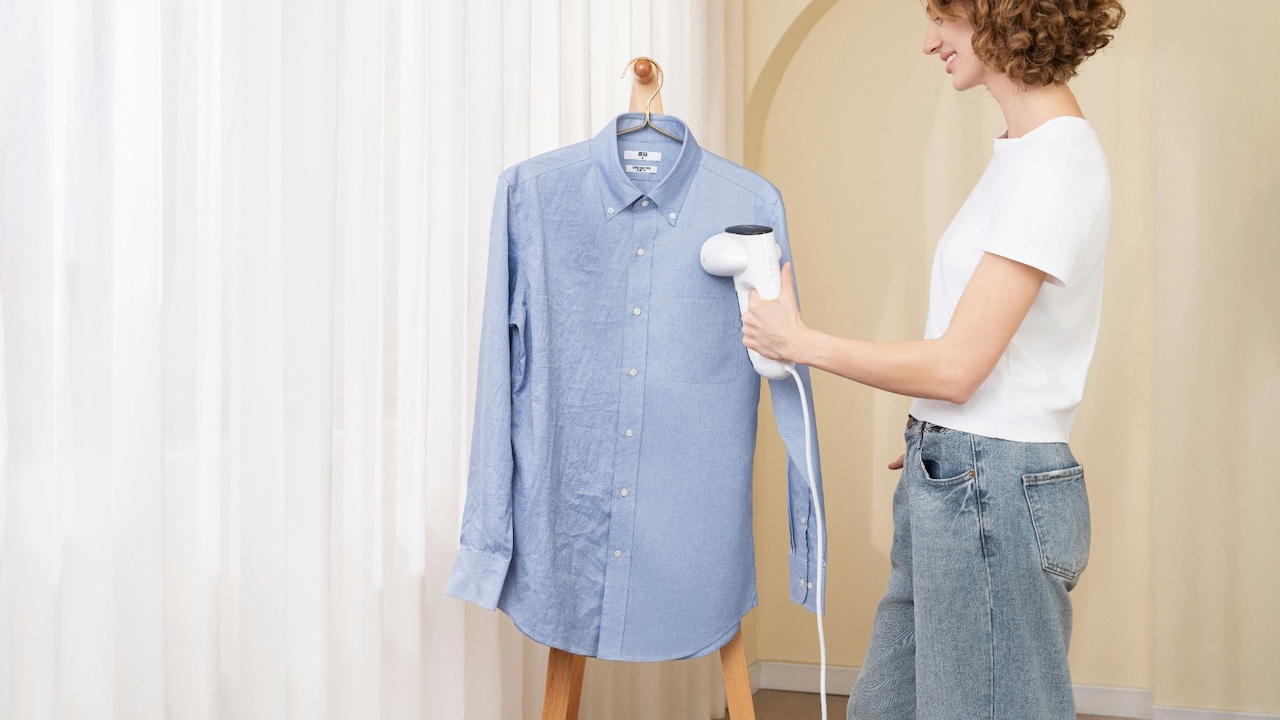
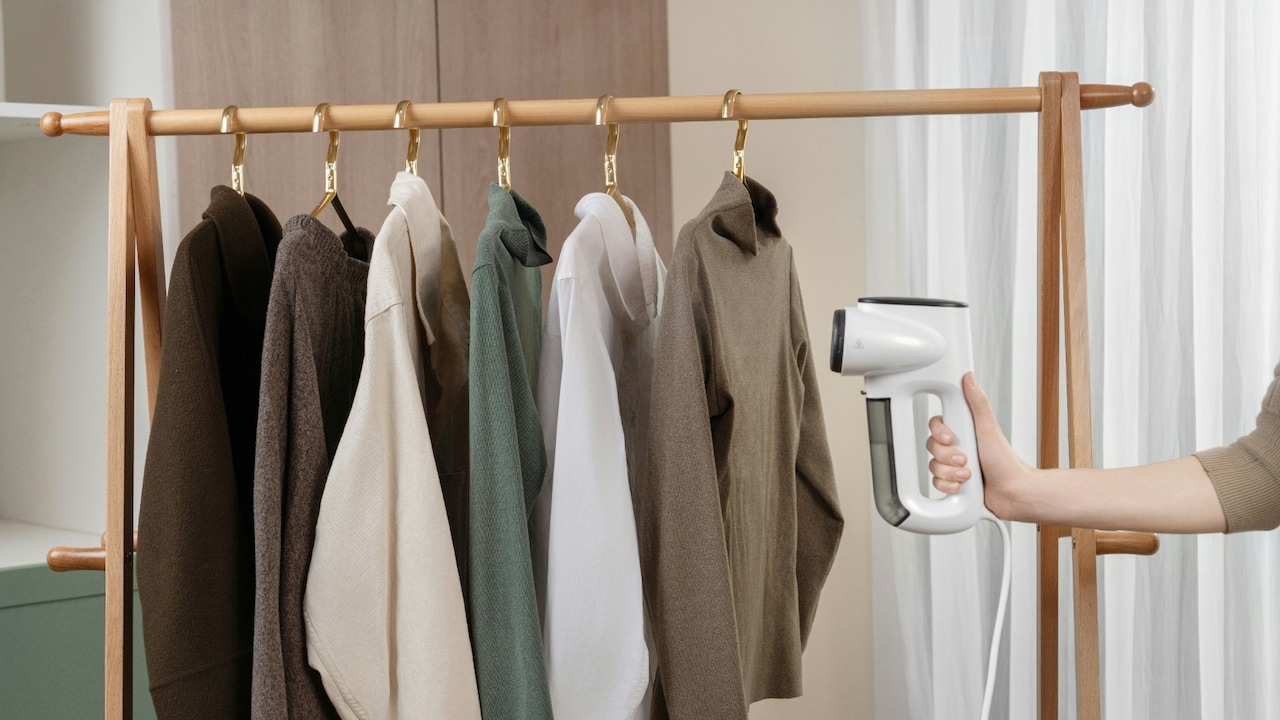
For these everyday touch-ups, a handheld steamer works beautifully. It heats up quickly, handles one or two garments with ease and does not require much setup. You fill the tank, plug it in, wait a short while and steam the wrinkled sections while the garment hangs from a door hook or wardrobe handle.
This casual convenience matters. When an appliance feels easy, people use it more often. A standing steamer may perform better for a pile of clothes, but nobody wants to roll it out just to fix one sleeve or a dupatta border.
A handheld steamer suits people who dress in a hurry, repeat outfits smartly and want clothes to look fresh without turning mornings into a full household chore. It is the appliance equivalent of a quick comb before a video call.
3. Big Laundry Days: Standing Steamers Handle More Without Complaining
Small homes may not have large wardrobes, but laundry piles still grow with impressive confidence. A weekend wash can bring out shirts, kurtas, trousers, children's uniforms, saree blouses, scarves and bedsheet-like dupattas. This is where standing garment steamers begin to make sense.
A standing steamer usually has a larger water tank, stronger steam output and better endurance. It can handle multiple garments in one session without frequent refilling. The built-in hanger or pole also makes steaming easier because the garment stays in place. This matters when dealing with long dresses, sarees, pleated skirts or men's formal shirts.
With a handheld model, bigger sessions can feel tiring. The small water tank may need repeated refills. The hand can ache after several garments. If the steamer is heavy, the charm fades fast.
So, while handheld steamers win the daily convenience round, standing steamers win the batch-work round. They suit households where clothes are steamed in one go, usually after washing, drying and folding. They also suit families where several people need crisp clothes through the week.
Handheld Vs Standing Garment Steamer: Which One Suits Small Homes Better?; Photo Credit: Pexels
4. Fabric Care: Both Work, But Delicates Need The Right Approach
Garment steamers appeal to people who fear traditional ironing. One wrong heat setting can leave shiny marks on trousers, flatten embroidery or upset delicate fabrics. Steamers feel gentler because they relax fibres instead of pressing them hard against a hot plate.
Both handheld and standing steamers can work well on delicate fabrics such as chiffon, georgette, satin blends, lace trims and lightly embroidered clothes. However, the experience differs. A standing steamer gives better control for long and flowy garments because the fabric hangs naturally. This helps with sarees, lehengas, long kurtas and maxi dresses.
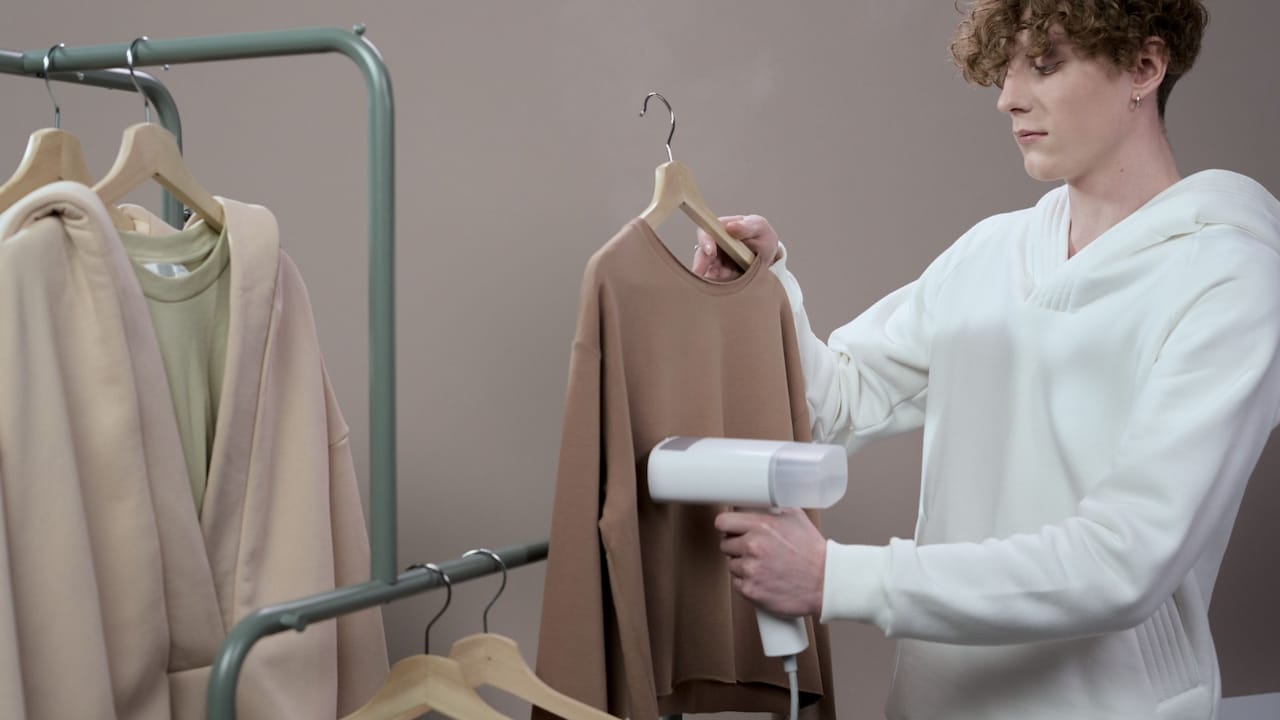
A handheld steamer also works well for delicate clothes, especially smaller pieces. It can refresh a blouse, scarf, top or shirt quickly. But because it needs to be held close to the fabric, the user must keep the movement steady. Holding it too close for too long can leave damp patches.
The safest rule is simple: test on a hidden part first. Expensive festive wear, heavily embellished outfits and fabrics with glue-based stones need caution. Steam can soften adhesives. A steamer helps, but it is not a magic wand for every fabric in the cupboard.
5. Water Tank Size: Small Tank Means More Refilling
Water tank size sounds boring until the steamer stops midway through a shirt. Then it suddenly becomes the most important feature in the world.
Handheld steamers come with smaller tanks because the appliance must remain light. This works for one to three garments, depending on the model and fabric thickness. For quick use, that is enough. Nobody wants a bulky handheld device that feels like lifting a small dumbbell.
Standing steamers usually offer larger tanks, which means longer steaming time. This makes them better for families, shared flats or anyone who prefers finishing several outfits at once. A larger tank also helps with thicker fabrics such as cotton kurtas, linen shirts and heavier trousers, which may need more steam.
For small homes, the decision depends on usage pattern. A person who steams one outfit every morning may not need a large tank. A family that keeps clothes for Sunday evening steaming will find a standing model more useful.
Also, hard water can affect steamers over time. In many homes, using filtered or distilled water when possible can reduce mineral build-up. That small habit can save the appliance from turning moody too soon.
6. Ease Of Use: Handheld Feels Friendly, Standing Feels Stable
A good appliance should not need a training session. It should make life smoother, not introduce a new domestic puzzle. On ease of use, handheld and standing steamers appeal to different types of users.
A handheld steamer feels simple. It has fewer parts, takes little time to set up and can be used almost anywhere near a plug point. This makes it friendly for beginners, students, bachelors, newly married couples setting up a home, or anyone who dislikes complicated appliances.
A standing steamer feels more organised once assembled. The hanger support, pole and hose help keep the garment in position. This reduces the awkward dance of holding a shirt with one hand and steaming with the other. For longer clothes, this stability helps a lot.
However, standing steamers can feel bulky to move and store. They may also take longer to set up and cool down. In a small bedroom, even pulling it out can feel like rearranging half the room.
So, handheld steamers win when ease means speed and simplicity. Standing steamers win when ease means comfort during longer sessions. The better choice depends on whether your steaming routine is quick and frequent or slow and planned.
7. Wrinkle Removal: Do Not Expect Iron-Like Sharpness
This is the point many buyers miss. A garment steamer removes wrinkles, refreshes fabric and improves drape. It does not always create the sharp finish of a traditional iron. Those crisp trouser creases, razor-sharp shirt collars and perfectly pressed cuffs still belong to the iron.
Handheld steamers work well on light wrinkles and soft fabrics. They can revive clothes that look crushed from storage. They also help with travel-worn outfits and delicate pieces that should not face direct iron heat.
Standing steamers usually produce stronger and steadier steam, so they handle deeper wrinkles better. Cotton, linen and thick blends may still need patience, but a standing steamer can soften them more effectively than many handheld models.
For small homes, the question becomes practical. Do you need clothes to look neat, fresh and presentable? A handheld steamer may be enough. Do you often wear formal shirts, structured trousers or heavy ethnic wear? A standing steamer, or even a steamer-plus-iron combination, may make more sense.
A steamer is brilliant at making clothes look alive again. Just do not expect it to behave like a tailor's pressing table.
Handheld Vs Standing Garment Steamer: Which One Suits Small Homes Better?; Photo Credit: Pexels
8. Safety And Handling: Steam Burns Deserve Respect
A garment steamer looks harmless, but hot steam can hurt. This matters even more in small homes where plug points, furniture, beds, and children often share the same zone.
Handheld steamers are easy to lift, but they place hot steam close to the hand. The user must avoid tilting some models too much because water may drip. Cheap or poorly designed models can spit hot water, which is both annoying and risky. A heat-resistant glove can help, especially while steaming sleeves or collars.
Standing steamers keep the water tank on the floor and send steam through a hose. This setup can feel safer during longer sessions, but the hose and pole need careful handling. In a cramped room, someone can trip over the wire or knock the unit over.
Both types need basic caution. Keep the nozzle away from skin, do not steam clothes while wearing them, and allow the appliance to cool before storing it. Also, avoid using extension cords that already carry heavy appliances.
In small homes, safe placement matters as much as the model itself. A compact steamer only helps if it does not turn the room into an obstacle course.
9. Cost And Value: Buy For Your Routine, Not The Biggest Discount
Garment steamers come in a wide price range. Basic handheld models often start at affordable prices, while better-known brands and stronger units cost more. Standing steamers usually cost more because they include a larger tank, pole, hose and stronger steam system.
But value does not always mean buying the cheapest option. A low-cost handheld steamer may feel tempting during a sale, but it can disappoint if it leaks, heats unevenly or runs out of steam too fast. Similarly, an expensive standing steamer makes little sense if it sits unused because the home has no space for it.
For a small home, value comes from frequency of use. If you steam clothes every day before work, a reliable handheld model around the mid-range may offer excellent value. If several family members need wrinkle-free clothes through the week, spending more on a standing steamer can feel sensible.
Look at practical details before price. Check heat-up time, tank capacity, cord length, weight, warranty and whether the tank is easy to refill. A ₹500 saving feels pointless if the appliance becomes a cupboard decoration after two uses.
10. The Final Choice: Which One Suits Small Homes Better?
For most small homes, a handheld garment steamer suits daily life better. It takes less space, starts quickly, stores easily and handles last-minute outfit emergencies without fuss. It is ideal for people who steam one or two garments at a time, wear light to medium fabrics and want a neat look without setting up a full ironing area.
A standing garment steamer suits small homes only when there is a clear need for it. If the household has many formal clothes, heavy outfits, long garments or weekly batch steaming sessions, the extra floor space may feel worth it. It also helps people who dislike holding a handheld device for long or need steadier steam for larger pieces.
The best choice comes down to honesty. Not fantasy-life honesty, where every Sunday evening includes calm laundry organisation and matching hangers. Real-life honesty. How often will it be used? Where will it be stored? Will anyone drag it out on a busy morning?
If space is tight and needs are simple, choose handheld. If clothes pile up and steaming happens in batches, choose standing. Small homes do not need fewer appliances; they need smarter ones.
Products Related To This Article
1. PHILIPS Standing Garment Steamer STE1040/20-1800 Watt
2. Hamilton Beach Professional Garment Steamer
3. XECH Foldable Garment Steamer for Clothes
4. Goodscity Handheld Garment Steamer for clothes
5. OWNAIR 2-in-1 Handheld Steam Iron for Clothes
6. INALSA TravelPress 1500W Garment Steamer for Clothes
A garment steamer can make everyday dressing easier, especially when wardrobes sit packed and ironing boards feel like too much effort. For compact homes, handheld steamers usually offer the better balance of convenience, storage and speed. Standing steamers make sense for larger wardrobes, heavier fabrics and family use. The right pick is not the grandest model, but the one that fits your routine without stealing precious space.
(Disclaimer: This article may include references to or features of products and services made available through affiliate marketing campaigns. NDTV Convergence Limited (“NDTV”) strives to maintain editorial independence while participating in such campaigns. NDTV does not assume responsibility for the performance or claims of any featured products or services.)