Steam Mop Buying Guide: Tank Size, Heat Time And Floor Compatibility Explained
Steam mops can make floor cleaning quicker, but the wrong one may leave streaks, damp patches or damaged surfaces. Here’s how to judge tank size, heat time, pads, steam control and floor compatibility before buying.
Steam Mop Buying Guide: How To Choose The Right One For Your Floors
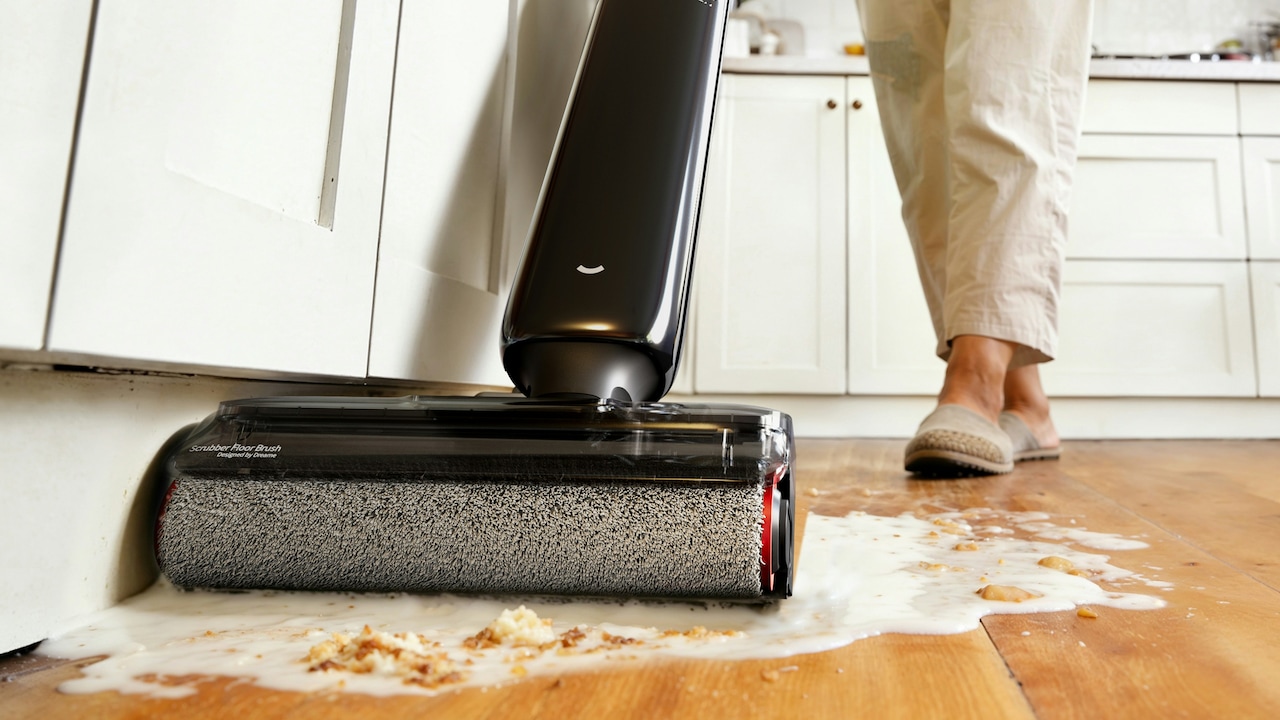
A steam mop sounds like the sort of appliance that should make life instantly easier. Fill the tank, switch it on, glide it across the floor and enjoy that freshly cleaned feeling without bending, wringing or dragging a heavy bucket from room to room. In a home where dust, cooking spills, shoe marks, pet hair and monsoon dampness all take turns attacking the floor, that promise feels tempting. But not every steam mop suits every home. Some heat up quickly but run out of water too soon. Some have large tanks but feel bulky under home furniture. Some work beautifully on tiles but can be risky on wooden or delicate flooring. Then there is the question of pads, cord length, steam levels, attachments and whether the mop can handle everyday masala splashes near the kitchen. Buying a steam mop should not feel like decoding a science manual. A good choice simply comes down to matching the mop with the way the home actually gets dirty. Here is how to read the details that matter before spending money on one.
Steam Mop Buying Guide: How To Choose The Right One For Your Floors; Photo Credit: Pexels
Key Features To Check Before Buying A Steam Mop
Tank Size Decides How Long You Can Clean Without Refilling
Tank size looks like a boring specification, but it decides how smoothly the cleaning session goes. A small tank may suit a compact flat, a single room, or quick kitchen touch-ups. It keeps the mop light and easy to push. That matters when cleaning under beds, around dining chairs, or across narrow passages where every extra gram feels annoying.
A larger tank works better for bigger homes or anyone who prefers finishing the whole floor in one round. It saves repeated trips to the tap, especially during a Sunday cleaning session when the goal is to finish fast and get back to tea. But a bigger tank also adds weight. Once filled with water, the mop may feel heavier than expected.
The smarter approach is to think in terms of cleaning area, not just capacity. A small home with mostly tiled floors may not need a large tank. A larger home with multiple rooms, a balcony, dust, and kitchen grime may benefit from extra capacity. The best tank size is the one that lets cleaning feel continuous without turning the mop into a mini workout.
Also Read: Steam Mop Vs Regular Mop: Uncovering The Best Tool For Your Home
Heat Time Matters When Cleaning Happens In A Hurry
Heat time tells you how quickly the mop becomes ready to use after switching it on. Some steam mops heat up in less than a minute, while others take longer. This detail may look minor in a product description, but it becomes important during real-life cleaning. Nobody wants to stand around waiting when guests are on the way or when curry has just splattered near the stove.
A short heat time suits busy homes where cleaning happens in small bursts. It helps when the floor needs a quick refresh before office calls, school pickups or evening visitors. A longer heat time may not bother someone who deep-cleans slowly and methodically, but it can feel irritating for daily use.
Fast heating also encourages regular cleaning. When an appliance feels ready almost instantly, it does not become another forgotten machine in the storeroom. That said, heat time alone should not decide the purchase. A mop that heats quickly but produces weak steam may disappoint. Look for a balance between quick readiness and steady steam output. The goal is simple: less waiting, more cleaning, and no dramatic pre-cleaning ceremony.
Floor Compatibility Is The Most Important Detail
Steam may look harmless, but it does not suit every floor. Ceramic tiles, vitrified tiles and many sealed stone floors usually handle steam mopping well. These surfaces are common in many homes and can benefit from steam because they collect dust, food stains and sticky footprints quite often. A steam mop can loosen grime without needing too much chemical cleaner.
The caution begins with wooden flooring, laminate, vinyl and unsealed stone. Heat and moisture can seep into gaps, weaken adhesives, dull finishes or cause swelling. Even if a product says it works on multiple floors, the flooring manufacturer's care instructions matter more. A glossy sales claim should never outrank the floor's actual tolerance.
For mixed flooring, adjustable steam control becomes useful. Lower steam can help on delicate sealed surfaces, while stronger steam can tackle tiles. Also avoid holding the mop in one spot for too long. Steam should move across the floor, not sit like a hot compress. The safest choice is a mop that clearly mentions suitable surfaces and allows control, because floor damage costs far more than a wrong appliance purchase.
Steam Mop Buying Guide: How To Choose The Right One For Your Floors; Photo Credit: Pexels
Steam Control Helps Handle Different Messes Better
Not every mess needs the same amount of steam. Light dust in the bedroom does not require the same intensity as sticky kitchen marks or muddy balcony footprints. This is where steam control makes a real difference. A mop with adjustable steam settings gives more control over how much moisture and heat touch the floor.
Low steam works well for daily maintenance. It refreshes the floor without making it too damp. Medium steam can handle regular cleaning in living rooms and passages. Higher steam helps near cooking areas, entrance spaces or spots where grime has settled for a while. Without steam control, the mop may either feel too weak or too aggressive.
This feature also matters for homes with different floor types. A single fixed steam level may work on tiles but feel risky on more delicate surfaces. Adjustable steam gives the appliance better flexibility. It also helps avoid streaks, which often happen when too much moisture sits on the floor. A good steam mop should not behave like a pressure cooker on wheels. It should let the user decide how much steam the situation deserves.
Mop Pads Can Make Or Break The Cleaning Result
The mop pad touches the floor, so it deserves more attention than it usually gets. A steam mop with poor-quality pads can leave streaks, push dirt around or wear out too quickly. Microfibre pads generally work well because they pick up dust and absorb moisture without scratching most hard floors. They also help spread steam evenly.
Washable pads save money over time. Disposable pads may look convenient, but they add recurring cost and waste. For regular home use, reusable pads make better sense. Check how many pads come in the box. One pad may not be enough if the home has large rooms, pets or dusty balconies. Once a pad gets too dirty, it stops cleaning properly and starts smearing grime.
Pad attachment also matters. Some pads use drawstrings, some use Velcro-style fastening, and some slide into a frame. The pad should stay secure while cleaning corners and moving backwards. A loose pad turns cleaning into a wrestling match. Also check replacement pad availability before buying. A steam mop is only useful as long as fresh pads remain easy to find at a reasonable price.
Weight And Manoeuvrability Matter More Than Fancy Claims
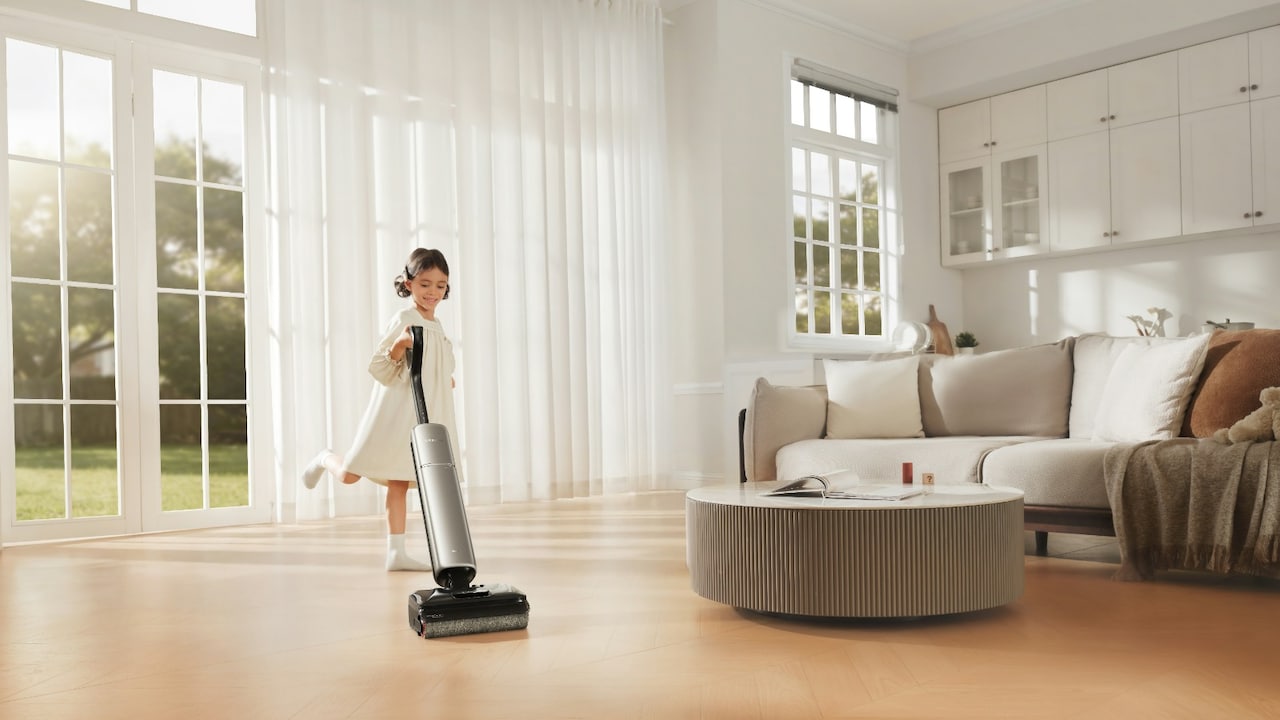
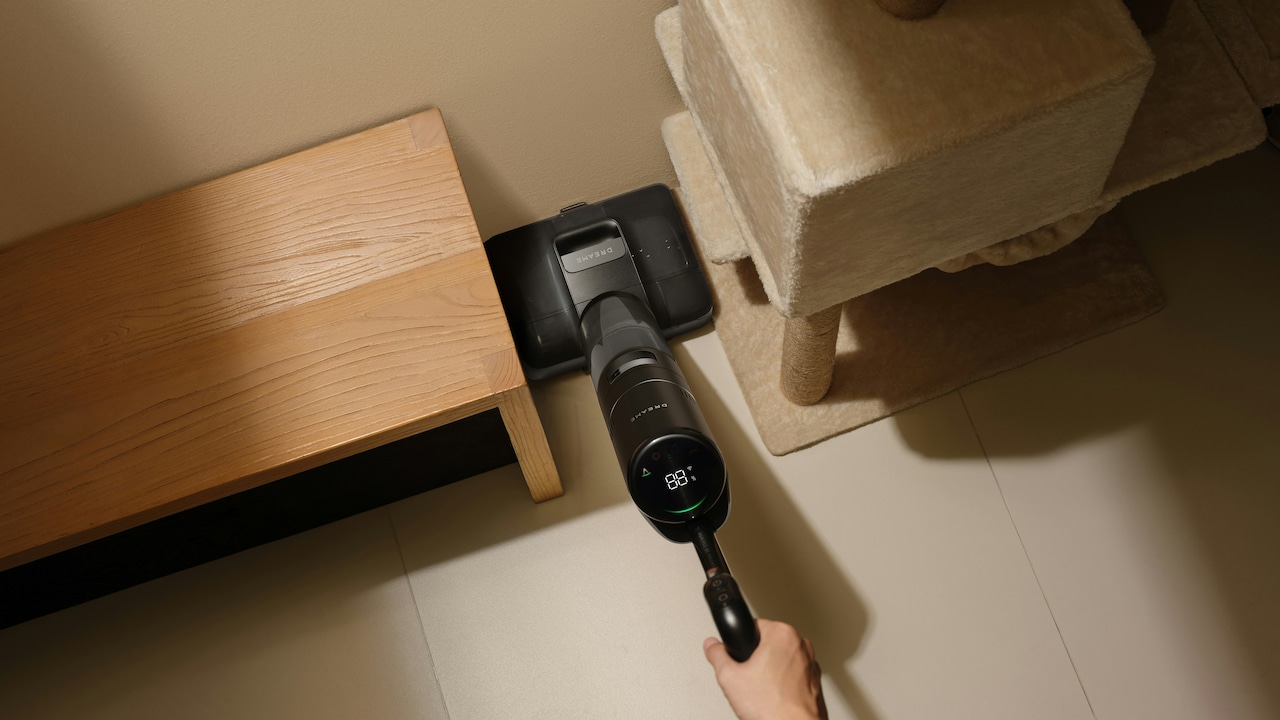
A steam mop may look sleek in pictures, but the real test begins when it moves across the floor. Weight, handle grip and swivel movement decide whether cleaning feels easy or exhausting. A lightweight mop helps with quick everyday cleaning, especially in homes with furniture, narrow corners and uneven room layouts.
Manoeuvrability matters near sofa legs, dining tables, shoe racks and beds. A mop head that swivels smoothly can reach awkward spaces without too much bending. A stiff mop head may clean open areas well but struggle around corners. This becomes frustrating because dust loves hiding exactly where bulky appliances cannot reach.
The handle should feel comfortable too. If it feels too short, tall users may bend awkwardly. If it feels flimsy, the mop may not last long with regular use. A good steam mop should feel stable but not heavy, flexible but not fragile. Fancy words like “advanced cleaning technology” mean little if the mop cannot turn properly around a chair. Before choosing, imagine using it after a long workday. If the design still sounds manageable, it is probably closer to the right fit.
Steam Mop Buying Guide: How To Choose The Right One For Your Floors; Photo Credit: Pexels
Cord Length And Storage Decide Everyday Convenience
Cord length can quietly decide whether a steam mop feels practical. A short cord means constant plugging and unplugging, especially in larger rooms or homes with fewer sockets. That breaks the cleaning flow and makes the process feel more tiring than it should. A longer cord gives better reach and helps finish rooms faster.
Cord management also matters. Some mops include hooks or wrap points to keep the cord tidy after use. This sounds small, but tangled cords can make even a good appliance annoying. In compact homes, storage design becomes equally important. A mop that stands upright or has a slim body fits better behind doors, near the washing area or inside a utility corner.
Also consider the water tank's filling method. A removable tank feels easier to refill and empty. A fixed tank may need a measuring cup or careful pouring, which can get messy. Convenience features do not always look exciting, but they decide whether the steam mop becomes a regular cleaning partner or a once-a-month appliance that everyone avoids touching.
Attachments Are Useful Only If You Will Actually Use Them
Many steam mops come with extra attachments for corners, grout lines, glass, upholstery or kitchen surfaces. These accessories can be helpful, but only when they match the home's cleaning needs. For example, a grout brush can work well in bathrooms where dirt settles between tiles. A small nozzle can help around taps, slabs or window tracks.
However, attachments should not distract from the main job. A steam mop that comes with ten tools but performs poorly on floors is not a smart buy. Extra accessories also need storage. If they sit in a drawer and disappear within a week, they add little value.
Think about the cleaning routine honestly. Someone who enjoys deep-cleaning bathroom corners may use attachments often. Someone who mainly wants faster floor cleaning should focus on mop performance, tank size, steam control and pads. Multi-purpose features sound exciting during shopping, but daily usefulness matters more. The best accessories solve actual problems at home. Anything else becomes plastic clutter with a confident product label.
Water Quality And Maintenance Affect Long-Term Performance
Steam mops use water, heat and narrow steam channels. Over time, mineral deposits can build up inside, especially in areas with hard water. This can reduce steam output or cause the mop to sputter. Regular maintenance keeps the appliance working better for longer.
Some brands recommend distilled or filtered water. Others allow regular tap water but suggest periodic descaling. Check this before buying, because water requirements affect running convenience. If the mop needs special care after every use, it may not suit someone who wants simple cleaning. At the same time, ignoring maintenance can shorten the appliance's life.
Emptying the tank after use is a good habit. Leaving water inside for days can create odour or residue. Pads also need proper washing and drying. A dirty pad defeats the entire purpose of steam cleaning. It may even make the floor smell unpleasant, which is the opposite of the fresh-home fantasy that sold the appliance in the first place.
A steam mop is not maintenance-free. It is low-effort only when treated well. A little care keeps it from becoming another expensive gadget that loses steam, quite literally.
Price Should Match Usage, Not Just Features
Steam mops come across different price ranges, and the most expensive one does not always make the most sense. A basic model may work well for a small home with mostly tiled floors and light daily cleaning. A mid-range model with adjustable steam, washable pads and a decent tank can suit many households better. Premium models may offer more attachments, faster heating, stronger steam and better build quality.
The real question is how often the mop will be used. For daily or alternate-day cleaning, spending more on comfort and durability can make sense. For occasional deep cleaning, a simpler model may be enough. Avoid paying extra for features that sound impressive but do not match the home's routine.
Also check replacement pad prices, warranty and service support. A mop that costs less upfront may become troublesome if parts are hard to find. A model with a clear warranty and available accessories may prove more sensible over time. The right steam mop does not need to be the flashiest one. It should clean well, last reasonably, and make the floor routine less annoying without making the wallet wince.
Products Related To This Article
1. AGARO Delite Spray Mop for Dry and Wet Floor Cleaning with Washable Microfiber Pad
2. Domestica Steamo 10-In-1 Steam Cleaner For Home Cleaning With 2 Steam Modes
3. Steam Mop, Powerful Handheld Steam Cleaner for Home
4. Nexlev 10-in-1 Foldable Steam Cleaner & Mop
5. Shark Steam & Scrub S8201IN Steam Mop
6. SEZNIK Vacuum Cleaner for House
7. BLACK+DECKER FSMH13E5-QS 1300-Watt 5-in-1 Steam Mop
A steam mop can be a genuinely useful cleaning appliance when it suits the floor, the home size and the way cleaning actually happens. Tank size, heat time, steam control, pads, weight, cord length and maintenance all shape the experience. Choose a model that fits daily habits, not just product-page promises. The best steam mop is the one that makes clean floors feel easier, faster and far less dramatic.
(Disclaimer: This article may include references to or features of products and services made available through affiliate marketing campaigns. NDTV Convergence Limited (“NDTV”) strives to maintain editorial independence while participating in such campaigns. NDTV does not assume responsibility for the performance or claims of any featured products or services.)