How To Choose Trimmers That Don't Nick, Pull Or Irritate Skin
Tired of trimmers that tug hair or leave painful nicks? This guide breaks down what truly matters when choosing a trimmer, blades, motors, guards and comfort, so grooming stays smooth, safe, and irritation-free.
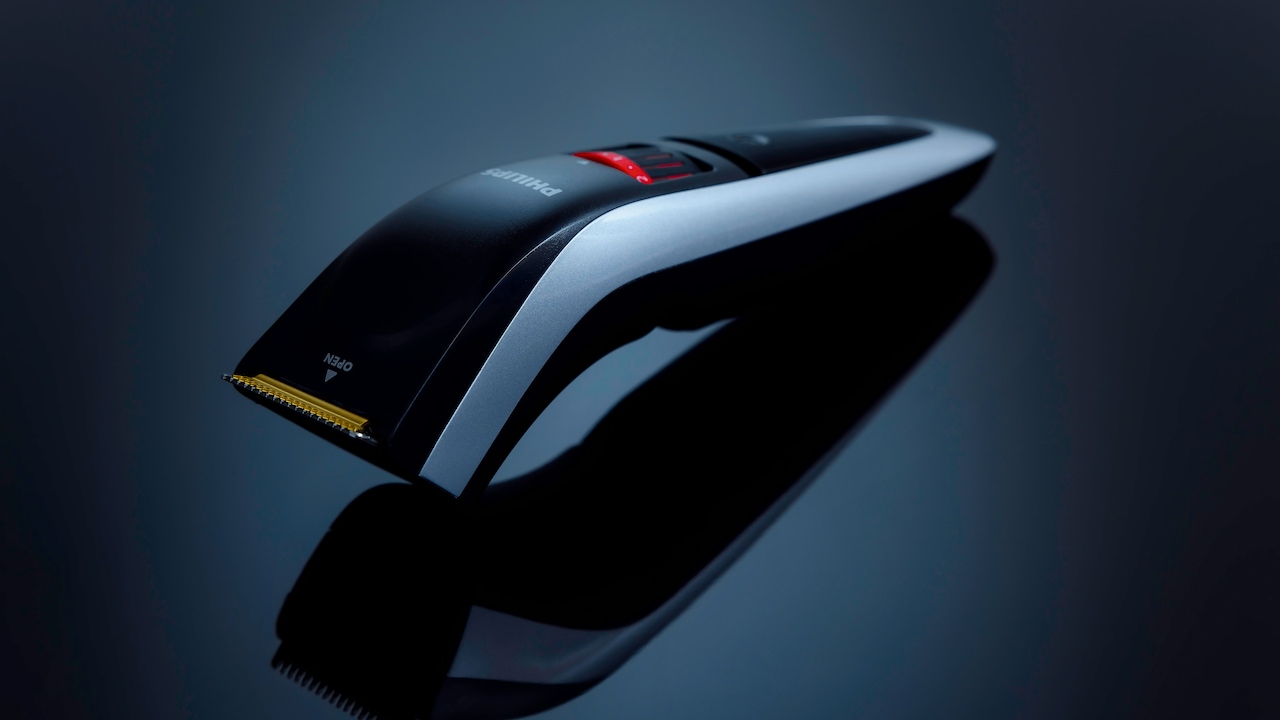
Here Is How to Choose Trimmers That Don't Nick, Pull, Irritate Skin and Give Smooth Results.
Grooming has quietly become part of everyday self-care. A neat beard, clean neckline, or trimmed body hair often boosts confidence before an office meeting, family function, or casual outing. Still, many face the same problem: trimmers that tug hair, pinch skin, or leave tiny cuts that sting long after grooming ends.
Those issues rarely come from bad luck. Most often, the trimmer simply does not suit the user's skin, hair type, or grooming style. Choosing the right tool matters as much as technique. A poorly designed trimmer can turn a five-minute job into an uncomfortable experience filled with irritation and regret.
This article breaks down how to choose trimmers that treat skin gently while delivering clean, precise results. From blade design to battery life, each section explains what truly matters and what marketing noise deserves ignoring. Expect practical advice, relatable examples, and a few light moments along the way, because grooming should feel easy, not intimidating.
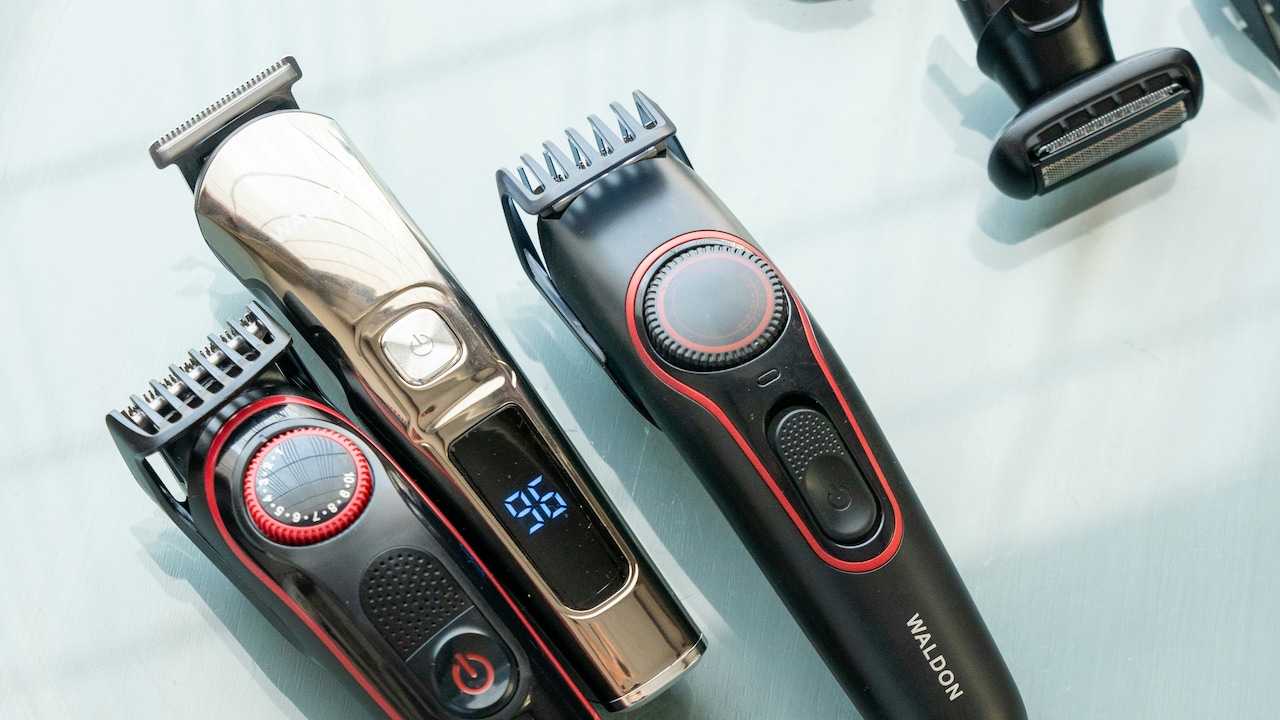
How To Choose Trimmers That Dont Nick Or Pull Hair
Photo Credit: Pexels
What Really Matters When Choosing A Trimmer
1. Focus on Blade Quality Before Anything Else
Blades decide whether a trimmer glides smoothly or pulls hair like a stubborn rubber band. Cheap blades often have uneven edges or poor finishing, which causes hair to snag before cutting. That sudden pull creates pain and irritation, especially around sensitive areas like the neck or jawline.
Look for trimmers with stainless steel or ceramic blades. Stainless steel resists rust and stays sharp for longer, even in humid bathrooms. Ceramic blades stay cooler during use, which reduces skin irritation during longer grooming sessions. Self-sharpening blades also deserve attention, as they maintain cutting efficiency without frequent maintenance.
Rounded blade tips matter just as much. Sharp corners may sound efficient, but they often nick skin when trimming at awkward angles. Rounded tips protect the skin while still delivering a clean cut. Grooming should feel like a smooth slide, not a nervous balancing act.
A simple test helps during use: if the trimmer cuts cleanly in one pass without pressure, the blade quality works well. Any need to press harder usually signals trouble ahead.
2. Choose the Right Motor Power for Hair Type
Motor strength often gets overlooked, yet it plays a huge role in comfort. Weak motors struggle with thick or coarse hair, causing repeated passes and painful tugging. Strong motors cut hair cleanly in one go, reducing friction and skin contact.
People with dense facial or body hair benefit from high-torque motors. These motors maintain a consistent speed even when hair density changes. A steady motor prevents sudden jerks that often lead to nicks. For lighter grooming needs, moderate motors work fine and often offer quieter operation.
Noise level also reveals motor quality. A smooth, low-vibration hum feels reassuring. Loud rattling or uneven sound usually indicates internal strain, which can translate into uneven trimming.
Cordless models with strong motors now rival corded ones, thanks to better battery technology. Still, checking run time remains important. A trimmer that loses power mid-session may start pulling hair as the motor slows down.
3. Pay Attention to Guard Design and Adjustability
Guards act as the buffer between blades and skin. Poorly designed guards sit unevenly, allowing blades to scrape skin or grab hair at odd angles. Good guards snap firmly into place and glide smoothly across the face or body.
Look for guards with rounded teeth and smooth edges. These features prevent hair from catching and reduce friction. Adjustable guards offer flexibility, allowing easy length changes without swapping attachments repeatedly. This reduces handling and accidental slips during grooming.
Multiple length settings also help achieve even results without pressing the trimmer too hard. Pressing harder often causes cuts, especially around curved areas like the chin or underarms. A well-fitted guard does the spacing work, leaving the user free to focus on direction and movement.
Clear markings on guards matter more than expected. Guesswork during trimming often leads to uneven patches or panic adjustments mid-session. When settings feel intuitive, grooming becomes calmer and more precise.
4. Skin Sensitivity Should Guide the Choice
Not all skin reacts the same way. Some tolerate daily trimming with ease, while others turn red at the slightest provocation. Knowing skin sensitivity helps narrow down suitable trimmers quickly.
Sensitive skin benefits from hypoallergenic blades and low-heat operation. Trimmers that heat up quickly cause discomfort and redness, especially during longer sessions. Ceramic blades or coated steel blades often reduce irritation.
Wet-and-dry trimmers also help sensitive skin. Using gel or foam creates a protective layer that allows smoother movement. Water-resistant designs make cleaning easier, too, which reduces bacterial build-up that can worsen skin reactions.
If razor bumps or ingrown hair appear frequently, choose trimmers designed for close trimming without cutting below skin level. Cutting hair too short often triggers those issues. A gentle trim usually looks neater and feels far more comfortable in the long run.
5. Ergonomics Matter More Than Expected
An uncomfortable grip turns grooming into a clumsy exercise. Slippery handles or awkward shapes increase the chance of slips, especially with wet hands. Good ergonomics keeps control steady, reducing accidental nicks.
Look for rubberised or textured handles. These provide better grip and reduce hand fatigue. Balanced weight distribution also matters. A trimmer that feels too top-heavy often tilts unexpectedly during use.
Button placement deserves attention. Controls should sit where fingers naturally rest, avoiding awkward thumb stretches mid-trim. Some trimmers place power buttons exactly where palms press, leading to accidental shut-offs. Small frustrations like these add up quickly.
A well-designed trimmer feels like an extension of the hand. When movement feels natural, attention stays on shaping and detailing rather than struggling to control the tool.
6. Battery Life and Charging Convenience
Nothing disrupts grooming like a dying battery. As power drops, blades slow down and begin pulling hair instead of cutting cleanly. Reliable battery life prevents this discomfort.
Lithium-ion batteries offer consistent power output until the charge runs out. They also charge faster and last longer than older battery types. Aim for trimmers offering at least 60 minutes of runtime on a full charge.
Fast-charge features help those rushed mornings before work or events. A quick 5- or 10-minute charge that delivers one full trim session can be a lifesaver. Charging indicators also help plan grooming without surprises.
Corded backup options add flexibility. While cordless freedom feels convenient, plugging in during long sessions ensures consistent power. This hybrid design suits those who trim frequently or maintain detailed styles.
Also Read: Budget Grooming At Its Best: Top Men's Trimmer Deals Now On Amazon
7. Maintenance and Cleaning Ease
Clean trimmers perform better and last longer. Hair and oil build-up dull blades and strain motors, increasing the risk of pulling and nicks.
Washable blades simplify cleaning. Running the head underwater after use removes residue quickly. Some trimmers include cleaning stations or brushes, which help reach tight spots around blades.
Detachable heads make maintenance easier. Being able to remove and rinse the blade unit ensures thorough cleaning. Drying properly before storage prevents rust and unpleasant odours.
Regular oiling keeps blades sharp and smooth. Many modern trimmers require minimal oiling, but occasional maintenance still improves performance. A well-maintained trimmer cuts effortlessly, reducing pressure and skin contact.
Ignoring cleaning often leads to rough performance within weeks. A few minutes of care after each use protects both the device and the skin.
8. Precision Features for Tricky Areas
Certain areas demand extra care. The neckline, moustache edges, and underarms leave little room for error. Precision features help navigate these spots safely.
Narrow trimming heads offer better visibility and control. They allow accurate shaping without forcing awkward angles. Some trimmers include dedicated detailers for sharp lines and clean edges.
LED lights built into the trimming head may seem gimmicky, but they help spot missed hairs in low lighting. This reduces repeated passes that often cause irritation.
Zero-gap adjustments allow closer trimming without scraping skin. These features suit those who like sharp lines without razor use. Precision becomes safer when tools support control rather than rushing the process.
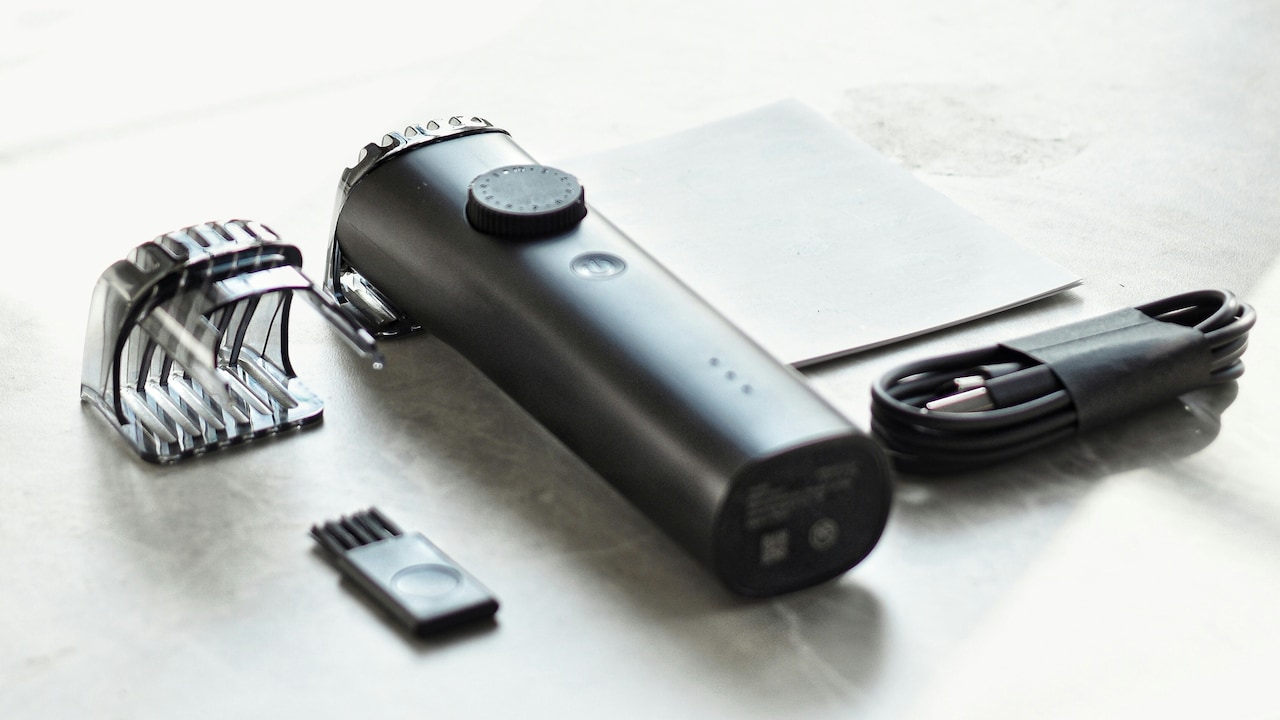
How To Choose Trimmers That Dont Nick Or Pull Hair
Photo Credit: Pexels
9. Noise, Vibration, and Overall Comfort
Comfort extends beyond skin contact. Excessive noise and vibration strain the hands and nerves, making grooming feel tiring rather than routine.
Low-vibration trimmers glide more smoothly and maintain consistent blade contact. High vibration often causes uneven pressure, increasing the chance of nicks. Quiet motors also create a calmer experience, especially during early mornings.
Vibration control matters for longer sessions. Shaky tools lead to hand fatigue, which affects precision. A steady trimmer supports relaxed movement and better results.
Comfort often gets ignored during buying decisions, yet it determines whether grooming feels enjoyable or rushed. When the tool feels calm and controlled, confidence follows naturally.
10. Price, Value and Long-Term Use
Higher price does not always guarantee better comfort, but extremely cheap trimmers often compromise on blade quality and motor strength. Balancing cost with long-term value works best.
Consider how often grooming happens. Frequent use justifies investing in durable models with reliable performance. Spending ₹2,000 to ₹3,000 on a trimmer that lasts years often proves wiser than replacing cheap ones repeatedly.
Warranty coverage also signals brand confidence. Longer warranties suggest better build quality and customer support. Replacement parts availability adds further value.
A good trimmer should feel dependable every time. When it cuts smoothly without pulling or irritation, the investment quickly feels worthwhile.
Products Related To This Article
1. Mi Men Xiaomi 2C Beard Trimmer
2. Bombay Shaving Company Power Styler Beard Trimmer with 38 Style Settings & Flash Charging
3. Philips BT1235/18 SkinProtect Cordless Beard Trimmer with Self-Sharpening Blades
4. VGR V-937 Professional Hair Trimmer With USB Charging Cable & LED Display
5. Bombay Shaving Company Men Waterproof Baller Pubic Hair Trimmer with Charging & Blades
6. Morphy Richards AstonX BT2220 Fast Charge Beard Trimmer
7. Havells BT6111 Beard Trimmer
Choosing a trimmer that does not nick or pull hair transforms grooming from a chore into a comfortable routine. Small details such as blade quality, motor strength, and ergonomics make a big difference to skin comfort and results. A good trimmer should glide, not tug. It should cut confidently without demanding pressure or repeated passes. With the right choice, grooming becomes smoother, faster, and far more pleasant.
(Disclaimer: This article may include references to or features of products and services made available through affiliate marketing campaigns. NDTV Convergence Limited (“NDTV”) strives to maintain editorial independence while participating in such campaigns. NDTV does not assume responsibility for the performance or claims of any featured products or services.)