How To Use An Eyebrow Trimmer Without Getting Patchy Brows
Patchy brows often pop up after a quick trimming session goes off track. A little rush, a little overconfidence and a tiny slip of the hand can change the whole look. Explore practical ways to shape brows with confidence.
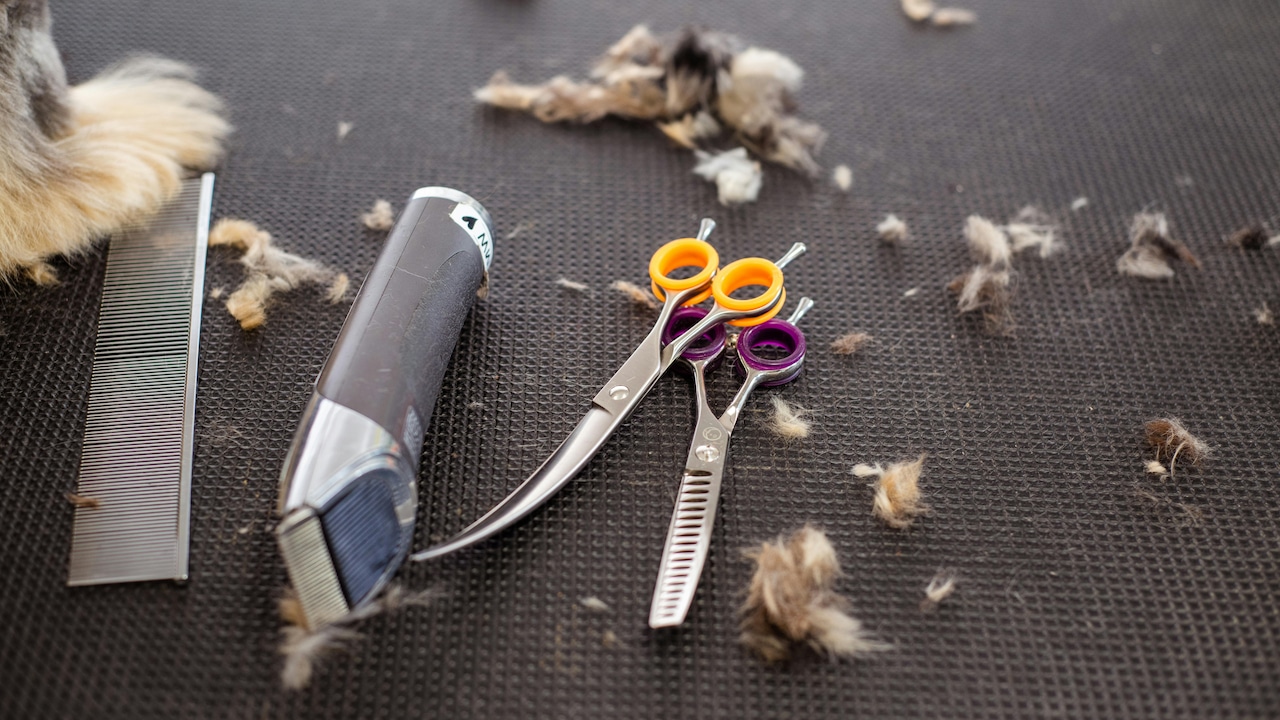
How To Avoid Eyebrow Trimmer Mistakes That Cause Patchy Brows.
Eyebrow grooming feels easy until a trimmer glides a millimetre too far. A thin line disappears, a curve dips down, and suddenly the mirror reflects a very different expression. Many people reach for an eyebrow trimmer because it saves time, keeps grooming affordable and avoids the fuss of parlour appointments. The good news: most patchy-brow disasters come from small mistakes that have simple fixes. With steady hands, smart technique and a little patience, brows stay neat, full and even.
We share 10 common trimming mistakes and show how to avoid them. The tips suit different brow types and everyday routines, especially for anyone who balances grooming between busy workdays, weekends and quick touch-ups before stepping out.
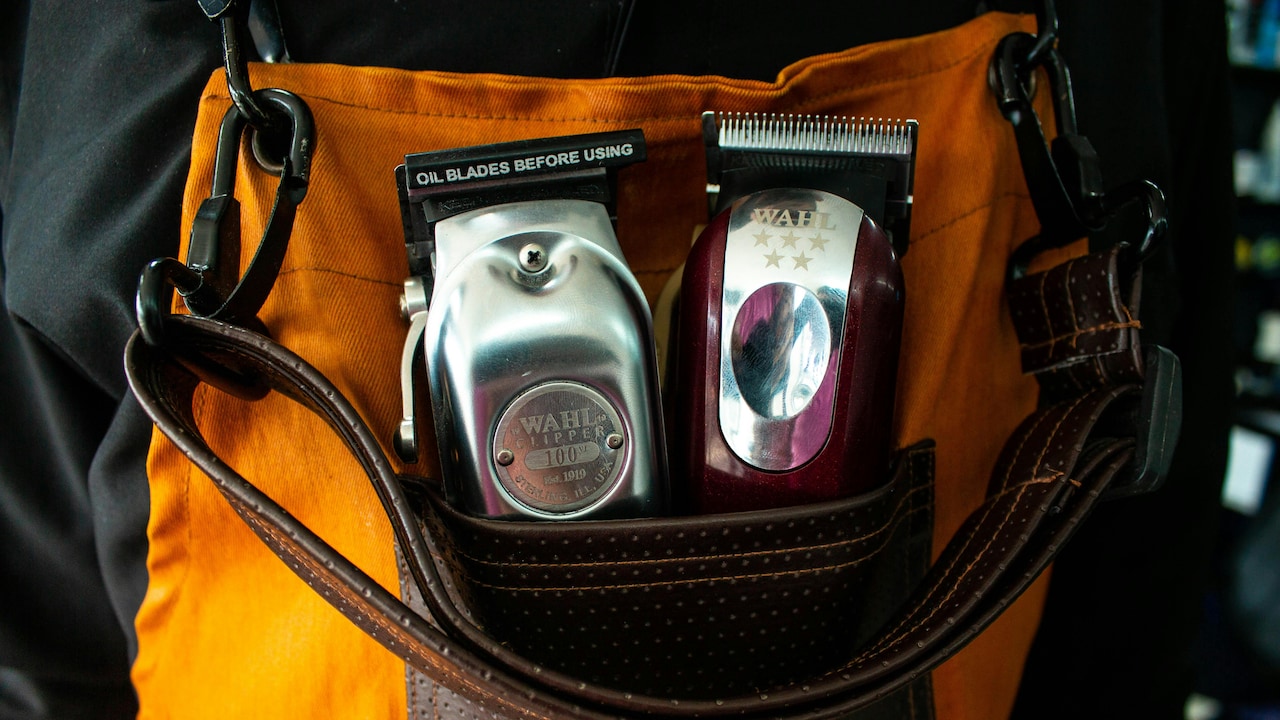
How To Avoid Eyebrow Trimmer Mistakes That Cause Patchy Brows
Photo Credit: Pexels
Common Eyebrow Trimmer Mistakes And How To Avoid Them
1. Skipping a Brow Map Before Trimming
Brow trimming works best when there's a clear map. Many people jump straight in, trusting a quick glance. That often leads to narrow ends, uneven arches or missing volume near the front. A brow map guides each stroke and helps create symmetry between both sides. Start by holding a pencil along the edge of the nose to mark the brow's natural starting point. Place the same pencil diagonally from the nose through the iris to find the arch, then tilt it further to find the tail. These three points create a frame that suits most face shapes.
Once the points are clear, connect them softly using a brow pencil. This outline becomes a boundary that prevents accidental over-trimming. It also helps visualise the brow shape before starting. With a map in place, trimming feels calmer and more controlled. People with fuller brows often benefit even more because stray hair hides natural structure. A little prep saves time, avoids uneven lines and reduces the chance of creating patches that take weeks to grow back.
2. Using the Trimmer at the Wrong Angle
Angle matters a lot with eyebrow trimmers. A steep angle forces the blade too close to the skin, lifting more hair than expected. A flat angle slows the trimming process and encourages multiple passes that increase the risk of errors. The sweet spot lies at a slight tilt with the blade gliding gently in the direction of hair growth. This helps maintain natural density while removing only the strays.
Holding the trimmer too upright often creates harsh edges and small bald spots that stand out when the light hits from the side. A correct angle offers smoother movement and more polished results. A small mirror helps check the angle now and then, especially when switching sides. Many people use bathroom lighting, which can trick the eye, so step near a window or brighter space to see the hairs clearly. With steady wrist movement and mindful angles, the trimmer works like a fine brush instead of a sharp tool, keeping brows even and full.
3. Trimming When Brows Are Wet or Damp
Wet brows behave differently. Moisture makes hair cling to the skin, look longer and appear thicker. This illusion leads to over-trimming because the length seen isn't the true length. Once the hair dries, the brows appear unexpectedly short and uneven. Water also softens the brow hair, causing it to fold under the blade and cut irregularly.
Let brows dry fully before trimming. A clean towel pat works for quick drying, while a few minutes of air-drying helps settle the hair naturally. Brushing brows upward after drying reveals the actual length and helps identify stray hairs clearly. Those with thicker or curlier brows often notice more difference between wet and dry trimming, so waiting becomes even more important. Dry trimming offers cleaner lines, better control and less chance of accidental thinning. A simple pause prevents a whole week of filling in gaps with pencil or powder.
Also Read: How To Fix Uneven Beard Lines: Top Trimmer Mistakes Every Man Should Avoid
4. Ignoring Brow Length and Over-Shortening the Tail
The tail of the brow shapes the entire expression. If trimmed too short, the face loses definition, and the eyes look rounder than intended. Many people shorten the tail accidentally while chasing symmetry, especially when the trimmer moves too fast toward the edge. A good rule is to keep the tail ending at a point aligned with the outer corner of the eye.
Before trimming, comb the brow hair outward and check the natural end. Use a small guide mark to avoid overcutting. The trimmer should move in small strokes instead of long sweeps, especially near the tail. The last few strands hold the balance of the shape, so trimming lightly helps preserve the natural curve. When the tail stays long enough, the face retains a well-framed look without extra makeup. This simple habit reduces the risk of patchiness at the ends and keeps brows looking polished yet natural.
5. Over-Focusing on One Brow to “Fix” Imperfections
Brows aren't twins, only cousins, as the saying goes. Many people fall into the trap of chasing perfect symmetry. One brow looks slightly thicker or fuller, so trimming continues on the other side until both end up much thinner than planned. This back-and-forth cycle often leads to patchy fronts or hollow arches.
Instead of striving for perfect duplicates, aim for balanced shapes. Step back every few strokes and check both brows together in the mirror. A hand-held mirror helps compare angles and density. Natural differences add character, and most people around barely notice small variations. Focusing on overall harmony avoids unnecessary trimming that chips away at thickness. A measured approach reduces stress and keeps brows looking full. A few millimetres won't make or break the overall look, but overcorrecting often does. Small steps bring better results than aggressive adjustments.
6. Using High Speed on the Trimmer for Delicate Areas
Most eyebrow trimmers come with adjustable speed settings. High speed works well for areas with more hair, like sideburns or the forehead, but it becomes risky around brows. Fast blades remove hair quickly and leave no room for correcting a slip. A sudden twitch or a moment of distraction can carve out a patch.
Keep the speed low around the arch, front and tail. Slow movement gives time to observe each small change. High speed also increases heat on the blade, which can irritate the skin and cause redness. Slower settings keep the process calm and controlled. Many people find trimming therapeutic when done slowly, like a mini grooming ritual before stepping out. A controlled pace leads to even lines, soft edges and no surprises later. More speed doesn't mean better grooming; careful strokes do.
7. Neglecting Proper Lighting During Trimming
Dim lighting often hides stray hair, forcing the trimmer to work blindly. Harsh overhead lights create shadows that distort the brow shape. Natural or neutral white lighting works best because it shows true colour and hair length. A mirror with an LED ring makes a huge difference, but even standing near a bright window can work.
Proper lighting prevents unnecessary strokes and keeps the shapes even on both sides. The front of the brow, especially, appears thicker under shadow and thinner in bright light, confusing. Balanced lighting helps spot the subtle difference between extra hair and essential hair. Many patchy spots come from trimming what looked like stray hair in poor light. Good lighting turns trimming into a smooth and confident routine rather than a guessing game. A simple shift from dim to bright saves repair time and brow pencil money later.
8. Not Brushing the Hair Between Each Step
Eyebrow hair moves easily and settles in different directions as trimming progresses. Without brushing between steps, trimmed areas look uneven while untrimmed hair hides behind the shape. A small spoolie or brow brush helps lift hair, reveal true length and maintain direction. Each time hair shifts, the shape appears slightly different, and many people trim based on that illusion.
Brushing upward before trimming the top area and downward before shaping the lower area keeps everything neat. During the process, brushing resets the shape and prevents blind spots. This habit removes trimmed hair that might cling to the skin and block the view. It also helps slow down the pace and maintain focus, reducing the chance of sudden slips. A few seconds of brushing offer clarity and control, especially for those with dense or wavy brow hair.
9. Ignoring Guard Combs and Trimming Freehand
Guard combs control the length and protect against accidental close cuts. Many people skip them because freehand trimming feels faster. Yet freehand work increases the chance of gaps, especially in the front and middle portions. A guard ensures uniform reduction and avoids mistakes from shaky hands or rushed strokes.
Start with a longer guard and move to a shorter one if needed. This layered approach helps maintain density and prevents drastic changes. The guard also ensures the blade doesn't touch the skin too closely, reducing irritation. People with naturally sparse brows often benefit most from guard combs because every strand counts. Using guards helps preserve fullness while cleaning the shape neatly. It also brings consistency to both sides without much effort. Freehand work suits experts, but most people get safer, smoother results by using guard combs properly.
10. Forgetting Post-Trim Care That Helps Brows Stay Full
Trimming doesn't end with the last stroke. Post-care helps keep brows healthy, full and smooth. Many people skip this step, which leads to dryness, irritation or breakage. After trimming, wipe the area with a gentle toner or rose water to clear leftover hair and soothe the skin. A light touch of aloe gel or a mild moisturiser keeps the skin calm.
Brushing the brows into place after trimming helps train the hair to grow neatly. A small dab of castor oil at night works wonders for density over time. Post-care also prevents the skin around the brows from turning flaky, which can affect the shape. Clean the trimmer blade and store it safely for the next session. A little attention after trimming protects the shape, encourages healthy growth and reduces patchiness long-term.

How To Avoid Eyebrow Trimmer Mistakes That Cause Patchy Brows
Photo Credit: Pexels
Products Related To This Article
1. NOVA NLS 535 Facial and Eyebrow hair remover Fully Waterproof Trimmer 60 min Runtime 1 Length Settings
2. Kemei KM 3024 Professional Ladies Shaver Trimmer 45 min Runtime 2 Length Settings
3. NOVA NLS 530 Sensi-Trim Touch Fully Waterproof Trimmer 45 min Runtime 4 Length Settings
4. Carmesi Facial Electric Trimmer
5. Straw&Weave Facial Hair Removal Machine
6. VIFERA 4-in-1 Rechargeable Face & Body Hair Trimmer
7. AGARO Nose & Ear Hair Trimmer, Eyebrow Trimming, Rechargeable, Stainless Steel Blade, Trimmer
Eyebrow trimming feels simple, yet tiny mistakes can cause patchy gaps that take weeks to grow back. With mindful steps, good lighting, slow strokes and a clear map, the process becomes smooth and reliable. Brows frame the face, so treating them with care makes a noticeable difference in everyday appearance. Whether prepping for work, a casual outing or a celebration, well-shaped brows add confidence without extra effort. A balanced routine protects natural fullness, reduces errors and keeps grooming stress-free. With these practical tips, every trimming session stays neat, safe and satisfying.
(Disclaimer: This article may include references to or features of products and services made available through affiliate marketing campaigns. NDTV Convergence Limited (“NDTV”) strives to maintain editorial independence while participating in such campaigns. NDTV does not assume responsibility for the performance or claims of any featured products or services.)