How To Choose Hair Dryers Without Paying Only For Heat
Choosing a hair dryer isn’t about maximum heat. It’s about airflow, control, and hair protection. Learn how to pick one that delivers real value without wasting money on features that don’t matter.
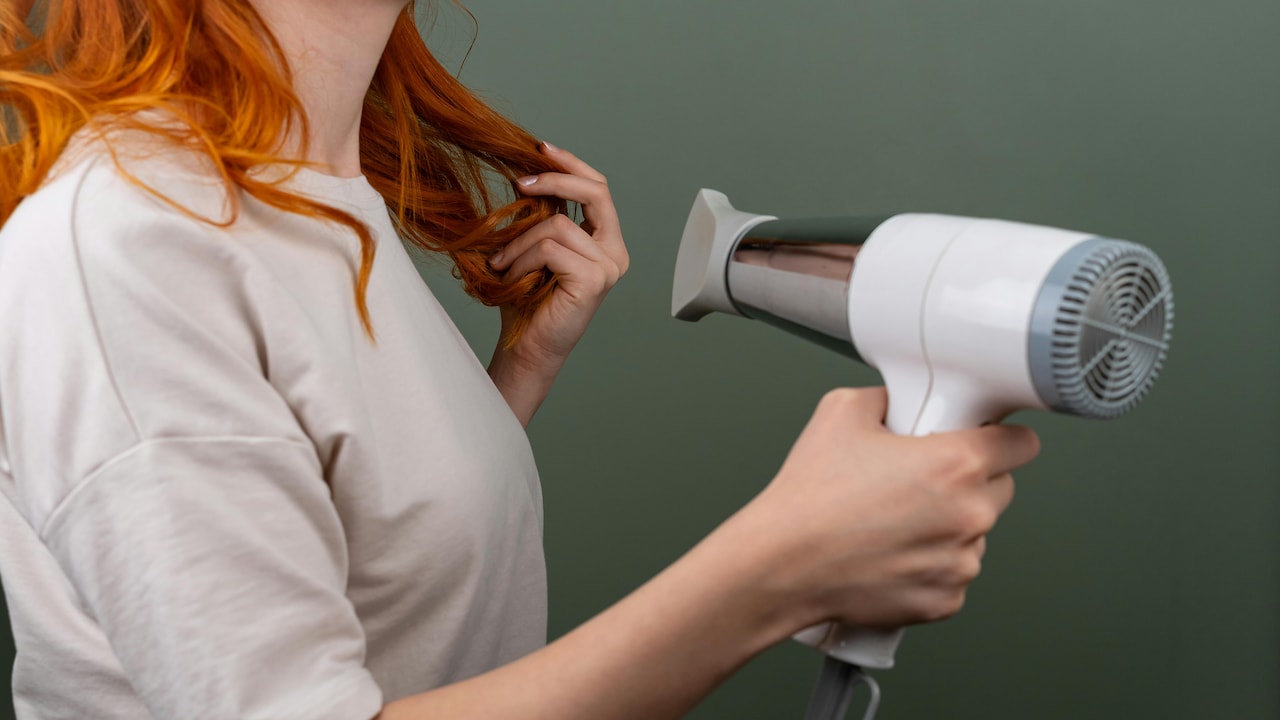
Walk into any electronics store or scroll through an online marketplace, and hair dryers seem to shout the same promise, more heat, more power, faster drying. It sounds convincing. After all, heat dries hair, doesn't it? But anyone who has battled frizz during monsoon or dealt with brittle ends after a few months of regular styling knows the truth is not that simple.
Choosing a hair dryer is less about how hot it gets and more about how intelligently it works. The right one respects hair texture, adapts to weather conditions, and saves time without damaging strands. Think of it like choosing a ceiling fan. Speed matters, yes, but airflow, noise, and energy efficiency matter just as much.
This article explores how to pick a hair dryer that delivers value beyond heat. No jargon, no unnecessary hype, just practical advice that makes sense in everyday life, whether getting ready for work in a rush or preparing for a festive evening.

How To Choose Hair Dryers Without Paying Only For Heat
Photo Credit: Pexels
Smart Factors To Consider Before Buying A Hair Dryer
Understanding Wattage Beyond The Numbers
Wattage often becomes the first comparison point. A 2000W dryer sounds more powerful than a 1200W one, and that instinct feels correct. However, wattage only indicates how much electricity the device uses, not how efficiently it dries hair.
A higher wattage model may dry thick hair faster, especially during humid days. Yet, it can also cause unnecessary damage if used carelessly. For someone with fine or chemically treated hair, excessive wattage feels like using a pressure cooker to warm tea.
The sweet spot usually lies between 1600W and 2000W for regular use. More importantly, the internal design, how airflow and heat distribute, plays a bigger role than raw numbers. Paying ₹3,000 extra just for higher wattage rarely guarantees better results. It often only guarantees a louder machine and a higher electricity bill.
The Real Role Of Heat Settings
Many assume maximum heat equals maximum efficiency. In reality, multiple heat settings matter far more than maximum heat. Hair behaves differently depending on weather, moisture levels, and styling needs.
On a cool winter morning, slightly higher heat feels comfortable and effective. During sticky monsoon evenings, gentler heat prevents frizz and static. A good dryer allows control rather than forcing a one-size-fits-all approach.
At least three heat settings offer flexibility. A cool shot button adds another layer of usefulness, helping lock styles in place. It feels like that final touch after ironing clothes, small but noticeable.
Without adjustable heat, styling becomes a guessing game. Too hot, and hair dries quickly but loses shine. Too cool, and time slips away. Balance matters, and that balance comes from options, not extremes.
Why Airflow Matters More Than Heat
Heat dries hair, but airflow does most of the work. A strong, steady stream of air removes moisture efficiently, reducing the need for excessive heat exposure.
Many budget dryers focus on heating elements but ignore airflow design. The result? Hair feels hot but remains damp underneath. That leads to repeated drying cycles, which ultimately causes more damage.
A well-designed dryer distributes air evenly, cutting drying time significantly. It feels similar to standing under a ceiling fan on a humid afternoon, the breeze, not the temperature, brings relief.
When comparing models, airflow efficiency rarely appears in bold letters on packaging. Yet, it remains one of the most crucial aspects. Paying attention to reviews or trying the dryer in-store helps identify this subtle but important feature.
Ionic Technology: Buzzword Or Benefit?
“Ionic technology” often sounds like marketing jargon. However, it does offer genuine benefits when implemented well. Ionic dryers release negatively charged ions that break down water molecules faster and reduce static.
In practical terms, this means smoother hair, less frizz, and quicker drying. Especially during humid weather, this feature can make a noticeable difference. Hair feels more manageable and less like it has a mind of its own.
However, not all ionic dryers perform equally. Some models use the term loosely without delivering real results. Spending ₹5,000 on a poorly designed ionic dryer defeats the purpose.
A balanced approach works best. Choose a model that combines ionic technology with good airflow and heat control. That combination delivers real value rather than empty promises printed on glossy boxes.
Also Read: Hair Getting Stuck In Hair Dryers? Anti-Tangle Brush Models That Solve This
Ceramic And Tourmaline: What Do They Actually Do?
Ceramic and tourmaline coatings often appear in product descriptions, adding an aura of sophistication. Their purpose is simple, they distribute heat evenly and reduce hot spots.
Uneven heat can damage hair quickly. One section overheats while another remains damp. Ceramic technology ensures consistent temperature, making drying gentler and more controlled.
Tourmaline enhances this effect by boosting ion production, which helps reduce frizz further. Together, they create a smoother drying experience.
That said, these materials should not justify a steep price jump alone. A ₹7,000 dryer with ceramic coating but poor airflow still underperforms compared to a well-balanced ₹2,500 model.
Focus on how these features work together rather than chasing labels. Hair does not recognise brand names; it responds to performance.
Attachments That Actually Make A Difference
Attachments often get ignored or remain unused in the box. Yet, the right ones can transform how a dryer works.
A concentrator nozzle directs airflow precisely, making it easier to style hair while using a brush. It feels like switching from a floodlight to a spotlight, more control, better results.
A diffuser works wonders for curly or wavy hair. Instead of blasting strands into chaos, it spreads air gently, enhancing natural texture.
However, avoid paying extra for attachments that never leave the drawer. A dryer bundled with five accessories may look appealing, but rarely adds real value unless those tools suit daily needs.
Choosing the right attachments depends on lifestyle and hair type, not marketing bundles.
How To Choose Hair Dryers Without Paying Only For Heat
Photo Credit: Pexels
Weight And Ergonomics: The Hidden Dealbreaker
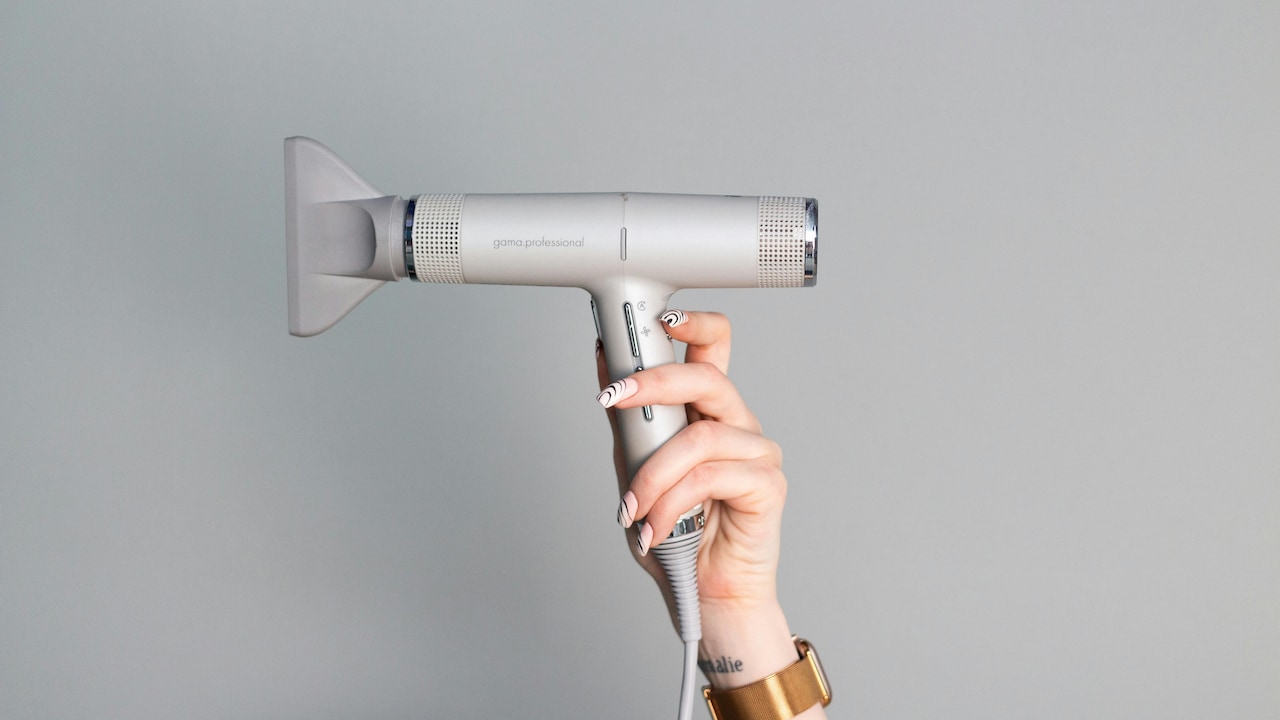
A powerful dryer loses charm quickly if it feels like lifting a dumbbell every morning. Weight and ergonomics matter more than expected, especially during longer styling sessions.
A lightweight design reduces strain on wrists and shoulders. It makes daily use feel effortless rather than tiring. The handle should feel comfortable, with buttons placed intuitively.
Imagine getting ready for a wedding function and holding a heavy dryer for fifteen minutes. The excitement fades quickly when arms begin to ache.
Paying attention to how a dryer feels in hand often reveals more than specifications ever could. Comfort ensures consistent use, and consistent use brings better results.
Noise Levels: More Important Than Expected
Hair dryers are not known for silence, but noise levels vary significantly. Some models sound like a small generator, while others maintain a more manageable hum.
Lower noise does not just feel pleasant. It makes early mornings less disruptive and late-night styling less stressful. It also allows conversations without shouting across rooms.
Noise often reflects motor quality. A smoother, quieter motor usually indicates better engineering and durability.
Spending slightly more on a quieter dryer often feels worthwhile over time. It turns a daily routine into a more peaceful experience rather than a noisy obligation.
Durability And Brand Trust
A hair dryer is not a one-time purchase. It should last several years with regular use. Durability depends on build quality, motor strength, and brand reliability.
Cheaper models may work well initially but show signs of wear within months. Overheating, inconsistent performance, or sudden breakdowns become common complaints.
Investing in a trusted brand often reduces these risks. It also ensures better service support if something goes wrong.
However, brand name alone should not justify a high price. Look for balance, solid build, reasonable warranty, and consistent performance reviews.
A reliable dryer feels like a dependable appliance, not a gamble.
Price Vs Value: Finding The Sweet Spot
Price often confuses more than it clarifies. Expensive does not always mean better, and cheap does not always mean poor.
The key lies in value. A ₹2,000 dryer that meets daily needs and lasts years offers better value than a ₹6,000 model with unused features.
Avoid paying for trends or fancy designs. Focus on performance, comfort, and durability. Consider how often the dryer will be used and what features truly matter.
Think of it like buying footwear. Style matters, but comfort and durability matter more when walking long distances.
A well-chosen dryer feels worth every rupee spent, not because it costs more, but because it works better.

How To Choose Hair Dryers Without Paying Only For Heat
Photo Credit: Pexels
Products Related To This Article
1. Havells 1000W Foldable Hair Dryer
2. Nova NHP 8105 1200 Watts Hot & Cold Foldable Hair Dryer for Women
3. Vega Ionic 1200-1400W Foldable Hair Dryer for Men and Women
4. Philips India's No.1 Hair Styling Brand - Glass like Shine Hair Dryer
5. BEARDO Styling Gun Ultra Compact Hair Dryer
Choosing a hair dryer should not feel like decoding a technical manual. It should feel like making a practical decision that fits daily life. Heat plays a role, but it is only one piece of a much larger picture.
Airflow, control, comfort, and durability shape the overall experience. A good dryer respects hair rather than punishing it. It saves time without compromising health and delivers consistent results without unnecessary effort.
The next time a product promises extreme heat or extraordinary power, pause for a moment. Look beyond the headline features. Ask what truly matters in everyday use. A smart choice does not chase heat. It chooses balance.
(Disclaimer: This article may include references to or features of products and services made available through affiliate marketing campaigns. NDTV Convergence Limited (“NDTV”) strives to maintain editorial independence while participating in such campaigns. NDTV does not assume responsibility for the performance or claims of any featured products or services.)