Beat the Heat Wisely: How To Choose The Right AC For Your Room And Save On Bills
Choosing the right AC can keep your home cool without sending electricity bills soaring. From room size to energy ratings, smart decisions help save money while staying comfortable all summer.

Things to consider when buying an air conditioner for your home
Summer has a way of testing patience. Ceiling fans start feeling like hairdryers, cold drinks disappear in minutes, and afternoons indoors can resemble a slow roast. In many homes, an air conditioner shifts from luxury to necessity faster than the first heatwave warning. Yet buying an AC is not as simple as picking the shiniest model in the showroom or grabbing the biggest discount online. A wrong choice can lead to uneven cooling, soaring electricity bills, and that all-too-familiar regret every time the monthly bill arrives. Too small, and the machine struggles endlessly. Too large, and energy gets wasted unnecessarily. Add confusing star ratings, inverter claims, and endless technical jargon, and the process can feel like decoding a science textbook during a power cut.
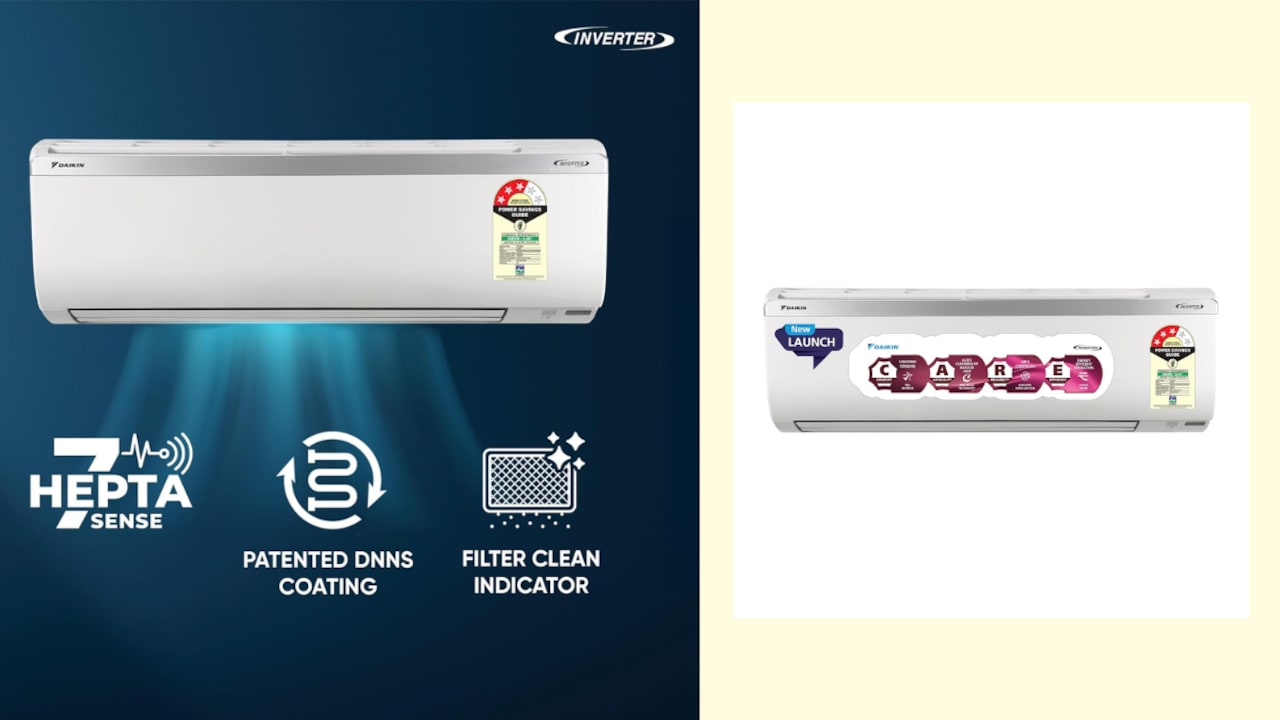
How to choose an AC that helps save on electricity bills; Photo Credit: Amazon
Choosing wisely means balancing comfort, budget, and long-term savings. It means understanding how your room, habits, and climate influence performance. A smart purchase not only beats the heat but also keeps household finances breathing easy. With thoughtful planning, cool air does not have to come with a financial meltdown.
Smart Strategies To Choose The Perfect AC And Cut Cooling Costs
Understand Your Room Size Before Anything Else
Before browsing brands or comparing fancy features, the room size deserves full attention. This single factor often determines whether an AC performs efficiently or becomes an expensive mistake. A compact bedroom of up to 120 square feet generally works well with a 1-ton unit, while medium spaces may require 1.5 tons. Larger living rooms often need 2 tons or more.
Many buyers assume bigger means better, but oversized units can cool too quickly without removing humidity properly, leaving the room clammy. On the other hand, undersized models run constantly, guzzling electricity while struggling to keep temperatures down.
Room height, sunlight exposure, and occupancy matter too. A top-floor room facing direct sun may need stronger cooling than a shaded ground-floor room of the same size. Homes in bustling urban areas with heat-trapping concrete surroundings often require extra consideration.
Matching AC capacity accurately ensures balanced cooling and avoids unnecessary expenses. Think of it like choosing the right footwear during monsoon, too loose or too tight simply creates discomfort.
Prioritise Energy Efficiency Over Initial Price
A cheaper AC might feel like a bargain at first glance, but low upfront costs often hide higher long-term expenses. Energy efficiency ratings play a huge role in controlling electricity consumption. Models with higher star ratings usually cost more initially, yet they significantly reduce monthly bills.
A 5-star AC can save several thousand rupees annually compared to a lower-rated counterpart, especially during months of heavy use. Over five to seven years, those savings often outweigh the initial price difference.
Electricity tariffs continue to rise, making energy-efficient appliances a practical safeguard. For households where ACs run for long hours, efficiency becomes even more valuable.
The Bureau of Energy Efficiency label should always be checked carefully. Seasonal energy performance metrics provide better insight than flashy marketing claims.
Paying ₹5,000 or ₹8,000 extra for efficiency may feel painful at checkout, but the relief arrives steadily through lower bills. In the long run, efficiency behaves like a disciplined household budgeter, quietly protecting finances month after month.
Inverter Technology Can Be A Game-Changer
Inverter ACs have transformed cooling by adjusting compressor speed according to room temperature rather than switching on and off repeatedly. This technology offers better efficiency, quieter operation, and more consistent comfort.
Traditional non-inverter models often consume more electricity because frequent starts require additional power. Inverter systems maintain stable temperatures while reducing energy waste.
For homes in regions where summer stretches relentlessly, inverter ACs can deliver noticeable savings. They may cost more upfront, but regular users often recover the difference through lower power bills.
Another advantage lies in comfort. Inverter models avoid dramatic temperature swings, creating a more pleasant environment for sleeping, working, or surviving family gatherings during peak summer.
However, occasional users may not always benefit enough to justify the higher purchase price. Usage patterns matter.
For many households, inverter technology offers a practical blend of modern convenience and financial wisdom. It is much like upgrading from stop-start city traffic to a smoother highway drive.
Split Or Window AC: Choose What Fits Your Lifestyle
The classic split versus window AC debate continues, and each option has strengths depending on living arrangements and budget.
Window ACs often cost less and install easily, making them suitable for smaller spaces or rented accommodation. Maintenance also tends to be simpler. However, they can be noisier and may not complement modern interiors.
Split ACs provide quieter performance, stronger aesthetics, and better air distribution. They suit bedrooms and living spaces where comfort and style matter. Yet installation costs are higher, and relocation becomes more complicated.
Apartment dwellers may need to consider building restrictions or balcony space for outdoor units. Those moving frequently might prefer simpler solutions over permanent installations.
Budget-conscious buyers often lean towards window models, while long-term homeowners may find split ACs worth the investment.
Choosing between the two should depend on practical needs rather than trends. After all, a stylish machine means little if installation headaches create more heat than relief.
Consider Cooling Speed But Don't Ignore Humidity
Fast cooling sounds impressive, especially after stepping indoors from scorching streets, but humidity control deserves equal importance. Excess moisture can make even a cool room feel sticky and uncomfortable.
Many modern ACs include dehumidification or dry modes, which improve comfort without excessive cooling. Coastal cities and monsoon-prone areas particularly benefit from this feature.
An AC that balances temperature and humidity creates healthier indoor conditions, protects furniture, and improves sleep quality. It also reduces mould risks in damp environments.
Consumers often focus heavily on tonnage and forget that comfort involves more than just cold air blasting at full speed.
A thoughtfully selected model should cool steadily while maintaining freshness. True comfort feels crisp, not damp or excessively chilled.
When humidity gets ignored, rooms may feel like refrigerated saunas, hardly the refreshing retreat most households seek.
Look for an AC that balances temperature and humidity; Photo Credit: Amazon
Smart Features Can Improve Savings
Modern air conditioners increasingly offer Wi-Fi controls, scheduling, sleep modes, and energy monitoring. While these may seem like luxury extras, many genuinely help reduce costs.
Programmable timers prevent unnecessary overnight usage. Smart sensors adjust cooling based on occupancy. Sleep modes optimise temperatures gradually, balancing comfort and efficiency.
For busy households, app controls offer convenience when returning home or managing forgotten settings remotely.
However, flashy technology should not overshadow core performance. Paying significantly more for gimmicks rarely makes sense if cooling fundamentals are weak.
Practical smart features can support savings, but buyers should focus on real utility over novelty.
A well-used timer can save more money than a complicated touchscreen panel nobody understands after the first week.
Technology should simplify life, not create another manual gathering dust in a drawer.
Installation Quality Matters More Than Many Realise
Even the best AC can underperform if installation is poor. Incorrect placement, weak insulation, or faulty piping can reduce efficiency dramatically.
Indoor units should allow proper airflow, while outdoor units need sufficient ventilation. Poor drainage or refrigerant leaks can create expensive future repairs.
Professional installation may cost more initially, but cutting corners often leads to reduced cooling and inflated bills.
Households should also inspect wall insulation, curtain use, and room sealing. Cool air escaping through gaps wastes money quickly.
Reliable technicians with proper brand authorisation offer greater peace of mind than suspiciously cheap alternatives.
Think of installation as laying the foundation for long-term comfort. A premium AC installed badly can perform worse than an average one installed correctly.
In cooling, as in cricket, execution often matters more than reputation.
Regular Maintenance Keeps Costs Under Control
Many people invest heavily in purchasing an AC but neglect maintenance until performance drops noticeably. Dirty filters, clogged coils, and refrigerant issues can all increase energy use.
Cleaning filters every few weeks improves airflow and efficiency. Annual professional servicing helps prevent costly breakdowns during peak summer.
Neglected systems work harder, consume more electricity, and cool less effectively. Over time, poor maintenance can slash appliance lifespan significantly.
Simple habits, such as keeping outdoor units dust-free and checking for unusual sounds, can prevent larger expenses.
Service plans may feel like an added burden, but preventive care usually costs far less than emergency repairs.
An air conditioner functions best when treated like any valuable machine, consistent upkeep protects performance.
Ignoring maintenance is similar to skipping vehicle servicing before a road trip in May. Trouble rarely waits long.
Budget Beyond Purchase Price
Many shoppers focus solely on sticker price, forgetting associated expenses like installation, stabilisers, maintenance, and electricity consumption.
A ₹35,000 AC may ultimately cost more than a ₹45,000 model if operating expenses remain high. Copper condensers, warranty terms, and service accessibility also affect long-term value.
Extended warranties for compressors can provide additional reassurance, especially in regions with voltage fluctuations or intense seasonal usage.
Financial planning should include total ownership cost rather than immediate affordability alone.
Seasonal discounts during festive sales or off-peak months may also offer better deals than urgent summer purchases.
Cooling decisions benefit from patience and a broader perspective. A wise buyer considers years of usage, not just checkout excitement.
Smart spending often means looking beyond short-term savings to avoid future financial heatwaves.
Choose A Trusted Brand With Reliable Service Support
Brand reputation extends beyond advertisements. Service quality, spare part availability, and customer support matter immensely when temperatures soar, and breakdowns strike unexpectedly.
Established brands often provide stronger service networks, quicker repairs, and better warranty execution. Lesser-known brands may tempt buyers with aggressive pricing but can become frustrating if support proves unreliable.
Reading customer reviews and checking local service accessibility helps avoid unpleasant surprises.
A dependable AC should offer peace of mind, not just cool air. Reliable after-sales support can save both money and stress.
When summer temperatures spike above comfort levels, waiting days for repairs can feel unbearable.
Choosing a trusted brand resembles selecting a dependable electrician during festival lighting season; quality service matters long after installation.
Sometimes, spending slightly more for proven reliability becomes one of the smartest household investments.
Products Related To This Article
1. Acerpure Chill Neo1.5 Ton 3 star, New star rated
2. Cruise 1 Ton 3 Star, New Star rated, Inverter Split AC with 7-Stage Air Filtration
3. Hitachi 1.5 Ton 3 Star, New star rated, Inverter Split AC
4. Carrier 2 T 5Star,New Star rated,Wi-Fi Smart Flexicool Inverter Split AC
5. Godrej 1 Ton 3 Star,New star rated, Inverter Split AC
6. Carrier 1 Ton 3 Star, New Star rated
7. LG 1.5 Ton 5 Star,New star rated, Smart Inverter Split AC
Choosing the right air conditioner involves far more than chasing discounts or impressive advertisements. It requires understanding room needs, energy efficiency, technology, maintenance, and long-term costs. A carefully selected AC can transform harsh summers into manageable seasons while protecting household budgets from shocking electricity bills.
Smart cooling is not about buying the most expensive machine or the most powerful one. It is about balance. The perfect AC delivers comfort, efficiency, and financial practicality together.
As temperatures continue to climb year after year, thoughtful choices become increasingly valuable. A wise investment today can mean cooler nights, lower bills, and fewer regrets tomorrow.
When heatwaves arrive in full force, the right AC should feel like a trusted ally rather than an expensive burden. Cool comfort and sensible savings can absolutely go hand in hand.
(Disclaimer: This article may include references to or features of products and services made available through affiliate marketing campaigns. NDTV Convergence Limited (“NDTV”) strives to maintain editorial independence while participating in such campaigns. NDTV does not assume responsibility for the performance or claims of any featured products or services.)