How To Choose The Right Epilator For Beginners
Learn how to choose the right epilator for beginners with tips on comfort, skin type, features, pain levels, maintenance, and straightforward usage plus upkeep.
How To Choose The Right Epilator For Beginners
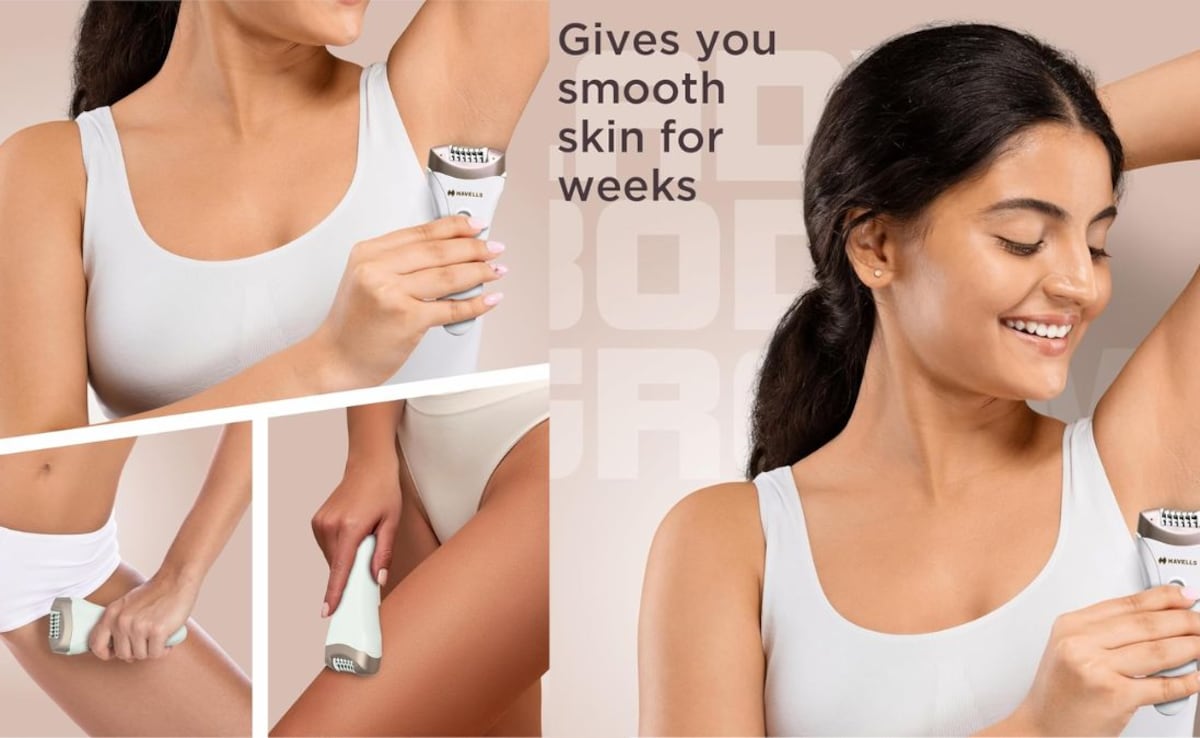
Hair removal routines have totally changed over the years. Loads of people in India are moving away from constant salon visits and those quick shaving tricks, looking for something that seems more practical and long-lasting. Due to these changing trends, epilators have become more popular, especially for beginners who want smoother skin without the usual waxing appointments drama.
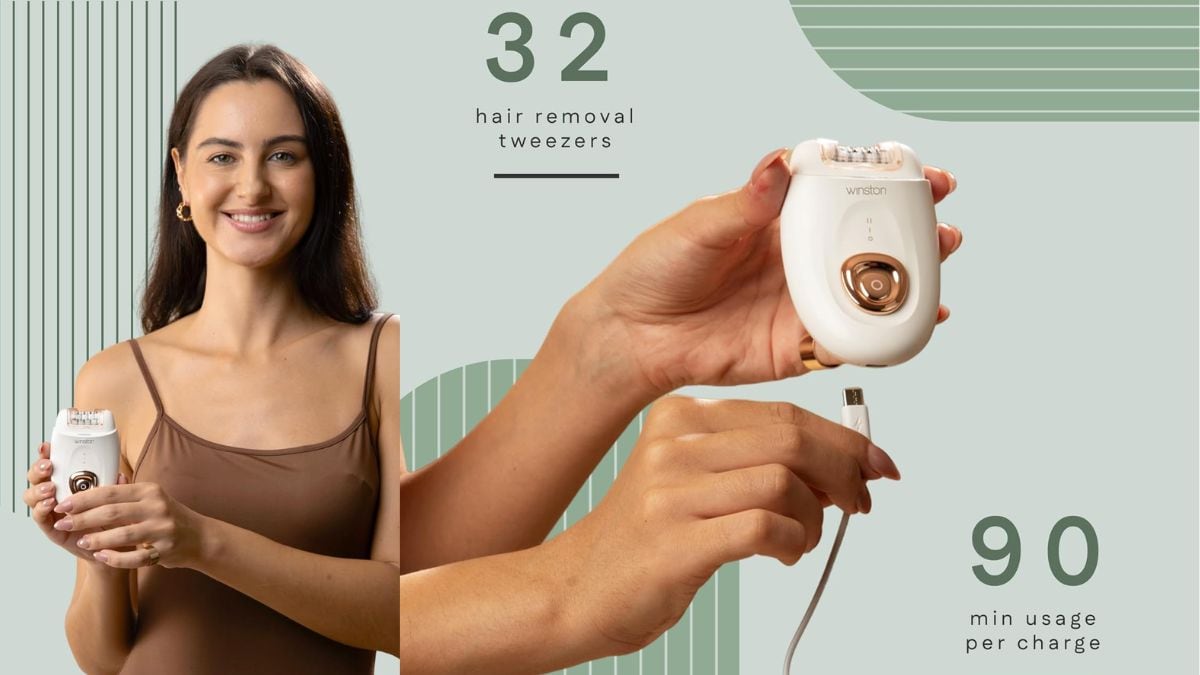
Essential tips for beginners on choosing an epilator with manageable pain levels and simple maintenance.
Photo Credit: Amazon
The first epilator you buy can be confusing․ One says it's best for delicate, sensitive skin; another says it gets hair out faster, and there are attachments that look easy but can be annoying to figure out at first glance. The best epilator for you isn't the most expensive one․ It's the one you're comfortable with, that suits your skin, and works well with your lifestyle. If you're thinking of purchasing an epilator for the first time, then this epilator buying guide will help you select the best epilator for hair removal.
What Should Beginners Prioritise In An Epilator?
The best beginner-friendly epilator is usually the one that feels simple and comfortable to use. Many first-time users think they must get the most advanced model, but really comfort beats extra features at the start.
A lightweight epilator with a solid grip can make the whole experience feel less intimidating. Beginners often choose models with softer speed options, allowing their skin to gradually adapt. Some devices even add massage rollers or protective covers; those things can help reduce discomfort while you're using it.
Also, the noise level matters more than most people assume. A quieter epilator tends to feel less stressful, especially during the first few sessions or so.
Corded Or Cordless: Which Option Works Better?
Cordless epilators are often a better option for beginners, since they bring more flexibility when you're using them. Most models that are cordless are also built for wet-and-dry use, so you can use them during a shower. Warm water may help the skin relax a bit, and then the whole process can feel more easygoing.
Corded epilators, on the other hand, are usually cheaper and they keep giving steady power without needing to think about charging time. They can fit well for people who want a straightforward hair removal routine just at home.
For many new users, cordless models feel more handy and easier to manage, especially when you're trying to reach different body zones with less fuss.
Why Skin Type Matters While Choosing An Epilator
Skin type plays a major role in deciding which epilator will work best for you. People with sensitive skin often see redness or that irritated feeling after hair removal, so it matters to pick something gentler.
Wet-and-dry epilators are usually chosen for sensitive skin because, during use, they feel more mild. A few models even come with hypoallergenic tweezers and special caps for delicate areas, which helps lower the chances of irritation, too.
If your skin is pretty normal and doesn't get reactive that much, then a standard epilator can work without drama. Still, taking care of your skin before and after epilating really does matter. Try gentle exfoliation beforehand , and then moisturise right afterward; that way, you're more likely to avoid those bumps and ingrown hairs.
Step 1: Decide Which Areas You Want To Use It On
Before buying an epilator, think about the areas where you plan to use it most frequently. Some devices are designed mainly for larger areas like legs and arms, while others include attachments for underarms, bikini lines, or facial hair.
If you only want basic hair removal across larger body zones, a simple model will usually be enough, but if you want more flexibility, then pick an epilator that comes with multiple attachments for different body parts or segments. Smaller precision caps can also make beginners feel easier about it while using the device on sensitive areas.
Step 2: Understand The Pain Factor Before Buying
The fear of pain is one of the biggest reasons people hesitate to try epilators. While epilation can feel uncomfortable at first, the intensity mostly depends on the device and your own hair-growth rhythm, so it varies. Beginners often prefer the slower speed options because it gives more control while you're actually using it. Many people view wet epilation as gentler because warm water can help relax the skin.
For most, the unpleasant sensation fades after some sessions, because when hair comes back it can be finer, and that tends to hurt less. After you finish, using a soothing gel or moisturising lotion may calm the skin and help it settle down faster.
Step 3: Check Cleaning And Maintenance Features
An epilator should not feel difficult to maintain. Devices that have detachable, washable heads are usually a bit easier to clean, and they feel more hygienic for everyday use.
Many new users forget about battery performance when shopping, but the charging time is what really counts more than you'd think. Fast charge options can be particularly useful, especially if your schedule is consistently busy.
Step 4: Choose A Comfortable Grip And Design
An epilator that feels a bit awkward in your hand can end up making the whole process more tiring and challenging to manage, especially at first. Often, lightweight designs with ergonomic handles are simpler to manoeuvre across various body areas.
A comfortable grip is also a big help for better control when you're working on spots like knees, underarms, or ankles. Then the experience seems smoother, and it feels less stressful overall.
Also Read: What To Check Before Buying An Epilator For First-Time Use
Step 5: Look For Adjustable Speed Settings
Different hair types may require different speed levels. Beginners often feel more comfortable using a slower setting first because it lets them adjust to the sensation gradually without rushing.
Once you start feeling more confident with the device, higher speeds might actually work better for thicker hair or on larger body areas too. Having both choices together gives you extra flexibility in a real way.
Step 6: Consider Wet And Dry Usage
Wet-and-dry epilators are popular among first-time users because they can be used in the shower or bath. Warm water can help the skin loosen up a bit and maybe reduce that kind of discomfort that comes up during hair removal.
A dry-use epilator can still work pretty well on its own, but a lot of first-timers think wet usage is easier and feels more gentle, especially in early sessions.
Step 7: Check Battery Life Before Buying
Battery performance is a thing many buyers ignore at first, but it can mess with long-term ease. If a device has a short battery life, it can feel frustrating in everyday use, like you just can't rely on it.
Fast charging, together with longer runtime, really matters, especially for people with busy routines or frequent travel plans.
Step 8: Think About Noise Levels
Some epilators can feel quite loud during operation, which may make beginners nervous during the first few uses. Quieter models often create a calmer and more comfortable experience.
While noise does not affect performance directly, it can influence how confident and relaxed you feel while using the device.
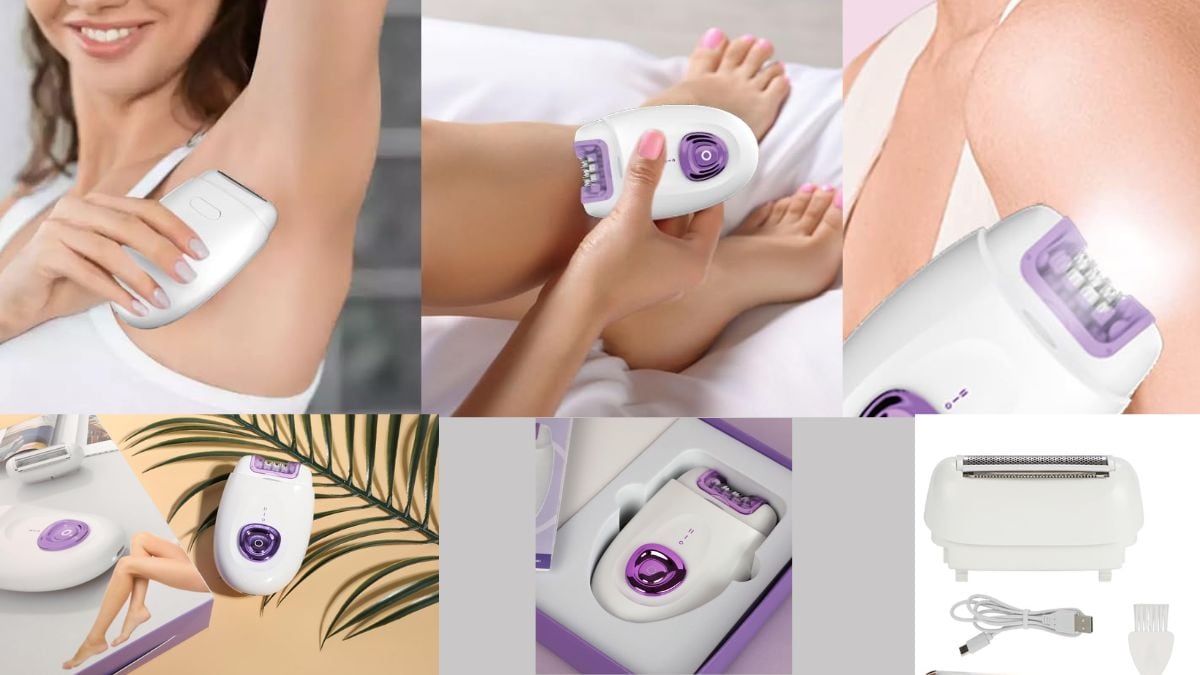
How to select your first epilator by evaluating features, comfort, skin type, and upkeep.
Photo Credit: Amazon
Higher-priced epilators usually include extra add-ons and some advanced tech, but honestly, beginners do not always need all those extras right away. A mid-range model that feels comfortable to hold, is simple to clean, and has adjustable speed levels is often plenty, especially at the start. Instead of solely focusing on the price, pay attention to the device's usability on a daily basis. Sometimes a simpler epilator becomes easier to use consistently, which matters more than owning the most premium model available.
Some Epilator Products You May Like
1. Winston Rechargeable Body Epilator
2. NOVUSOL Rechargeable Body Epilator
3. VGR V-762 Professional 3-in-1 Lady Epilator
4. Braun Silk-epil 7 SE7041 Epilator
5. Havells FD5051 Epilator
6. Generic Rechargeable painless Epilator
7. VOYOR Epilator for Women
8. HATTEKER SK-505 Compact Cordless Women Epilator
Frequently Asked Questions (FAQs)
1. Is an epilator suitable for beginners?
Yes, beginners can use an epilator in a comfortable way, mostly by picking a gentler device with beginner-friendly settings and also by doing the right skin prep beforehand.
2. Does epilation hurt more than waxing?
The whole experience is different for each person, yet a lot of users say the discomfort seems to ease up after a couple of sessions because the skin adapts over time.
3. Which epilator works best for sensitive skin?
Wet-and-dry epilators that come with massage caps and also those sensitive-area attachments usually get seen as the better option when skin is more sensitive.
4. Can beginners use an epilator on underarms?
Yes, but starting slowly and using smaller attachments can make the process feel more manageable.
5. How often should you use an epilator?
Most people use an epilator every few weeks depending on hair growth and personal preference.
(Disclaimer: This article may include references to or features of products and services made available through affiliate marketing campaigns. NDTV Convergence Limited (“NDTV”) strives to maintain editorial independence while participating in such campaigns. NDTV does not assume responsibility for the performance or claims of any featured products or services.)