How To Clear Indoor Air After Diwali Crackers?
Learn how to clear indoor air after Diwali crackers with simple cleaning steps, proper ventilation, air purifiers and other practical ways to reduce smoke.
How To Clear Indoor Air After Diwali Crackers?
Diwali celebrations may end with the last few fireworks, but the smoke they leave behind doesn't always disappear so quickly. You might notice a burnt smell near the windows, a thin layer of dust on furniture, or a room that feels stuffy even after the crackers have stopped bursting outside. In many cities, where air pollution is already a concern during the festive season, keeping indoor spaces comfortable can become a real challenge. Closing the windows helps keep fresh smoke from entering, but it can also trap polluted air inside. So, what should you do next?
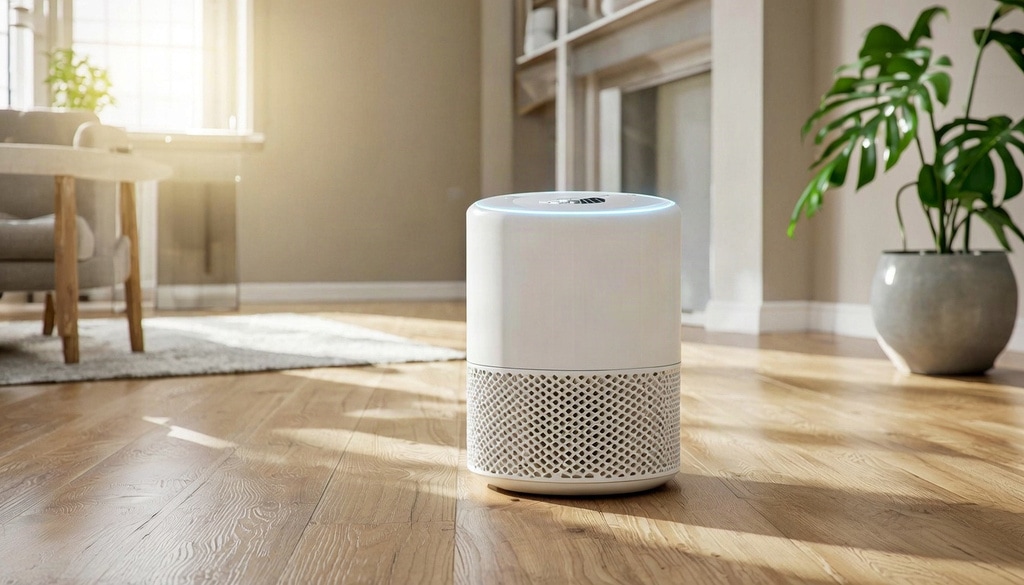
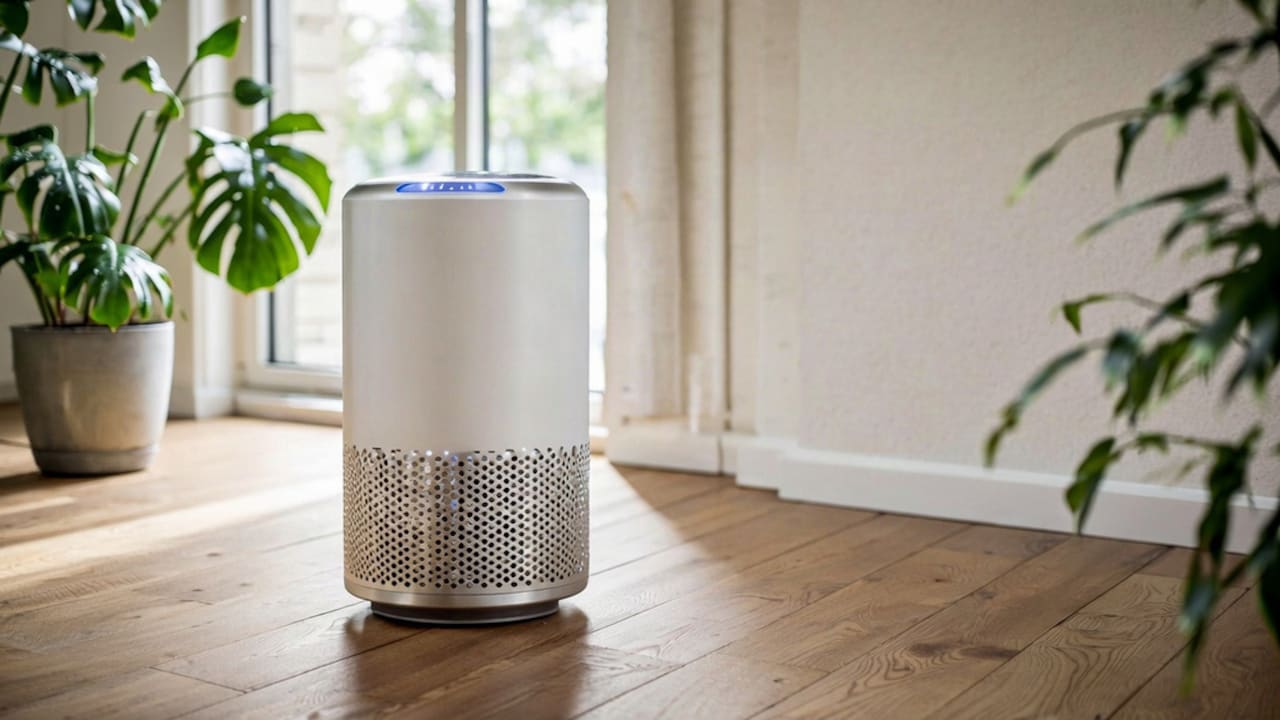
Air Purifier
Photo Credit: iStock
Learning how to clear indoor air after Diwali crackers is useful for every household, especially if children, older adults or people with asthma live with you. The encouraging part is that you can take several practical steps without making the process complicated. Small steps like timing your window opening right, clearing settled dust, and running an air purifier when needed can really add up. That said, no single method is going to catch every pollutant, and just because a room smells nice again doesn't mean the air in it is clean.
Why Does Indoor Air Feel Polluted After Diwali?
Fine airborne particles and gases of smoke from firecrackers enter indoors through windows, balconies, doors and even ventilation openings. Even after the outdoor fireworks end, pollutants remain: some stay suspended in the air, while others settle on surfaces.
1. Fine Particles Can Stay Indoors
PM2.5 is the fine particulate matter that stays airborne for a long time and enters the lungs deeply. The fireworks generate lots of this matter along with many other pollutants, and they stay inside after entering.
This is why air quality inside can stay low for long after the smoke disappears. This issue becomes especially important for those people who suffer from breathing problems.
2. Smoke And Dust Can Settle On Surfaces
Dust and soot settle on window sills, curtains, sofas, the floor and many other indoor surfaces. Walking, moving dusty fabrics, and dry sweeping can stir them into the air again.
Cleaning can be helpful, but the way of doing this can make things even worse. For example, dusting with a broom or brush spreads the particles instead of removing them.
What Should You Do First After The Crackers Stop?
Check the air quality outside before you decide to open a single window inside. Visible smoke outside means that all the windows opened at once can result in more pollution entering the home rather than leaving it.
1. Keep Windows Closed During Heavy Smoke
Is smoke visible outdoors, or are pollution readings high? Keep all the windows and balcony doors closed. Try to seal gaps around the door if it is possible and avoid using the exhaust fans because they just bring the polluted outdoor air indoors.
Wait until the conditions outside change before considering ventilation of the rooms. Relying on smell is not enough in this case; checking the air quality readings is much more useful.
2. Ventilate When Outdoor Air Improves
Stale indoor air needs replacing eventually, and opening windows does that job well, but only at the right moment. Pick a window of time when outdoor air quality has genuinely improved and smoke isn't drifting into your neighbourhood anymore.
Got cross-ventilation in your home? Open windows on opposite sides and let the air move through. If smoke starts creeping back in, though, shut them again right away. The whole point of ventilating is to bring in air that's cleaner than what you already have, nothing more.
How To Remove Smoke And Dust From Your Home
Outdoor air quality has improved, which is good. Now it's time to deal with whatever has settled inside already. You don't have to clean the whole house all at once. Start with whichever rooms and surfaces get the most daily use.
1. Use A Damp Microfibre Cloth
Grab a clean microfibre cloth, dampen it lightly, and start wiping down window sills, tables, shelves, door frames, and any hard surface where dust has had the chance to settle. Rinse the cloth often. Otherwise, you're just moving the same dirt from one spot to another.
Skip dry dusting entirely during this phase. And one more thing: never mix cleaning chemicals, especially bleach, with anything acidic; the fumes that are created can be genuinely dangerous.
2. Vacuum Carpets And Upholstered Furniture
A smoky evening leaves its mark on curtains, rugs, cushions, sofas, and all the soft stuff that traps dust easily. A vacuum with a proper HEPA filter does a solid job here, pulling particles in rather than pushing them back into the room.
Check under the beds and behind the sofas too; those corners get forgotten. No vacuum on hand? Clean fabrics per their care labels, and resist the urge to shake dusty items indoors.
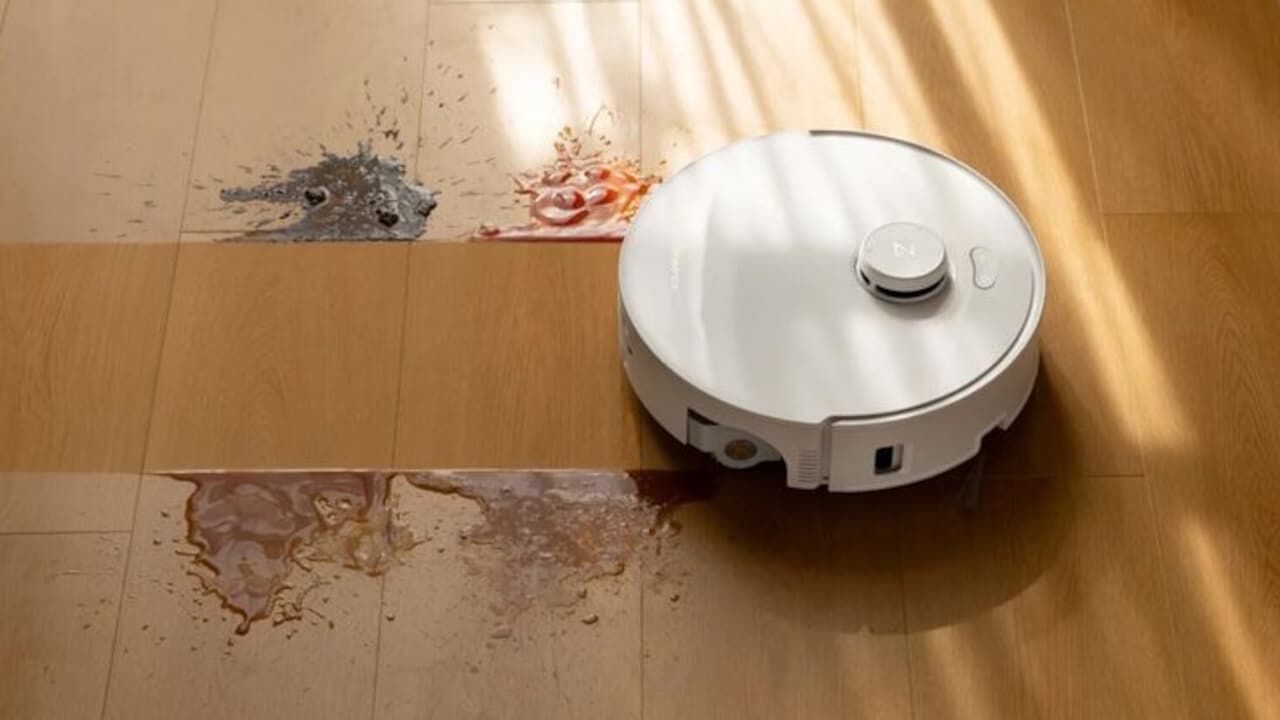
3. Mop The Floor After Dusting
After the furniture's done, move to the floor. Water, a decent floor cleaner, and a proper wipe or mop will remove the dust that sweeping would just stir back up into the air.
Bedrooms and the living room first, especially if that's where everyone spends most of their time. Give the floor a chance to dry fully before rugs and furniture go back.
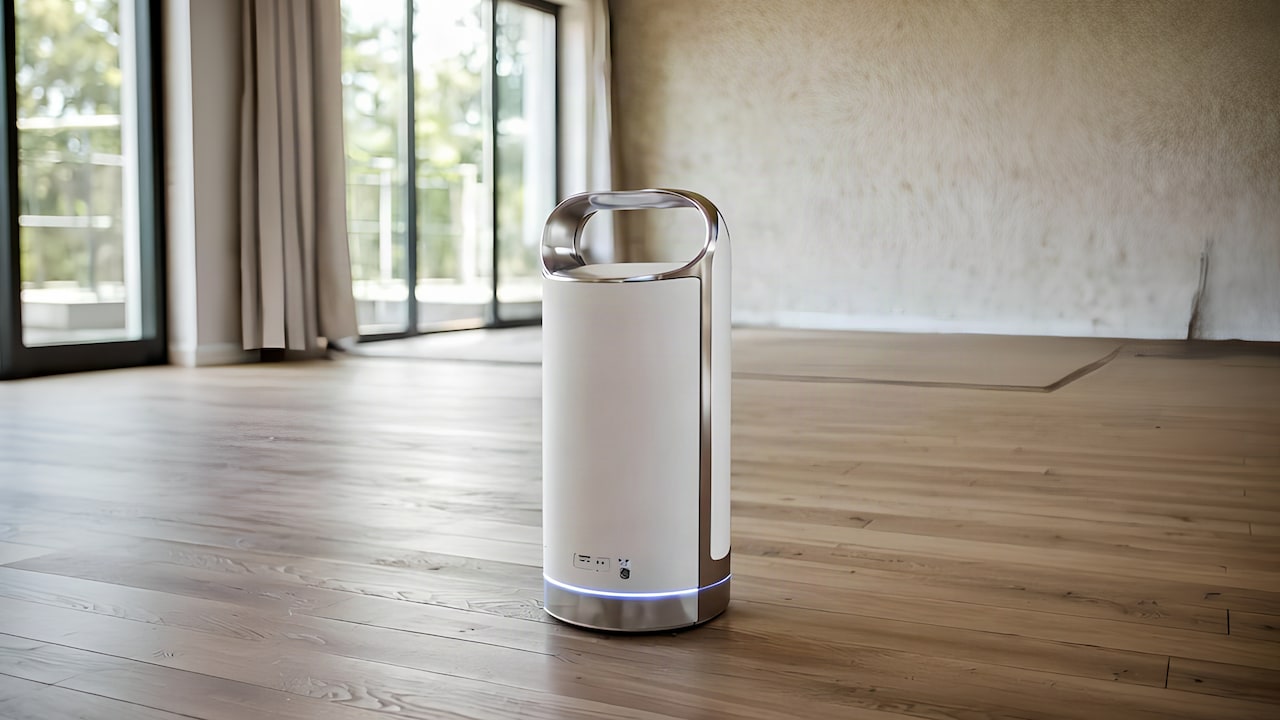
4. Get A HEPA Air Purifier
Look for a portable purifier with a properly rated HEPA filter; it'll capture airborne particles, fine particulate matter from smoke included. Activated carbon filters are also worth considering, as they can help reduce some lingering odours and gases.
Before buying, check the CADR rating and the room size the manufacturer recommends. A purifier built for a small bedroom isn't going to keep up with a large living room, especially when pollution levels spike.
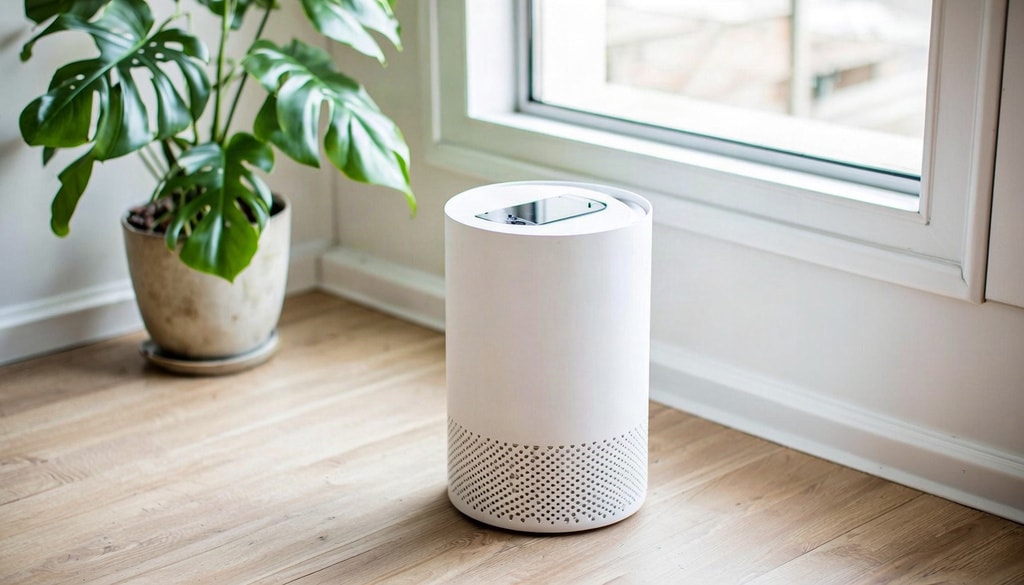
Air Purifier
Photo Credit: iStock
Products That Can Help Clear Indoor Air After Diwali
1. LEVOIT Core Mini Air Purifier
2. Philips AC0920 Smart Air Purifier for Home With HEPA Filter
3. Honeywell Air Purifier for Home & Office
4. Mijia by Xiaomi Air Purifier 4
B0HCZ1W1SN
5. Pigeon Air Purifier for Home, HEPA H13, 99.99% PM2.5
B0H9SB84R1
6. Fulminare H13 True HEPA Air Purifier for Bedroom
B0FC6ZMVVB
7. Qubo Q200 Smart Air Purifier
8. Jafanda JF068 Air Purifier
Diwali celebrations may last a day, but the effects of cracker smoke can linger indoors for much longer. Taking simple steps such as improving ventilation, using air purifiers, cleaning surfaces, and adding air-purifying plants can help restore healthier indoor air quality after the festivities. Families with children, elderly members, or those with respiratory conditions should be especially mindful of indoor air pollution. With a little post-Diwali care and cleaning, you can enjoy a fresh, comfortable, and healthier living space long after the celebrations have ended.
Frequently Asked Questions (FAQs)
1. How long does it take to clear indoor air after Diwali crackers?
Depends on many factors, such as the amount of smoke accumulated indoors, pollution outside, ventilation in the particular space, and the filtering system you are using.
2. Should I open windows the morning after Diwali?
Check the level of pollution outside and, depending on the results, take action. If the outside air remains highly polluted, keep all windows closed, and if you have an air purifier, you can switch it on.
3. Do indoor plants remove firecracker smoke?
Plants are aesthetically pleasing; they add a fresh touch to the room, but they cannot really eliminate firecracker smoke or PM2.5 in a meaningful way. It is better to stick to the filtration and cleaning of the air.
4. Does burning camphor or incense remove cracker smoke?
No, it won't. Burning camphor and incense adds more particles to the air and will only worsen its quality. It will not help to purify the air in any way.
5. What should I do if someone has breathing trouble after Diwali?
Get the person out of the polluted area and into cleaner air immediately. Stick to their prescribed asthma or respiratory treatment plan if one exists. And if there's severe breathlessness, chest pain, blue lips, or symptoms getting worse by the minute, that's a call for urgent medical help, no hesitation.
(Disclaimer: This article may include references to or features of products and services made available through affiliate marketing campaigns. NDTV Convergence Limited (“NDTV”) strives to maintain editorial independence while participating in such campaigns. NDTV does not assume responsibility for the performance or claims of any featured products or services.)